A country’s name is never just a label. It carries memory, politics, pride, and the story a nation wants to tell about itself.
Southeast Asia, shaped by empires, decolonization, and modern nation-building, offers several striking examples of national “rebrands.”
Below are three of the most notable: Burma to Myanmar, Kampuchea to Cambodia, and Siam to Thailand.
Burma to Myanmar: Identity and Legitimacy
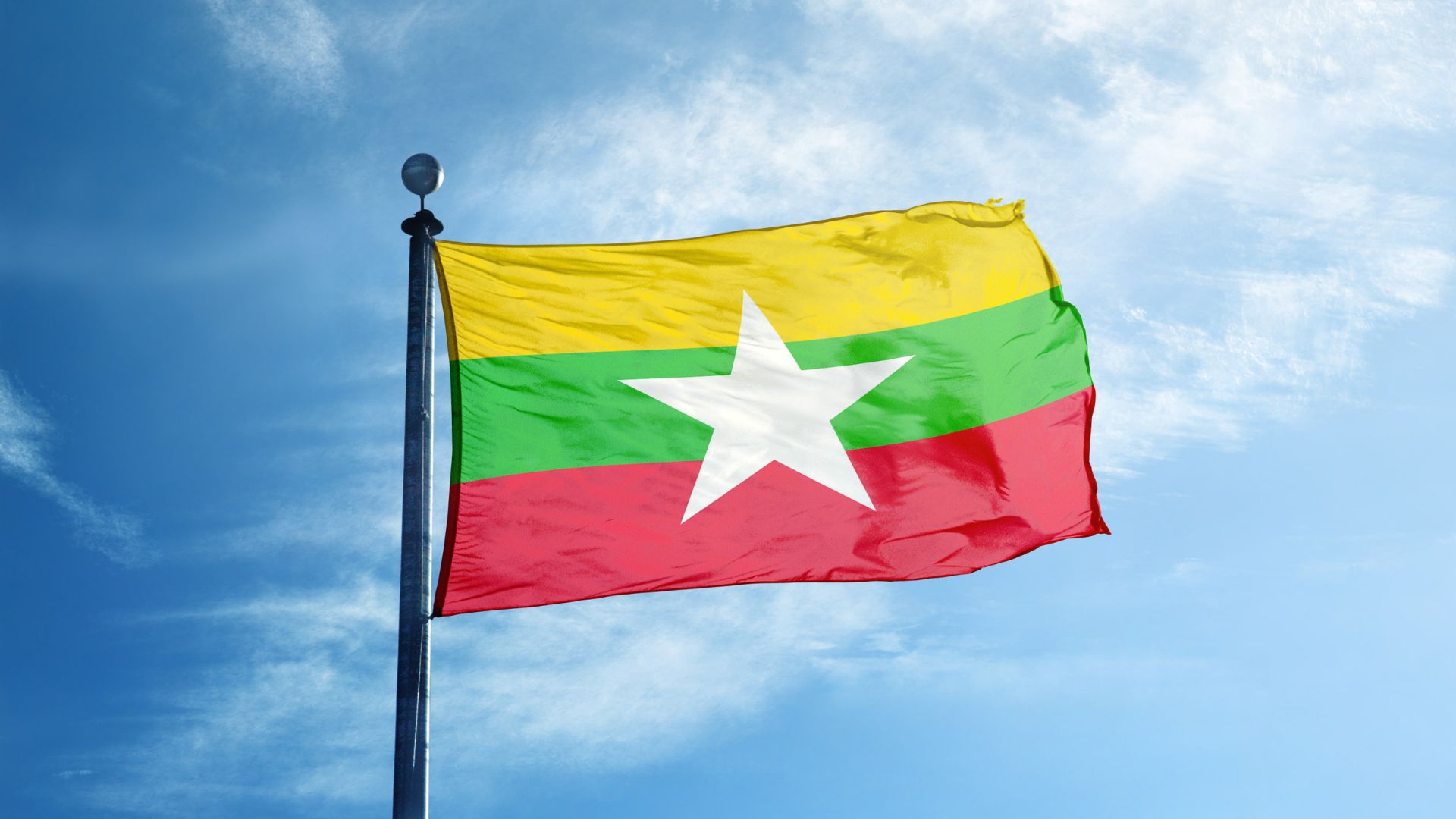
After pro-democracy protests were crushed in late 1988, Myanmar’s military regime standardized official names. On June 18, 1989, the country’s name changed from the Union of Burma to the Union of Myanmar, along with other places, Rangoon became Yangon.
The government argued “Myanmar” was a more inclusive and authentic name, while critics saw it as a move to legitimize military rule. Western nations like the US and UK refused to adopt the change for years. In local use, “Myanma” and “Bama” had coexisted for centuries, so the dispute was more political than linguistic.
The choice of name became a quiet symbol of allegiance, using “Burma” suggested solidarity with the democracy movement, while “Myanmar” signified recognition of the ruling junta.
Even today, many organizations and governments continue to debate which name to use. This duality reflects how Myanmar’s political struggles remain unresolved, and how deeply a name can be tied to questions of legitimacy and representation.
Kampuchea to Cambodia: From Turmoil to Stability
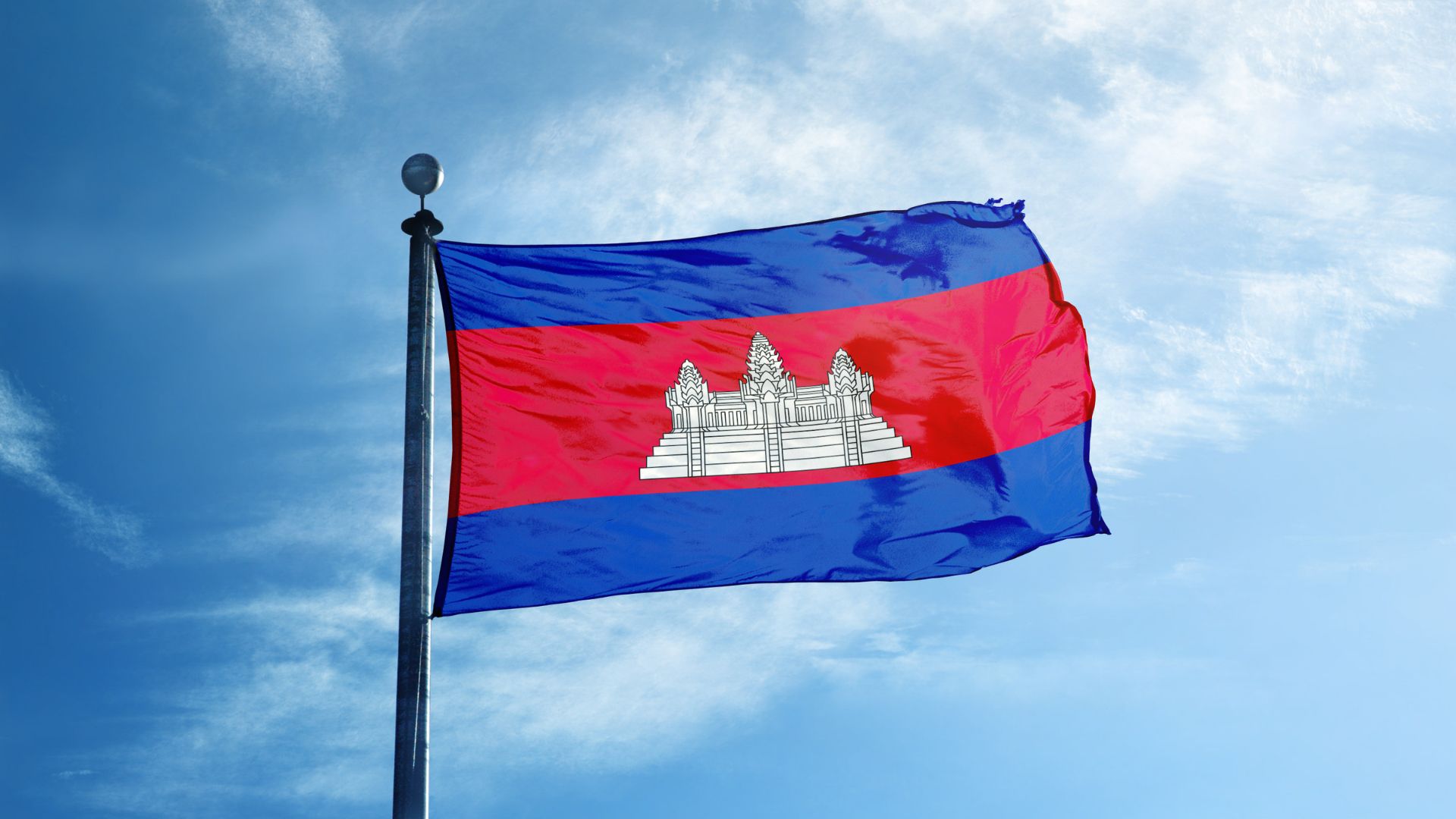
“Kampuchea” is the Khmer term for Cambodia, and both have been used through different political eras. After independence from France, the country was known as the Kingdom of Cambodia (1953–1970), then became the Khmer Republic (1970–1975). Under the Khmer Rouge, it was Democratic Kampuchea (1975–1979).
Following the fall of the regime, it became the People’s Republic of Kampuchea (1979–1989), then the State of Cambodia (1989–1993) under UN supervision. With the monarchy restored in 1993, the nation reclaimed its name as the Kingdom of Cambodia. The change symbolized reconciliation and a fresh start after years of violence and political chaos.
The restoration of “Cambodia” also marked the country’s re-entry into the global community. The name carried a softer, more familiar tone that helped reshape Cambodia’s international image, from a war-torn land to a growing cultural and economic destination. It showed how renaming can serve as diplomacy in rebuilding national reputation.
Siam to Thailand: The Land of the Free
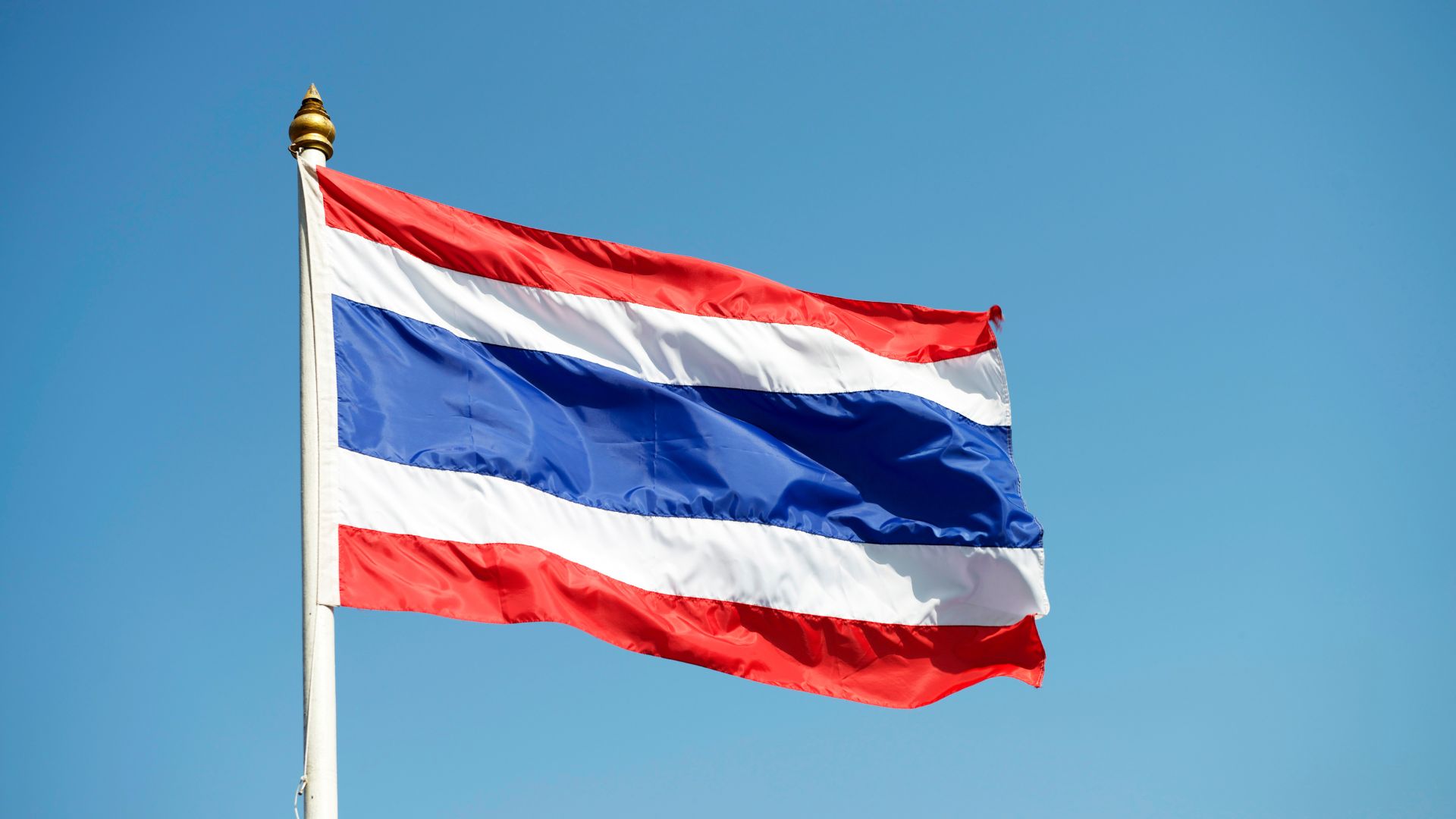
For centuries, the country was known as Siam. In 1939, Prime Minister Plaek Phibunsongkhram rebranded it as Thailand, meaning “Land of the Free,” to reflect national pride and ethnic identity.
After World War II, amid political upheaval and Allied pressure, the name briefly reverted to Siam in 1945. Four years later, on May 11, 1949, the government restored “Thailand,” which has remained ever since.
The name reflected confidence and modernization under a unified identity. While Thailand was never colonized by European powers, this rebranding reinforced its position as a sovereign, independent nation.
The word “Thai” itself embodies more than ethnicity, it symbolizes the country’s enduring idea of freedom. The name “Thailand” thus captures both the pride of independence and the aspiration to remain self-determined in a rapidly changing world.
Why These Changes Matter
Changing a country’s name is never a simple act. It often signals a new political vision, a rejection of colonial legacies, or a redefinition of national identity. In Myanmar, it became a political statement. In Cambodia, it marked rebirth. In Thailand, it symbolized unity and pride.
These name changes remind us that history is always alive, and sometimes, it starts with something as simple as a word.
Behind each change lies a broader narrative: a government trying to rewrite its image, a people reclaiming pride, or a nation seeking to reconcile with its past.
Names can evolve, but their meanings endure. In Southeast Asia, each renaming has been a reflection of resilience, the courage of nations to redefine who they are after moments of conflict, colonialism, or transformation.
Whether it’s Myanmar’s political transition, Cambodia’s recovery, or Thailand’s reassertion of identity, these stories show how language itself can be an act of nation-building.