Southeast Asia is a paradise for food lovers, with countless local dishes and street snacks to discover. And surprisingly, many of them are naturally gluten-free.
When you stroll through local markets or street vendors, you’ll find traditional foods that are both unique and delicious. Many Southeast Asian snacks are naturally gluten-free because they use rice, coconut, and tapioca instead of wheat.
In fact, many traditional treats, from rice cakes and tapioca desserts to noodles made from rice flour, have been gluten-free all along, without any special intention. From sweet to savory, these popular Southeast Asian treats are made with naturally gluten-free ingredients, highlighting the region’s rich culinary heritage.
What Does “Gluten-Free” Actually Mean?
According to the United States Food and Drug Administration (FDA), gluten occurs naturally in wheat, rye, barley, and crossbreeds of these grains. Foods that typically contain gluten include bread, cakes, cereals, pasta, and many other grain-based products.
Gluten is the protein that gives bread and other grain-based foods their structure, elasticity, and texture. However, for people with celiac disease, consuming gluten damages the lining of the small intestine, which interferes with nutrient absorption.
A gluten-free diet helps manage symptoms of celiac disease and other medical conditions related to gluten consumption. In recent years, gluten-free eating has also become popular among people without gluten-related conditions, with claimed benefits such as improved digestion, better energy, and overall wellness.
5 Gluten-Free Snacks You Can Find in Southeast Asia
-
Suman (Philippines)
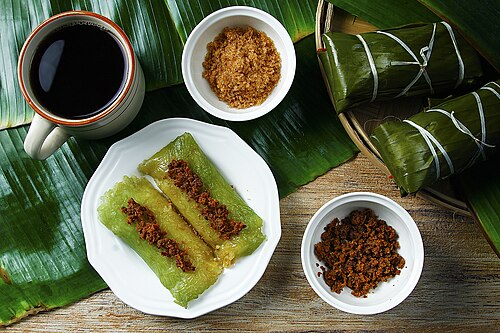
Suman is a traditional Filipino rice cake made from glutinous rice cooked with coconut milk, often wrapped in banana or palm leaves and steamed. It’s usually served with a sprinkle of sugar, making it one of the most beloved gluten-free snacks in the Philippines.
-
Kuih Lapis (Malaysia, Indonesia, Singapore)
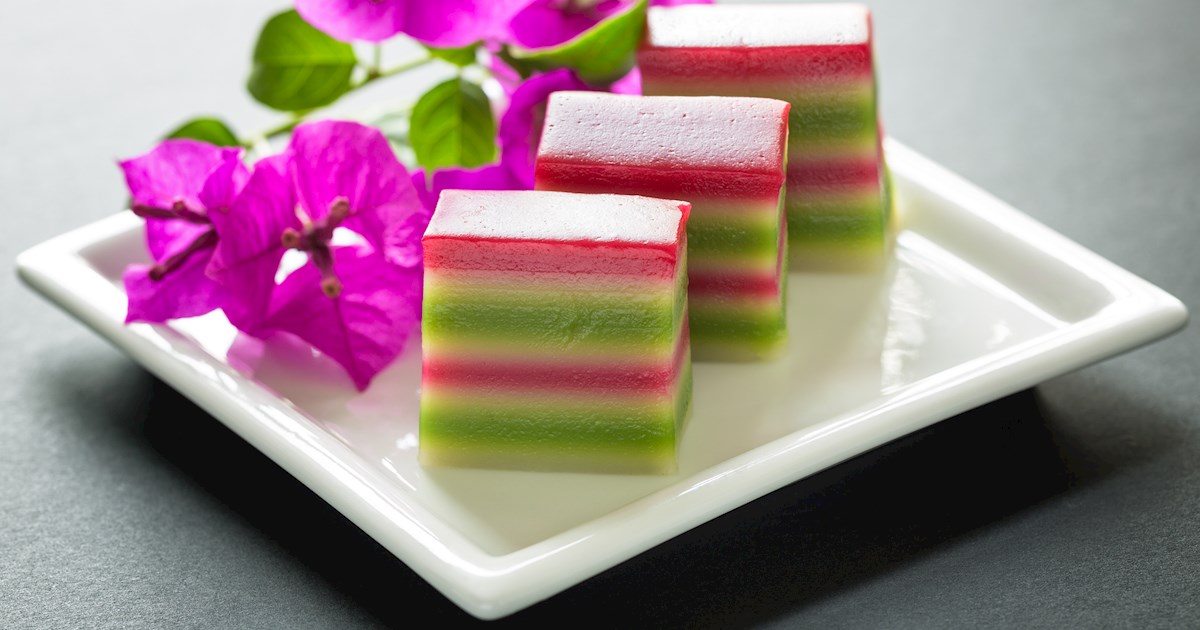
A colorful, layered dessert made from rice flour, coconut milk, and sugar. Each bite is soft, chewy, and slightly fragrant.
The best part about enjoying this snack is peeling off the layers one by one. This gluten-free dish is a nod to our culinary heritage.
-
Klepon (Indonesia)
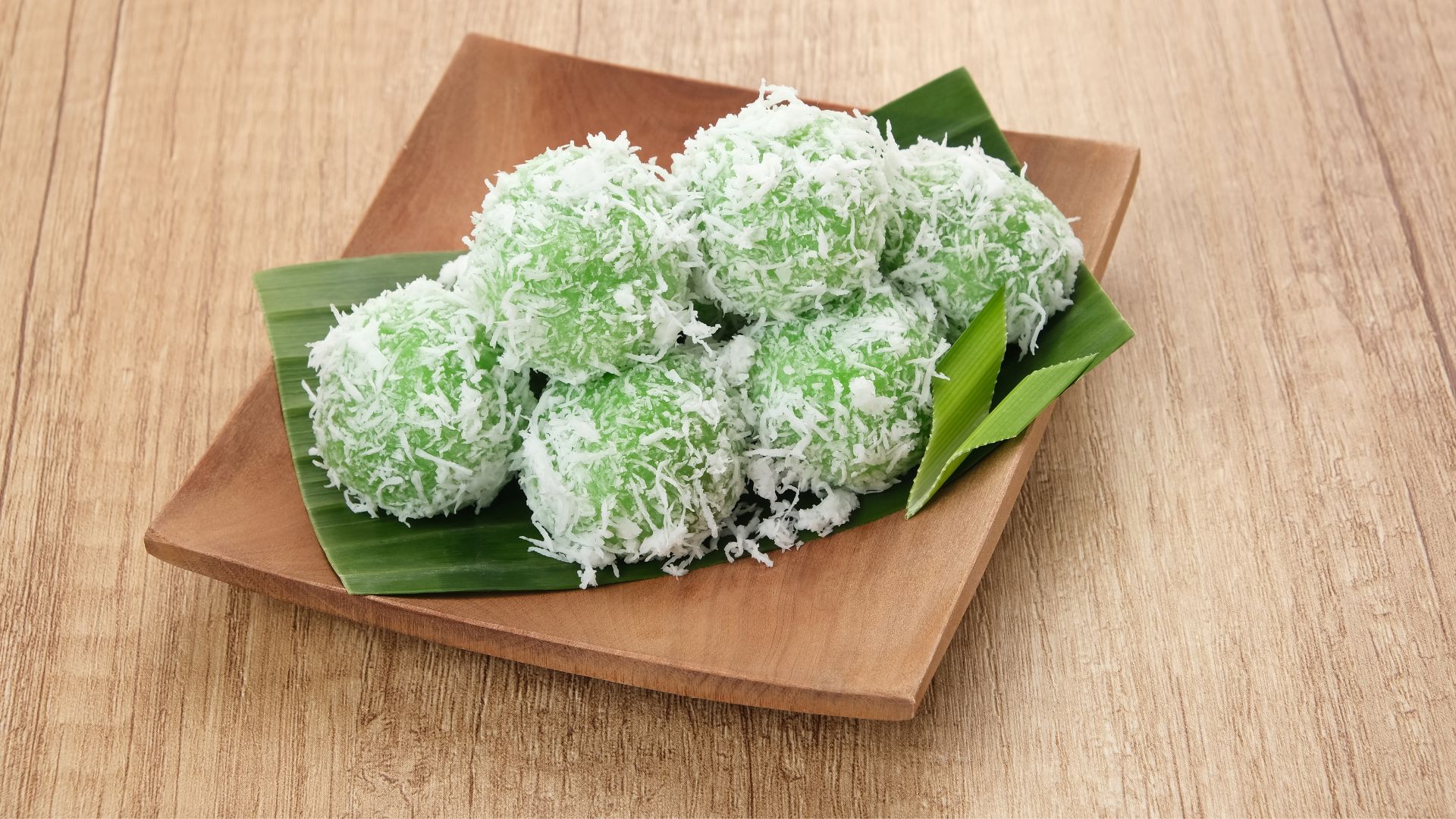
These little green rice balls are one of Indonesia’s most beloved snacks. Klepon is filled with molten palm sugar and rolled in freshly grated coconut.
The texture is chewy and sweet, with a delightful burst of palm sugar inside. Klepon is naturally gluten-free because it’s made from rice flour. You can find it in traditional markets as part of Indonesia’s jajanan pasar (market snacks).
-
Mango Sticky Rice (Thailand)
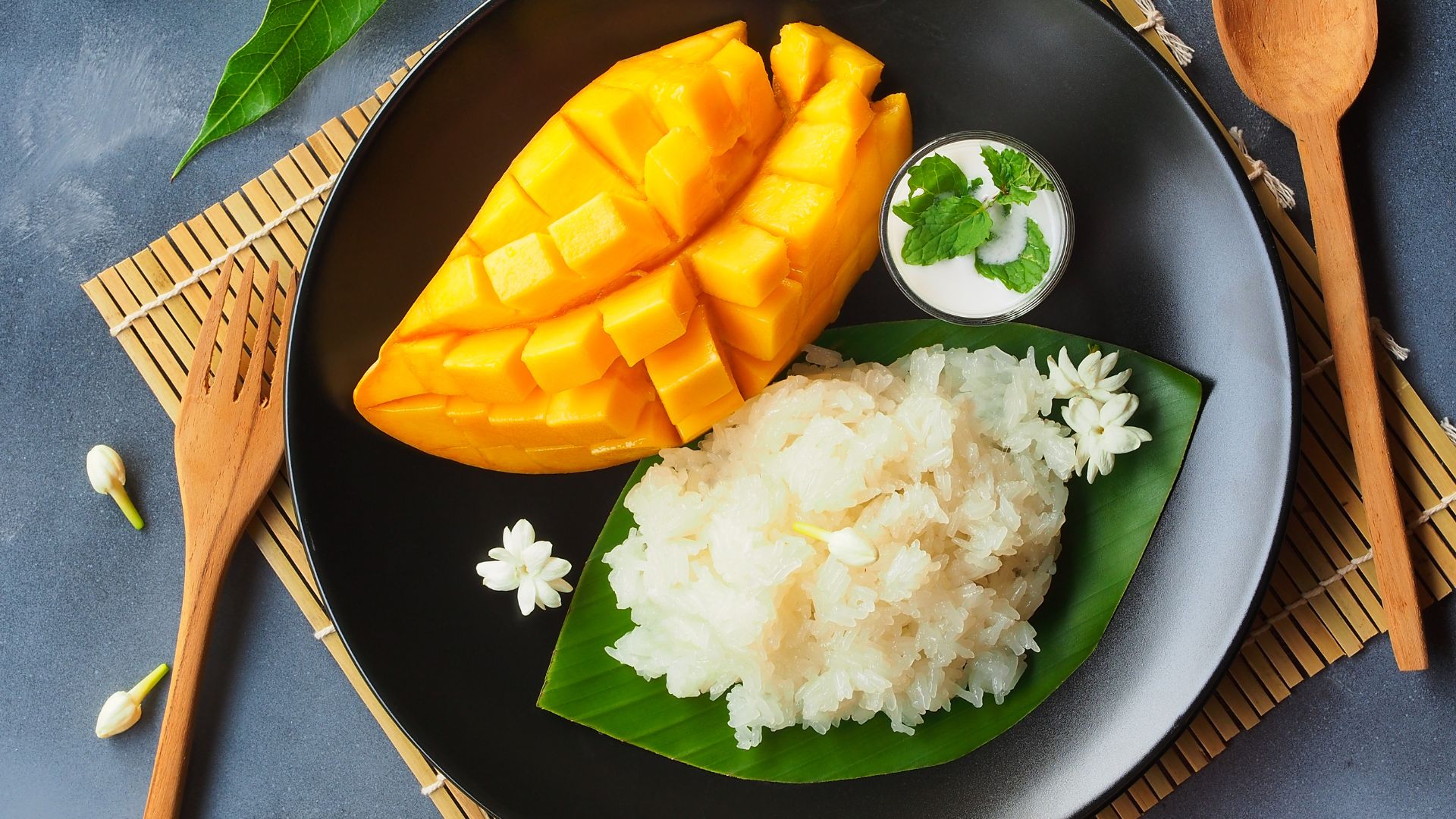
Mango sticky rice has become a global favorite. This soft sticky rice is cooked in coconut milk and topped with sweet, ripe mango slices.
It’s naturally gluten-free, and completely addictive. You can find it in almost every night market in Thailand, especially during mango season in March–June.
-
Goi Cuon (Vietnam)
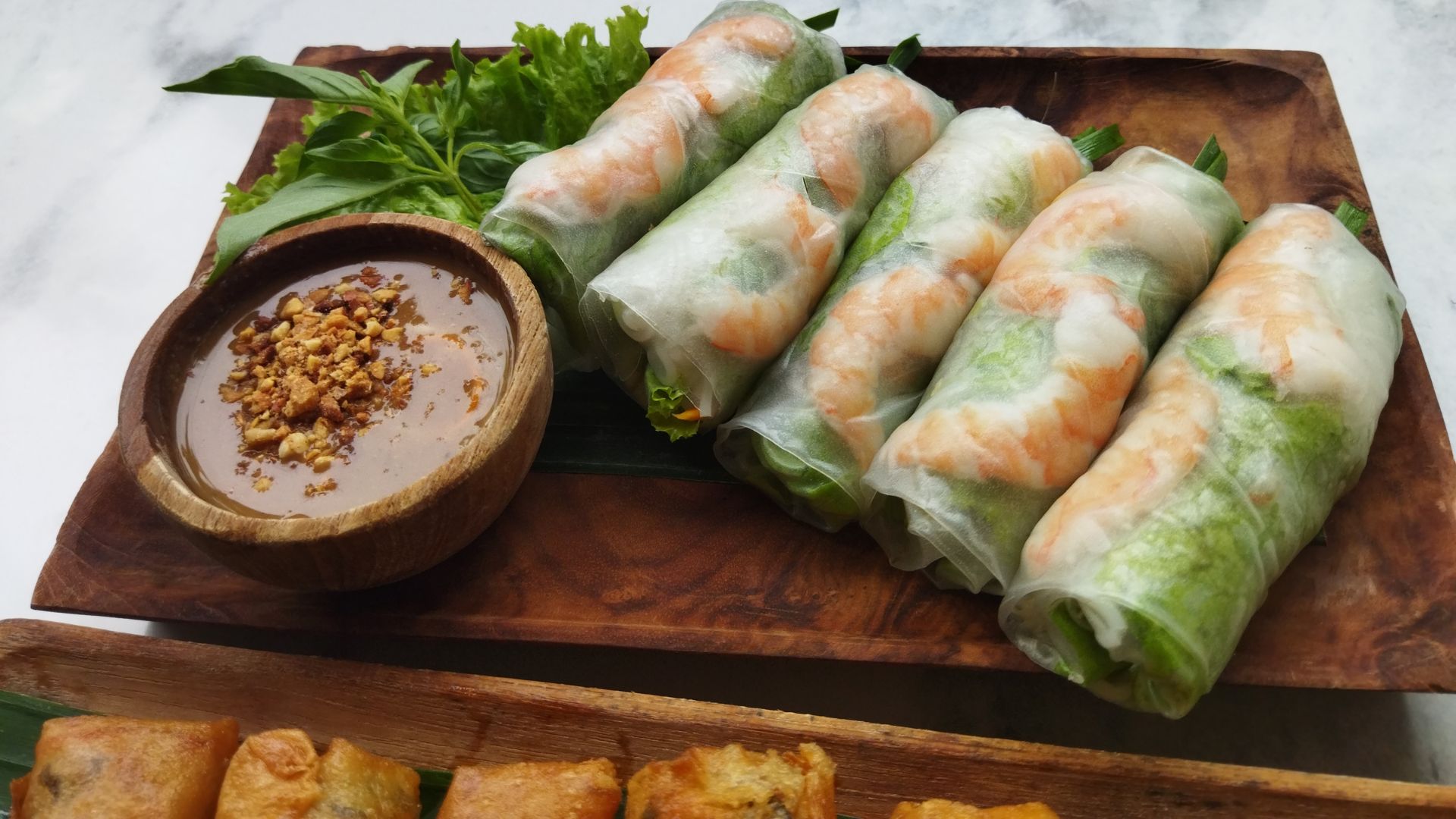
Unlike the fried ones, Gỏi Cuốn or fresh spring rolls are wrapped in rice paper instead of wheat flour. Inside, you’ll find shrimp, herbs, rice vermicelli, and fresh vegetables.
The flavor is light, fresh, and perfectly balanced with a peanut or fish sauce dip. However, always double-check the sauce ingredients, as some soy sauces may contain gluten.
Why Southeast Asian Snacks Are Often Naturally Gluten-Free
Being gluten-free in Southeast Asia is easy. Most traditional recipes here were made without wheat long before the gluten-free trend began. People have always cooked with rice, coconut, cassava, and palm sugar, so the ingredients are naturally gluten-free.
Because wheat doesn’t grow in tropical climates, locals used rice, tapioca, and sweet potato instead. That’s why so many Southeast Asian snacks are naturally gluten-free, and often dairy-free and plant-based too.
Gluten-Free Travel Tips in Southeast Asia
- Learn local phrases to ask about gluten or wheat
- Watch for soy sauce, breaded fried foods, and noodles made from wheat
- Visit traditional markets instead of modern bakeries, because they often sell naturally gluten-free, homemade snacks.
Southeast Asia proves that gluten-free eating doesn’t have to be complicated or trendy, because it’s simply part of everyday life. Each bite tells a story of tradition and tropical ingredients, showing that the region has been mastering gluten-free cooking for generations.
References:
- https://www.gluten-free-around-the-world.com/gluten-free-list
- https://www.fda.gov/food/nutrition-education-resources-materials/gluten-and-food-labeling
This article was created by Seasians in accordance with the writing rules on Seasia. The content of this article is entirely the responsibility of the author.