Have you ever noticed how some words in Southeast Asian languages sound remarkably similar? Mata means "eye" in Indonesian and Malay, and also the same in Tagalog. Even raja, meaning "king," sounds similar in Thai and Indonesian.
These similarities suggest something deeper than mere coincidence. Southeast Asia is one of the most linguistically rich regions on Earth, home to hundreds of languages and dialects spoken in 11 countries.
Yet, beneath that diversity lies an undeniable familiarity. Across islands, borders, and centuries, the region's languages have evolved side by side. Together, they form a rich linguistic mosaic that demonstrates how Southeast Asia has always been connected, not just by geography, but also by the words themselves.
The Austronesian and Austroasiatic Roots
Long before borders and nations existed, the peoples of Southeast Asia were connected by the sea. Many of the region’s languages trace back to the Austronesian and Austroasiatic families, which spread through waves of migration thousands of years ago.
As seafarers moved from Taiwan to the Philippines, Indonesia, and the Pacific, they carried with them a shared linguistic foundation that still resonates today.
Read also: Proto-World Language Hypothesis: The Search for the Common Ancestor of All Human Languages
That is why words like mata (eye), bulan (moon), and api (fire) sound familiar across islands separated by oceans. These linguistic echoes are living fossils of ancient journeys, reminders that communication once flowed as freely as the tides that linked the region’s early civilizations.
In a sense, the sea was not a barrier but a bridge that connecting distant shores through shared speech and storytelling.
Trade, Religion, Cultural Links, and Colonial Influence
As Southeast Asia’s kingdoms thrived, language became more than a tool, it became a vessel for exchange and identity. The busy maritime trade routes that linked ports from Sumatra to Siam carried not only spices and silk but also stories, words, and ideas.
When Hindu-Buddhist influences from India spread across the region, they brought along Sanskrit and Pali terms like raja (king), desa (village), and agama (faith). That words are still part of daily life today.
Later, the rise of Islamic trade networks added another layer, introducing Arabic and Persian words such as kitab (book), zakat (alms), and iman (faith). These words were reimagined, localized, and woven into native speech, giving Southeast Asian languages new shades of meaning.
Over time, language became a mirror of centuries of connection, where faith, commerce, and culture blended seamlessly.
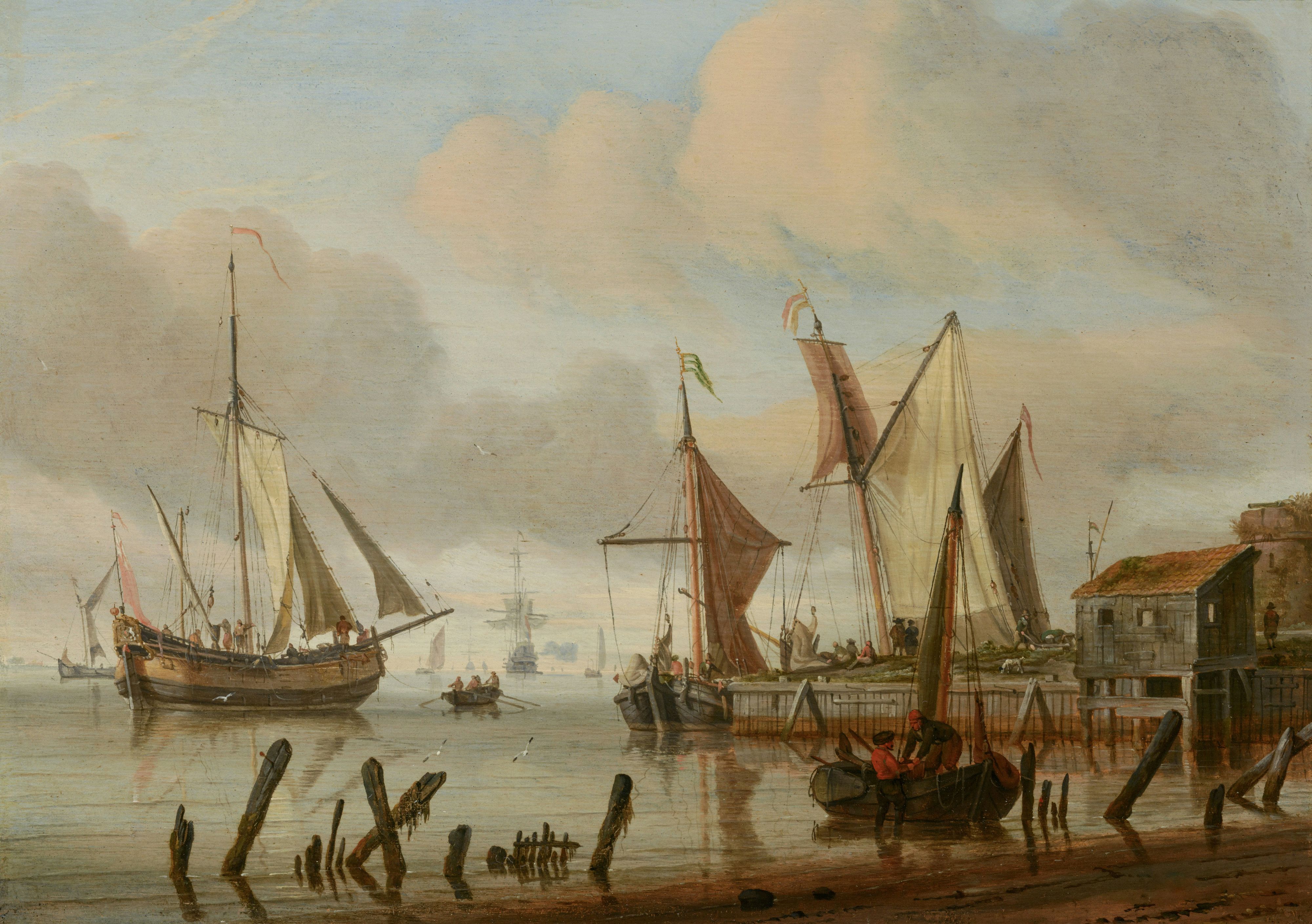
Then came the colonial era, adding yet another chapter to this linguistic story. European powers, that are Dutch, British, Spanish, and French, each left their mark on local languages, shaping how people spoke, learned, and interacted.
In Indonesia, Dutch influence introduced everyday terms like kantor (office), gratis (free), and polisi (police). In the Philippines, centuries of Spanish presence gave rise to familiar words such as mesa (table), iglesia (church), and zapatos (shoes).
French rule in Vietnam, Laos, and Cambodia brought not only new vocabulary like café and bureau but also the widespread use of the Latin alphabet. Meanwhile, British control in Malaysia, Singapore, and Myanmar helped spread English into schools, business, and government. Some legacy that still shapes the way people communicate today.
These colonial footprints did more than expand vocabularies, they created lingua francas, shared bridge languages that allowed people from different cultures to trade, govern, and connect.
From Heritage to Hashtags
Today, those connections continue in new ways. The internet, social media, and pop culture act as modern trade routes, where words move instantly across borders. A slang term from Jakarta might appear on a TikTok video from Manila the next day.
English now blends easily with local languages in everyday speech, and students, workers, and creators move between Southeast Asia countries. Despite different alphabets, accents, and tones, a sense of familiarity remains as a quiet proof that Southeast Asia’s linguistic bonds are still alive.

From the old ports of Sumatra to the cafés of Ho Chi Minh City, people may speak in different tongues, but their words often share the same roots. Language in Southeast Asia is more than a tool for communication, it’s a reflection of shared memory and identity.
Through centuries of change, the region has never spoken with just one voice, yet it has always spoken in harmony. That harmony born from diversity, strengthened by connection and continues to make Southeast Asia one of the most fascinating linguistic landscapes in the world.
References:
Media Neliti. (n.d). Politik Bahasa pada Masa Hindia Belanda. https://media.neliti.com/media/publications/181188-ID-politik-bahasa-pada-masa-hindia-belanda.pdf
Biblioasia. (2023). Portugal's Linguistic Legacy in Southeast Asia. https://biblioasia.nlb.gov.sg/vol-19/issue-1/apr-jun-2023/portuguese-legacy-southeast-asia
This article was created by Seasians in accordance with the writing rules on Seasia. The content of this article is entirely the responsibility of the author.