


Imagine your government told you that, starting tomorrow, you would not see a huge chunk of your paycheck.
You can't spend it. You can't touch it. It’s just gone.
In most places, people would riot. But in Singapore, this very idea (a system of "forced" savings) is the secret sauce behind its incredible wealth. It's how the nation engineered an economic miracle, turning its people into one of the richest populations on earth.
Here’s the story of the Central Provident Fund (CPF), Singapore's giant, compulsory piggy bank.
The Big "Force"
The plan, which started in 1955, is simple but ruthless. Every single month, both you and your employer must contribute a significant part of your salary into this national fund.1
We're not talking about a tiny 5% or 10%. For most of a worker's life, the combined contribution is a whopping 37% of their salary.
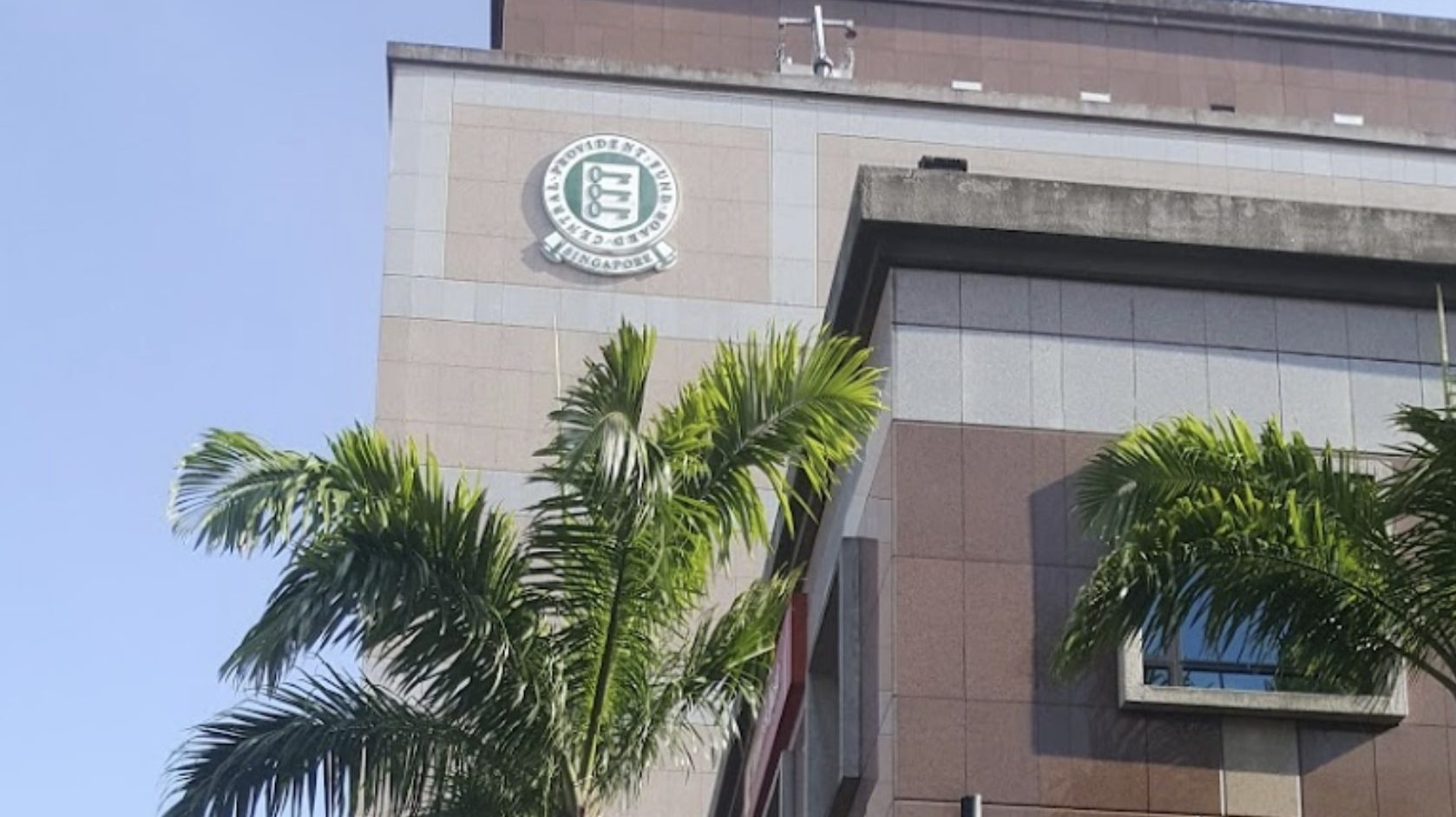
This money is instantly locked away. You have absolutely no choice in the matter. For decades, Singaporeans have watched a massive piece of their income disappear before it ever hits their bank account.
So, what’s the point?
The Genius Loop: Building and Buying Homes
In the 1960s, a newly independent Singapore had a massive problem: it was poor, and many of its people lived in slums. It needed to build a country from scratch.
This is where the "forced" savings came in.
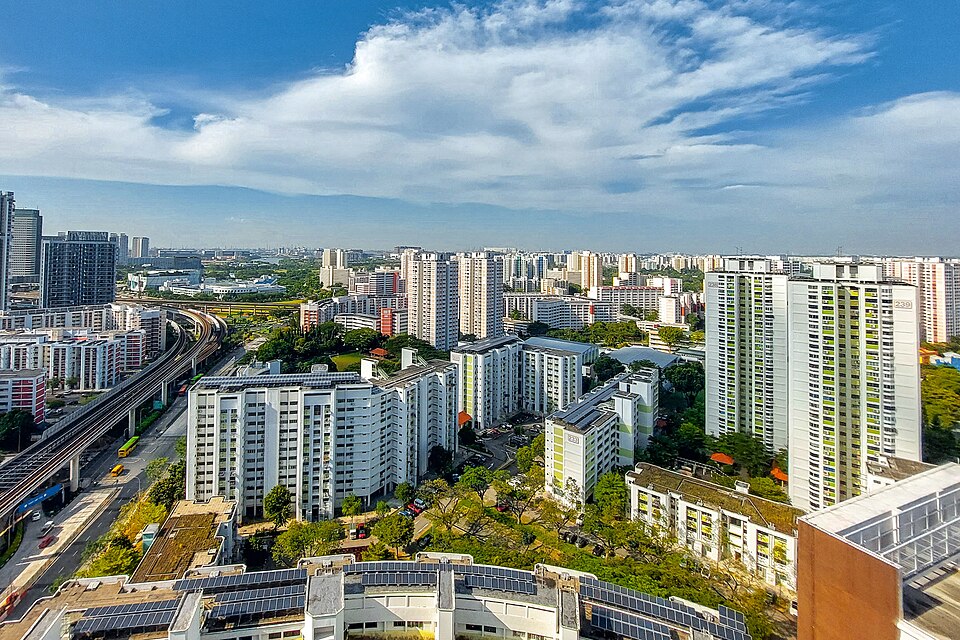
First, the government "borrowed" from this giant pool of public money to build the nation. It funded the Housing & Development Board (HDB), which began building the thousands of high-quality, high-rise apartments that Singapore is famous for.
Then came the masterstroke.
The government turned to its citizens and said, "See all that money we've been 'forcing' you to save? You can now use it to buy one of these brand-new homes."
It created a perfect, closed loop:
- Workers' forced savings funded the construction of new homes.
- The same workers then used their own savings to buy those homes.
This simple, powerful idea didn't just solve the housing crisis. It "forced" an entire population to become homeowners.
The Payoff: A Nation of "Accidental" Millionaires
Today, around 90% of Singaporeans own their homes, one of the highest rates on the planet. For the average Singaporean, their HDB flat, paid for by their CPF, is their single biggest asset, often worth hundreds of thousands, or even over a million dollars.
The "force" didn't stop at housing. The rest of the money in the fund is locked away for the two other things that reliably make people poor: retirement and healthcare.
Because this money is locked away, it can't be wasted on a new car or a fancy holiday. It's "forced" to grow, compounding for decades.
The result? The average citizen is "forced" into a position of wealth. They are "forced" to own a valuable property. They are "forced" to have a retirement nest egg. They are "forced" to have savings put aside for medical bills, preventing bankruptcy from illness.4
Singapore's model is the ultimate trade-off: give up your financial freedom, and in return, the system will almost guarantee you a stake in the nation's success. It’s a controversial, but undeniably powerful, way to build a rich country.


