


In a world increasingly defined by global interdependence, foreign aid remains a crucial expression of solidarity and shared responsibility. Each year, billions of dollar flow from wealthier nations to support development, humanitarian relief, and stability across the globe.
Yet generosity can be measured in different ways—by total amount given or by the share of national income devoted to helping others.
We will take a look at the world’s most generous countries, according to Economics Insider, highlighting how their aid shapes international cooperation and global progress.
United States

When it comes to sheer volume of foreign aid, the United States stands out as the most generous country in the world. According to data for 2023, it provided around USD 62 billion in official development assistance, making it the largest donor in absolute terms.
However, generosity is a complex metric: although the United States gives a large total sum, that amount represents only about 0.24 % of its gross national income in recent years.
The motivation behind the United States’ aid is multi-fold: supporting humanitarian relief, promoting development, bolstering strategic partnerships, and contributing to global stability.
While the volume is unmatched, its proportion relative to national income is modest compared with other countries.
Germany

In second place by total volume is the Germany, which in 2023 gave roughly USD 38 billion in foreign aid. Importantly, Germany’s share relative to its national income is higher than that of the United States—about 0.82 % of its GNI in the cited year.
Germany’s aid strategy often emphasizes sustainable development, governance, climate protection and support to developing nations in Africa and Asia.
The combination of sizable absolute contribution and a relatively strong proportion of GNI gives Germany a prominent role among philanthropic states.
Japan

The Japan is another major contributor. In 2023 Japan gave around USD 19 billion in foreign aid, or approximately 0.44 % of its GNI.
Historically, Japan’s aid has focused on infrastructure, education, disaster relief and development in Asia and Africa.
While smaller in absolute size compared with the United States and Germany, Japan’s aid underscores the diversity of actors committing to overseas development and humanitarian assistance.
United Kingdom

The United Kingdom also plays a significant role in foreign aid, contributing about USD 17 billion in 2023, which equates to approximately 0.58 % of its GNI.
UK aid has traditionally emphasized humanitarian relief, poverty reduction, education and global health in the developing world. In combination with other donors, the UK helps maintain a steady flow of resources to vulnerable countries.
France
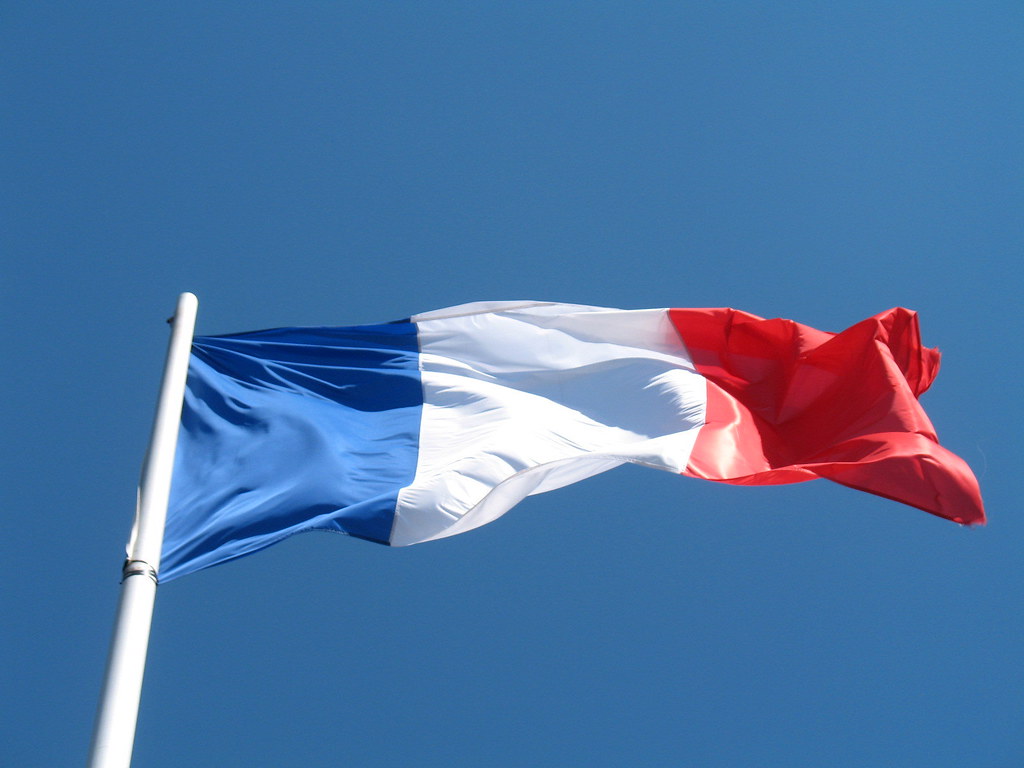
The France rounds out our list of the top five by volume, with some USD 15 billion in aid in 2023 and about 0.50 % of its GNI devoted to aid.
France directs a significant portion of its aid to Africa and focuses on health, education and sustainable development. While its overall budget is smaller compared to some of its peers, France’s commitment relative to its economy remains meaningful.
Norway (and other high-proportion donors)

While the above countries lead in total volume, it’s equally important to highlight those nations whose generosity is greatest relative to their size. The Norway is a prime example, giving around USD 6.5 billion in 2023 but dedicating approximately 1.10 % of its GNI to foreign aid.
Similarly, Luxembourg and Sweden have been noted for giving about 0.46 % and 0.28 % of GNI respectively in recent years.
These countries demonstrate that generosity can be measured not just by the size of the cheque but by the size of the effort relative to the nation’s capacity.


