Jasmine rice holds the first-place spot as the best rice type in the world for 2025 according to TasteAtlas. In its native Thailand, jasmine rice is called Khao Hom Mali.
Jasmine rice features a naturally fragrant aroma, a soft grain texture, and a subtly sweet taste when cooked.
Beyond its soft texture and natural floral scent, Thai Jasmine rice holds a protected Geographical Indication (GI) status in Thung Kula Rong-Hai natural region, northeastern Thailand.
The Secret Behind the Fragrant Aroma
The name Khao Hom Mali originates from the Thai language. The word khao means rice, hom means fragrant, and mali refers to the jasmine flower.
The use of the word "jasmine" does not mean the rice is processed with flower extracts. Rather, it describes its gentle floral scent and the clean, white appearance of the grains, resembling jasmine petals.
Khao Hom Mali has a long-grain shape. When cooked, its texture becomes soft without easily falling apart that offers a mild natural sweetness upon chewing.
The signature aroma develops naturally through the plant's biological processes. It is not derived from artificial flavorings or chemical additives.
A study published in the Journal of Nutritional Science and Vitaminology shows that its fragrant aroma comes from a compound named 2-Acetyl-1-pyrroline (2AP).
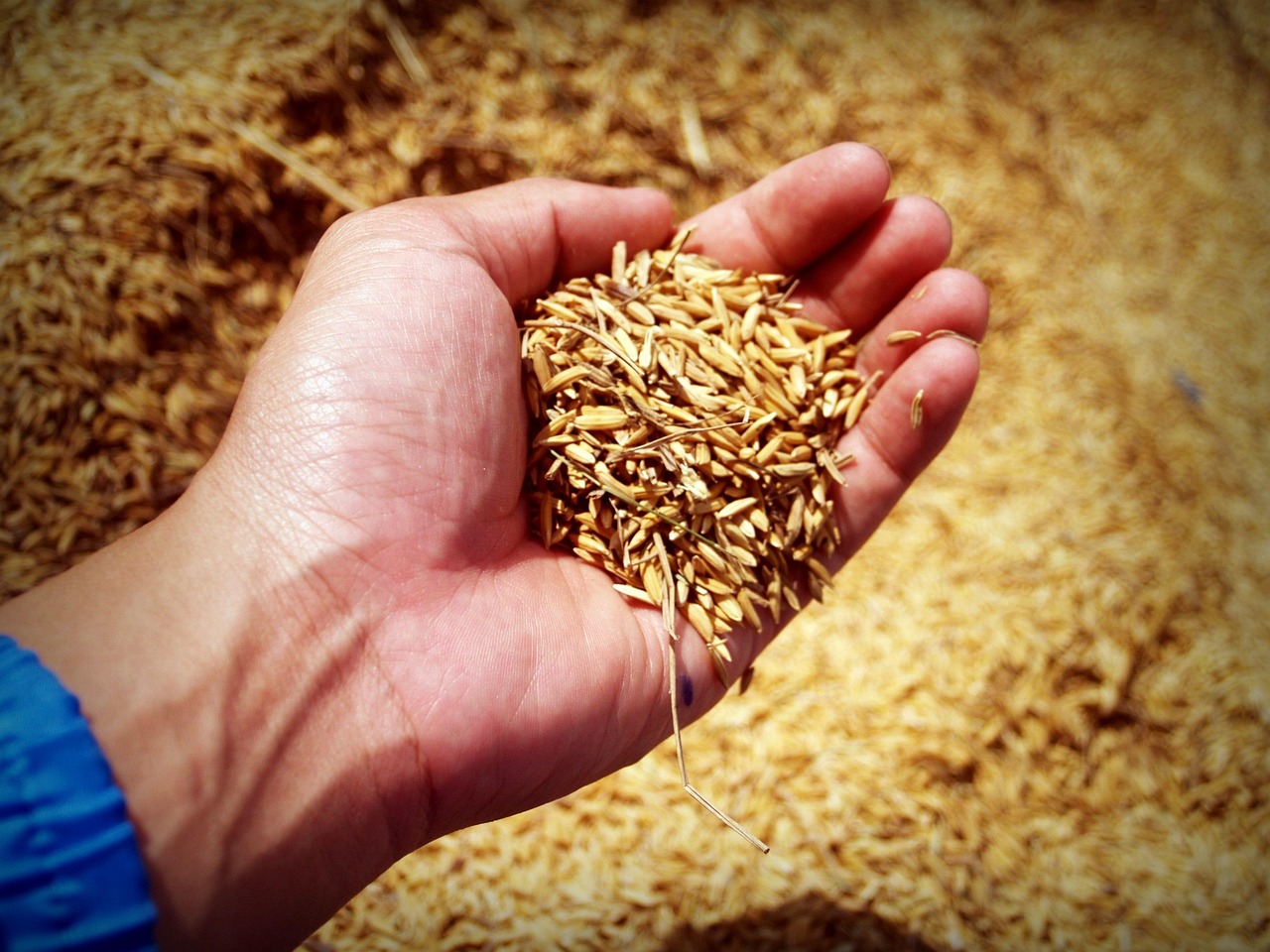
The scent is similar to pandan leaves or freshly cooked popcorn. The 2AP compound is already present while the rice plants are still growing in the field.
Raw jasmine rice contains low levels of 2AP, but cooking triggers the compound to release its full fragrance.
The degree of milling also affects the concentration of the aromatic compound. High-degree milling reduces the natural fragrance, as much of the 2AP compound resides in the outer bran layer.
Historical Cultivation Grounds
The history of jasmine rice began with an accidental discovery in an agricultural field in 1945.
A farmer named Jaroon Tanthawut discovered the unique rice variety in Phanat Nikhom District, Chon Buri Province. Jaroon collected the fragrant grains to replant them for the following season.
The seed development progressed gradually until experimental testing was conducted by agricultural officials in Lop Buri. Following pure-line selection testing, the Agriculture Committee of Thailand officially named the variety Khao Dawk Mali 105 in 1959.
Today, Jasmine rice is primarily produced in northeastern Thailand, a region known as Isaan. The main cultivation areas span the provinces of Si Sa Ket, Surin, Roi Et, Maha Sarakham, and Yasothon.
The five provinces encompass the Thung Kula Ronghai region. According to the Tourism Authority of Thailand, Thung Kula Ronghai covers over 800,000 acres. Its primary hub is centered in Roi Et Province.
The quality of jasmine rice grown in Thung Kula Ronghai earned domestic Geographical Indication (GI) status in 2006.
The European Union later registered the region's rice under the Protected Geographical Indication (PGI) scheme in 2013 to safeguard the authenticity of the product in global markets.
Jasmine Rice in Thai Culinary Traditions

Jasmine rice is central to many traditional Thai meals. It serves as the base for dishes like Kra Pao Moo, a stir-fried minced pork with Thai basil. Jasmine rice can also be the main ingredient in Thai Fried Rice (Khao Pad).

Additionally, jasmine rice is used in Khao Chae, a traditional dish of chilled, flower-perfumed water served over cooked rice with various side dishes.
Reference:
Jinakot, I., & Jirapakkul, W. (2019). Volatile aroma compounds in Jasmine rice as affected by degrees of milling. Journal of Nutritional Science and Vitaminology, 65(Supplement), S231–S234. https://doi.org/10.3177/jnsv.65.S231