


In eastern Indonesia, weaving is part of everyday life for many women in Mollo, South Central Timor Regency, East Nusa Tenggara. Between caring for their families, tending gardens, taking part in customary activities, and attending school, dozens of women continue to make cloth using skills and knowledge passed down through generations.
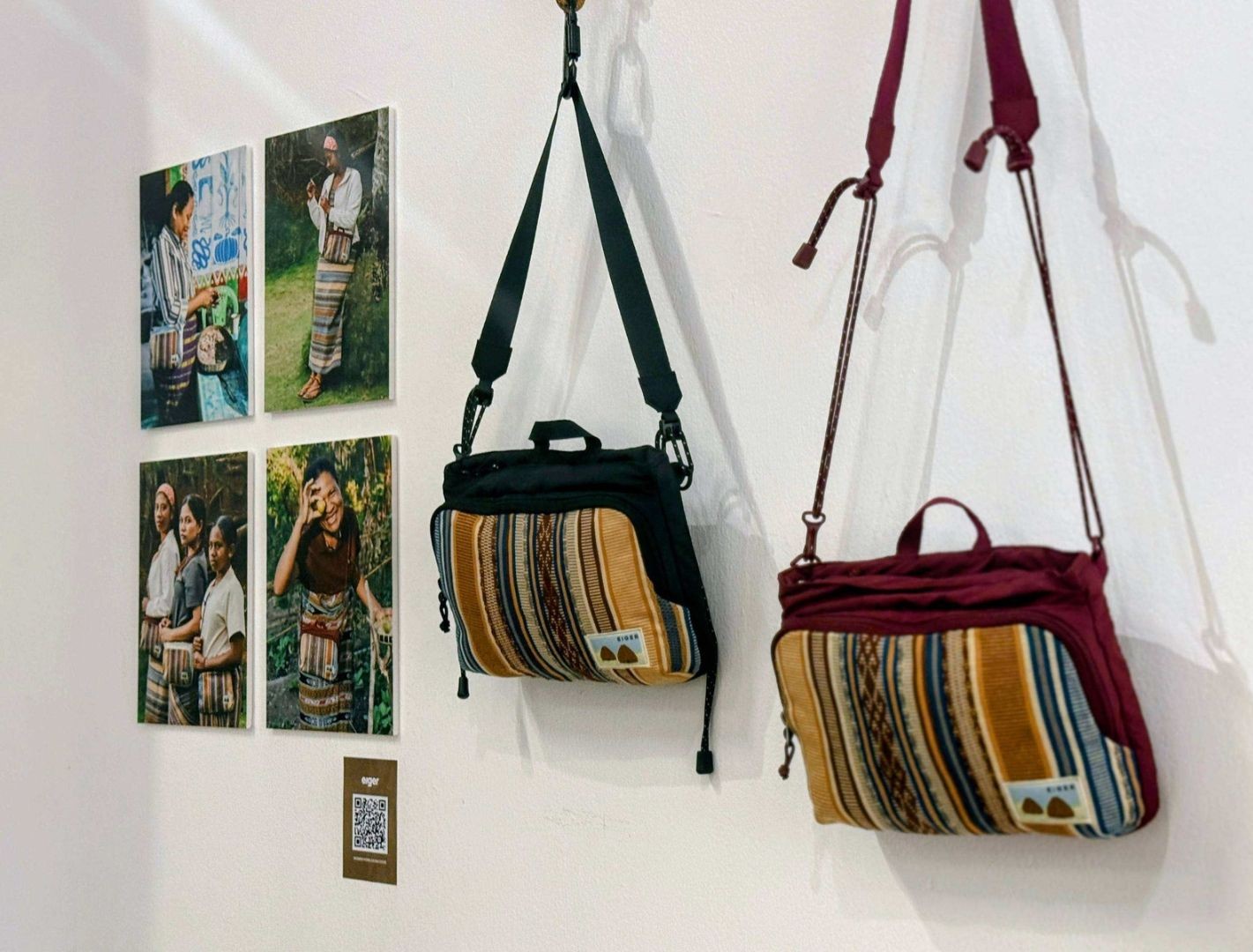
Today, that tradition is finding a new place through Tabua Tenu, a collaborative collection by Indonesian outdoor brand EIGER Adventure, the women weavers of Mollo, and Sepatokimin Initiative. The collection brings traditional Mollo textiles into everyday products while seeking to preserve the cultural values behind their creation.
Tabua Tenu was officially introduced to the public on Friday, 13 November 2026, at the opening of the exhibition Tabua Tenu: Nurturing Knowledge, Weaving Encounters at NODE by ISA Art and Design Consultancy in South Jakarta.
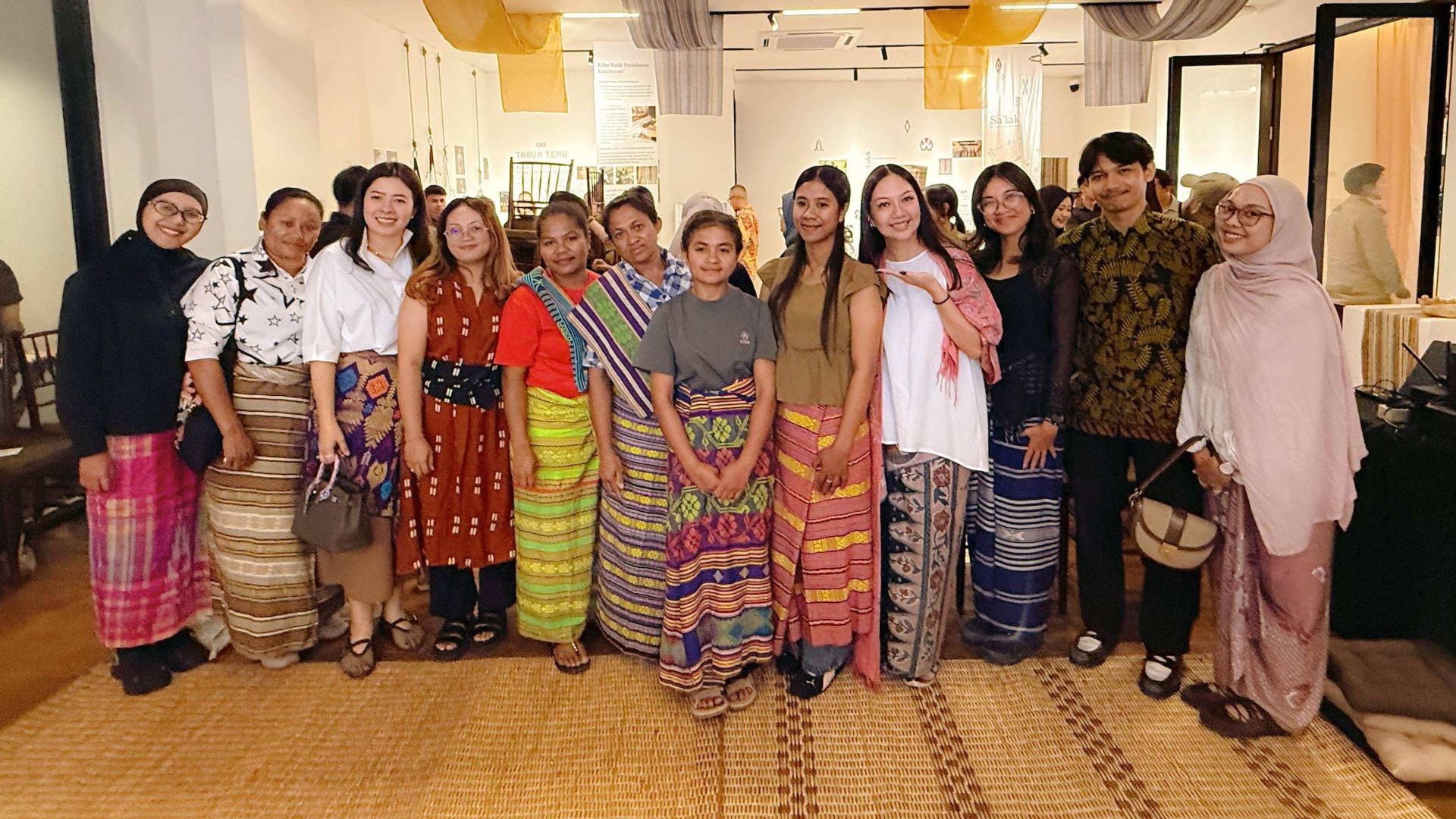
The event also brought several weavers from Mollo to Jakarta, including Marlinda Nau, better known as Mama Fun, who coordinates the weaving group and shared stories about the work behind each piece of cloth.
A Collaboration Rooted in Mollo's Weaving Tradition
The collaboration began in December 2024, when the EIGER team met with Sepatokimin Initiative to learn more about the lives of Mollo's weavers and explore opportunities to work together.
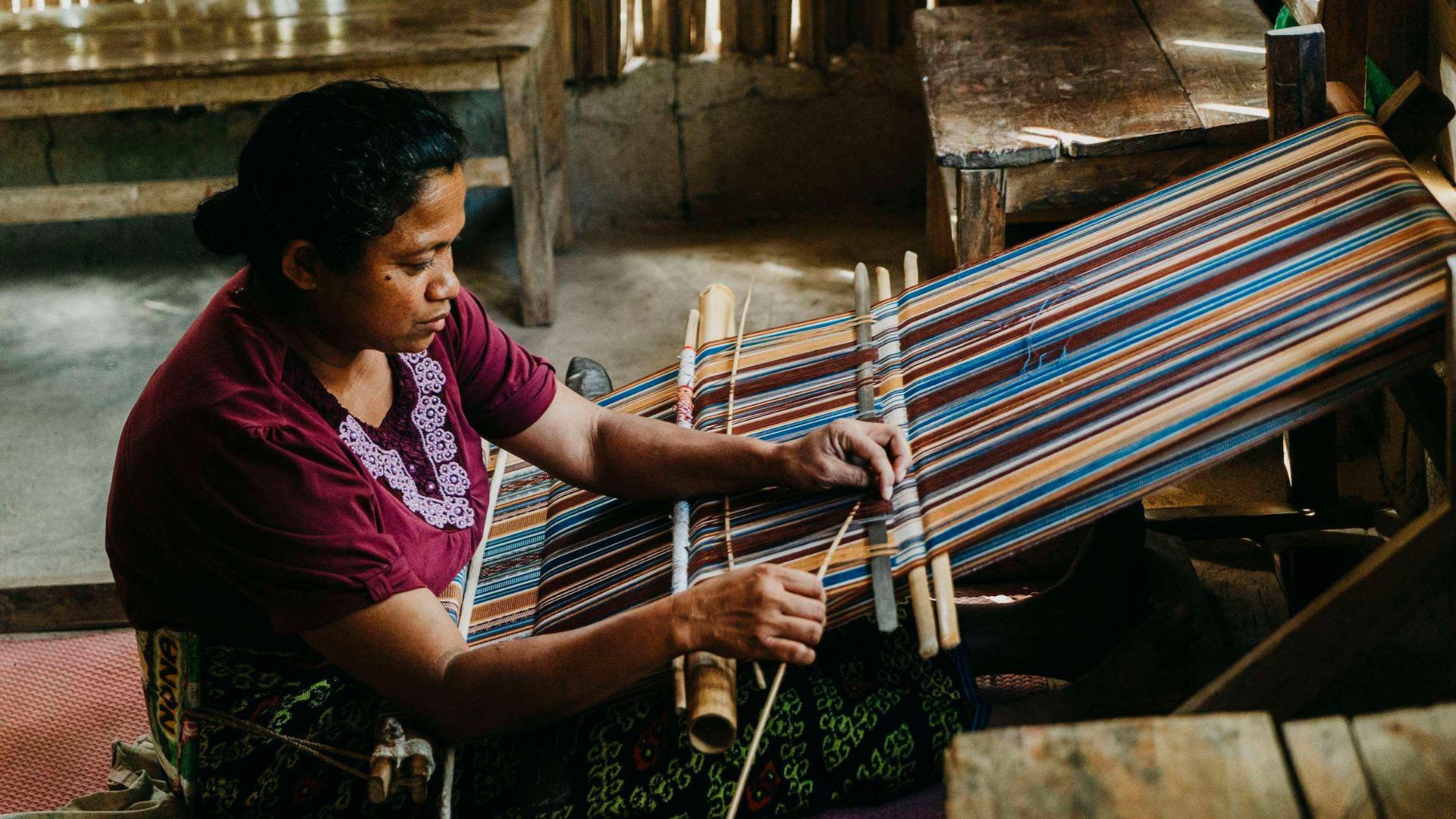
For EIGER Women, the appeal of Mollo weaving went beyond the beauty of its textiles. Each piece reflects the skills, knowledge, and life stories preserved by the women who make them.
“When we first encountered Mollo weaving, we saw more than the beauty of the textiles. We also saw the skills, knowledge, and life stories preserved by the mothers and young women who weave them,” said Agnes Lukito, Business & Supply Chain Director at EIGER Adventure.
“Through Tabua Tenu, we want to introduce their work to a wider audience while creating opportunities for collaboration that bring benefits to the women behind it,” she added.
Turning that vision into a collection took months of joint work. The weavers, Sepatokimin Initiative, and EIGER Women's product team worked together to develop the designs, producing and evaluating various samples before agreeing on the final patterns.
One of the most visible adaptations is the colour palette. While Mollo textiles are often associated with bright colours, Tabua Tenu uses earthy tones that better reflect EIGER Women's design identity. New motifs were also developed collaboratively, with consideration for traditional Mollo patterns, which carry their own meanings and customary rules.
Gabriella Manurung of Sepatokimin Initiative said that respect for local knowledge and traditions had to remain central throughout the process.
“From the beginning, we wanted to ensure that this collaboration was rooted in respect for the knowledge and traditions that have been part of Mollo's life for generations,” she said.
She explained that the motifs were developed through discussions and adjustments between the parties. This allowed the designs to meet the needs of the products while remaining mindful of the cultural context of the weaving community.
The Women Behind Every Piece of Cloth
Once the designs were agreed upon, dozens of women from North Mollo, Central Mollo, Polen, and Tobu took part in producing the Tabua Tenu collection. The work ran from January to September 2026, coordinated by Mama Fun and the Sepatokimin Initiative team.
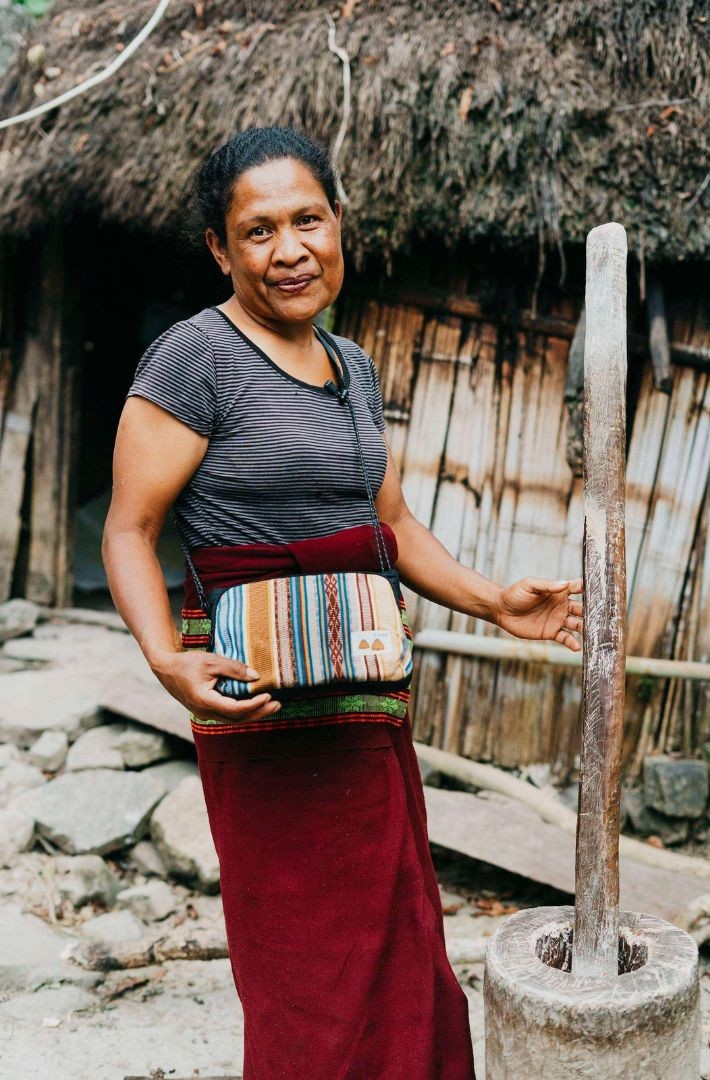
For the weavers, making the collection meant fitting their work around the responsibilities of daily life. They divided their time between weaving, caring for their families, gardening, taking part in customary activities, and, for some of the younger participants, attending school.
These everyday routines are also part of the story behind Tabua Tenu. Each piece of cloth reflects the skills and knowledge of women who continue to sustain Mollo's weaving tradition within their communities.
Through the exhibition, EIGER and Sepatokimin Initiative aim to bring that story to a wider audience. The collaboration offers an example of how local knowledge can meet the modern industry, while keeping the communities behind the tradition involved in shaping how their craft is represented.


