


Jakarta’s historic Kota Tua district became an international classroom on 11 November 2026, as the second day of the ICOM CECA Annual Conference brought museum professionals, educators and researchers into five museums across the old city. Instead of gathering in a single conference hall, delegates moved between heritage buildings for parallel research sessions, thematic presentations and workshops—turning the surrounding streets into part of the learning experience.
The programme was part of the conference, held from 10 to 14 November under the theme “Museums in Divided Times: How to Foster Dialogue, Caring and a Sense of Belonging?” With delegates from 35 countries, the gathering created opportunities to exchange international practices while exploring Jakarta’s own cultural landscape.
Five Museums, One Walkable Conference
The idea behind the second day was distinctive: use Kota Tua itself as the conference venue. Sessions took place simultaneously at Museum Bank Indonesia, Museum Mandiri, Jakarta History Museum, Museum Wayang and the Museum of Fine Arts and Ceramics. Their proximity allowed participants to walk between locations, discover different collections and enjoy the district’s historic architecture along the way.
This format gave the conference a sense of place that a conventional hotel or auditorium programme could not easily replicate. Delegates were not simply discussing heritage inside museum walls; they were moving through a historic urban district where buildings, streets, businesses and everyday activities also formed part of the cultural experience.
Museum Bank Indonesia Turns Research into Visitor Experience
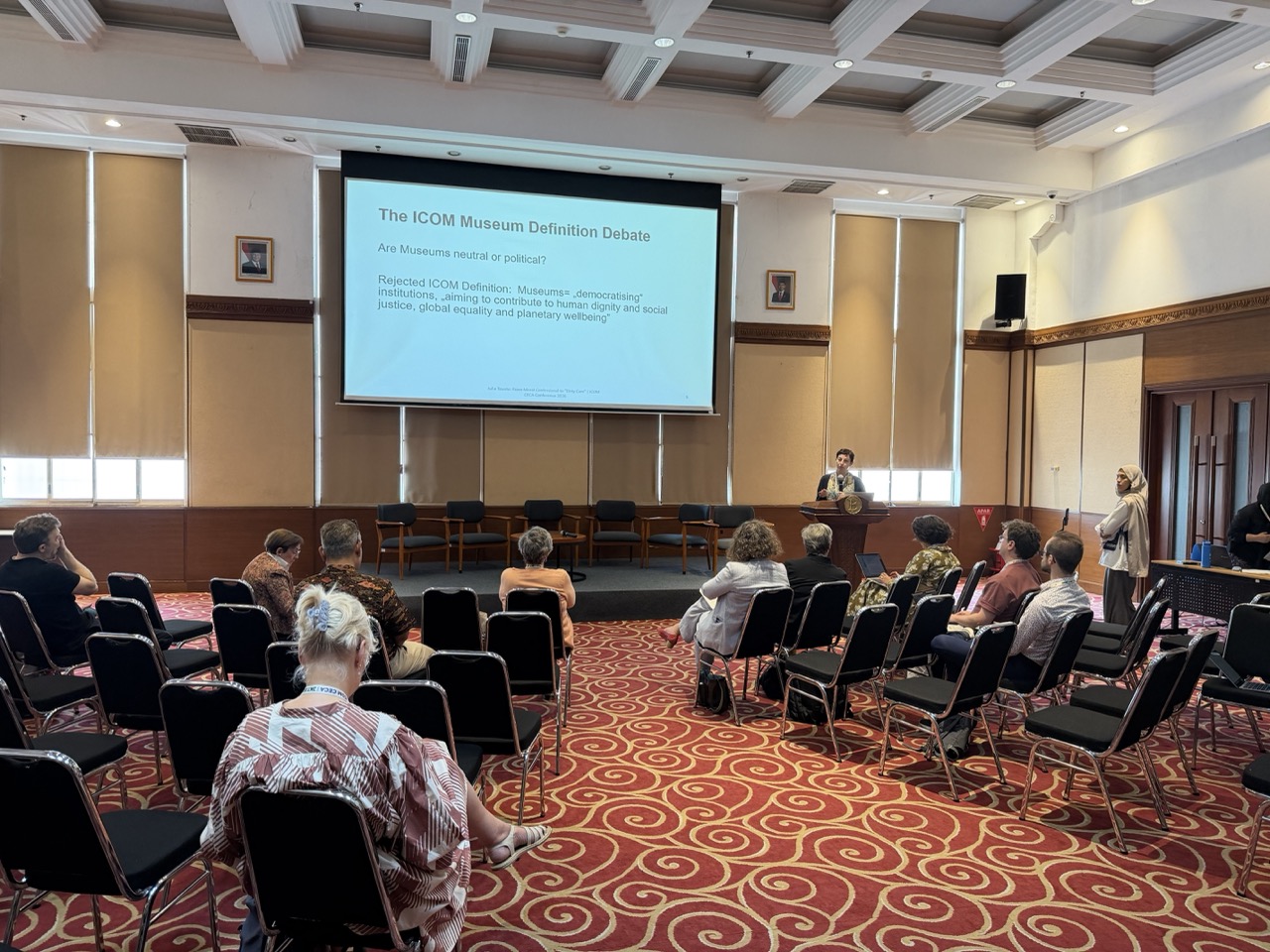
At Museum Bank Indonesia, the programme opened with a coffee talk bringing participants together with museum leaders, including representatives of ICOM CECA, ICOM Indonesia, Museum Bank Indonesia, Museum Mandiri and Jakarta’s museum management units. The conversation offered an opportunity to exchange perspectives on museum leadership and the evolving role of cultural institutions.
The research sessions that followed explored how museums can make learning more engaging and accessible. Presentations examined topics such as audiovisual guides, play-based curatorial strategies, multilingual heritage interpretation, visitor memory and emotional connections with museum spaces. Researchers from Indonesia and countries including Taiwan, Germany, the United Kingdom, the United States, France, Canada, Spain and Chile shared different approaches to museum education and audience engagement.
One presentation by Indonesian researcher Detty Fitriany, from Institut Teknologi Bandung, examined how memory, historical imagination and personal reflection shape visitors’ attachment to Museum Bank Indonesia. Other contributions considered how digital tools and inclusive educational practices could help museums connect with wider audiences.
Jakarta History Museum Becomes a Marketplace of Ideas
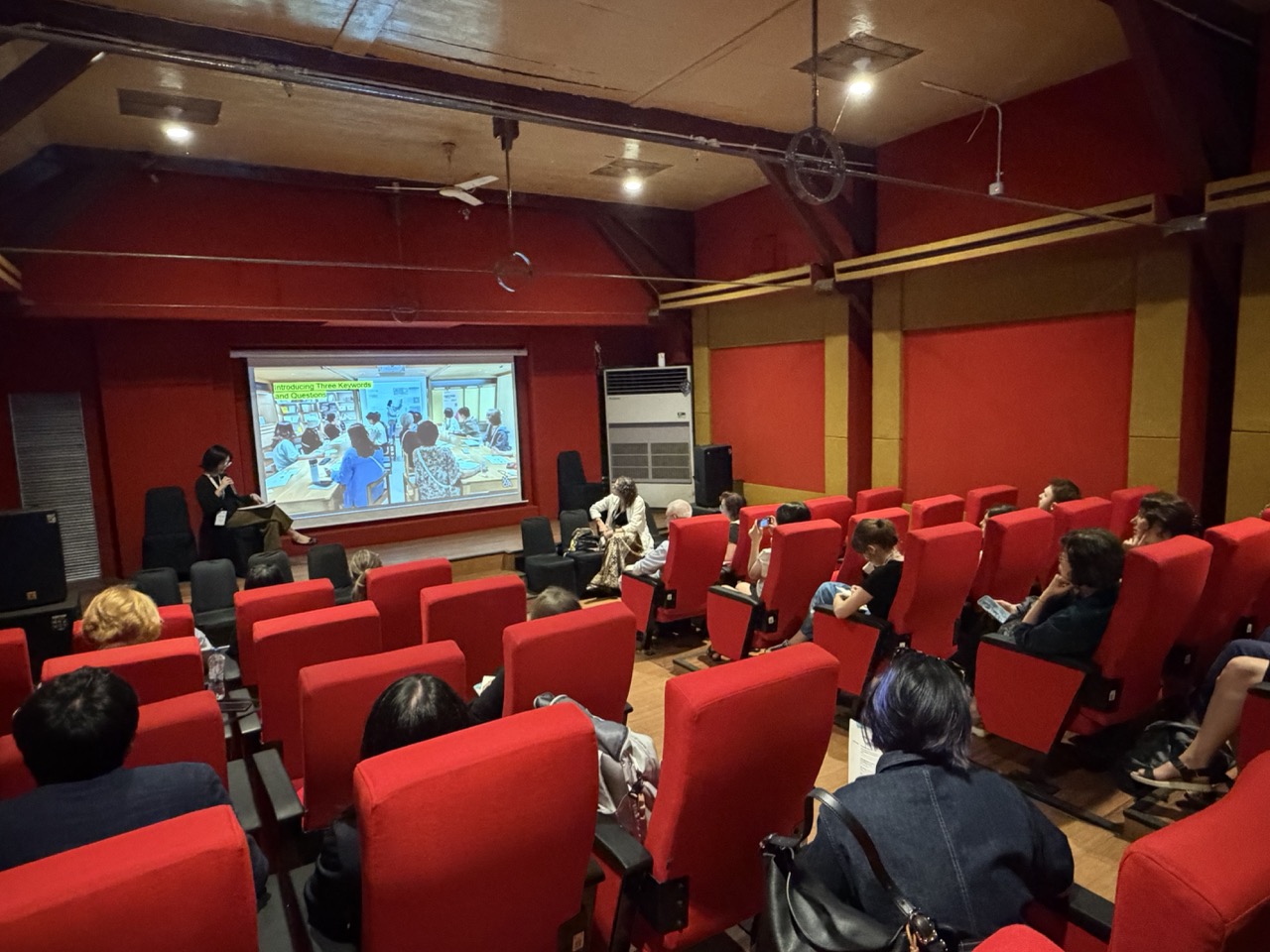
At Jakarta History Museum, the Market of Ideas session brought together proposals from museum practitioners and cultural institutions across several countries. The presentations explored how museums can respond to contemporary social challenges through community participation, inclusive education, storytelling and creative outreach.
Among the Indonesian contributions was “Kotaku Museumku, Kampungku Museumku: The Village Museum as the Vanguard of Cultural Preservation,” presented by Dr. Ahmad Nuralam of Museum Negeri Nusa Tenggara Barat and Yuli Andari Merdikaningtyas of Museum Bala Datu Ranga. The initiative highlighted the potential of village museums to protect local heritage, strengthen community identity and develop cultural tourism.
Explaining the purpose of the session, Nuralam said it brought forward “outstanding ideas about the role of museums in inclusive education and how cultural values can be translated into practical action.” The presentation demonstrated how museum education can extend beyond established institutions to reach communities at the village level.
Other ideas addressed decolonising museum practices, school visits to cultural institutions, museum outreach, railway heritage and the interpretation of difficult histories. Together, they showed how museums in different countries are experimenting with ways to make their collections and programmes more relevant to everyday life.
Museum of Fine Arts and Ceramics Connects Art with Belonging
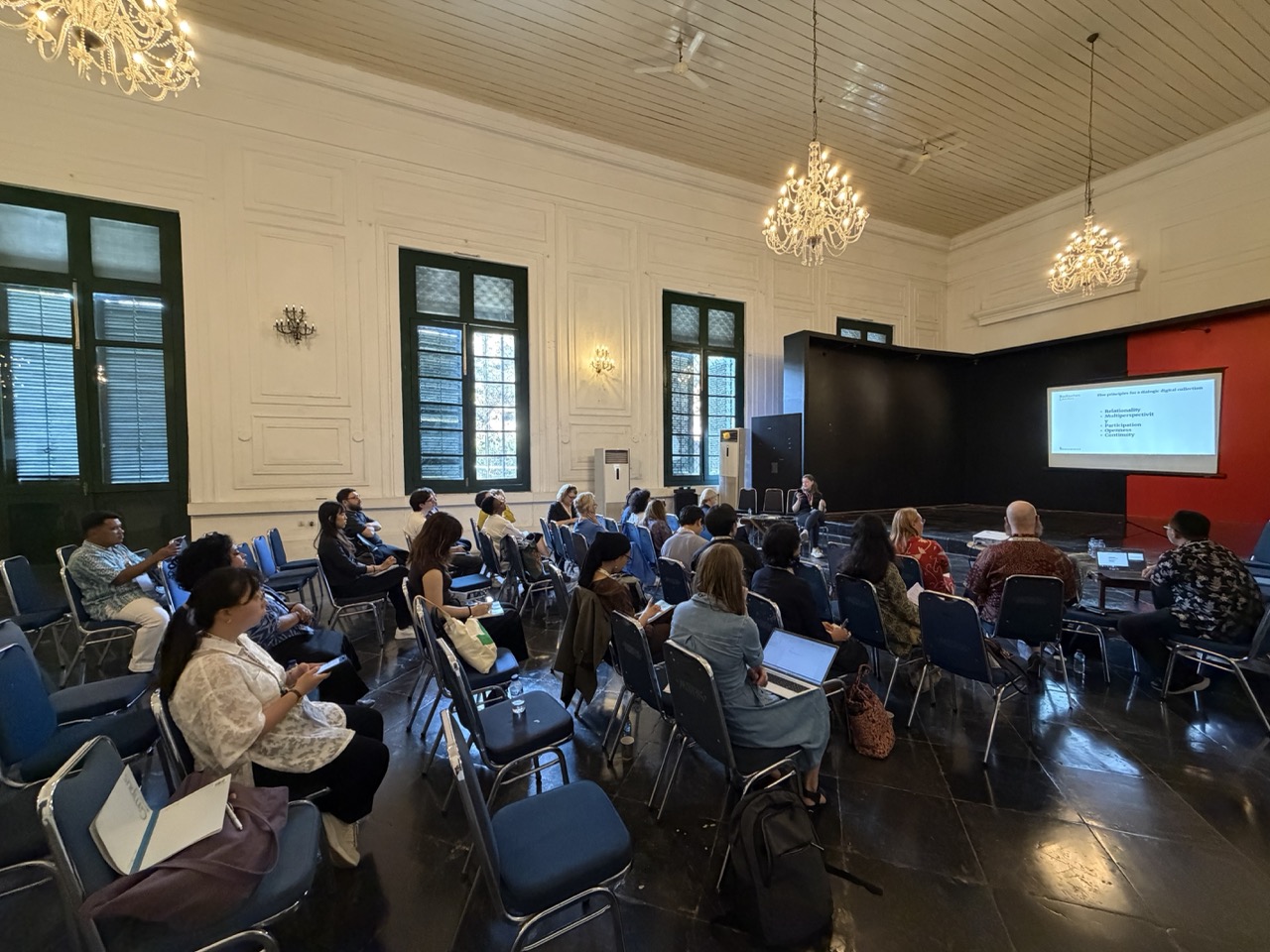
At the Museum of Fine Arts and Ceramics, thematic paper sessions explored the relationship between art, identity, reflection and community engagement. Presenters from the United Kingdom, India, Russia, South Korea, Germany and Belgium discussed how museums can encourage dialogue and create a stronger sense of belonging.
Topics included collaborative curation, visitor-centred learning, exhibitions that travel beyond museum walls, and the use of digital collections to connect people, objects and stories. Other presentations considered how museums can sustain living heritage by working more closely with local communities and giving different voices a place in the interpretation of cultural collections.
The setting was particularly fitting. Surrounded by artworks and objects that reflect different periods and artistic traditions, participants considered how museums can make cultural heritage meaningful to visitors today—not simply by displaying objects, but by creating opportunities for people to interpret, question and connect with them.
Wayang Museum Highlights Participation and Co-Creation
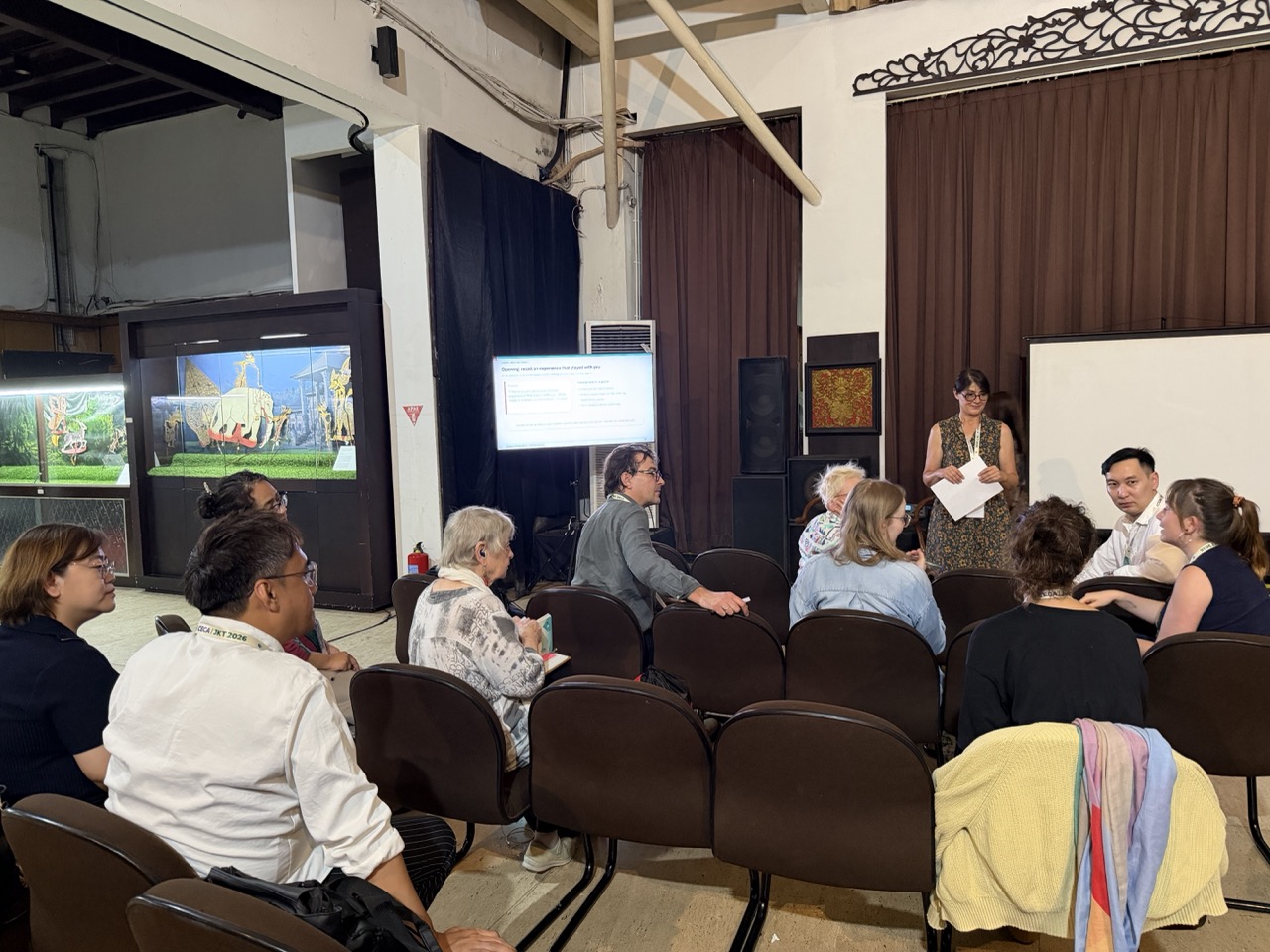
The Wayang Museum hosted workshops focused on inclusive museum practices, children's participation and collaborative learning. Inge Duytschaever of FeliX Art and Eco Museum in Germany introduced an approach to facilitating dialogue in museums, while Asmah Alias of Children's Museum Singapore and HeritageSG explored how children can become active contributors to museum programmes.
Another workshop, led by Floor van Hulsen and Femke Awater of Amsterdam Museum, examined co-creation as a sustainable and reciprocal museum practice. Later discussions considered how museum education can connect with audiences across different communities without losing sight of local identities.
These sessions complemented the museum's own cultural setting. Wayang is a living Indonesian art form, and the museum provided an especially relevant backdrop for conversations about how traditional cultural expressions can remain accessible and engaging for new generations.
Museum Mandiri Explores the Future of Museum Professionals
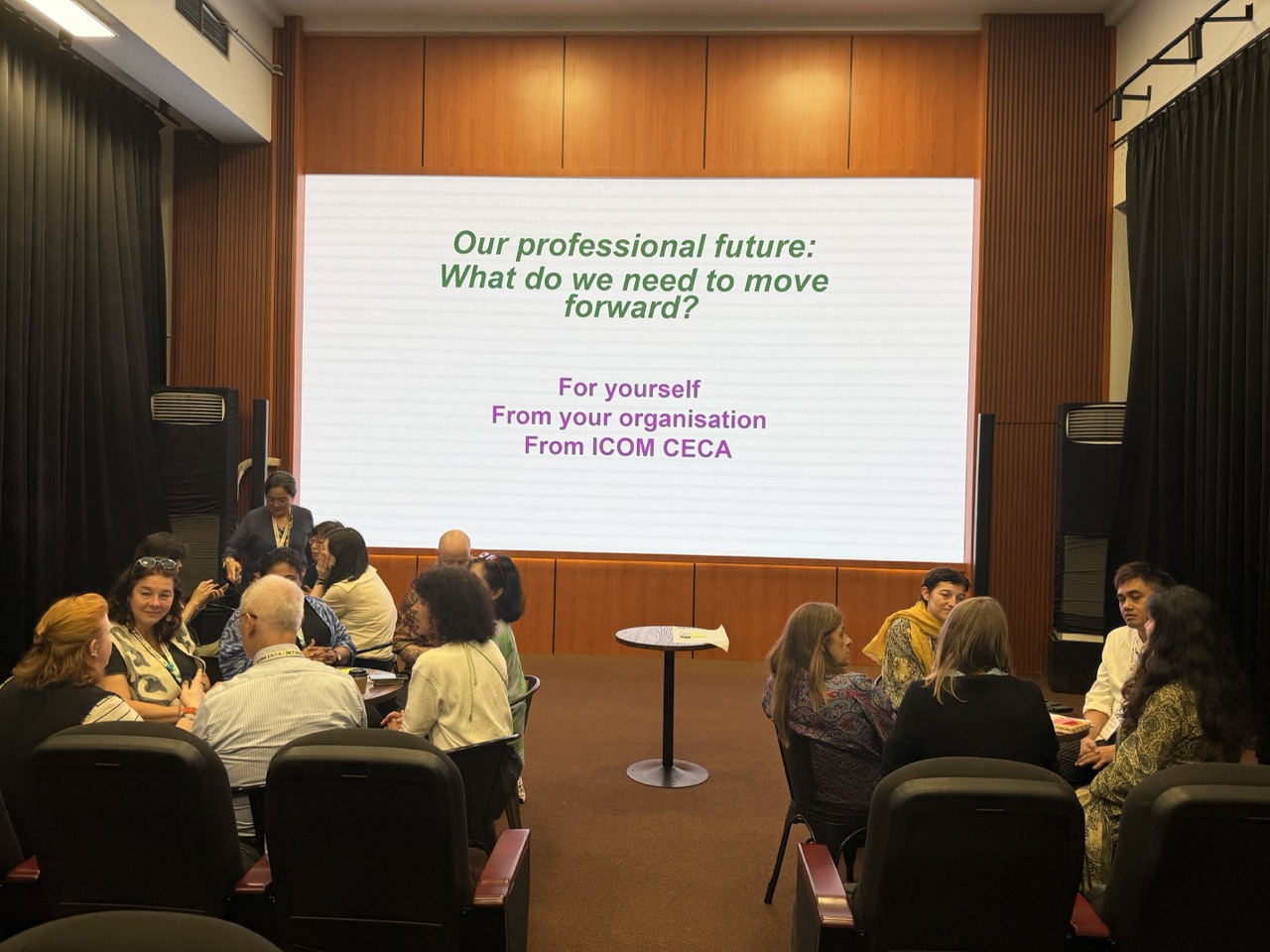
At Museum Mandiri, the afternoon programme shifted towards professional development and the working culture of museums. Two Special Interest Group workshops addressed challenges faced by museum educators and emerging professionals.
One session, led by Wencke Maderbacher of the Natural History Museum Aarhus in Denmark, considered how museum educators can facilitate learning and dialogue in divided times. Another, coordinated by Angela Manders of ArteKino in the Netherlands, focused on creating physically and mentally safe spaces for young museum professionals.
The discussions reflected a central concern of the conference: museums need not only to preserve collections but also to create environments where staff, visitors and communities feel respected, included and able to participate.
When the Streets Become Part of the Museum Experience
Although guided museum tours had been included in the original programme, they were cancelled because of the limited time between the day's workshops and the evening reception at Art:1 New Museum. Participants nevertheless had opportunities to explore the museums independently during breaks and between sessions.
For some, the discoveries extended beyond the collections. One Canadian participant recalled walking through Kota Tua and noticing someone running a furniture shop. The participant viewed this everyday activity as another form of cultural preservation: while delegates were discussing heritage inside museum spaces, examples of living culture could also be found in the surrounding neighbourhood.
It was a simple but meaningful observation. Heritage is not confined to objects behind glass or stories presented in exhibition halls. It can also be found in traditional skills, local businesses, familiar streets and the daily activities through which communities maintain their identities.
From Kota Tua to Art:1, Experiencing Jakarta on the Move
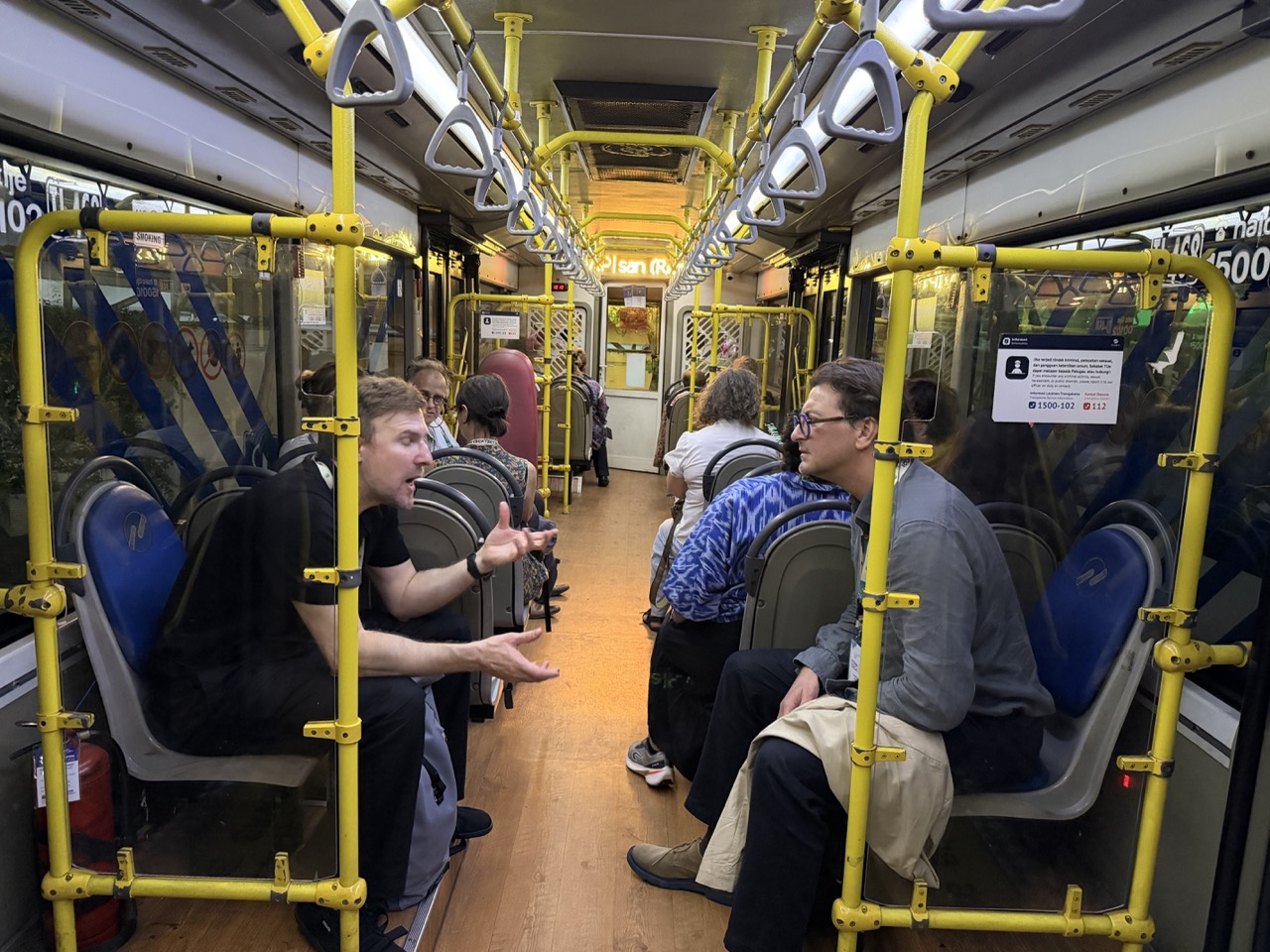
After the sessions, participants travelled from Kota Tua to Art:1 New Museum using TransJakarta buses provided with support from the Jakarta Transportation Department. The transfer offered international delegates a practical introduction to Jakarta's public transportation system, adding an urban experience to the day's cultural programme.
For participants who were visiting the city for the first time, the journey offered a glimpse of how Jakarta connects different neighbourhoods and cultural destinations. It also highlighted the relationship between public transport and cultural accessibility: museums become easier to discover when visitors can move between them through a functioning urban mobility network.
Art:1 New Museum Brings the Day to a Cultural Close
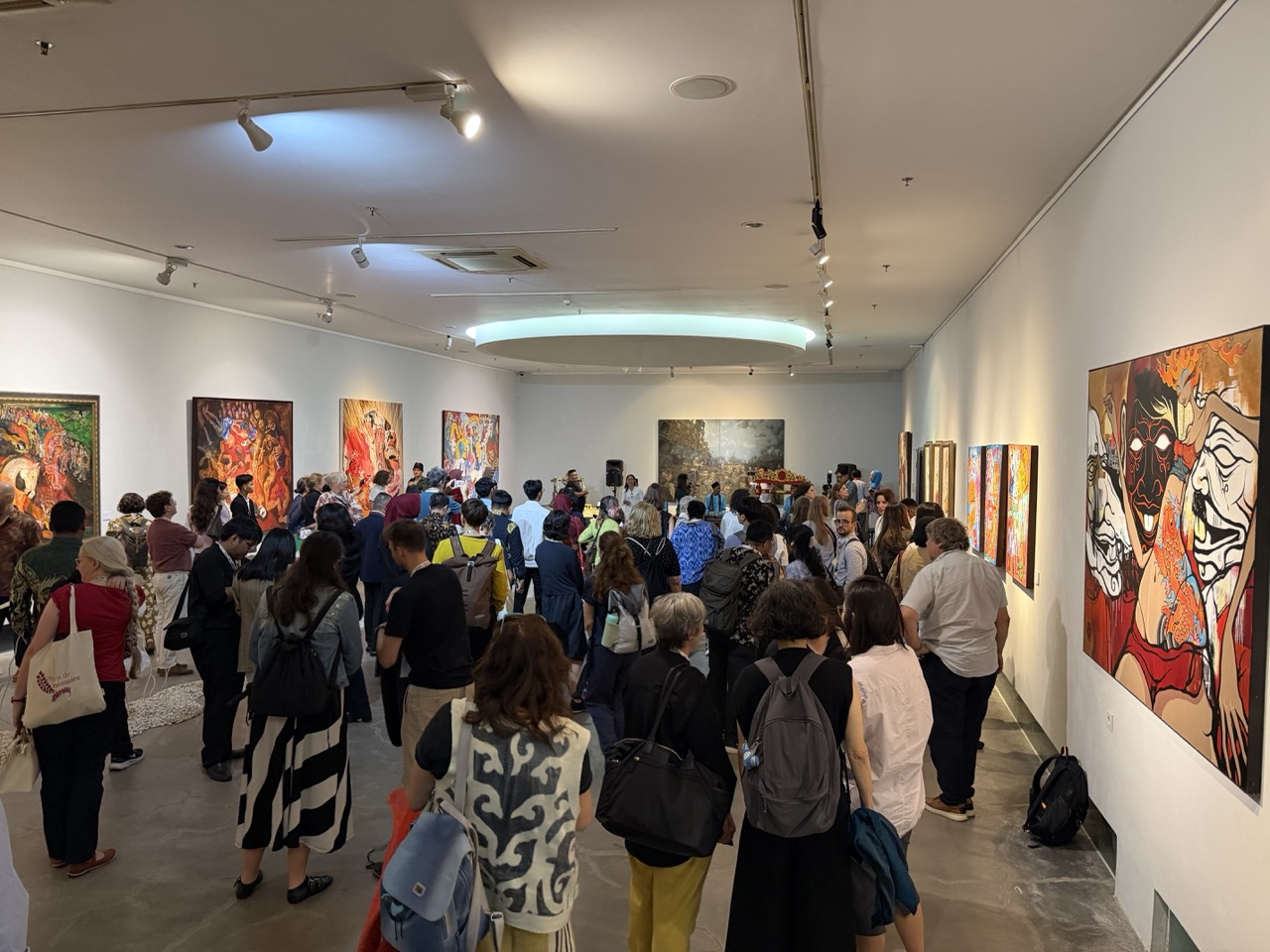
The evening reception at Art:1 New Museum offered a more relaxed setting after a full day of presentations and workshops. Participants were welcomed with traditional Jakarta dance and music performances, bringing local cultural expressions into a contemporary gallery environment.
A buffet dinner hosted by the museum gave delegates time to explore the space, meet fellow participants and continue conversations beyond the formal sessions. Researchers, museum directors, educators and cultural practitioners could exchange ideas, establish professional connections and discuss potential collaborations in a more informal atmosphere.
The evening brought together two sides of the conference: international professional exchange and direct encounters with Indonesia's cultural heritage.
A Local Heritage Story with Global Connections
The scale of the discussion reflects the growing importance of museums worldwide. UNESCO estimates that there were approximately 104,000 museums around the world in 2021, highlighting their role in preserving heritage, supporting education and encouraging intercultural dialogue. In Indonesia, the Ministry of Culture reported 516 museums as of April 2026. Of these, 373 had been registered and 234 had received standardisation under Type A, B or C classifications.
The ICOM CECA conference brought this international perspective to Jakarta, welcoming delegates from 35 countries. Organised by Musee ID in collaboration with the Jakarta Provincial Government, Good News From Indonesia and ICOM Germany, with support from ICOM Indonesia, the event created a platform for international knowledge-sharing and cooperation in museum education.
The importance of that collaboration had also been highlighted by Jakarta Vice Governor Rano Karno during the conference's opening ceremony on 10 November. He said: “Museums are more than just places to preserve the past. I want museums in Jakarta to be places where everyone can learn, connect, and experience culture firsthand.”
That vision found a practical expression in the following day's programme. By bringing sessions into several museums, encouraging participants to walk through Kota Tua and introducing them to Jakarta's public transport and contemporary cultural spaces, ICOM CECA 2026 made the city itself part of the learning process.
For one day, Kota Tua was more than a historic destination. It became a shared classroom where international ideas met local stories, and where the experience of heritage continued well beyond the museum walls.


