


In a world increasingly shaped by social divisions, polarization and uncertainty, museums are being invited to do more than preserve objects and tell stories. They are being challenged to create spaces where people can listen, exchange perspectives and discover a shared sense of belonging.
That conversation is at the heart of the ICOM CECA Annual Conference 2026, taking place in Jakarta from 10 to 14 November under the theme “Museums in Divided Times: How to Foster Dialogue, Caring and a Sense of Belonging?” The gathering brings museum educators and professionals from around the world to Indonesia’s capital to explore how museums can strengthen connections across generations, cultures and communities.
A Day of Arrival Before the Global Conversation
The conference began taking shape on Monday, 9 November, with a pre-registration session at the Grand Theatre lobby of Taman Ismail Marzuki. Running from 10:30 a.m. to 5 p.m., the session allowed participants to collect their conference badges and program books ahead of the formal opening.
On that day, the gathering marked an important first step in bringing together an international community of museum educators, researchers and cultural professionals. The conference has attracted delegates from 35 countries, reflecting the global reach of the museum sector and the shared questions facing cultural institutions today.
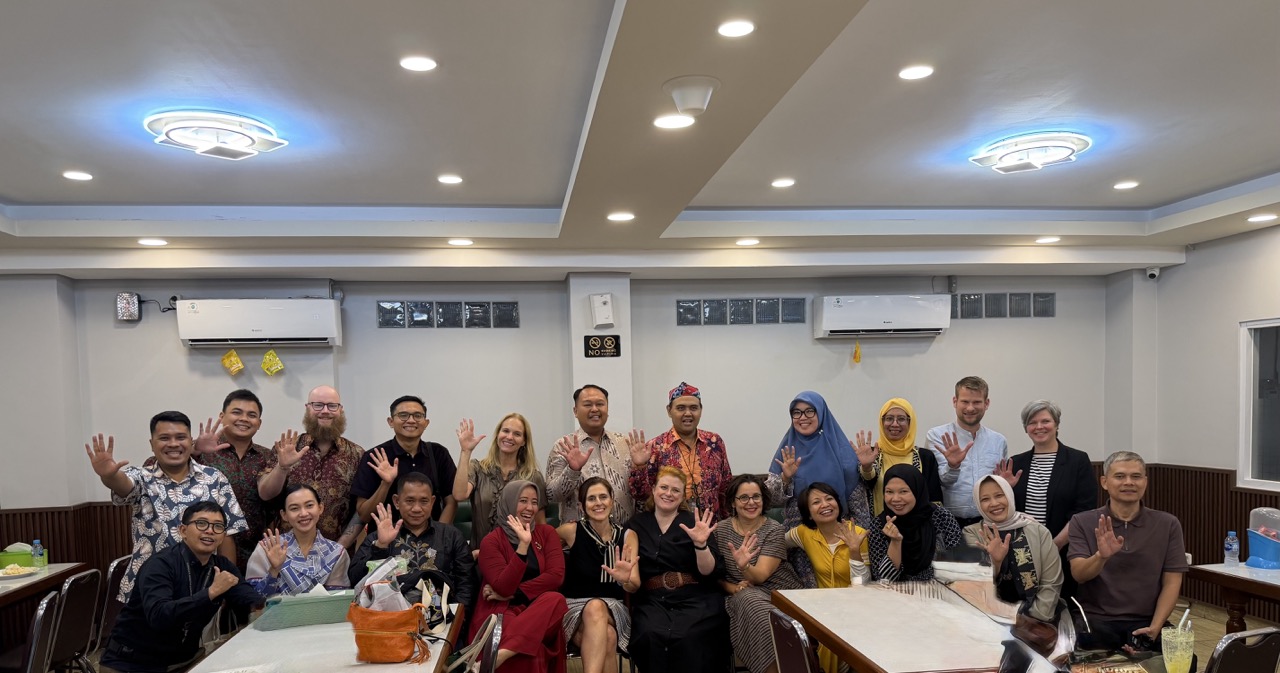
The event is organized by Musee ID in collaboration with the Jakarta Provincial Government, Good News From Indonesia (GNFI), Good News from Southeast Asia (Seasia) and ICOM Germany, with support from ICOM Indonesia. This partnership brings together international museum networks, local government, cultural organizations and media to create a platform for professional exchange.
Jakarta Opens Its Doors to the Museum World
On Tuesday, 10 November, the conference officially opened at the Grand Theatre, with Jakarta Vice Governor Rano Karno delivering the opening remarks on behalf of the provincial government. He welcomed the international delegates and highlighted the role of museums as more than repositories of historical objects: they can serve as places of education, cultural interaction and dialogue among communities.
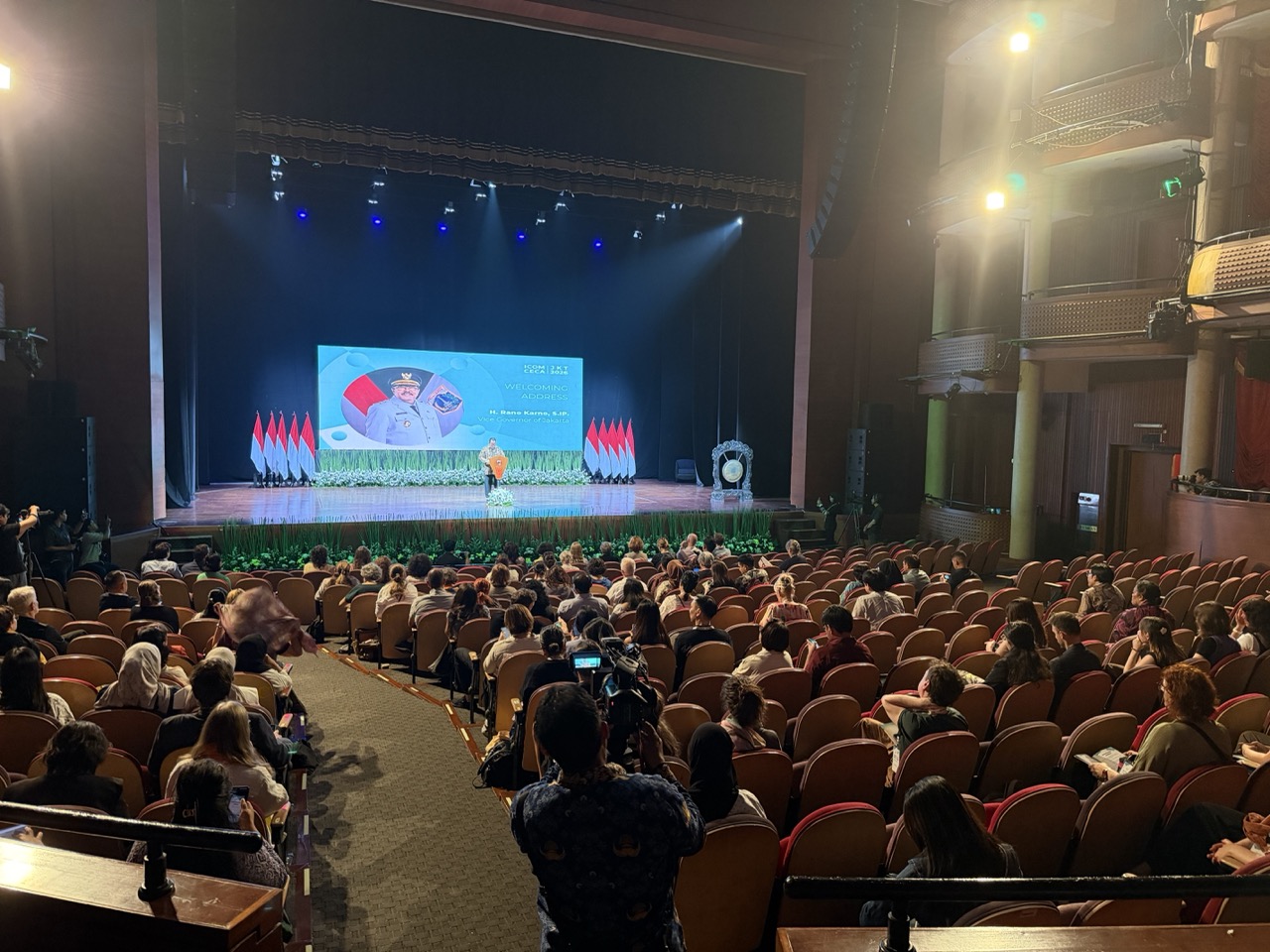
For Jakarta, the theme carries particular significance. The city has grown through encounters between Betawi traditions, cultures from across the Indonesian archipelago and international influences. Its museums offer ways to explore these layered histories while helping younger generations understand the city’s identity.
Rano also invited participants to return in 2027, when Jakarta will celebrate its 500th anniversary. The invitation comes at an important moment for the capital: Jakarta has officially been selected to host the World Cities Culture Summit 2027, bringing cultural policymakers and representatives from more than 50 cities into the city’s international network. The summit will coincide with the five-century milestone, offering another opportunity to showcase Jakarta’s heritage and cultural identity.
The opening program featured welcoming addresses by Nofa Farida Lestari, Founder and Executive Director of Musee ID and an ICOM CECA Board Member; Budi Trinovari, Chair of ICOM Indonesia; Paul Spies, Chair of ICOM Germany; and Wencke Maderbacher, Chair of ICOM CECA.
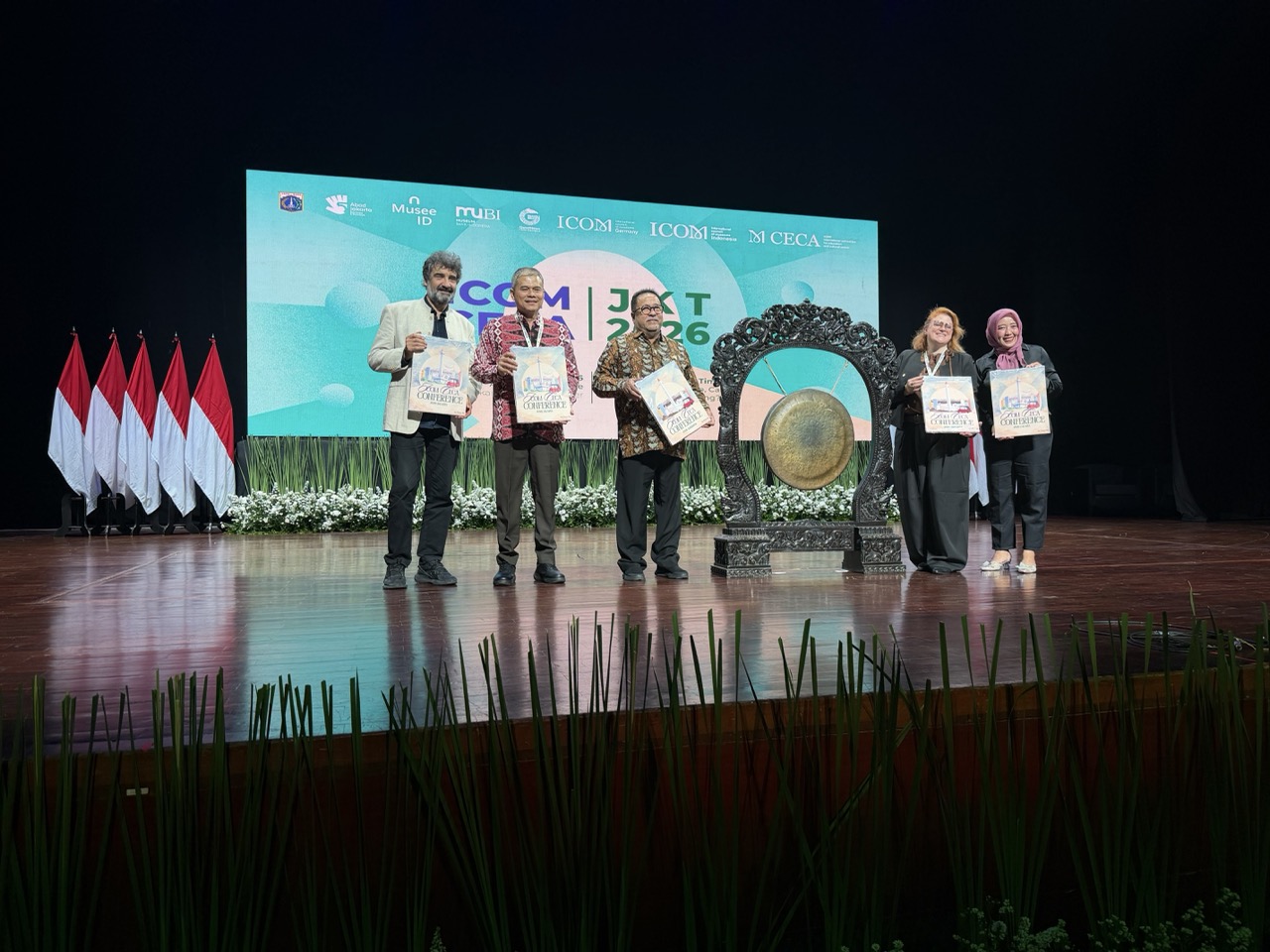
In her remarks to the conference program, Maderbacher captured the purpose behind the gathering: “Museums cannot solve all the divisions in our societies, but we can create opportunities to listen, question, connect and see the world through someone else’s eyes.”
Her message reflects a central idea of the conference: museums may not resolve every social disagreement, but they can help people encounter different experiences and perspectives in a constructive environment.
For Nofa, bringing the international gathering to Indonesia was also a significant achievement after years of preparation and collaboration. “Bringing this global gathering to Jakarta is a milestone we hold close to our hearts,” she stated in her remarks, recognizing the trust and cooperation of the institutions and individuals who helped make the event possible.
From Shared Memories to New Museum Practices
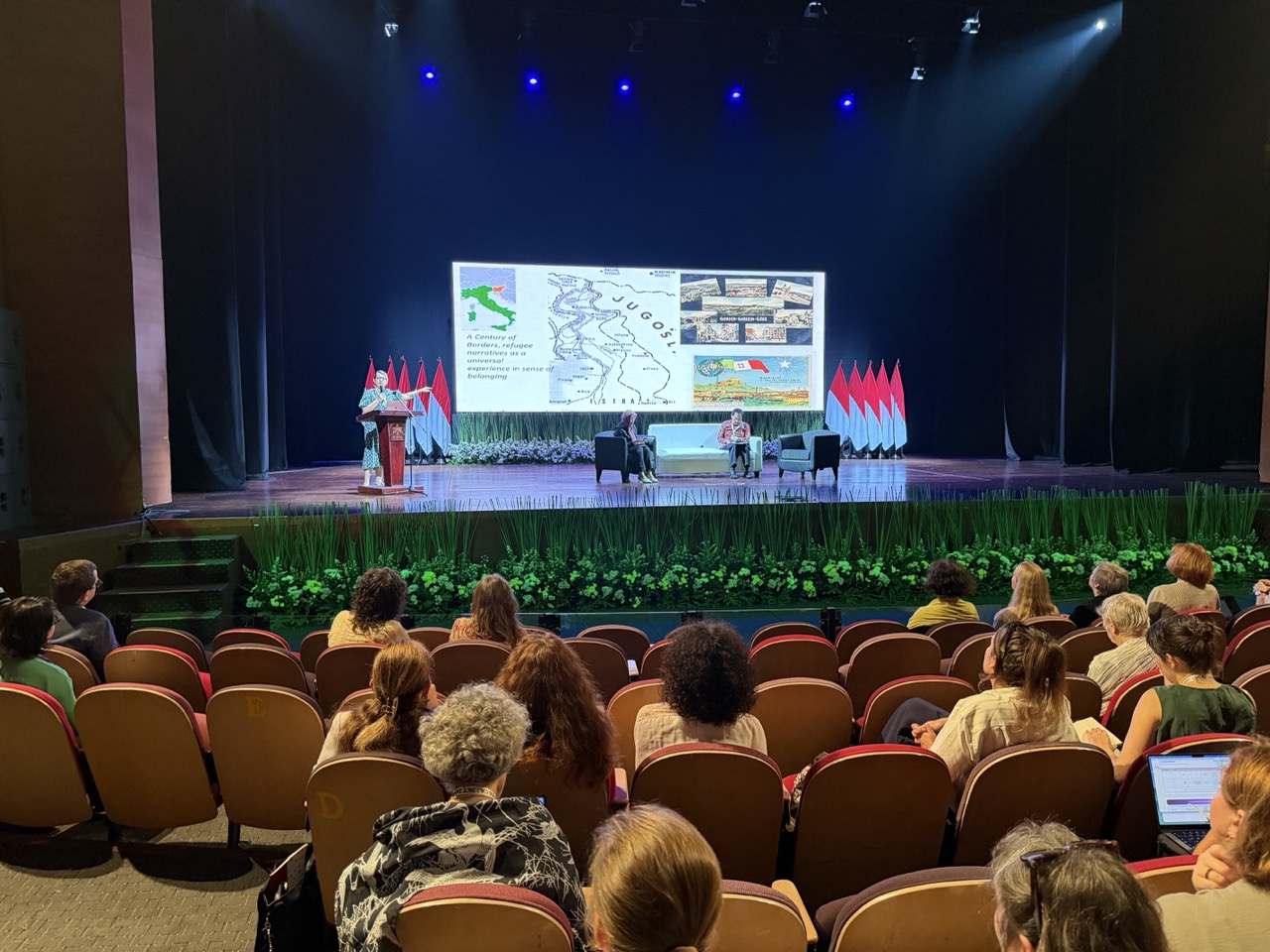
The morning keynote sessions connected the conference’s international theme with the Indonesian museum landscape. Kaja Siroj, an ICOM Executive Board Member, presented “Museums as Connectors: From Divided Memories to Shared Belonging.” The session was followed by Yiyok T. Herlambang, Chairman of the Jakarta Museum Association, with “Indonesian Museums and Collaboration for Impact.”
Together, the keynote topics placed museums at the intersection of memory, identity, education and cooperation. They also brought an important local perspective into the discussion: how Indonesian museums can strengthen their impact through collaboration and more meaningful engagement with the public.
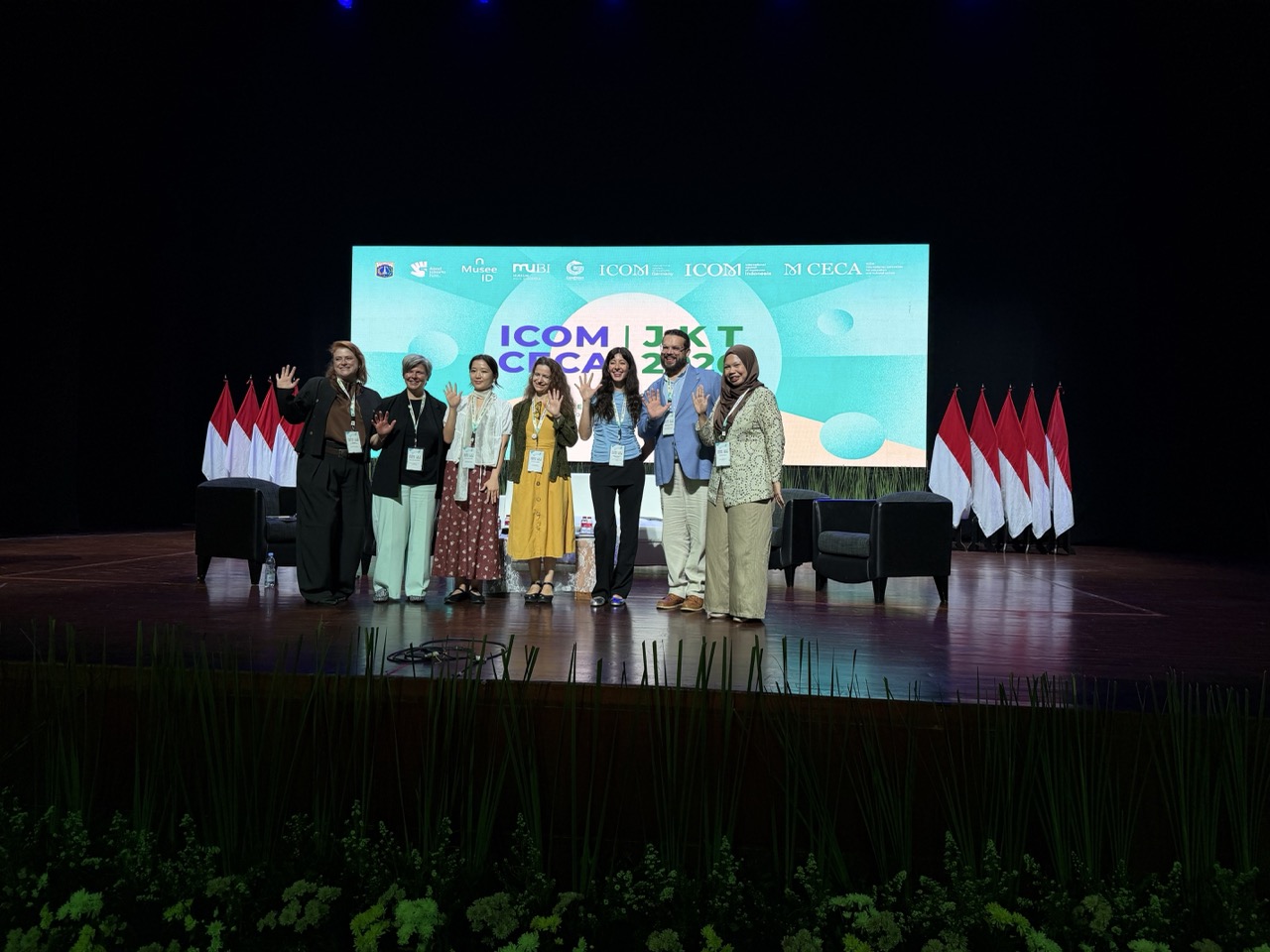
The afternoon continued with two thematic paper sessions, bringing research and practical experiences from museum professionals and cultural institutions in countries including Germany, Greece, Portugal, South Korea, Canada, Singapore, Brazil, Estonia and the Philippines.
The presentations explored a wide range of approaches, from empathy-based museum education and community curation to youth participation, inclusive interpretation and the humanization of histories shaped by colonial encounters. Other contributions considered how museums can use storytelling, animation and cultural mediation to make learning more accessible and personal.
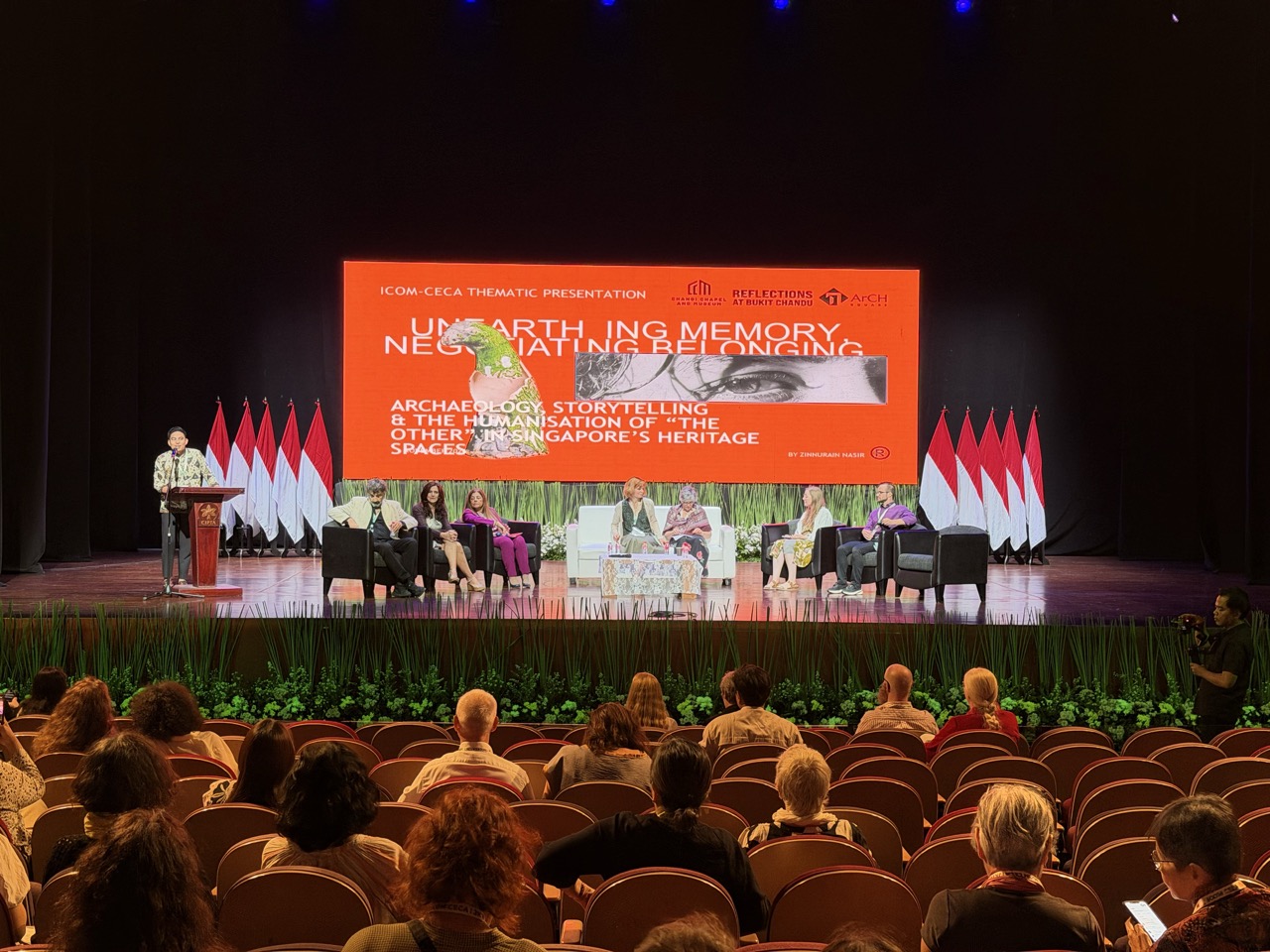
These examples gave the conference a practical dimension. Rather than treating dialogue and belonging as abstract ideals, presenters examined how museums can translate them into exhibitions, educational activities, visitor experiences and community partnerships.
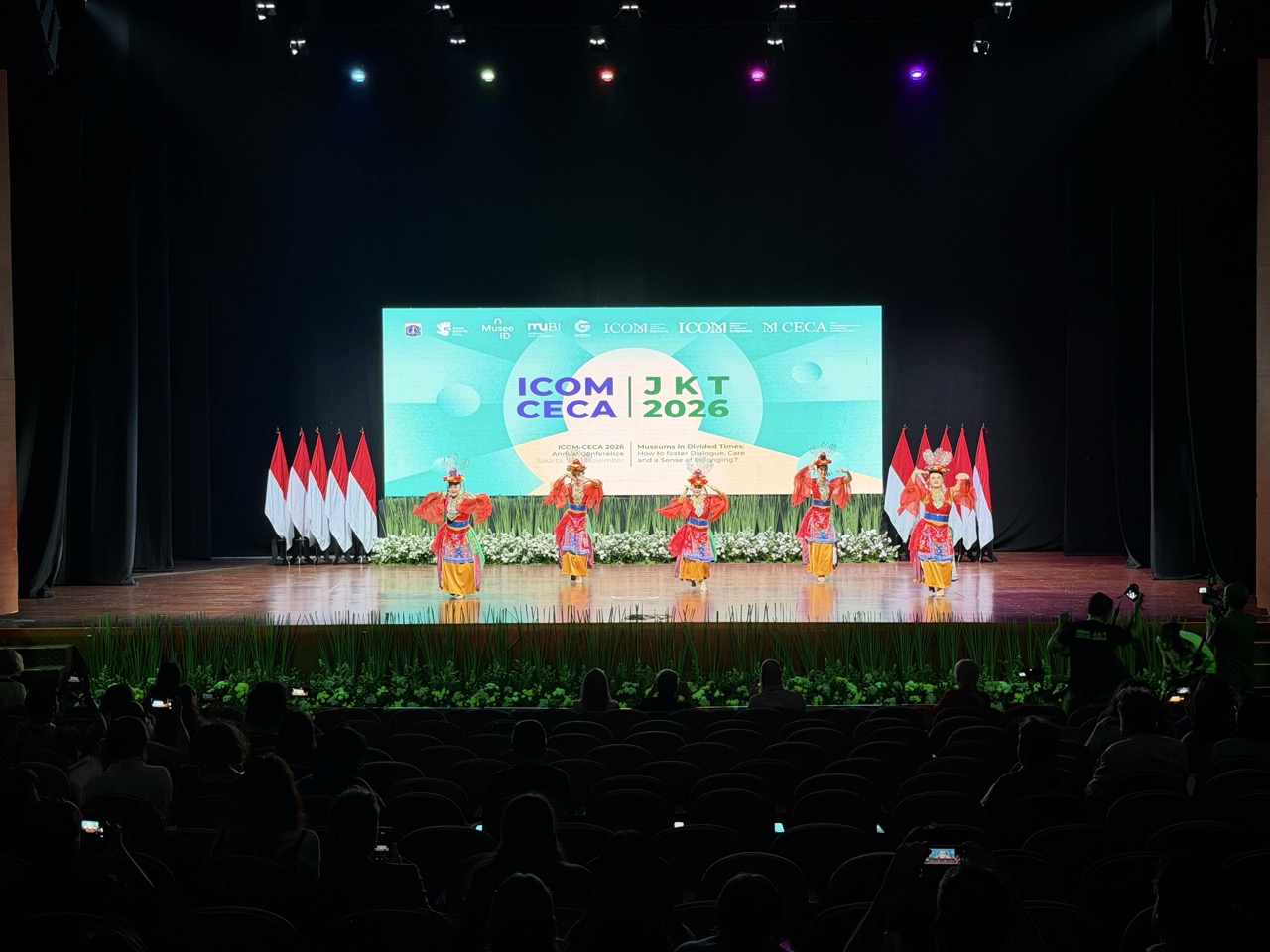
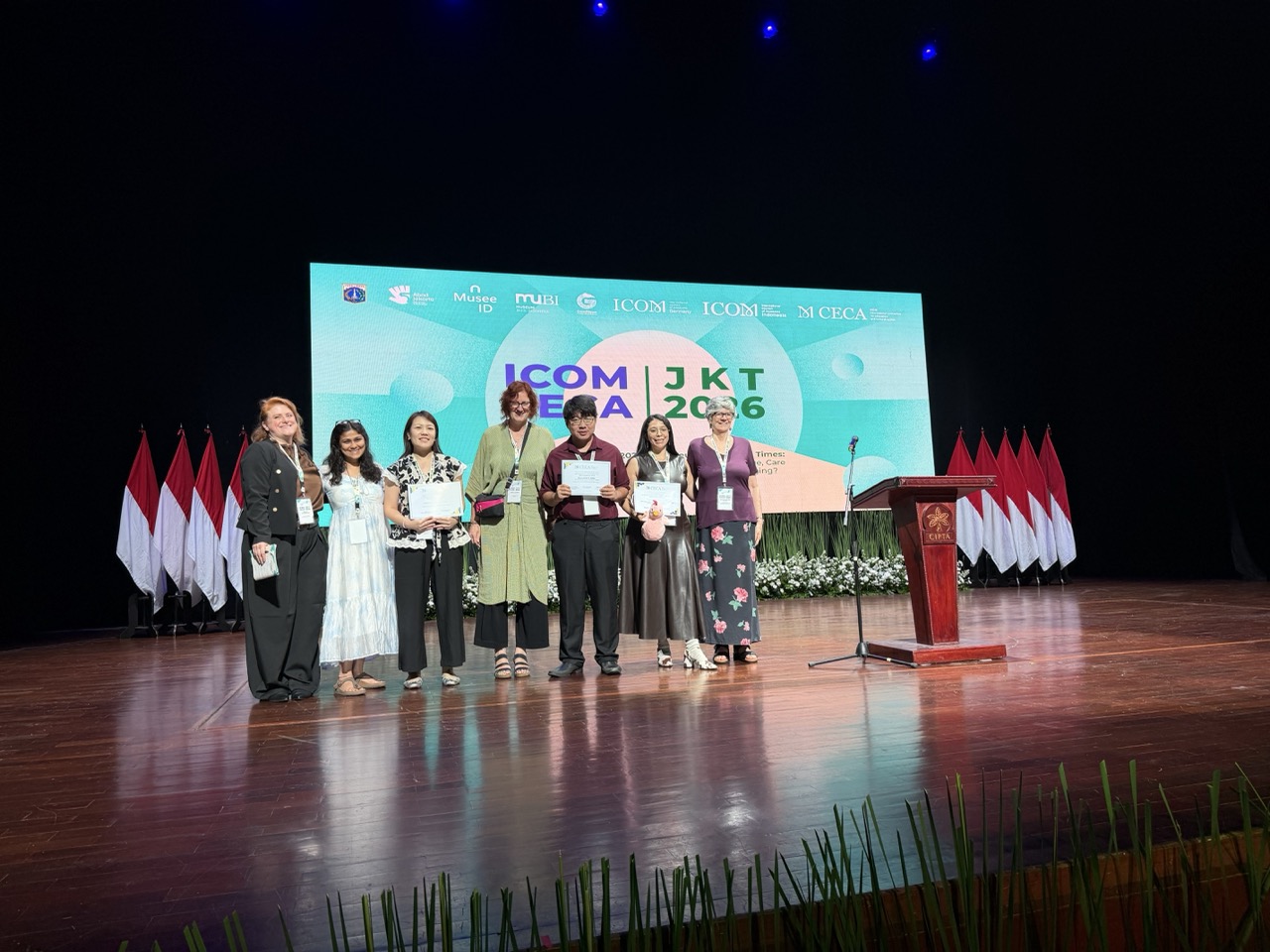
Before the awards presentation and ceremony, participants were welcomed by a traditional Jakarta dance performance, adding a local cultural expression to the international gathering. The ceremony recognized achievements across three categories: the Best Practice Award, Research Award and Young Members Network Award.
Why the Conversation Matters for Indonesia
The conference also arrives at a significant time for Indonesia’s museum sector. Data from the Ministry of Culture show that the country had 516 museums as of April 2026. Of these, 373, or 72.3 percent, had been registered, while 234, or 45.3 percent, had achieved Type A, B or C standardization. These figures point to a broad museum landscape, alongside the continuing need to strengthen institutional capacity, professional standards and public engagement.
Public interest offers another reason to invest in the sector. The Ministry of Culture reported 4.32 million visits to museums and cultural heritage sites under its management during 2025. The figure highlights the potential of museums and heritage destinations to connect people with history, education and cultural experiences.
The international context is equally significant. UNESCO estimates that there were approximately 104,000 museums worldwide in 2021, compared with 22,000 in 1975. Meanwhile, the International Council of Museums (ICOM) has more than 60,000 members across 139 countries and territories, while ICOM CECA itself connects more than 1,200 professionals working in museums, universities and related institutions.
These networks demonstrate why international cooperation is important. Museums may differ in scale, resources and historical context, but they share challenges in making collections relevant, reaching diverse audiences and developing educational approaches that respond to changing societies.
Building Connections Beyond the Conference Hall
The collaboration behind the Jakarta conference extends beyond its principal organizers. In her foreword, Nofa also acknowledged the contributions of the Indonesian Heritage Agency, AMIDA Jakarta, AMIKA TMII, Art1 New Museum, Museum Bank Indonesia, Museum Bank Mandiri and Galeri Demono. GNFI and Seasia were recognized as media partners helping to bring the conference’s stories to wider audiences.
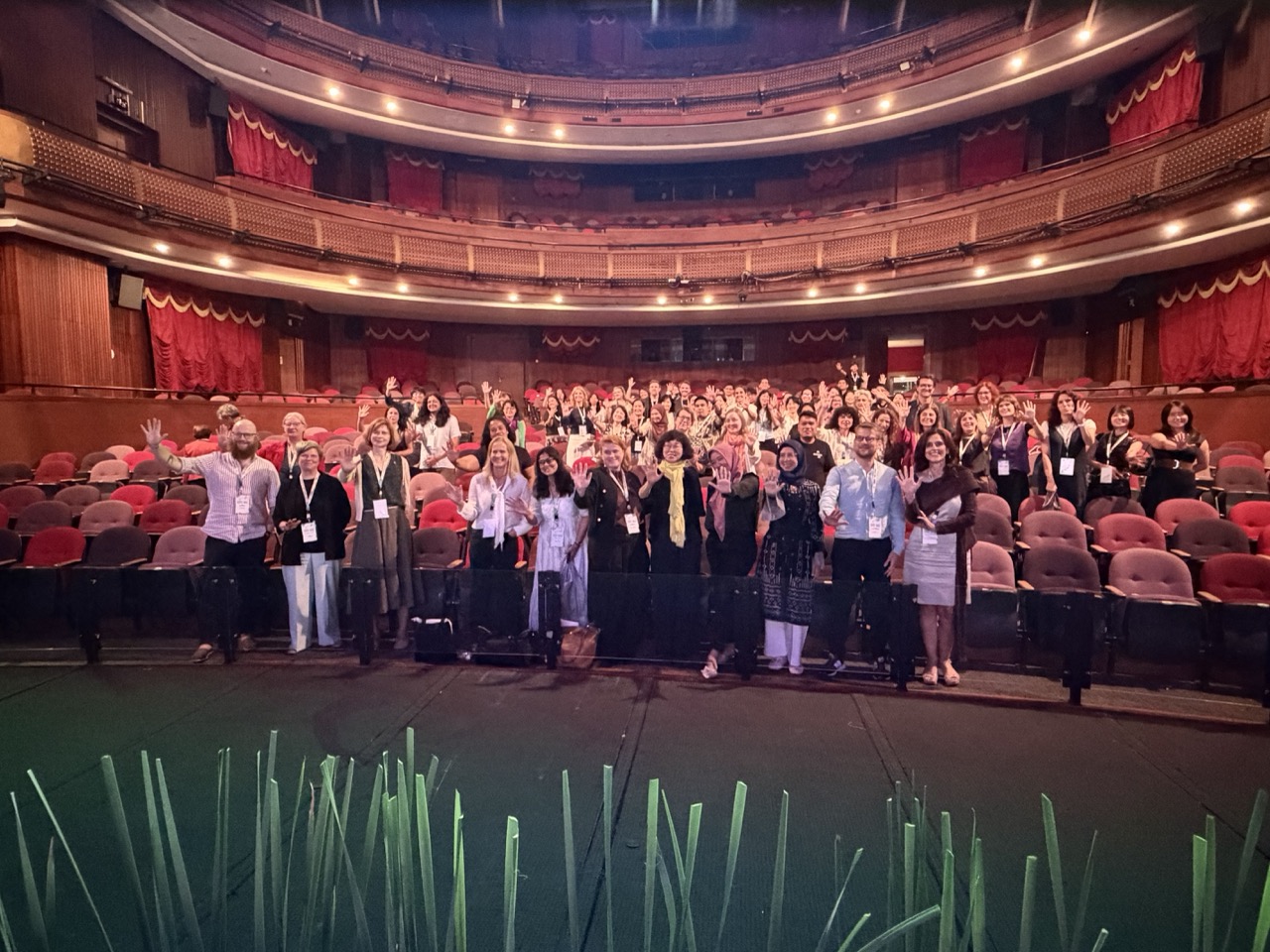
The program itself is designed to connect international discussions with the city’s cultural landscape. Following the opening at Taman Ismail Marzuki, participants are scheduled to visit museums in Kota Tua, including Museum Bank Indonesia, Jakarta History Museum, Museum of Fine Arts and Ceramics, and Wayang Museum. Further activities will bring delegates to Museum Bahari, cultural workshops and other heritage destinations, with excursions to sites including the Indonesian Miniature Park (TMII).
By bringing international expertise into direct contact with Jakarta’s museums and communities, ICOM CECA 2026 offers an opportunity to turn professional exchange into lasting cooperation.
As the conference continues through 14 November, its opening days have established a compelling message: museums are not simply places where societies look back at their past. They can also become spaces where people listen to one another, explore different perspectives and imagine a more inclusive future. In a city preparing to celebrate five centuries of history, that conversation feels especially timely.


