


The UN Security Council’s failure to renew MINURSO’s mandate on October 30, 2026, has opened a new chapter in the Western Sahara dispute. For Indonesian readers, understanding this development requires distinguishing Morocco’s diplomatic interpretation from the continuing search for a political settlement.
Understanding the Security Council Vote
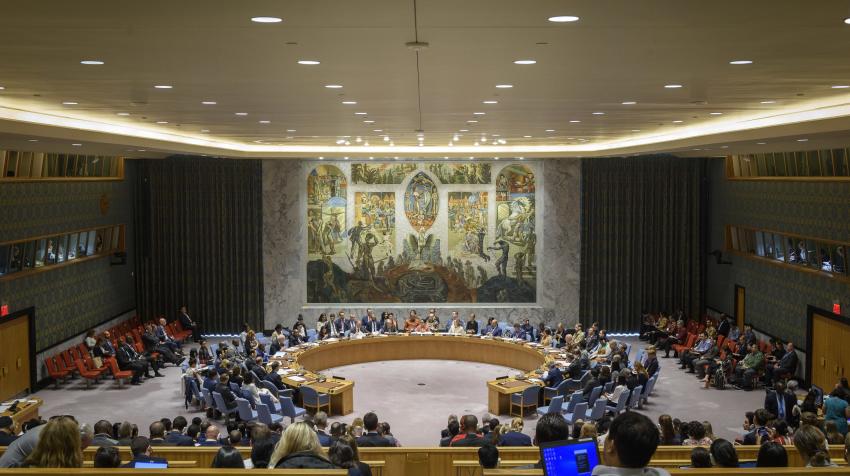
A United States draft resolution received 11 votes in favour but was blocked by Russia’s veto. A competing Russian proposal also failed, leaving the mission’s mandate to expire on October 31. Support for an unsuccessful draft does not constitute an adopted Security Council decision.
Established in 1991, MINURSO was tasked with supporting a settlement process that envisaged a referendum on Western Sahara’s future. That referendum never took place. Morocco advocates autonomy under its sovereignty, while the Polisario Front seeks independence.
In an October 31 statement, the UN announced that a liquidation period would begin on November 1, allowing a smaller team to oversee equipment disposal and the return of contributing countries’ assets.
Morocco Sets Out Its Commitments
](https://cdn2.gnfi.net/seasia/uploads/images/11398/img-20260810-wa0154-scaledjpg "Moroccan Ambassador Redouane Houssaini meets ASEAN Secretary-General Kao Kim Hourn at the ASEAN Secretariat in Jakarta, August 10, 2026. [asean.org](https://asean.org/ambassador-of-morocco-to-asean-presents-letter-of-credence-to-the-secretary-general-of-asean/?utm_source=chatgpt.com)")
“A 35-year chapter has now come to a close,” Morocco’s Royal Office declared in its October 30 statement, describing non-renewal as a significant step towards closing the issue at the United Nations.
The statement reaffirmed that “Morocco remains firmly committed to the ceasefire,” alongside protecting its territorial integrity and national security. Talking points supplied by the Moroccan side also pledge assistance for the departure of MINURSO’s civilian and military personnel.
Rabat views the outcome as reinforcing its autonomy proposal and argues that the Security Council should end its consideration of the issue. That is Morocco’s position; the mission’s closure does not itself establish an internationally agreed settlement or automatically remove Western Sahara from the UN agenda.
Keeping Dialogue and Communities at the Centre
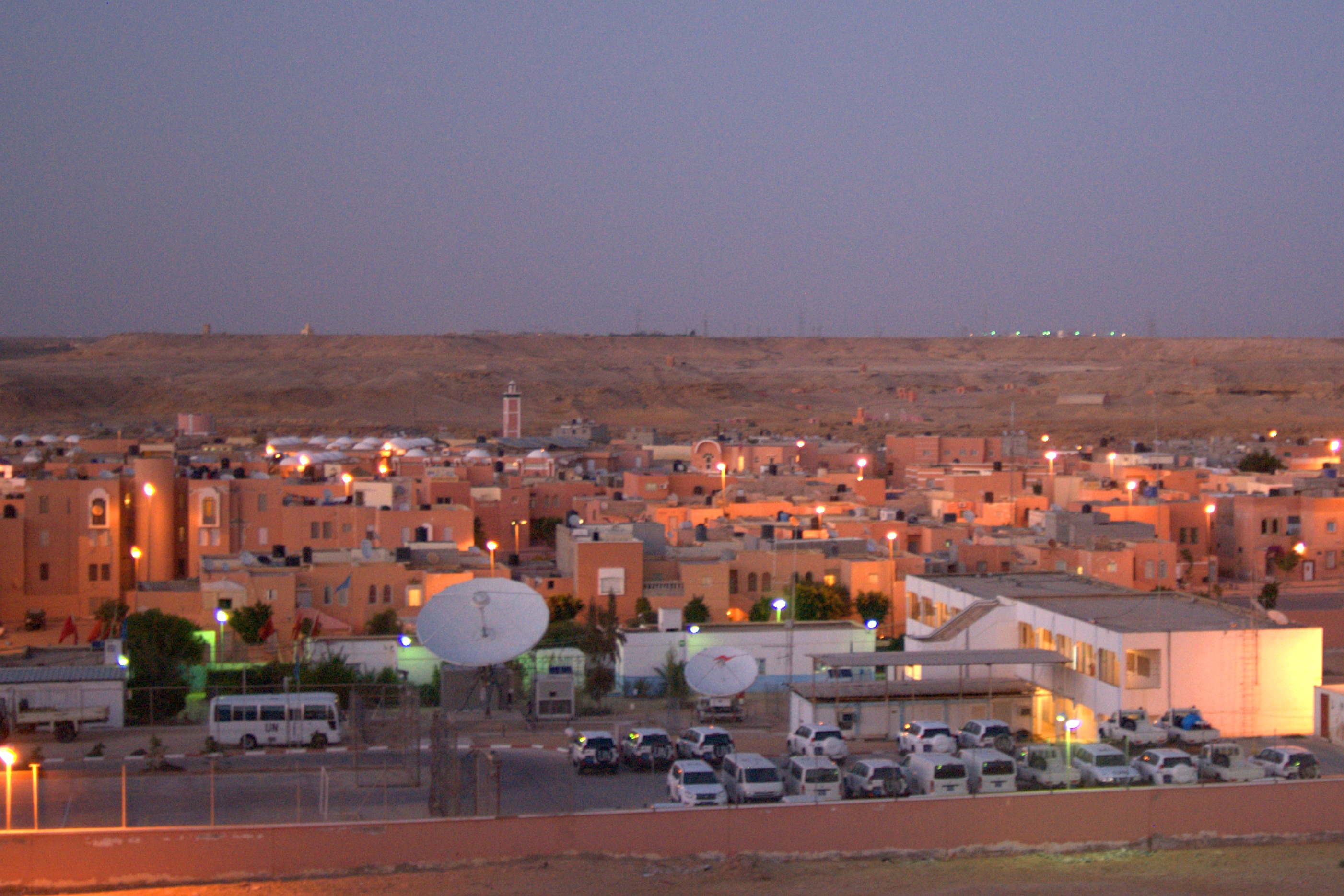
The UN’s October 31 statement offered a different interpretation of what comes next. It stressed that “the departure of MINURSO does not abrogate these inalienable rights,” referring to the Western Saharan people’s right to self-determination. It also affirmed continued support for dialogue through Personal Envoy Staffan de Mistura.
The mission’s history includes Southeast Asian participation. UN figures dated January 31, 2026, recorded three Indonesian and six Malaysian personnel serving as experts on mission in MINURSO. These dated deployment figures underline the region’s practical connection to peacekeeping in Western Sahara.
As an Indonesian and part of the wider Southeast Asian community, I see an important distinction between diplomatic progress and a final settlement. The non-renewal of MINURSO’s mandate should not, in itself, be interpreted as resolving the dispute. My hope is that this transition creates space for peaceful dialogue, protects communities and advances a lasting political solution.
Building Morocco–ASEAN Connections
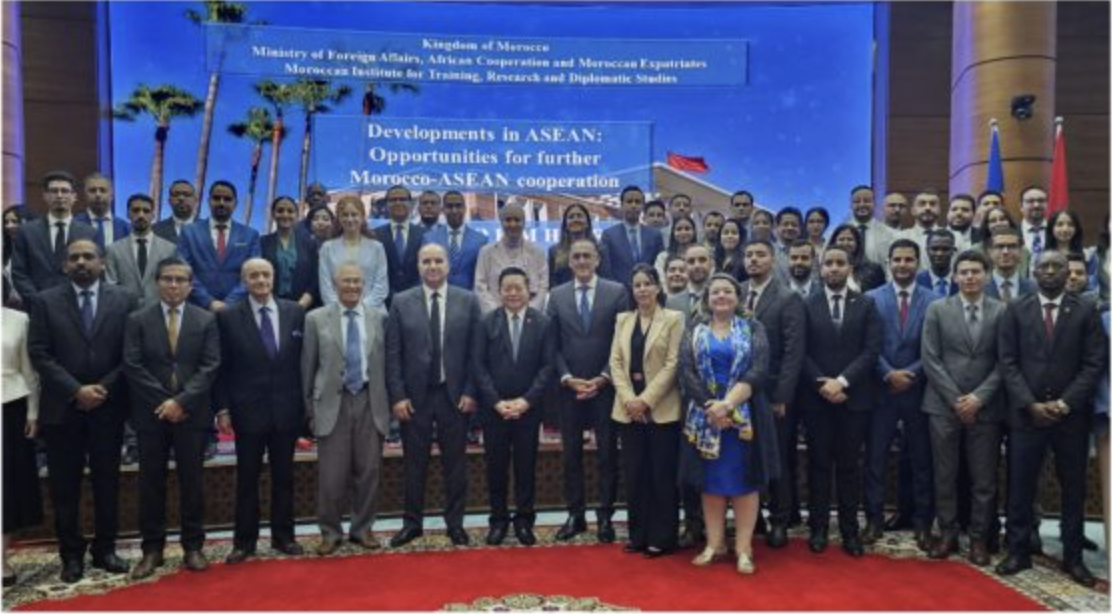
Morocco became an ASEAN Sectoral Dialogue Partner in 2023. Cooperation now follows the ASEAN–Morocco Practical Cooperation Areas framework for 2024–2028, covering opportunities including trade, sustainable development and people-to-people exchanges. ASEAN Secretary-General Kao Kim Hourn’s June 24–26, 2025 visit to Morocco reinforced that agenda. These relationships should not be interpreted as collective ASEAN endorsement of a particular outcome in Western Sahara.
In Jakarta, Moroccan Cultural Week, held from October 31 to November 6, provided a more personal introduction to the country through its pavilion, craftsmanship, food and cultural heritage. Such encounters can encourage Indonesians to explore educational exchanges, tourism and business partnerships.
As diplomacy enters a new phase, Indonesia and Morocco have opportunities to deepen those human connections while supporting peaceful dialogue. The lasting measure of progress will be greater security for communities and cooperation that delivers tangible benefits.


