


Across Europe, religion and state are often seen as separate, yet several countries still maintain official ties between government and faith.
From Lutheran monarchies in Scandinavia to Orthodox Greece and Catholic Malta, these nations preserve a formal religious identity within their constitutional frameworks.
Some uphold these traditions symbolically, while others weave them deeply into public life. Exploring these examples reveals how history, culture, and belief continue to shape the political and spiritual landscape of modern Europe.
1. Denmark

In the Kingdom of Denmark, the constitution explicitly states that the Church of Denmark (Evangelical Lutheran) is the “Established Church” and that it is supported by the state.
Section 4 of the constitution affirms that the Established Church shall be supported by the State, and Section 6 requires that the monarch be a member of that church.
Although Denmark today is a largely secular society in terms of personal belief and attendance, the constitutional bond between church and state remains intact.
The Church of Denmark continues to perform civic duties such as recording births and marriages, while other religious groups are free to register and practice under full legal protection.
2. Greece
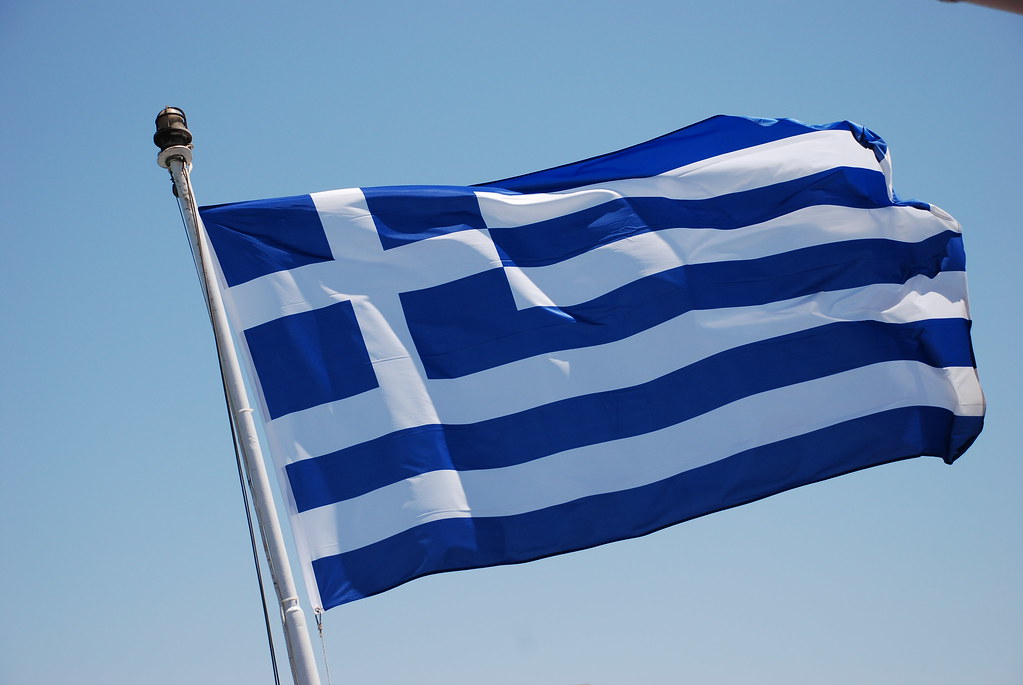
In the Hellenic Republic, the constitution recognizes the Church of Greece (Eastern Orthodox) as the prevailing religion. This recognition is not merely ceremonial; Orthodox Christianity has been central to Greek national identity since the country’s independence.
The Church enjoys autonomy under its own canon law but is also financially supported by the state, with clergy salaries paid through public funds.
Religious freedom for other faiths is constitutionally guaranteed, yet the Orthodox Church retains its status as the “prevailing” faith, reflecting its cultural and historical importance.
3. Iceland

The constitution of Iceland declares that the Evangelical Lutheran Church is the state church and shall be supported and protected by the state. Article 62 establishes this relationship, while Article 63 guarantees freedom of religion.
Citizens are free to join or leave the national church, and other religious and secular associations may register officially.
Despite Iceland’s growing secularization, the Church of Iceland continues to play a visible role in national life, including official ceremonies and education, reflecting a blend of tradition and modern pluralism.
4. Malta
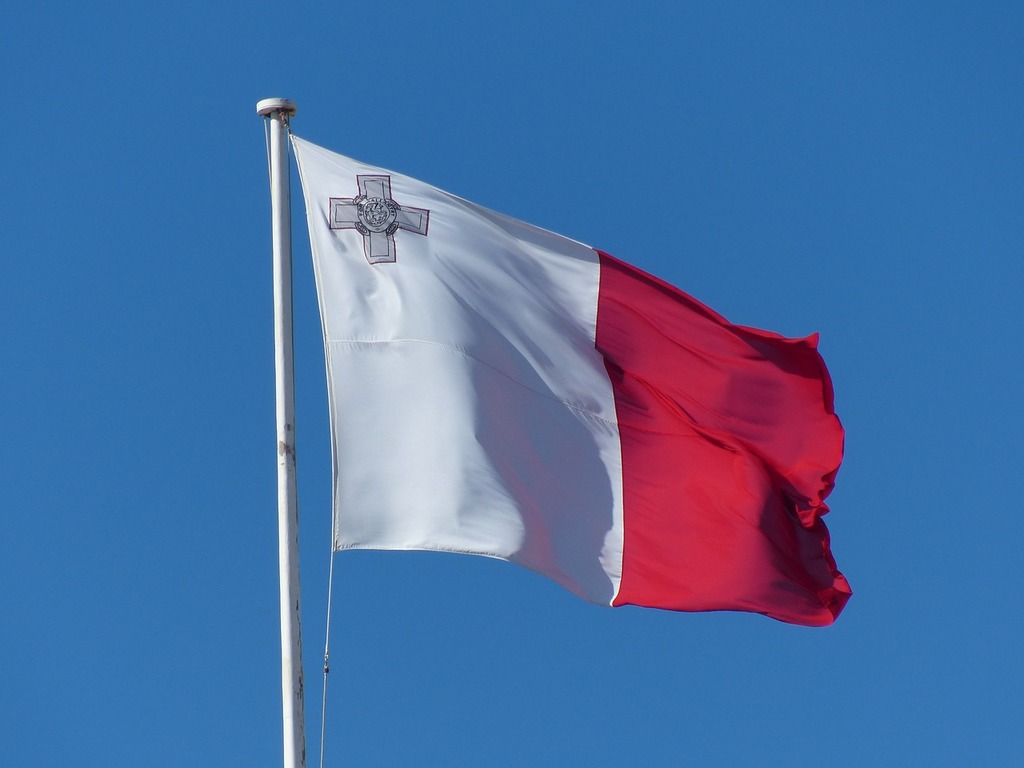
The constitution of Malta declares Roman Catholicism as the official religion of the state. Article 2 reads: “The religion of Malta is the Roman Catholic Apostolic Religion.”
The Catholic Church is granted the right and duty to teach moral principles, and instruction in the Catholic faith is provided in state schools, though students may opt out.
The Archbishop of Malta retains moral influence in public life, and the Church plays a visible role in major national events. Despite this, freedom of conscience and religion is safeguarded by law, allowing the coexistence of minority faiths and non-religious citizens.
5. Liechtenstein

In the Principality of Liechtenstein, Roman Catholicism is recognized by the constitution as the state religion. The Church enjoys a special status and receives state support, though the constitution also guarantees freedom of belief and worship for other faiths.
In practice, the Catholic Church remains a key part of Liechtenstein’s cultural and social fabric, often influencing public ceremonies and traditions.
However, in recent years, discussions have emerged about reforming this arrangement to reflect increasing religious diversity and secular values among citizens.
6. England
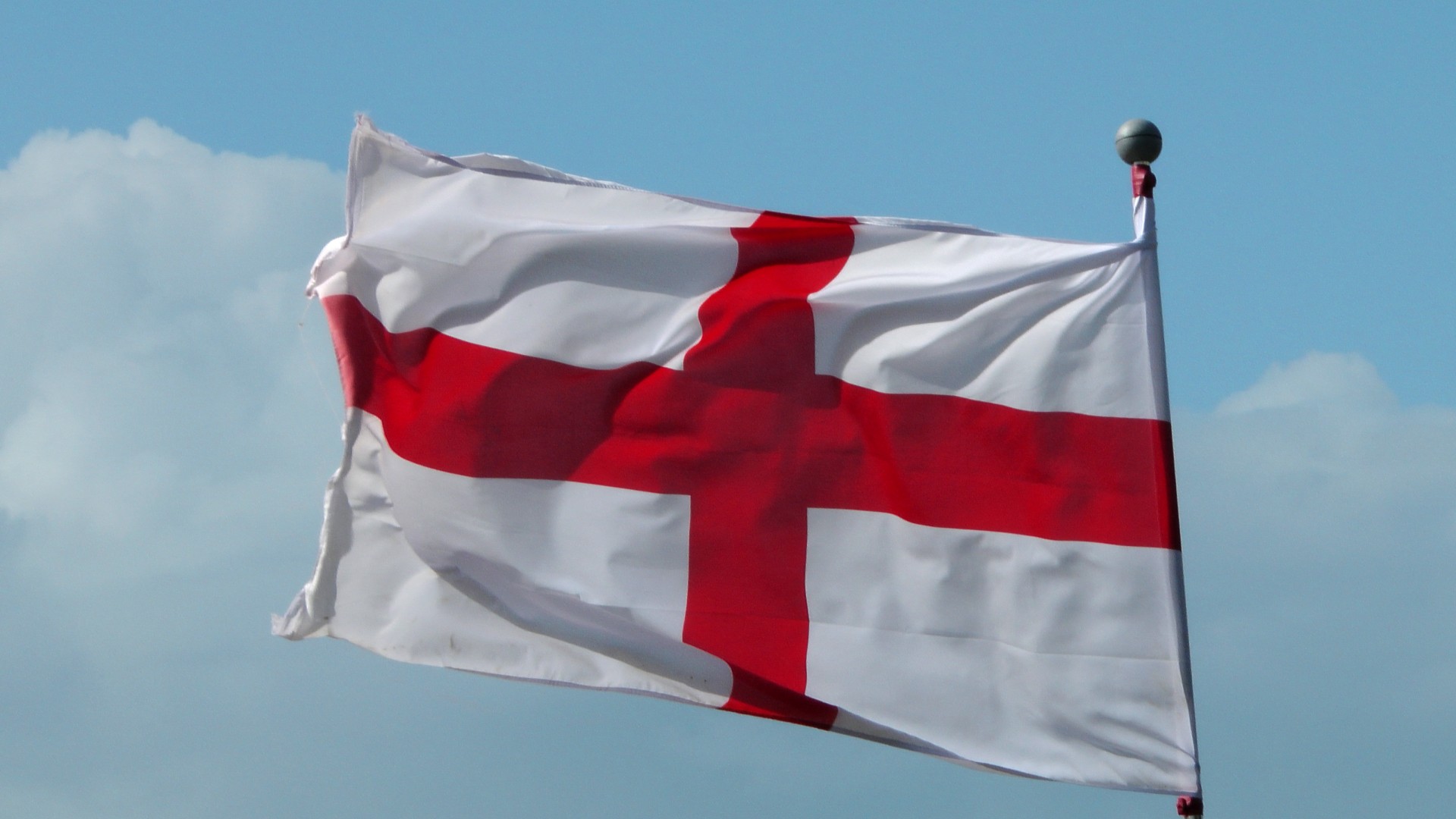
England, one of the constituent countries of the United Kingdom, maintains a unique form of established religion through the Church of England.
This Anglican institution is the state church, and its Supreme Governor is the British monarch, who must be a member of the Church.
The monarch’s role includes the appointment of bishops on the advice of the prime minister, and twenty-six bishops hold seats in the House of Lords as the “Lords Spiritual.”
The Church of England has a special place in national ceremonies such as coronations, weddings, and funerals of the royal family.
Despite this official status, religious diversity in England is significant, and the population includes large numbers of Catholics, Muslims, Hindus, and people of no religion, all of whom enjoy full freedom of belief.
7. Vatican City

Vatican City stands apart from all other European countries, as it is itself a theocratic state. It is the world’s only nation where religion and governance are entirely intertwined, with the Roman Catholic Church forming both the spiritual and temporal authority.
The Pope serves as head of state and head of the Church, combining supreme executive, legislative, and judicial powers.
Every aspect of Vatican governance reflects its religious character: laws are based on canon law, citizenship is tied to service to the Church, and its institutions serve primarily religious and diplomatic functions.
While small in territory, Vatican City exerts immense global influence through the Holy See, representing Catholic interests around the world.


