


“What started as a village dream has become a vital stage for global dialogue and inspiration.” These words capture the essence of the Ubud Writers & Readers Festival (UWRF) 2025, which officially opened in Ubud, Bali.
Now entering its third decade, the festival has grown from a local idea into one of Southeast Asia’s most important literary gatherings. It continues to be a meeting place for writers, artists, and readers from around the world who believe in the power of stories to connect people and cultures.
Festival founder and director Janet DeNeefe opened the press conference at Puri Kantor, Ubud. She expressed gratitude to the host and reflected on the rich cultural and historical tapestry of Bali. DeNeefe shared how Pat Chop Asmara’s grandfather once served as the President of East Indonesia and led a Balinese delegation to the Paris Fair in the 1920s.
“This festival is about telling stories that are not always heard,” she said. “Bali has always embraced creativity, and that spirit still lives on.”
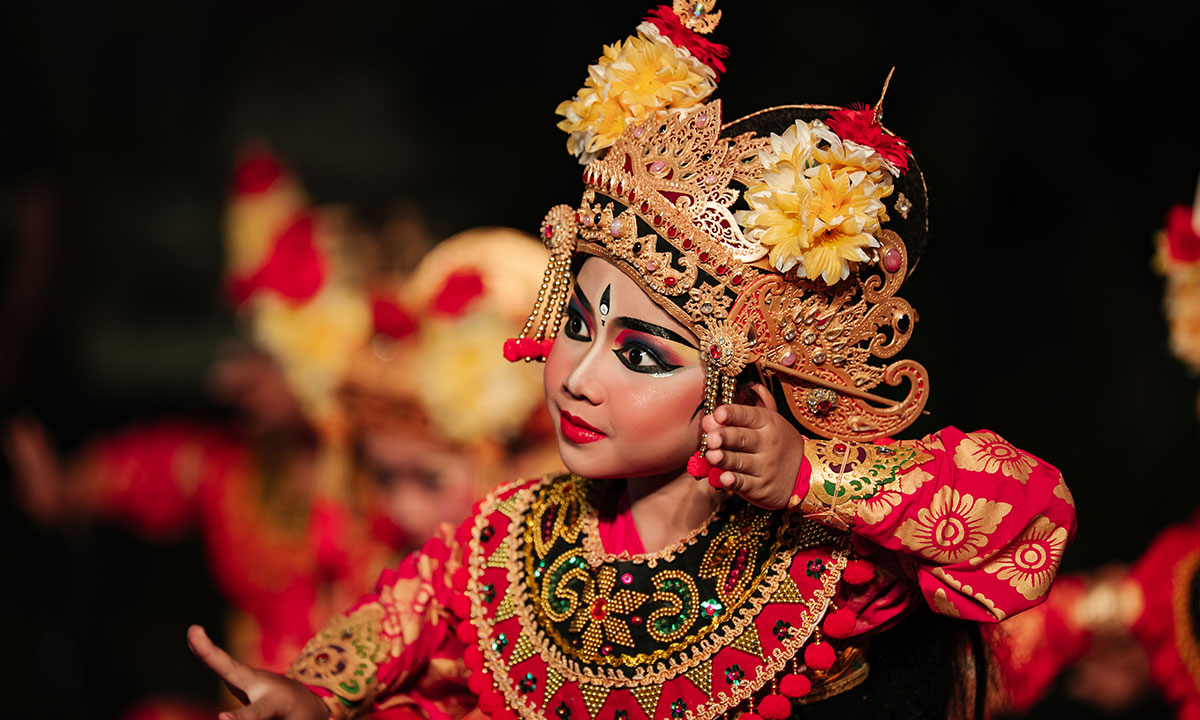
This year’s theme, Aham Brahmasmi, a Sanskrit phrase meaning I am the universe, invites participants to explore the interconnectedness between humanity, art, and the cosmos. It challenges both creators and audiences to reflect on their place in the larger web of existence.
Irish author Sinéad Gleeson highlighted the importance of women’s representation in literature. “When I was in school, all the writers on the classroom poster were men,” she said. “If your bookshelf looks the same, it’s time to change that. We must always ask whose voices are missing.”
Writer Ingrid Rojas Contreras, author of The Man Who Can Make the Clouds, who came all the way from Colombia, shared a deeply personal story about memory and identity. After suffering amnesia, she found that rediscovering her memories meant reclaiming her family’s stories. “Each of us carries our own lineage. When we tell our stories, we realize how we belong to one another,” she said.
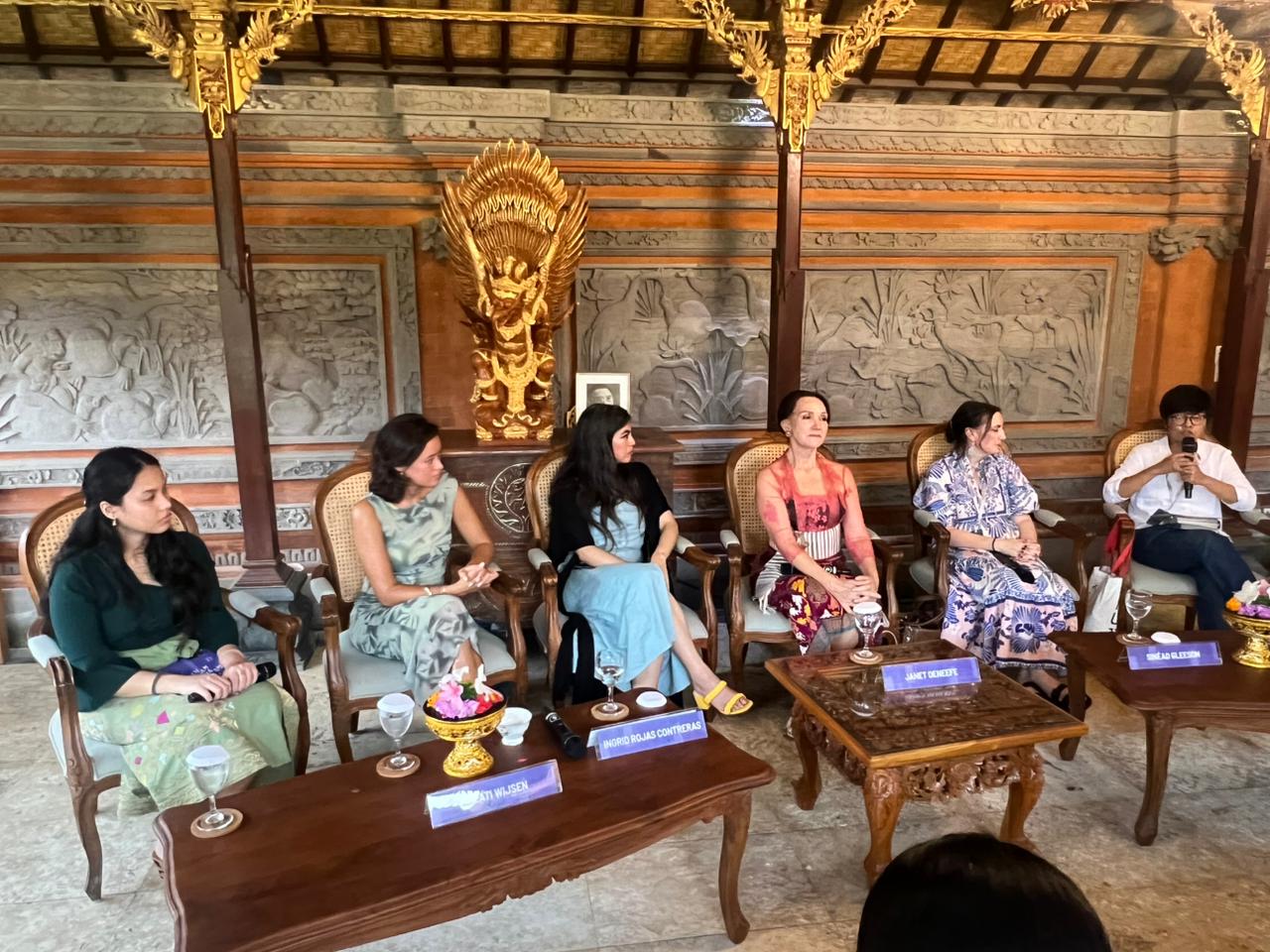
Balinese activist Melati Wijsen, co-founder of Bye Bye Plastic Bags, spoke about how stories can drive change in environmental action. “The climate crisis is not just a to-do list of disasters,” she said. “We need to shift the narrative to hope and solutions. Change starts now, and everyone has a role to play.”
Indonesian writer and curator Ni Made Purnama Sari discussed the Emerging Writers Program, which received over 640 submissions this year. “These young writers explore colonial history, spirituality, mythology, and the social realities of Indonesia today,” she said. “They represent a bold new phase of Indonesian literature.”
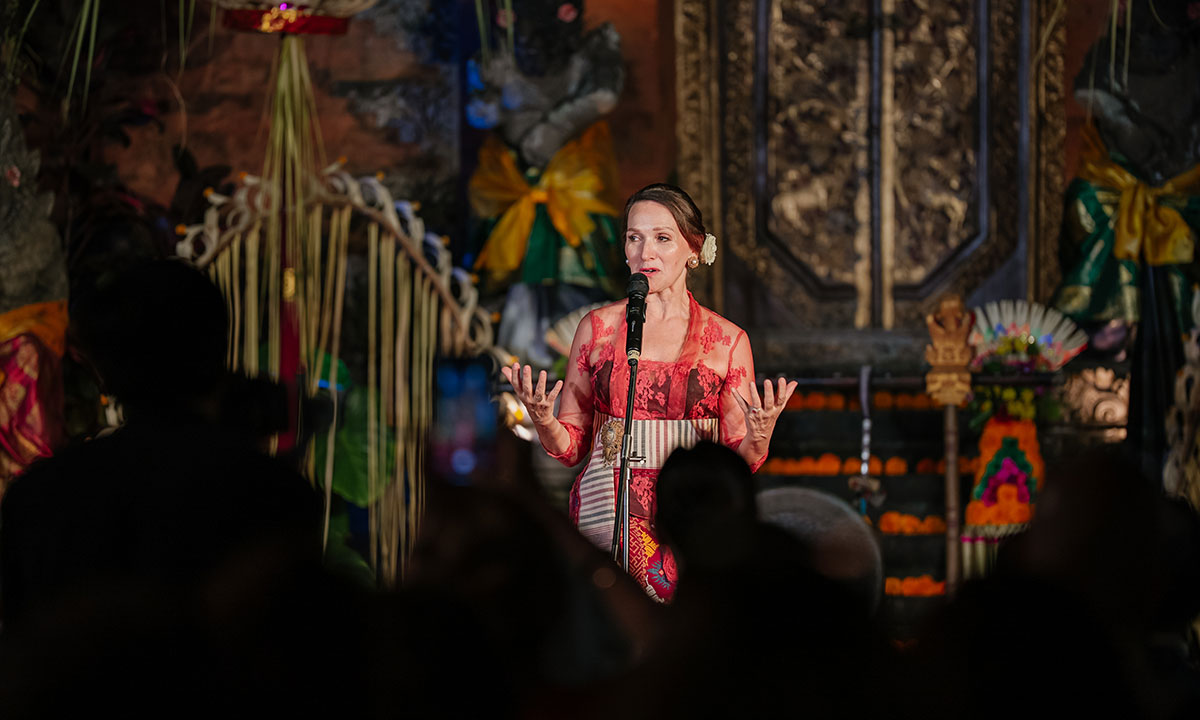
Running from October 29 to November 2, 2025, UWRF will feature more than 250 writers and artists from around the world. The program includes panel discussions, book launches, poetry readings, art performances, and cultural gatherings across Ubud’s iconic venues.
For DeNeefe, UWRF’s evolution mirrors Bali’s own journey as a crossroads of ideas and creativity. “Each of us carries a universe within,” she said. “The question is, what is our place in this great interconnected web?”
UWRF 2025 reaffirms Ubud as the cultural heart of Bali and a global meeting point for voices that challenge, inspire, and connect the world.


