


As the sun rose on the final day of the Ubud Writers & Readers Festival (UWRF 2025), Ubud seemed to hum with a special kind of energy — the kind that only comes when art, activism, and community collide. Over four vibrant days, the festival had transformed the town’s temples, gardens, cafés, and cultural spaces into an open-air laboratory of ideas, drawing thousands of participants from across Indonesia and around the world.
With more than 200 speakers, writers, and performers representing every corner of the literary and creative landscape, this year’s festival proved once again why it remains one of the most anticipated cultural gatherings in Asia.
From spirited discussions on the future of storytelling to the rhythmic cadences of poetry under starlight, from film screenings and art exhibitions to culinary workshops and masterclasses, Ubud had become — for one dazzling weekend — a living anthology of the human experience.
And on its final day, that energy found its purest expression in Climate Day, a powerful, collaborative programme hosted at Bumi Kinar Ubud, reminding everyone that the most urgent story we tell is the one about our planet.
Morning: Words in Motion
The day began with the gentle hum of conversation across the main venues — the Alang-Alang Stage, Indus Restaurant, and Valley Stage — where the final sessions of the Main Programme unfolded like a symphony of thought.
At Alang-Alang, German author Jenny Erpenbeck opened with “Kairos”, an intimate reflection on history, fate, and freedom, setting a contemplative tone. Nearby, Taufiq Ismail’s “Reading the Signs” brought poetry and spirituality into dialogue, with the Indonesian literary icon reminding the audience that “words are not just art — they are conscience.”
Panels such as “Modern Identities” and “The Politics of Research” examined how personal narratives intersect with social responsibility, while “The War Women Must Wage” and “Where the Land Knows My Name: Stories from Papua”delivered some of the festival’s most stirring discussions on representation and resilience.
The Valley Stage carried the same vitality — from Pico Iyer’s meditative talk “Aflame” to Gina Chick’s inspiring “We Are the Stars”, where the adventurer and 5Rhythms facilitator urged audiences to reconnect with their wildness. “When you dance,” Chick said, “you remember that the earth has always been your oldest rhythm.”
Climate Day: The Heartbeat of the Festival
But the spiritual and emotional core of the festival’s closing day belonged unmistakably to Climate Day at Bumi Kinar Ubud.
Set amid lush greenery and the scent of rain-dampened soil, the event drew activists, artists, scientists, and storytellers into one shared conversation about sustainability, responsibility, and hope.
Australian filmmaker Craig Leeson opened the morning with the Climate Day Keynote, joined by environmentalist Melati Wijsen, in a compelling dialogue about ocean conservation, biodiversity, and the role of narrative in shaping ecological awareness.
“Climate change isn’t just a scientific problem — it’s a storytelling problem,” Leeson told the crowd. “We need stories that make people feel, not just think.”
The sentiment resonated deeply throughout the day as sessions flowed effortlessly between the poetic and the practical.
“Water Rituals”, featuring Claudia Koch, Craig Leeson, and Balinese spiritual leader Jero Penyarikan Duran Batur, explored the sacred philosophy of water in Balinese Hinduism — where nature is both deity and companion.
At midday, “Land of Plenty: Holidays, Industries, and Floods” brought together Maroprhet Heutto and Rossy You, tackling tourism’s double-edged relationship with sustainability.
In the early afternoon, “Regenerative Action from the Ground Up” and “Reclaiming Architecture as Sacred Code”added layers of complexity to the conversation — from grassroots environmental justice to the preservation of traditional ecological design.
The day culminated in “Echoes for the Earth: Voices of Changemakers”, where Melati Wijsen, Dian Sonnerstedt, and Tommy Sastro Wijaya shared closing reflections on how art, youth activism, and local wisdom can shape regenerative futures.
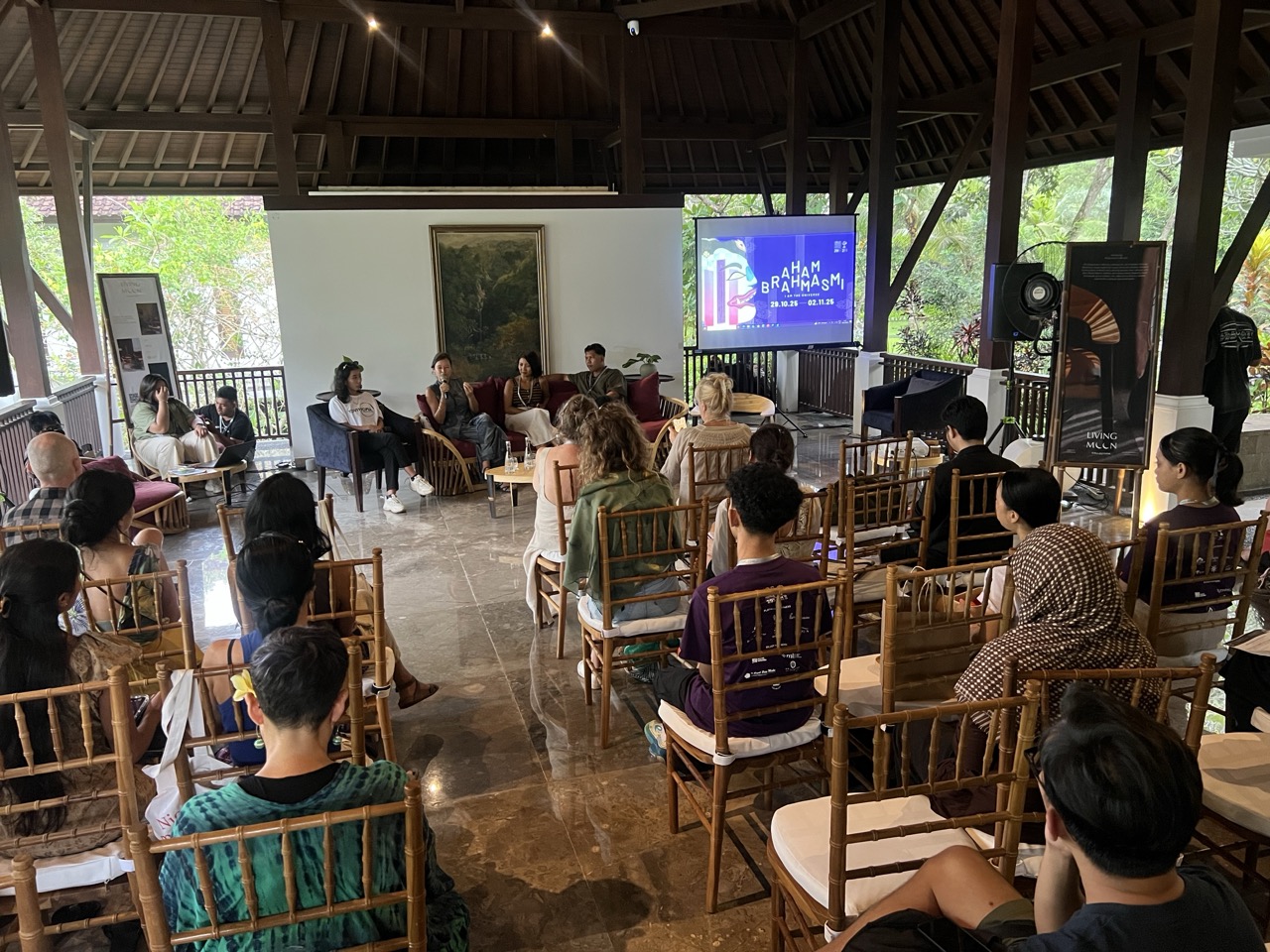
The open-air discussions were punctuated by community art installations, impromptu poetry readings, and quiet circles where people sketched, journaled, and shared tea under the trees.
It was, as one participant described, “the most grounded and uplifting experience of the whole festival — a reminder that Ubud doesn’t just talk about change, it lives it.”
Afternoon: Reflections and Farewell
Back in central Ubud, the festival’s final sessions carried a reflective tone.
At the Indus Restaurant, “Alternative Knowledge Formation in Indonesia” delved into indigenous epistemologies and women’s storytelling, while “Timeless Bali” celebrated the island’s enduring role as muse and metaphor.
Over at Alang-Alang, “Navigating the Dynamics of China-U.S. Politics” and “The Technicolour World of Art Books”closed with spirited discussions on art, geopolitics, and the power of creative exchange.
And fittingly, at the Valley Stage, Clare Wright’s “Naku Dhärnk: The Bark Petitions” brought the festival’s themes full circle — returning to the wisdom of Indigenous voices and the idea that art is a form of reclamation.
As the afternoon faded, the final gathering at the Festival Hub became a mosaic of embraces, laughter, and gratitude. Writers and readers exchanged contacts, books, and promises to return next year.
Collaboration Across Venues and Borders
This year’s UWRF was remarkable not only for its intellectual and artistic breadth but also for its scale of collaboration.
Across four days, the festival activated dozens of venues — from the Indus Restaurant and Alang-Alang Stage to cultural landmarks like Bumi Kinar Ubud, Casa Luna, Honeymoon Garden, and The Blanco Renaissance Museum. Each space hosted its own constellation of experiences — from book launches and film screenings to panel sessions, culinary workshops, and after-dark performances.
Together, these venues formed the living architecture of the festival, transforming Ubud into what one writer called “a village made of stories.”
The numbers tell part of the story — thousands of participants, over 200 international and Indonesian speakers, hundreds of volunteers — but what lingered most was the sense of shared belonging.
“Ubud Writers & Readers Festival isn’t just about literature,” said Indonesian poet Hazmah Muhammad during his Sunday reading. “It’s about finding humanity in all its forms — in words, in the environment, in each other.”
Evening: A Promise for Tomorrow
As twilight descended over the rice fields, the closing notes of the festival felt less like an ending and more like a renewal.
The final reflections from Climate Day echoed through the evening — a call to carry forward the stories, insights, and connections made here into the wider world.
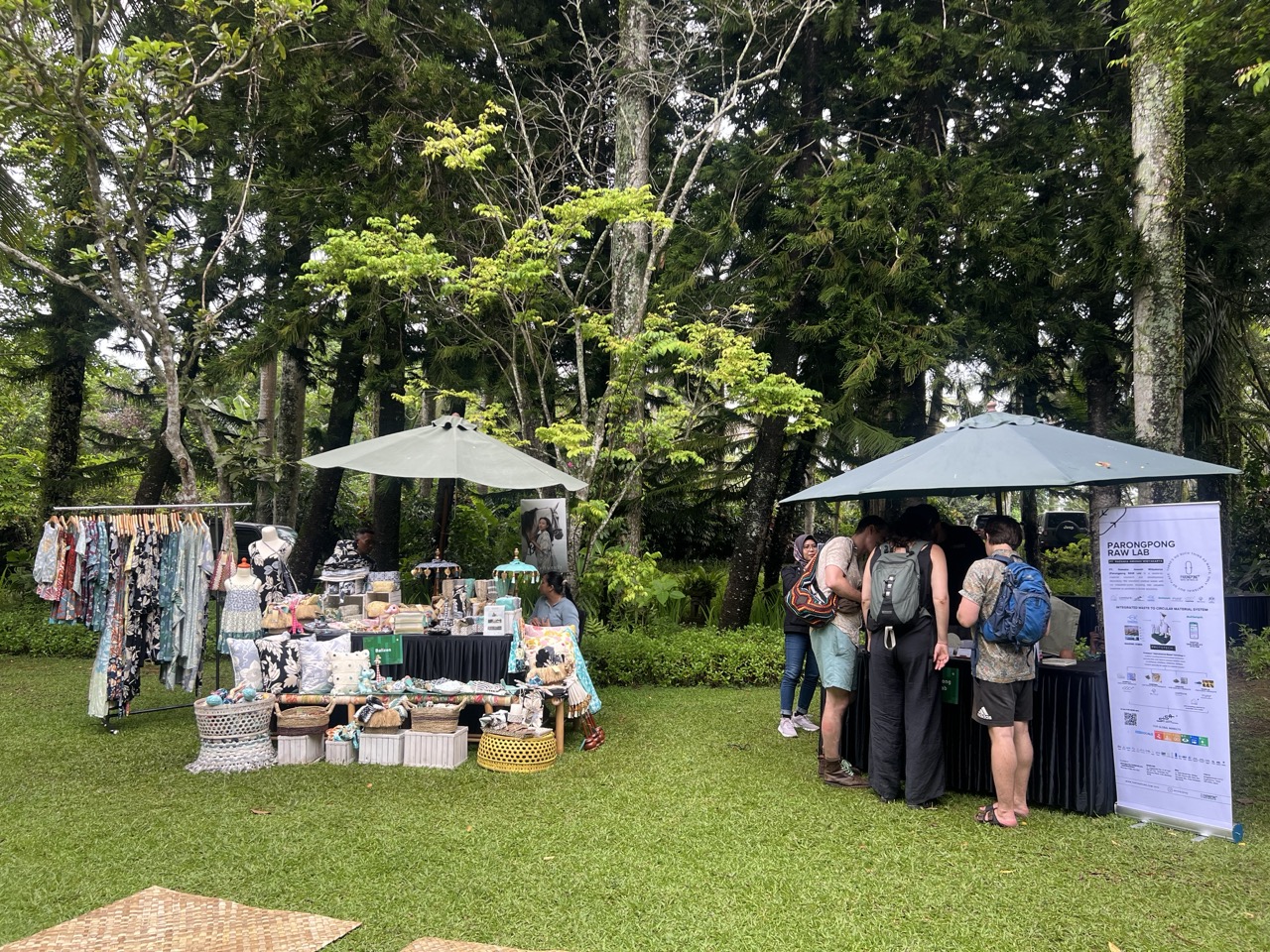
In many ways, UWRF 2025 felt like both a celebration and a reckoning — a reminder that literature, when combined with empathy and activism, can help us navigate the uncertain terrain of the future.
The crowds slowly dispersed into Ubud’s winding streets, some heading to the Festival Closing Party at The Blanco Renaissance Museum, others lingering for one last coffee or conversation. The lights of the town shimmered softly, as if reluctant to fade.
And as the final pages of this year’s UWRF were turned, what remained was more than memory — it was momentum. Because in Ubud, stories don’t end. They return — like rain to the earth, like language to the heart.


