


The atmosphere at the Embassy of Sri Lanka in Indonesia was filled with excitement on Saturday morning as around 50 participants joined the Embassy Visit GNFI x Seasia event. But this time, the visit went beyond a typical cultural diplomacy program, it became an immersive experience that brought participants together in cross-cultural harmony through dance.
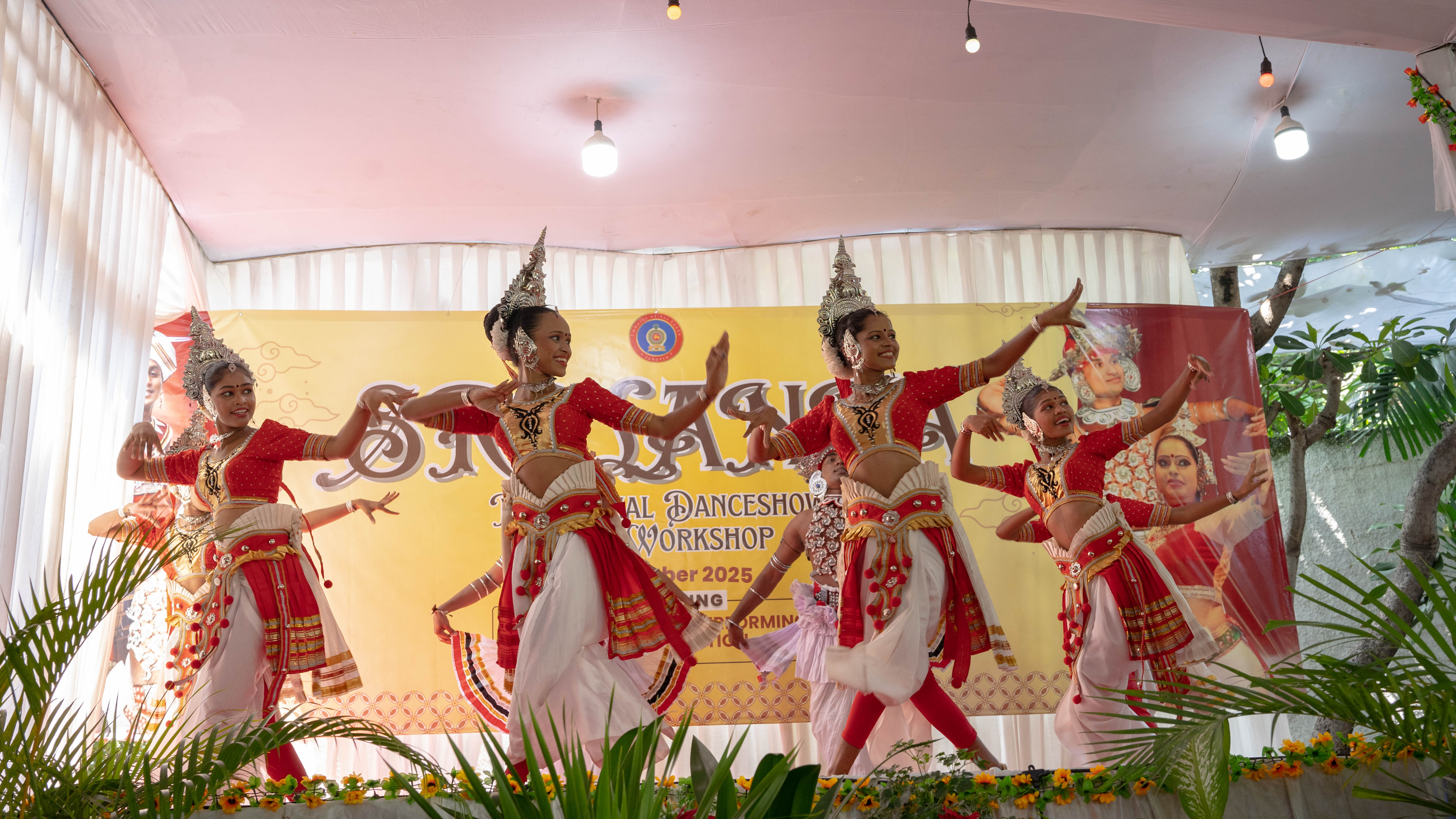
Through an exclusive dance workshop, attendees were given a rare opportunity to learn directly from professional Sri Lankan artists, members of the Sanka Samudhi Performing Arts Foundation, one of the country’s renowned performing arts institutions.
Unity in Motion: A Message of Brotherhood Through Movement
The highlight of the event was a meaningful Indonesia–Sri Lanka collaborative dance performance. Guided by instructors from the Sanka Samudhi Foundation, participants were encouraged to blend movements from two distinct cultures into a single harmony.
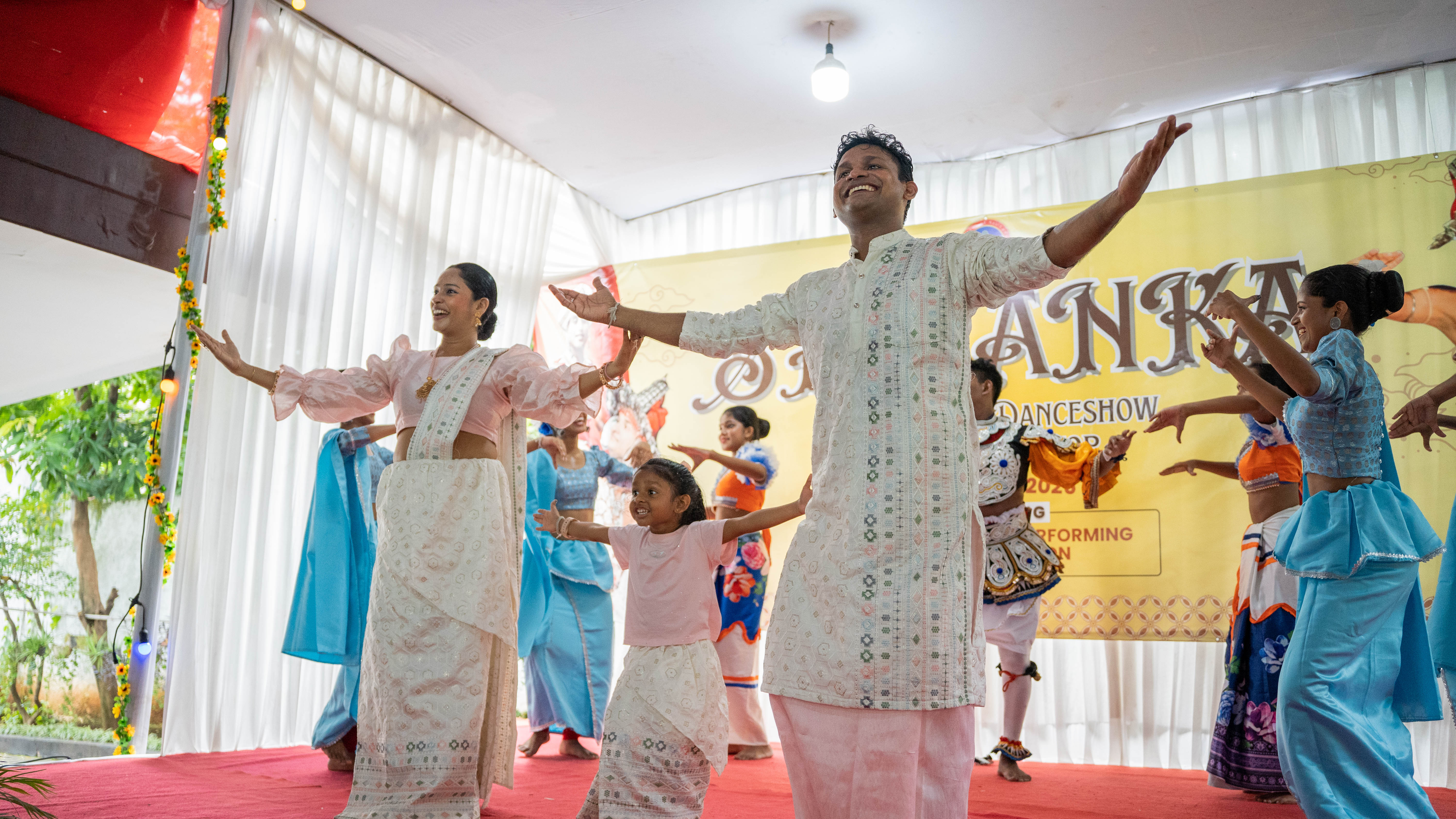
The core message behind the choreography was simple yet profound: all humans are essentially the same—we bleed the same red blood, regardless of skin color, appearance, beliefs, or backgrounds.
The choreography drew inspiration from a wide variety of traditional Indonesian dances: Ratoeh Jaroe from Aceh, Zapin Melayu, Tor-Tor from Batak, Rantak from Minangkabau, Lenggang Nyai from Betawi, Jaipong from Sunda, Golek from Yogyakarta, Rantaya from Surakarta, Baris and Pendet from Bali, Enggang from Kalimantan, Pakarena from Sulawesi, and Sajojo from Papua. All of these elements were then beautifully combined with the distinctive style of Sri Lankan dance.
Learning Firsthand: Introducing Three Sri Lankan Dance Styles
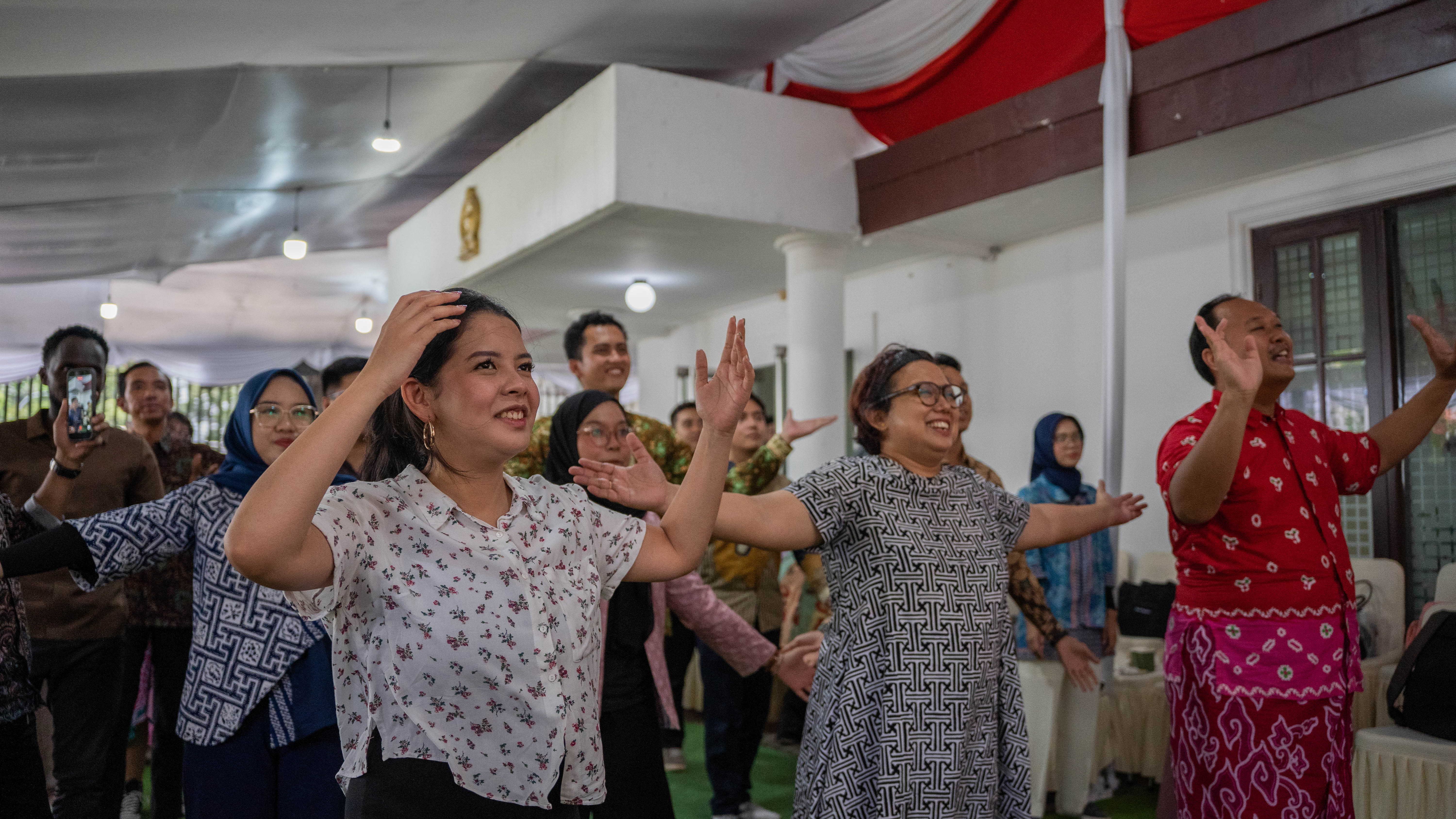
Another exciting session came when participants were introduced to the three main traditional dance styles of Sri Lanka, known as Up Country, Low Country, and Middle Country.
Instead of merely listening to explanations, they were invited to try the basic movements themselves—from body posture and footwork to facial expressions, which play a crucial role in every dance.
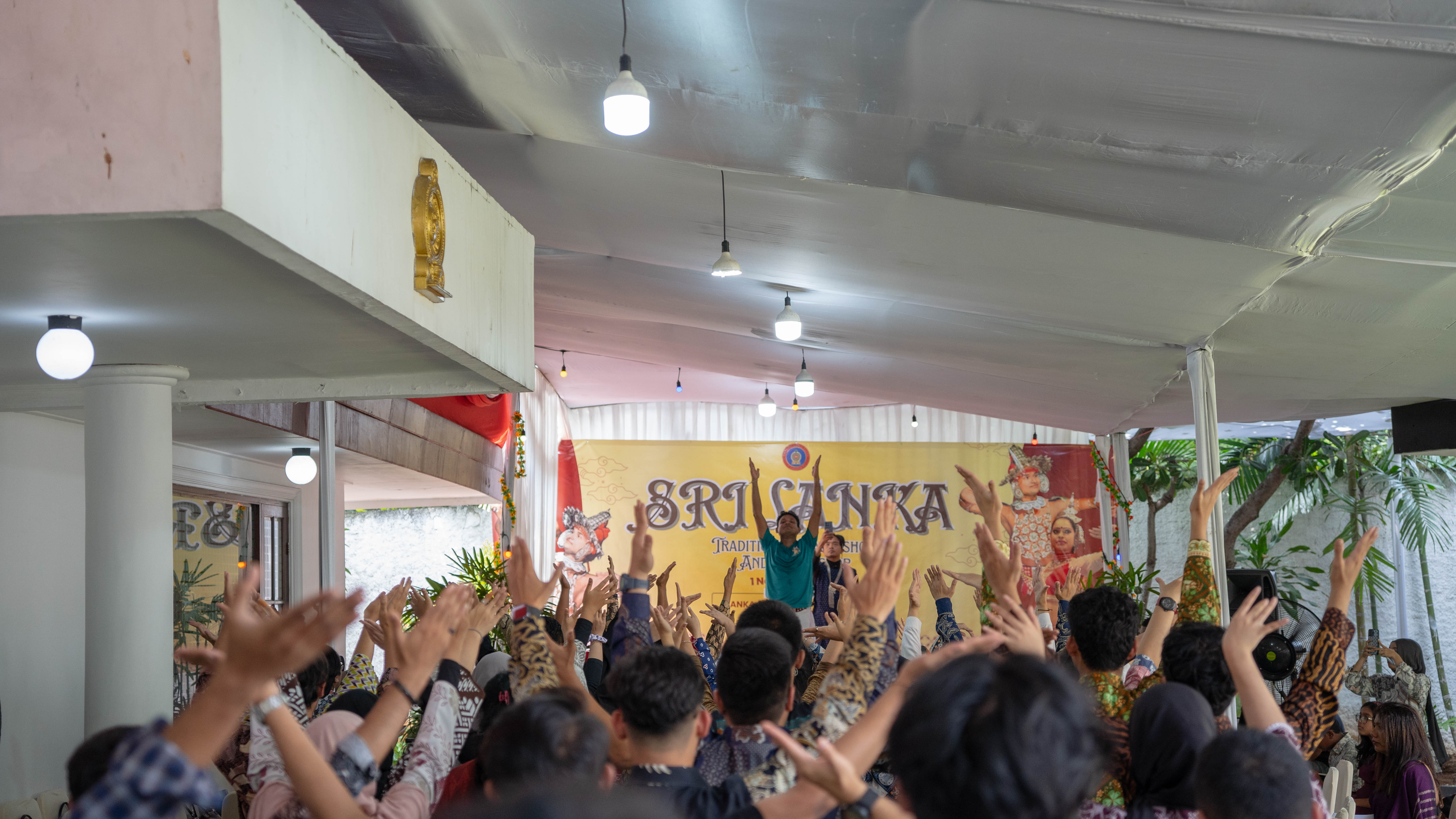
The classroom atmosphere was lively. Laughter and applause often erupted as participants attempted the signature spinning movements of Kandyan dance or the masked dance style from the Low Country tradition. Through these moments, they began to understand that behind each motion lies a deep philosophy about the balance between humans, nature, and spirituality.
For those unfamiliar with these dance forms, here’s a brief introduction:
- Up Country (Kandyan Dance) originates from the central highlands and is known for its strong, athletic movements full of leaps and dynamic gestures. It reflects spiritual energy and the grandeur of Sri Lanka’s sacred ceremonies.
- Low Country Dance comes from the southern coastal region and is closely tied to healing rituals. It is characterized by the use of brightly colored masks and rhythmic yet gentle body movements.
- Middle Country or Sabaragamuwa Dance combines elements from both—smooth, expressive motions often depicting nature and the lives of agrarian communities.
Cultural Diplomacy Through Dance Steps
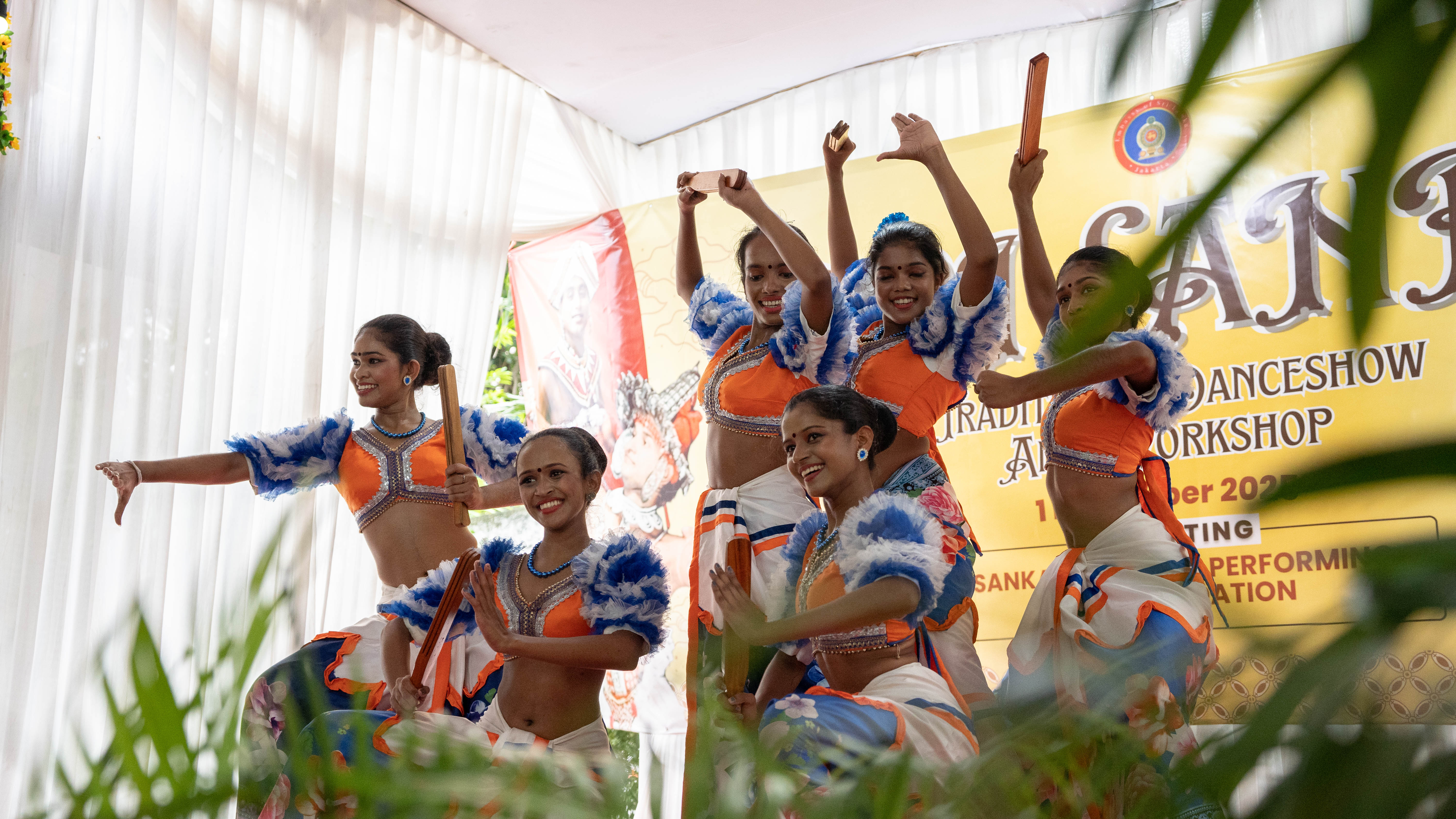
Beyond the workshop, participants also had the chance to enjoy a live performance by professional Sri Lankan dancers. Their gold and blue costumes, accompanied by the rhythmic beats of the geta bera (Sri Lanka’s traditional drum), created a mystical atmosphere that captivated everyone in the room.
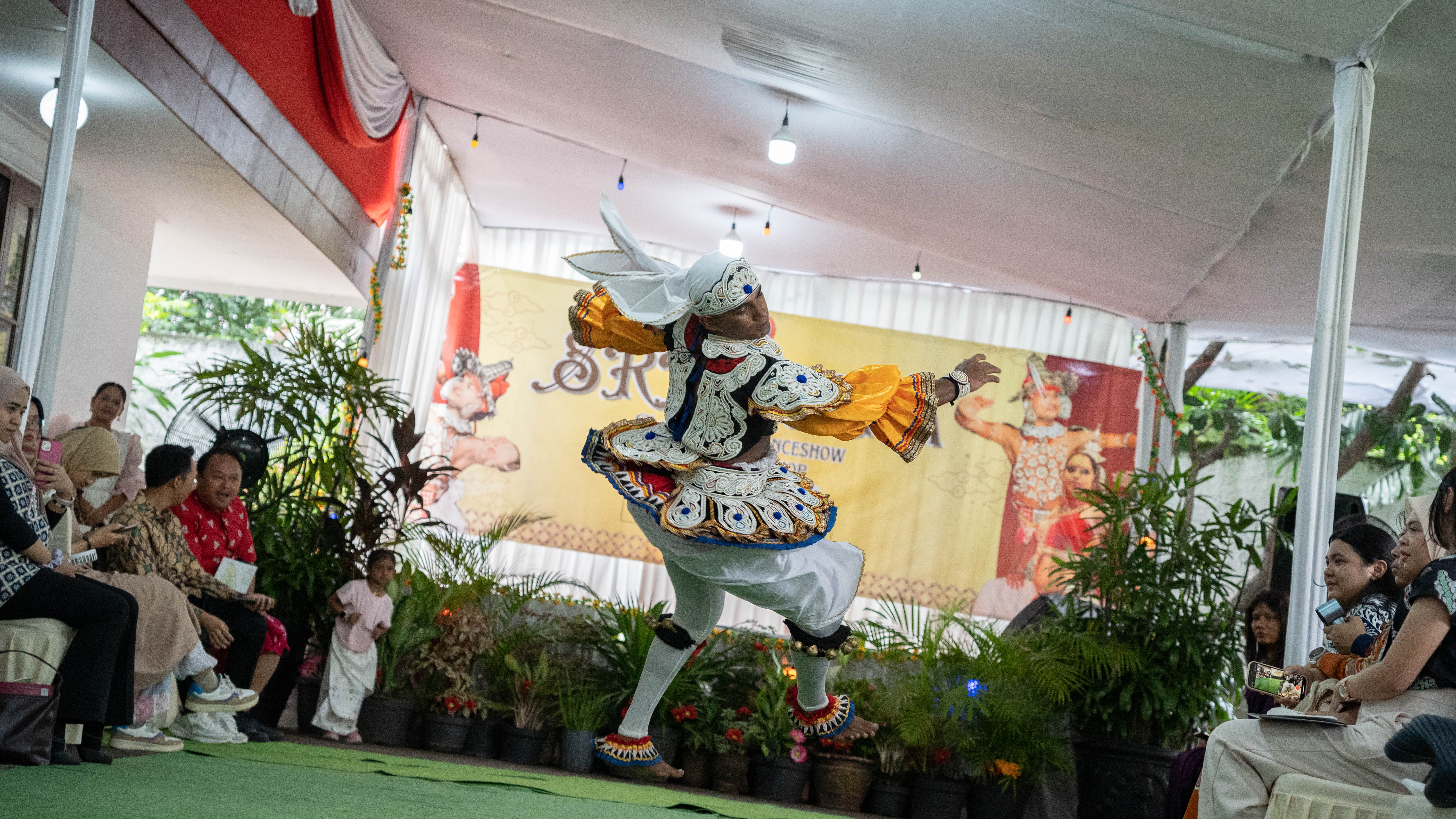
This Embassy Visit was not just a diplomatic engagement, it was a celebration of international friendship through art and culture. Through dance, participants learned about empathy, equality, and global brotherhood.


