


The phenomenon of Bali being far more recognized globally than Indonesia itself has become one of the biggest ironies in international tourism. Many travelers only realize that Bali is part of Indonesia after booking their tickets or even upon arriving at the airport.
Bali’s popularity has been shaped by a long history of promotion, strong cultural character, and accessibility that many other Indonesian regions have yet to achieve. This image often leads to Bali being treated as though it were its own country rather than a province of Indonesia.
Bali’s Earlier Global Exposure
Since the early 1930s, Bali had already been introduced to the world by foreign photographers, artists, and writers who showcased its natural beauty and culture in various international works. The image of an “exotic island” became attached to Bali long before most other Indonesian regions were known globally.
By the 1970s, this exposure grew even more massive through travel magazines, documentaries, and tour agencies that promoted “Bali Holidays” without mentioning Indonesia at all.
Meanwhile, other destinations such as Lombok, Yogyakarta, or Raja Ampat also possess extraordinary appeal, but did not receive the same sustained global promotion—making them far less prominent internationally compared to Bali.
A Culture That Is Easily Accessible to Visitors
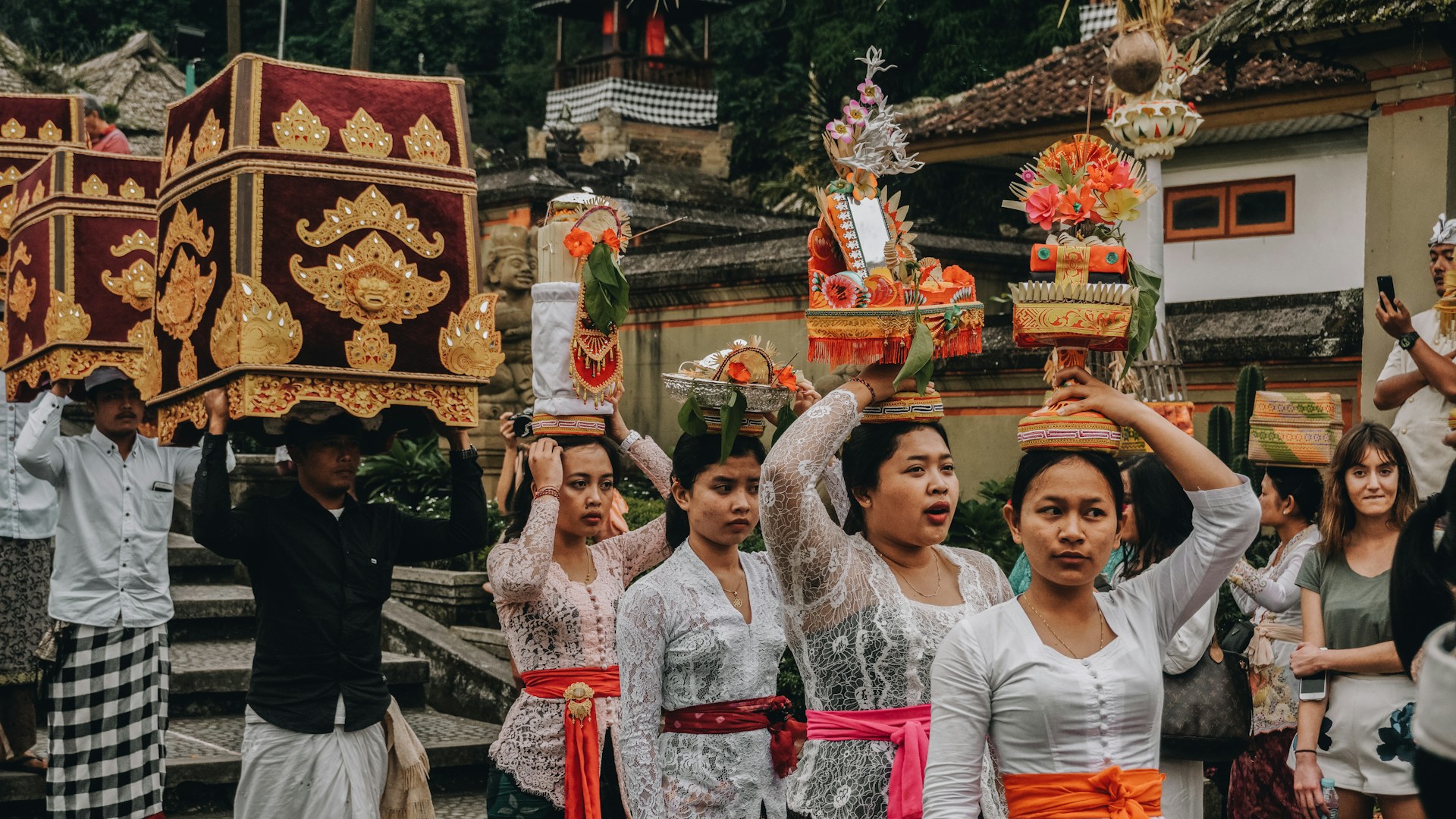
Bali is synonymous with a vibrant living culture—from traditional ceremonies and dances to major celebrations such as Galungan and Nyepi. This culture is not only preserved but also presented openly and in a visitor-friendly manner, making it easy for tourists to experience.
This advantage sets Bali apart from many other regions, such as Toraja in Sulawesi or Minangkabau in Sumatra, which also possess rich cultural heritage but are not as easily accessible to general tourists.
More Developed Infrastructure
Bali’s global connectivity is supported by Ngurah Rai International Airport, which receives direct flights from Asia, Australia, and even the Middle East. Upon arrival, travelers can easily find transportation, accommodations, and tourism services.
Bali’s tourism infrastructure, from hotels and restaurants to attractions and public services, has been developed intensively and caters well to international visitors.
In contrast, other destinations in Indonesia generally require additional travel, such as extra flights, long sea journeys, or navigating facilities that are not yet well organized. These factors make Bali the most practical choice for global travelers.
Strong Branding and the Role of International Media

Bali’s identity as the “Island of the Gods” is powerful and memorable. The nickname evokes spiritual imagery, natural beauty, and cultural depth that captivate many travelers.
International media have reinforced this image, including popular films that refer to Bali as if it were its own country.
In the film The Fall, Bali is depicted as a standalone location rather than being mentioned as part of Indonesia. In the film adaptation of Eat Pray Love, the main character refers to traveling to "Italy, India, and Bali," even though the book lists the countries by name. These portrayals continually shape the global perception of Bali as an independent destination.
Perceptions of Safety, Comfort, and Modern Facilities

Bali is widely known as a safe and comfortable destination, with communities accustomed to serving international visitors. This sense of safety is a major factor influencing foreign tourists’ choices.
Beyond that, Bali excels in digital connectivity, offering relatively stable internet across various areas—making it attractive to digital nomads, remote workers, and influencers who rely on online access. Many regions of Indonesia do not yet offer the same technological support, which makes Bali more competitive as a modern travel hub.
The Influence of Colonial History
During the colonial era, the Dutch intentionally distinguished Bali from the rest of the Dutch East Indies. The island was promoted as a “living cultural museum,” a place where classical traditions were preserved to attract the outside world.
This narrative persisted into the modern tourism era and became the foundation of Bali’s image as a unique center of traditional culture. By the time tourism expanded rapidly in the 1960s, Bali was already well positioned to become Indonesia’s global showcase.
Bali remains the first face the world sees when talking about Indonesia, serving as a gateway for many tourists who later explore other regions of the archipelago.
However, elevating other destinations to the global stage will require long-term promotional strategies, improved accessibility, and more evenly developed infrastructure—the very foundations that have made Bali known worldwide.


