Racket sports, in their various forms, have long been a favourite amongst diverse groups. Beyond being healthy, these sports offer an enjoyable social and competitive aspect.
One discipline currently gaining significant popularity in Indonesia is padel. This sport, which blends elements of tennis and squash, is not just a trend in Jakarta but is also spreading to other major cities like Bali and Yogyakarta.
Data from The International Padel Federation (FIP), released by the Indonesian National Sports Committee (KONI), confirms this surge, ranking Indonesia sixth for the most rapid development of padel in Southeast Asia and 29th in the world.
In Bali, the passion for racket sports is embodied by the courts of the Liga.Tennis club, opened in 2019 by the couple Dmitry Shcherbakov from Ukraine and his wife, Nyoman Ayunanda, of Balinese-Semarang descent.
Attracting Diverse Demographics, Especially Women
The racket sport courts of Liga.Tennis in Bali have become a melting pot for a highly diverse community. The club successfully attracts interest from various market segments, ranging from local residents and expatriates living in Bali to tourists wanting to stay active during their holidays.
Interestingly, women are the primary players dominating the courts during the daytime. Liga.Tennis Director, Jordan Sanchez explained that this female demographic often consists of mothers. After dropping their children off at school, they utilize their time for exercise and socialisation.
"Women players are the most active during the day, while men often dominate the courts in the evening. We also have a strong base of junior players, and our programs are designed to cater to all levels and age groups. This is a consistent pattern that forms the foundation of our operational strategy," Jordan told GNFI at Liga.Tennis & Padel Ubud on Saturday (11/1).
Each location also possesses a unique character. In Ubud, for instance, the club is frequently visited by a community of foreigners and locals focused on healthy and holistic lifestyles, making the presence of racket sport facilities a perfect complement.
"In Ubud, we attract both foreign expats and local residents focused on health and holistic activities. Our presence complements their lifestyle, offering a more sporty physical activity that still aligns with wellness values," he said.
A Grand Vision: Expansion Towards 77 Clubs
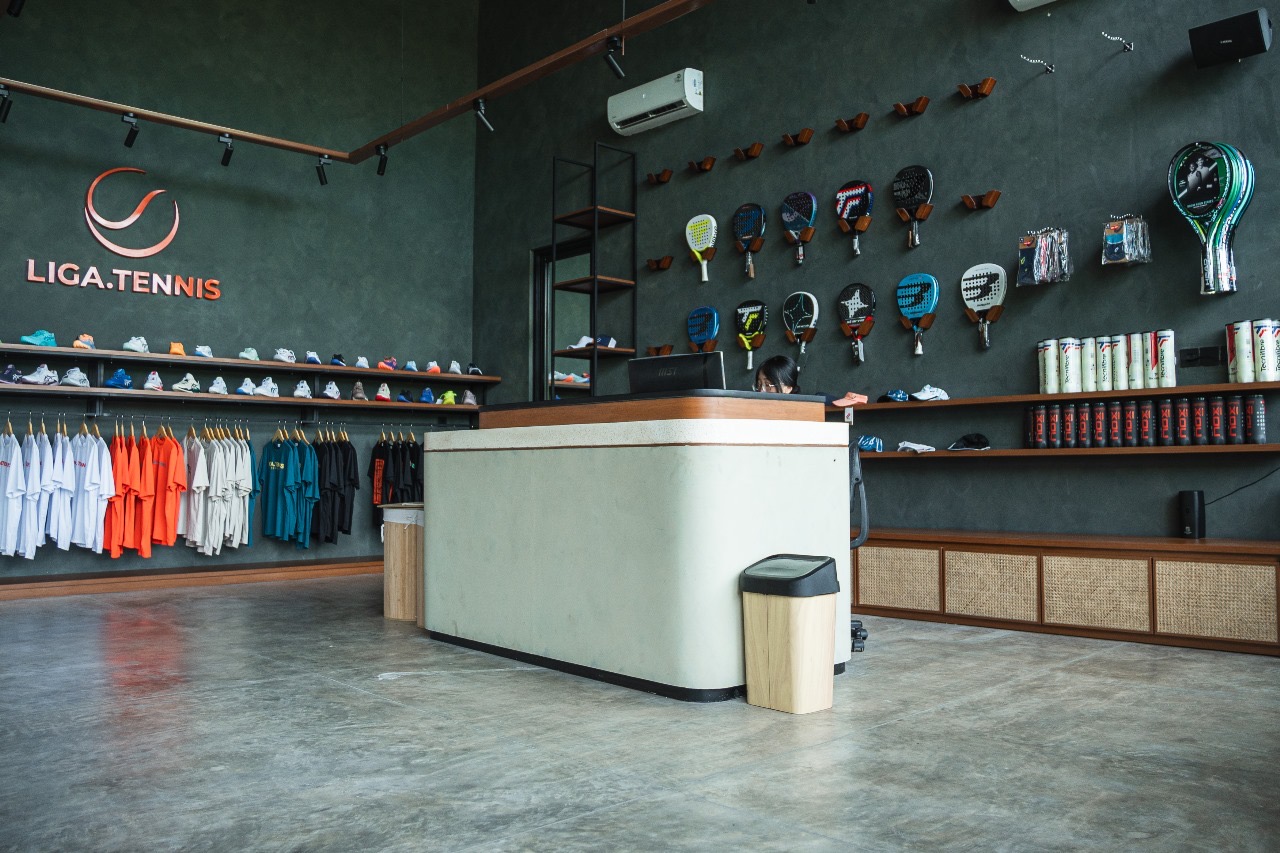
Liga.Tennis's ambitions do not stop in Bali. They have a highly aggressive expansion target: to build 21 facilities within two years and 77 facilities within the next ten years.
By 2025, Liga.Tennis had expanded significantly. They operate several clubs in Bali, located in Umalas, Sanur, Nusa Dua (situated at the Hilton), Seminyak, Sumba (located at NIHI Sumba), and Ubud.
No less than eight new locations are in the construction and preparation stages, spread across Bali and outside Bali, such as Malang, Manado, Semarang, and Jakarta. They are also planning to expand to the international stage with a club being prepared in Antalya, Turkey.
The grand vision behind this expansion is to establish Indonesia as a global hub for racket sports—a dream built upon their success on the Island of the Gods.
Consistency: The Key to Facing a Myriad of Challenges
The path to 77 clubs is, of course, not without obstacles. The biggest challenge is finding the right location—one that is not only strategic but also has a strong community impact and is shielded from extreme tourist season fluctuations.
For example, while Labuan Bajo was considered for expansion, research indicated that the timing isn’t ideal yet due to the market’s heavy reliance on the sailing season. Legal aspects are also a serious concern, given that regulations can differ between regions, such as between Bali and Java.
Liga.Tennis ensures it always complies with all local government regulations, a principle they firmly uphold to ensure smooth and sustainable business operations. To maintain quality and member satisfaction across all clubs, they implement a standardised system.
"The biggest challenges are location and legal compliance. We are very strict in ensuring all clubs comply with government regulations. The process might be longer and more costly, but it allows us to sleep calmly, and run our business comfortably for the next 25 years, without worrying about legal issues," Jordan emphasised.
With the singular mission of "Inspiring people to live better through racket sports," along with identical core values and Standard Operating Procedures (SOPs) at every branch, the member experience remains consistent, much like a renowned coffee chain, even though each location has its own unique ambiance.
From one Liga, two Ligas, or 77 Ligas, Jordan said, Liga.Tennis strives to show the same foundation. When entering any branch, players will feel the same standard and experience, albeit with a local touch at each location.
"Ubud feels more exotic, Sanur is more luxurious, and Umalas is always bustling like a supermarket, but they are all Liga.Tennis with identical core values and SOPs," he added.
Synergy with Tourism
As a business based in Bali, the tourism sector significantly influences Liga.Tennis's operations. Some locations, such as the padel club in Seminyak and the tennis courts in Nusa Dua, rely on tourists for over 50 percent of their visits.
However, this dependency is balanced by a stable base of local and expatriate members. The resilience of this business was proven during the COVID-19 pandemic. While other sectors were paralysed, Liga.Tennis actually experienced an increase in demand.
"COVID was a turning point for Liga.Tennis. We became one of the few facilities in Indonesia to achieve 100% occupancy. While everyone else was struggling, we saw an increase in demand," stated Jordan.
Liga.Tennis remained open with strict health protocols, such as eliminating group activities, implementing one-on-one sessions, providing handwashing stations, and mandating masks.
Promoting tennis as a safe sport due to the spacious court dimensions became a key selling point. Even amidst uncertainty, they dared to build new facilities, capitalising on a moment when competition was low but public demand for safe outdoor activities was high.
Building with a Collaborative Spirit
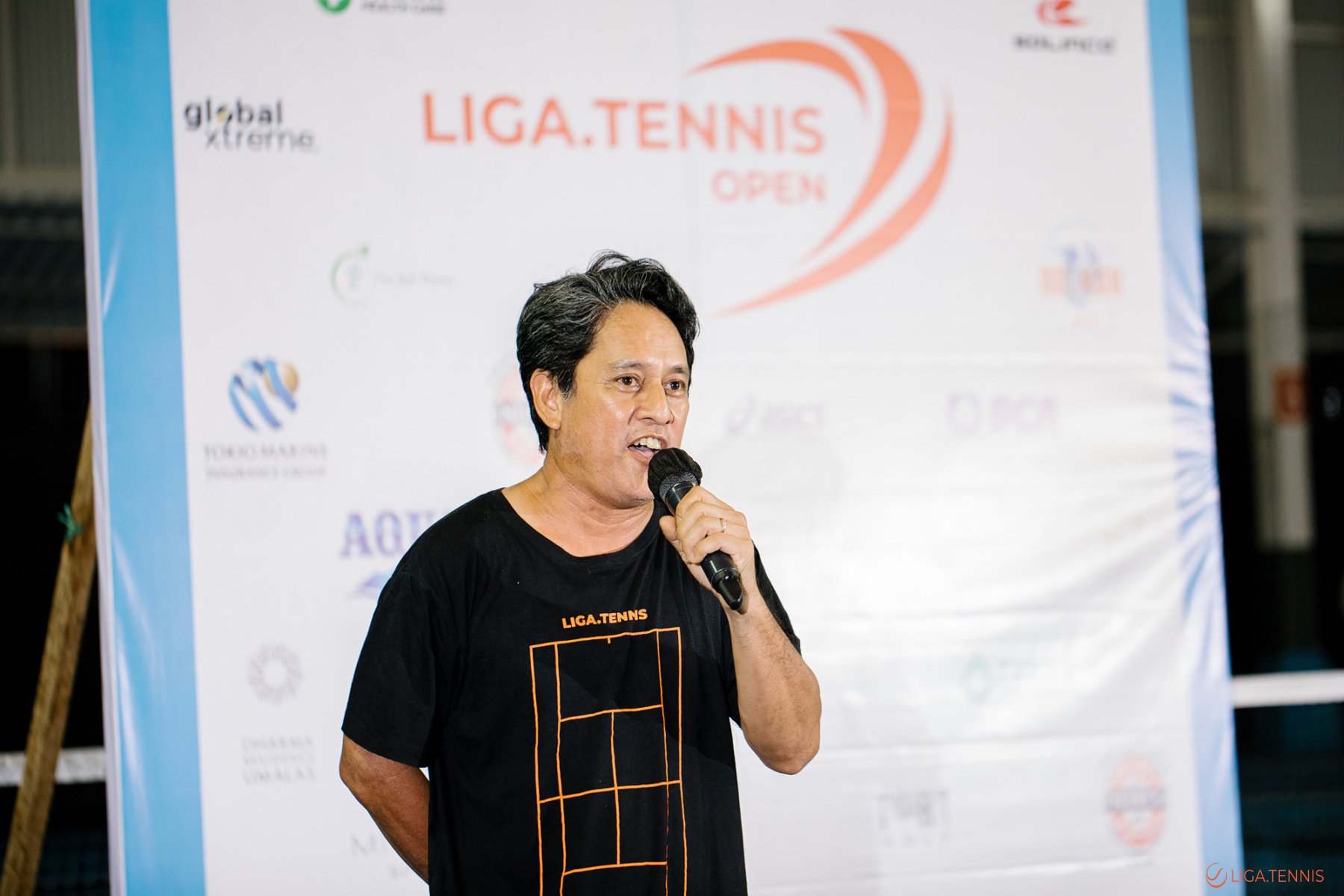
Liga.Tennis's growth strategy is also supported by a spirit of collaboration. They foster strong relationships with relevant sports federations, such as the Indonesian Lawn Tennis Association (PELTI) and the Indonesian Padel Association.
Liga.Tennis also runs a tennis foundation in Bali to train potential local athletes, demonstrating their commitment to developing sports from the grassroots level.
"We have a strong relationship with PELTI and the Padel Association. We are open to collaboration, but the main focus currently is opening new facilities. Every national athlete starts from the community, and that's where our role lies—to be a home for both club players and potential future talents," Jordan explained.
Openness to cooperating with athletes, sports organisations, and commercial brands is always maintained. The foundation of all these business activities is compliance with legal aspects.
The combination of a well-planned expansion strategy, solid management systems, and resilience in facing challenges makes the rise of racket sports in Bali, championed by Liga.Tennis, an inspiring and sustainable success story.
This article was created by Seasians in accordance with the writing rules on Seasia. The content of this article is entirely the responsibility of the author.