


The United States dollar is one of the most influential currencies in the world. Beyond the borders of the US, several countries have officially adopted it as their main legal tender, a process often called dollarization.
These nations typically choose the dollar to promote economic stability, control inflation, or encourage international trade. Below are ten countries where the US dollar plays a central role in daily economic life.
1. Ecuador

Ecuador adopted the US dollar in 2000 after a severe financial crisis that caused hyperinflation and banking instability. By replacing its former currency, the sucre, Ecuador aimed to restore confidence in the economy.
Dollarization helped stabilize prices and reduce inflation, though it also limited the government’s ability to control monetary policy. Today, the dollar is fully integrated into Ecuador’s economy, from wages to government spending.
2. El Salvador
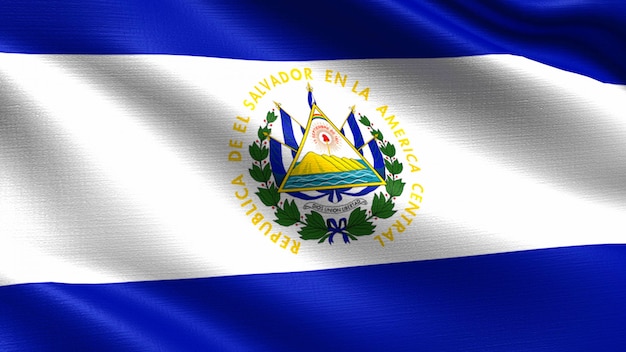
El Salvador became the first country to adopt the US dollar alongside its national currency, the colón, in 2001. Over time, the colón was phased out, leaving the dollar as the dominant currency.
The move reduced exchange rate risk and made trade and remittances from Salvadorans abroad easier. While the policy lowered interest rates, it also reduced flexibility during economic downturns.
3. Panama

Panama has used the US dollar for over a century, since gaining independence in 1903. The country issues its own coins, known as the balboa, but they are equal in value to the dollar and used alongside US banknotes.
Dollarization has contributed to Panama’s strong banking sector and reputation as a regional financial hub. The system has helped maintain low inflation and attract foreign investment.
4. Timor-Leste

After gaining independence in 2002, Timor-Leste adopted the US dollar to provide immediate economic stability. As a young nation with limited financial institutions, using a stable foreign currency helped control inflation and simplify economic management.
While the dollar supports price stability, it also makes exports more expensive and limits the government’s monetary tools.
5. Micronesia

The Federated States of Micronesia, a Pacific island nation, uses the US dollar as its official currency under a Compact of Free Association with the United States. The dollar simplifies trade and financial relations with its major economic partner.
Given the country’s small size and limited industrial base, adopting the dollar reduces the costs of maintaining an independent currency system.
6. Palau

Palau, another Pacific island country, also uses the US dollar as its main currency. Tourism is a major part of Palau’s economy, and the dollar makes transactions easier for international visitors, especially those from the United States.
The use of the dollar supports economic stability but, like in other dollarized nations, limits local control over monetary policy.
7. Marshall Islands
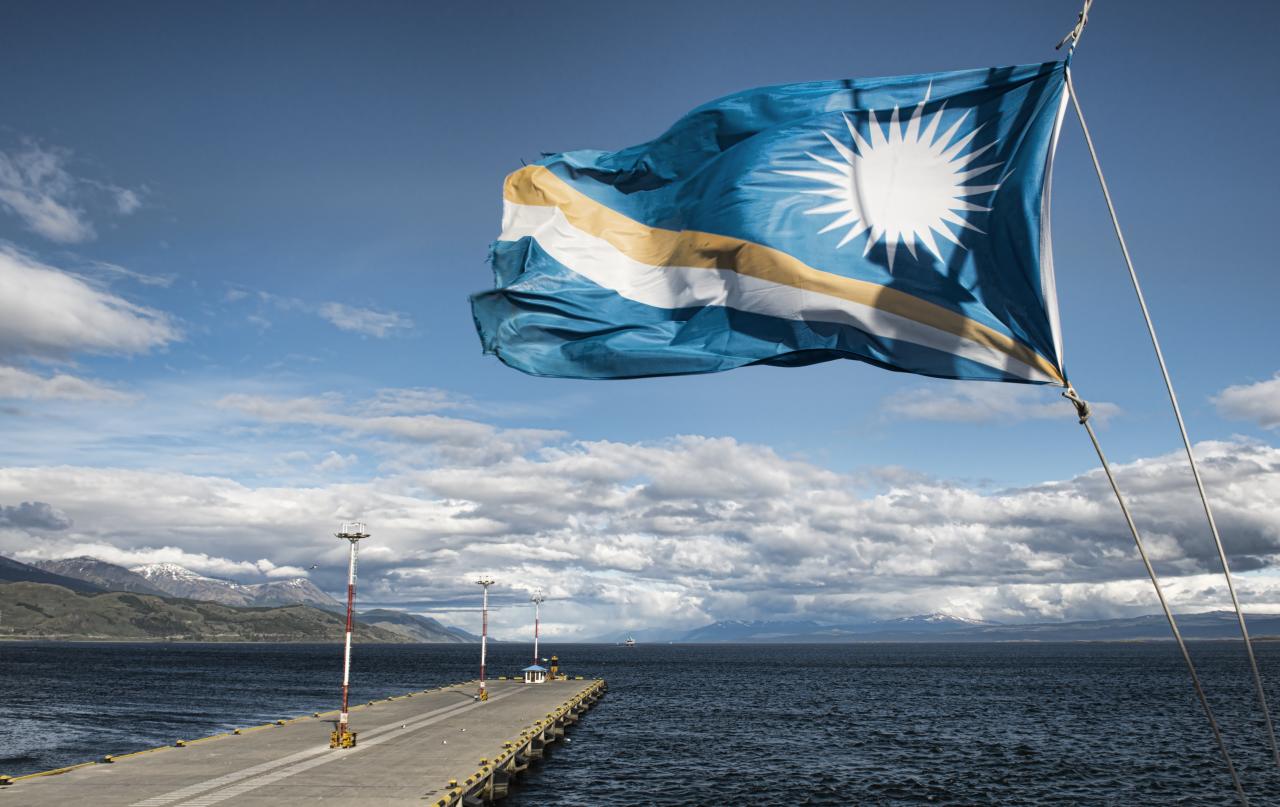
The Marshall Islands rely on the US dollar as their official currency as part of their close political and economic ties with the United States.
The dollar helps ensure stable prices in an economy that depends heavily on imports and foreign aid. Using a widely accepted currency also reduces exchange rate risks for trade and government finances.
8. Zimbabwe

Zimbabwe began using the US dollar widely in 2009 after years of extreme hyperinflation rendered its national currency nearly worthless. Dollarization helped stabilize prices, restore basic market functions, and rebuild trust in the economy.
Although Zimbabwe later reintroduced a local currency, the US dollar has remained the primary medium for savings, pricing, and many everyday transactions.
For much of the population and business sector, the dollar is seen as more reliable than domestic alternatives, making it central to economic life despite ongoing policy changes.


