

In many parts of the Western world, Christmas is closely associated with roast turkey, cranberry sauce, and a largely uniform festive menu. In Southeast Asia, however, Christmas is celebrated through a far more diverse culinary tradition, shaped by coconut milk, bold spices, and recipes passed down across generations.
As a region marked by a long colonial history yet deeply rooted local cultures, Southeast Asia offers a distinctive Christmas table. Food becomes more than a seasonal indulgence. It reflects cultural encounters, adaptation, and a strong sense of togetherness that remains central to the celebration.
Here are five iconic Christmas dishes that show how Southeast Asia celebrates Christmas in its own way, rich in flavor, history, and communal meaning.
1. The Philippines: Lechon and Bibingka at the Heart of Noche Buena
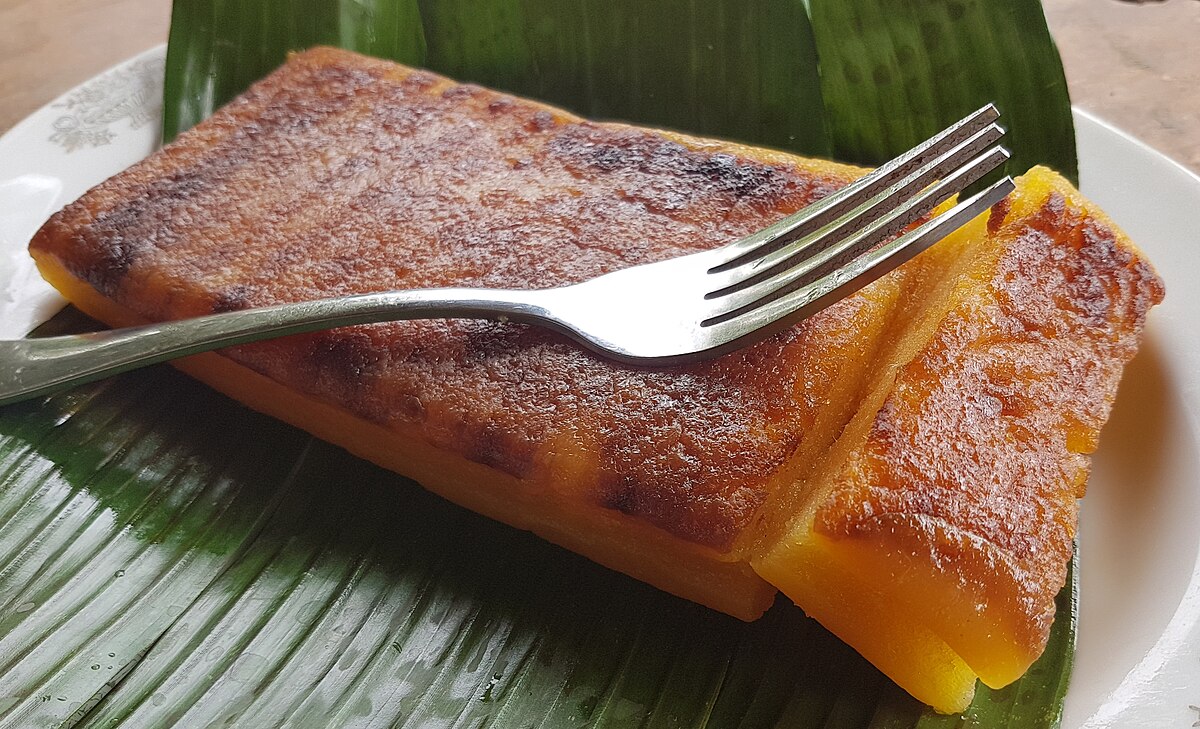
In the Philippines, Christmas is inseparable from Noche Buena, the family feast held after Midnight Mass. The centerpiece of this celebration is lechon, a whole roasted pig known for its crisp skin and tender meat, slow cooked over hours.
Lechon is more than a festive dish. It symbolizes abundance and the joy of extended families gathering together. It is often accompanied by bibingka and puto bumbong, rice cakes made from glutinous rice and cooked in bamboo, then served with grated coconut and palm sugar.
These treats are commonly enjoyed after the series of dawn masses known as Simbang Gabi, making them an essential part of the Filipino Christmas experience.
2. Indonesia: Ayam Kodok and Klappertaart as Colonial Legacies
In Indonesia, particularly among Christian communities in Jakarta and Manado, Christmas cuisine reflects a blend of local tradition and Dutch colonial influence.
One of the most distinctive dishes is ayam kodok, literally meaning “frog chicken.” A whole chicken is carefully deboned, stuffed with seasoned minced meat and boiled eggs, then roasted until golden. The process is elaborate, but the dish is reserved for special occasions, symbolizing patience and celebration.
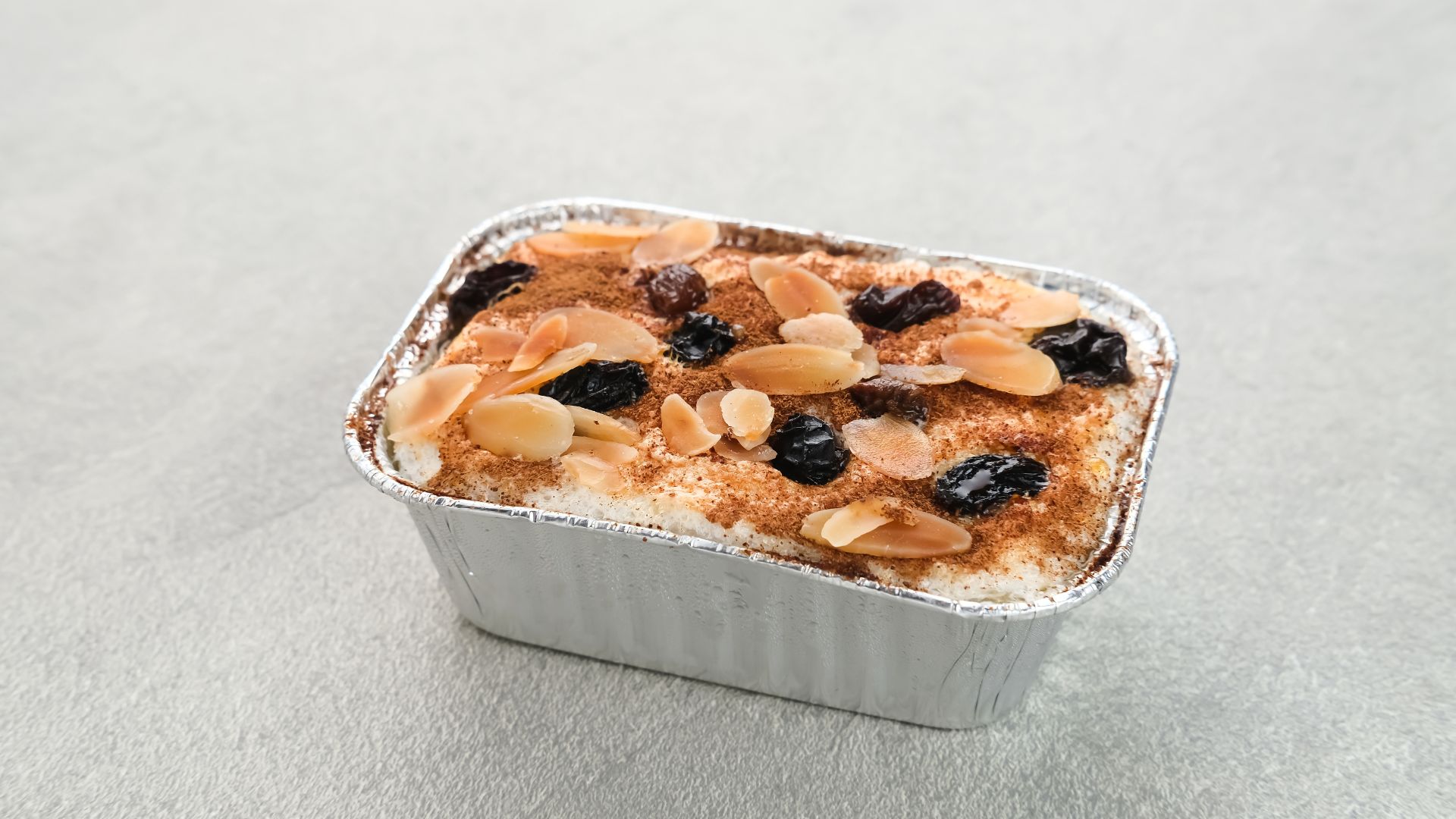
For dessert, klappertaart, a Manado specialty made from young coconut, milk, and raisins, often appears on the Christmas table. Originally inspired by European custard desserts, it has evolved into a tropical classic that remains closely associated with Christmas gatherings in eastern Indonesia.
3. Malaysia and Singapore: Devil’s Curry and the Power of Spice
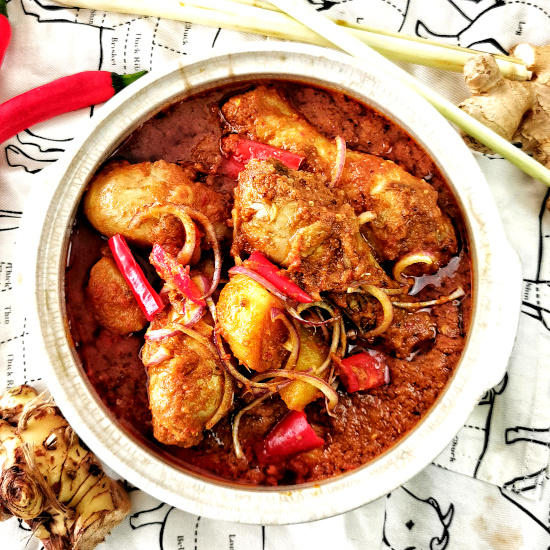
In Melaka and Singapore, the Kristang community, descended from Portuguese Eurasian heritage, serves Devil’s Curry, also known as kari debal, as a Christmas staple. The dish is intensely spicy and tangy, made with chilies, vinegar, and galangal.
Traditionally, Devil’s Curry is prepared using leftover roasted meat from Christmas Eve, reflecting a practical yet communal approach to festive cooking. The dish highlights how spice plays a central role in Christmas celebrations in the tropics, where warmth at the table comes from bold flavors rather than winter weather.
4. Viet Nam: Bûche de Noël with a Local Twist
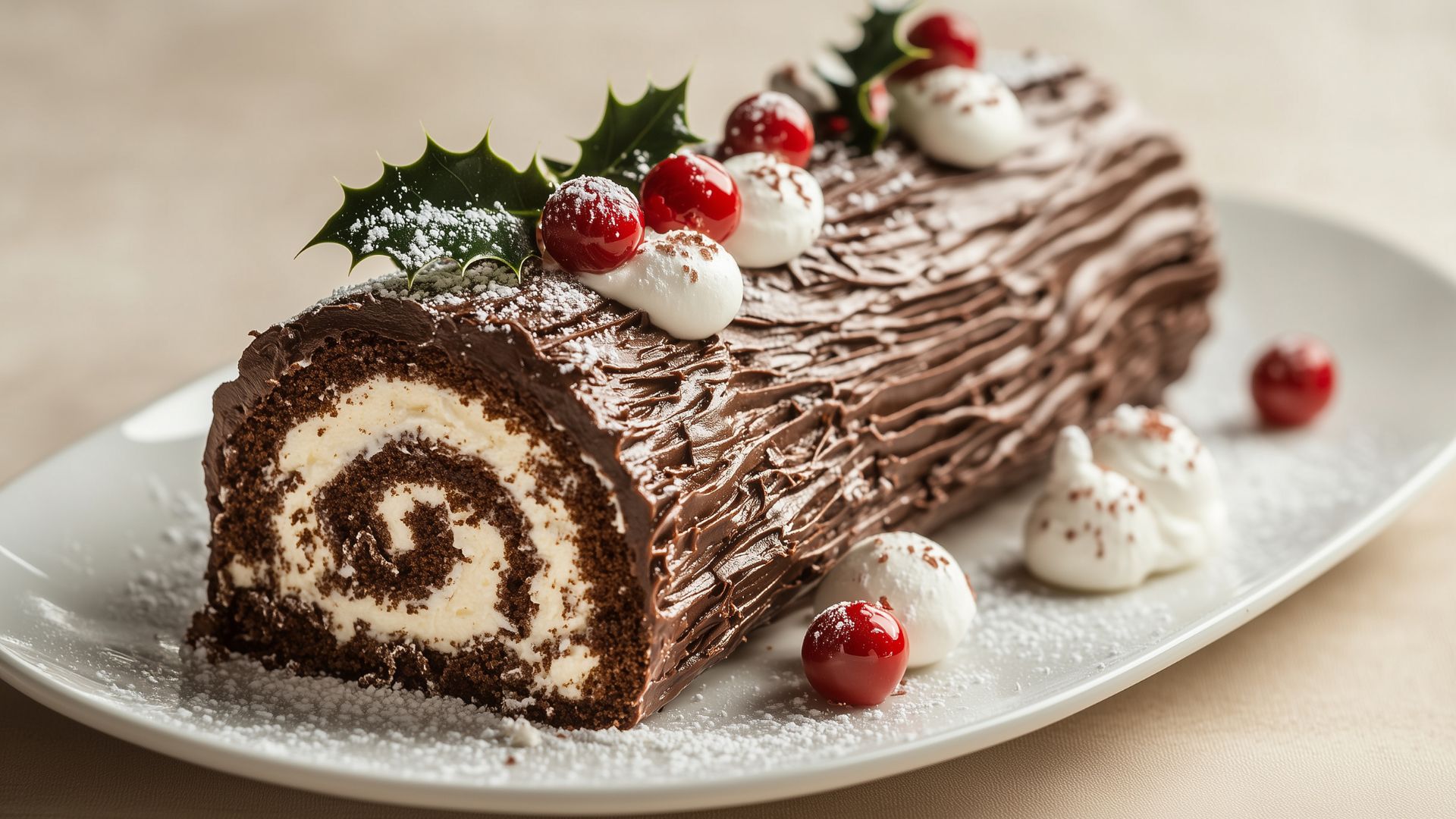
French influence on Christmas celebrations in Viet Nam is most visible through Bûche de Noël, the classic Yule log cake. While European in origin, Vietnamese versions often incorporate local touches, such as strong Vietnamese coffee flavors or locally produced chocolate with deeper bitterness.
The result is a dessert that preserves its festive symbolism while adapting to local tastes. It illustrates how colonial culinary traditions have been reinterpreted rather than simply replicated.
5. Timor-Leste: Roast Pork and the Tradition of Sharing

In Timor-Leste, Christmas is marked by a strong communal spirit. Roast pork and meat-based dishes take center stage, prepared collectively and shared among extended family members and neighbors.
More than any single recipe, the emphasis lies on eating together. Christmas becomes a moment to strengthen social bonds and express solidarity, reflecting values that remain deeply rooted in Timorese society.
Why Christmas Food in Southeast Asia Is So Distinctive
Two key patterns set Southeast Asia’s Christmas cuisine apart from Western traditions. The first is ingredient adaptation, such as replacing wheat and butter with glutinous rice and coconut milk.
The second is the prominence of spices, which lend warmth and identity to festive meals in a region historically shaped by the spice trade.
Rather than adhering to a fixed menu, Christmas food in Southeast Asia continues to evolve, shaped by history, trade, and local creativity.
Christmas, Southeast Asia Style
Ultimately, Christmas in Southeast Asia is not about replicating the dishes seen in Western holiday films.
It is about sitting together, sharing spicy, sweet, and savory flavors passed down through generations. Around the tropical dining table, differences dissolve into a shared celebration of togetherness and gratitude.



