


Who doesn’t like soft drinks? They are perfect for so many occasions from enjoying a meal, while watching TV or gaming, to enjoying some quality time on the beach with your friends or family.
But who are supplying our favorite drinks? We will explore 10 countries that are the global leaders in soft drinks exports and how they have carved out a significant presence in the international soft drinks market.
1. Austria

Austria’s soft drinks export sector accounts for 9.6 percent of global exports, placing it at the top of this list. Known primarily for its quality standards, Austria’s beverage industry has a reputation for trustworthiness and innovation.
Austrian soft drinks range from mere traditional mineral waters to a variety of fruit-based beverages.
Austrian producers have capitalized on the growing demand for healthier drink alternatives, offering products with reduced sugar and natural ingredients that appeal to health-conscious consumers worldwide.
The country’s strategic location in the heart of Europe also facilitates efficient distribution to neighboring markets, further boosting export performance.
2. Germany

Germany holds a similarly strong position in the global soft drinks export market with 9.5 percent.
The German beverage industry is diverse and highly competitive, producing a wide array of soft drink products including sparkling beverages, fruit juices, and non-alcoholic malt drinks.
German manufacturers are recognized for their engineering precision, which translates into high production standards and advanced packaging technologies. This reputation helps German soft drinks compete effectively in international markets.
Additionally, Germany’s extensive logistics infrastructure and strong trade links across Europe and beyond support its substantial export volumes.
3. The Netherlands

At 8.7 percent of global soft drinks exports, the Netherlands is another key player in this industry. The Dutch beverage sector benefits from the country’s long-standing role as a trading nation and its world-class port facilities, particularly the Port of Rotterdam.
These logistical advantages allow Dutch soft drink producers to move goods swiftly and cost-effectively to markets around the world.
The Netherlands is also known for innovation in beverage formulation and sustainable packaging, appealing to both traditional markets and environmentally conscious consumers.
4. Thailand
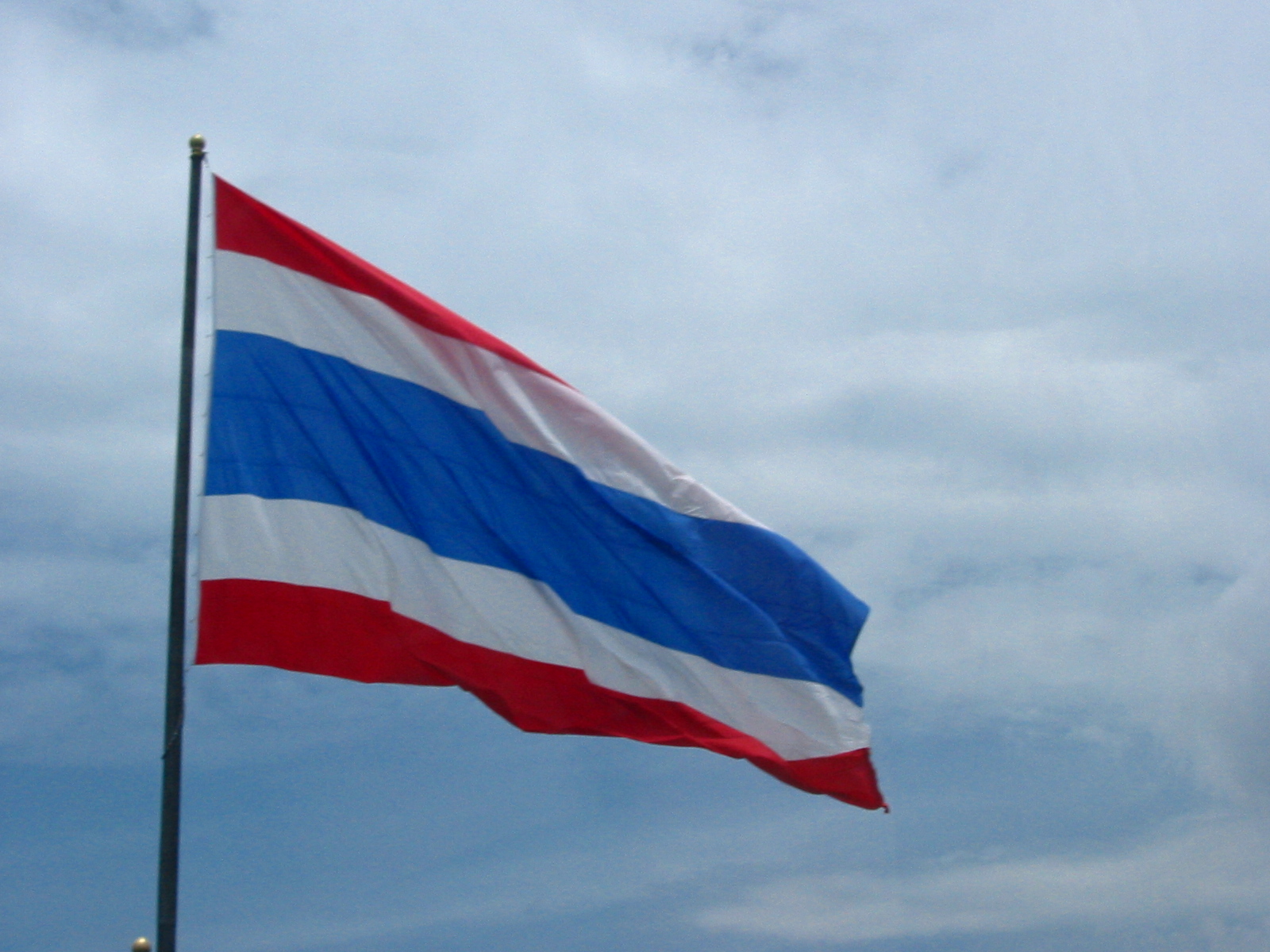
Thailand’s share of the global soft drinks export market stands at 5.4 percent, reflecting its growing influence beyond Southeast Asia.
The country has developed a strong reputation for producing flavorful soft drinks that incorporate local tastes, such as tropical fruit beverages that leverage Thailand’s rich agricultural resources.
Thai companies have increasingly targeted export markets in Asia, the Middle East, and Africa, where there is a rising appetite for diverse and exotic drink options.
Government support for export promotion and investment in quality control have further bolstered Thailand’s position in the global soft drinks trade.
5. United States

The United States contributes 5.1 percent of global soft drinks exports, reflecting the scale of its beverage industry. American soft drinks are known worldwide, with iconic brands that have become household names in many countries.
The U.S. market is highly innovative, continuously introducing new flavors, functional beverages, and low- or no-sugar options that attract global consumers.
Even as domestic consumption is significant, U.S. producers maintain a strong export presence through partnerships, franchising, and localized production in key regions.
The country’s marketing prowess and brand recognition help solidify its influence in the global soft drink arena.
6. Switzerland

Switzerland accounts for 5 percent of soft drinks exports. This might seem surprising given the country’s relatively small population, but Switzerland’s beverage industry emphasizes quality, niche products, and premium positioning.
Swiss soft drinks often appeal to niche markets that value natural ingredients, artisanal production methods, and premium branding.
Although Switzerland’s export volumes may not rival larger countries, the value of its exported beverages is significant, underscoring the importance of brand reputation and product differentiation in international markets.
7. Mexico
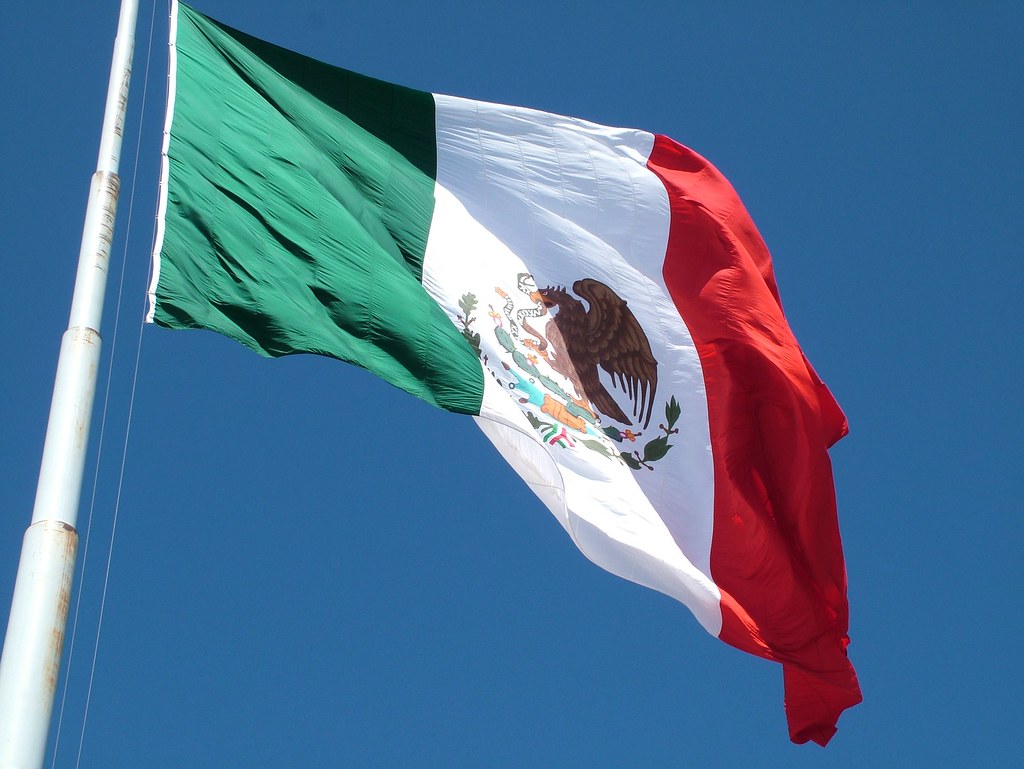
Mexico’s share of the global soft drinks export market is 4 percent, supported by its long tradition of producing distinctive beverages. The country’s soft drink industry has established strong export links, particularly with markets in North and Latin America.
Mexican soft drink brands often evoke cultural identity, with unique flavors that have gained popularity beyond national borders. Furthermore, Mexico’s proximity to major markets such as the United States provides logistical advantages that enhance its export competitiveness.
8. Belgium

Belgium contributes 3.7 percent to global soft drink exports. The Belgian beverage sector is characterized by a mix of traditional flavors and contemporary innovations.
Belgian producers have focused on quality and diversity, offering products ranging from fruit juices to carbonated drinks and functional beverages.
The country’s central location in Europe and access to major transportation networks facilitate export operations. Belgian soft drinks find their way to neighboring European markets as well as regions further afield.
9. France
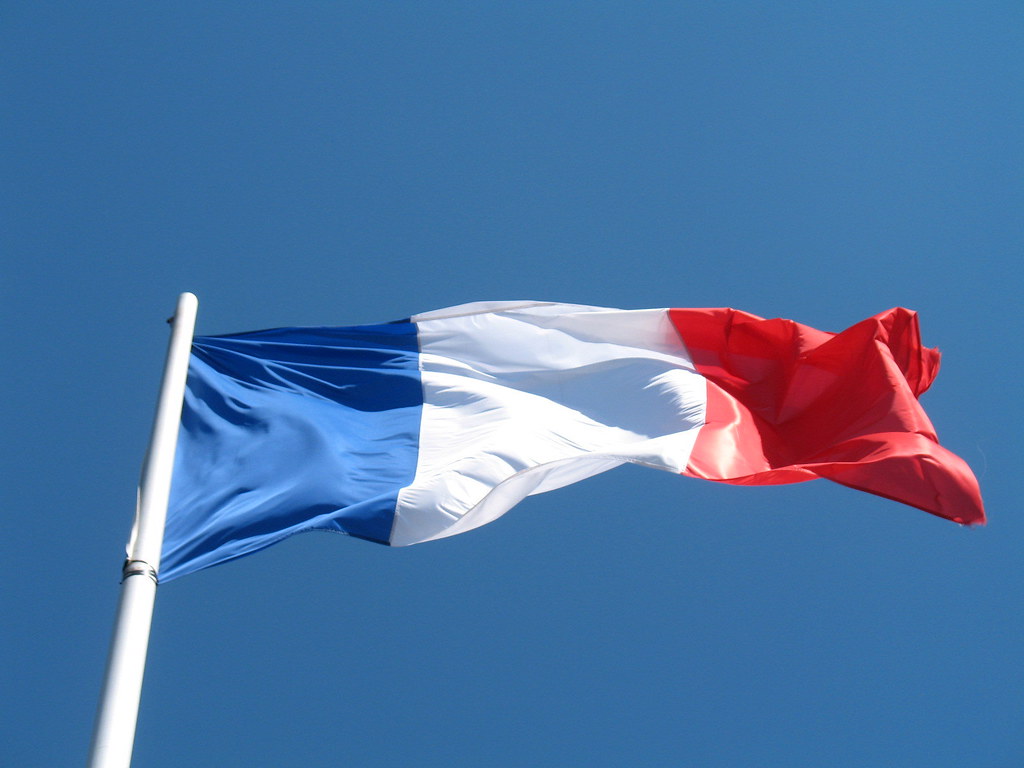
France holds 3.4 percent of global soft drinks exports, underpinned by its strong food and beverage industry. French soft drinks often emphasize flavor sophistication and use of high-quality ingredients.
In addition to classic fruit beverages, French producers have developed artisanal and gourmet drink options that appeal to discerning consumers internationally.
France’s well-established reputation for culinary excellence helps its beverage products stand out in global markets where taste and quality are paramount.
10. Poland

Poland rounds out this list with 3 percent of the global soft drinks export market. The Polish beverage industry has experienced steady growth, driven by competitive pricing and expanding distribution networks across Europe.
Polish producers offer a broad range of soft drinks, including fruit juices, flavored waters, and carbonated beverages.
Investments in modern production facilities and adherence to international quality standards have helped Polish soft drinks gain traction in export markets from Western Europe to the Middle East.
Together, these ten countries illustrate the diverse approaches and strengths that drive success in the global soft drinks export market, from innovation and quality to strategic trade positioning and cultural appeal.


