In Southeast Asia, food is never just about taste. Sometimes, it challenges your nose before it rewards your tongue. Here, aroma is not a warning sign. It is often a promise.
Across markets, roadside stalls, and family kitchens, three ingredients stand tall as symbols of culinary courage: durian, jengkol, and pete. To outsiders, they are often described with one word only, smelly. To locals, they are something else entirely. They are identity, nostalgia, and pride, rolled into flavors that refuse to play it safe.
This is Southeast Asia’s “unholy trinity” of taste: bold, divisive, and unmistakably ours.
Durian: The King Who Divides the World
No ingredient represents Southeast Asian food culture more dramatically than durian. Crowned the “King of Fruits” across Indonesia, Malaysia, and Thailand, durian is arguably the most polarizing fruit on the planet.
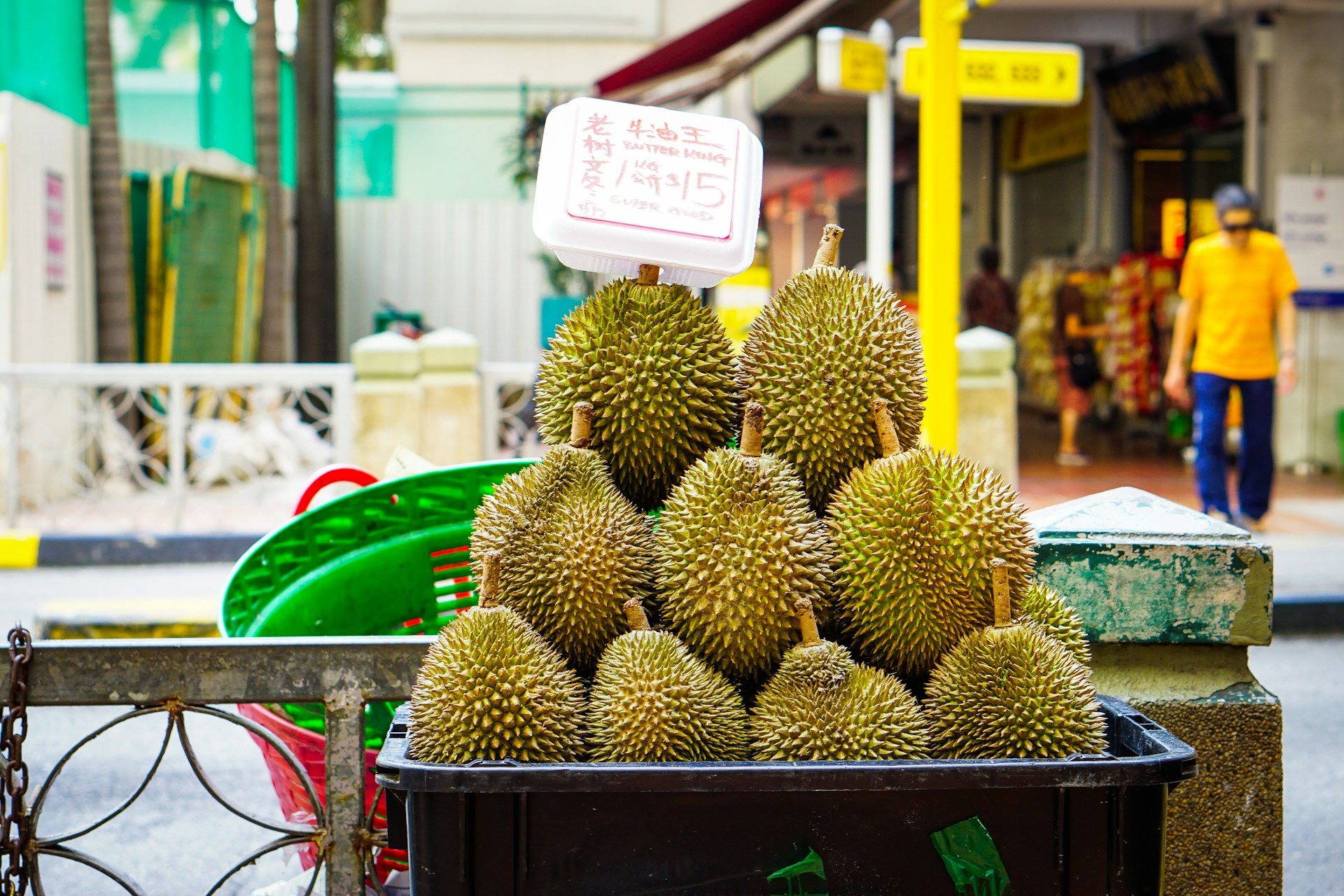
Its aroma is so intense that hotels, trains, and public transport systems across Asia explicitly ban it. Yet behind the spiky shell lies a texture that locals describe as custard-like, buttery, and deeply complex. Sweet, bitter, and creamy all at once, durian offers a sensory experience few foods can match.
For many Southeast Asians, durian season is not just a harvest period. It is a celebration. From fresh fruit eaten on plastic stools to durian-infused desserts, pancakes, ice cream, and sticky rice, the fruit has evolved into a cultural phenomenon. What some consider an assault on the senses is, for millions, pure indulgence.
Jengkol: The Ultimate Comfort Food for the Brave
If durian rules the spotlight, jengkol thrives in quiet loyalty. Known mainly in Indonesia, Malaysia, and parts of southern Thailand, jengkol has one of the most notorious reputations in regional cuisine.
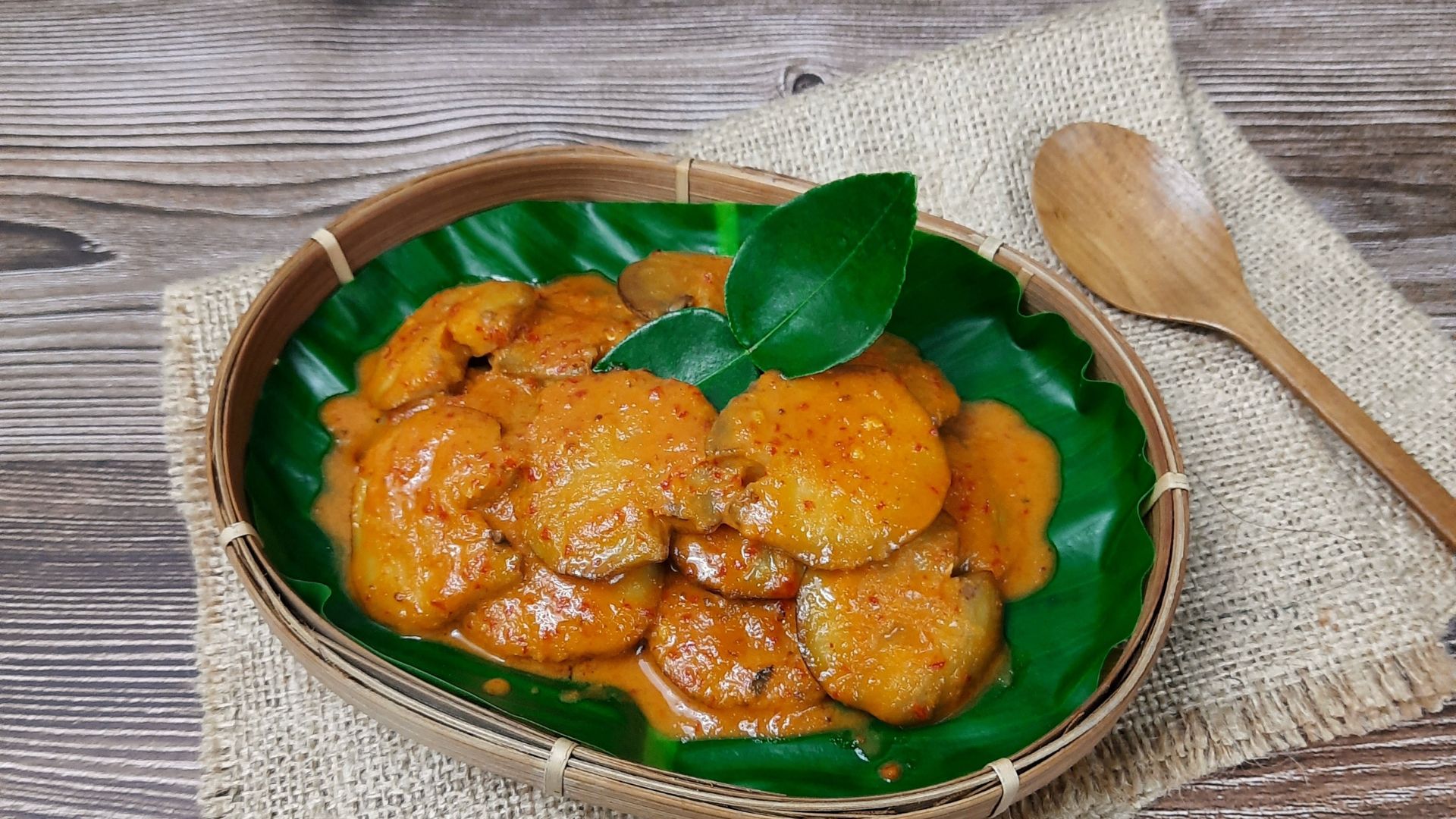
Its smell is legendary, lingering long after the meal is over. But to those who love it, jengkol is irreplaceable. When cooked properly, braised, stewed, or turned into spicy rendang, its texture becomes dense, chewy, and surprisingly meaty.
Jengkol is not a food for tourists. It is a food of memory. A dish that belongs to home kitchens, warungs, and family dinners. For its fans, a plate of rice with jengkol sambal delivers a satisfaction no imported steak ever could. It is comfort food with an attitude.
Pete: The Stink Bean That Refuses to Apologize
Pete, or petai, is perhaps the most honest ingredient of them all. Internationally known as stink beans, these bright green seeds announce their presence the moment the container is opened.
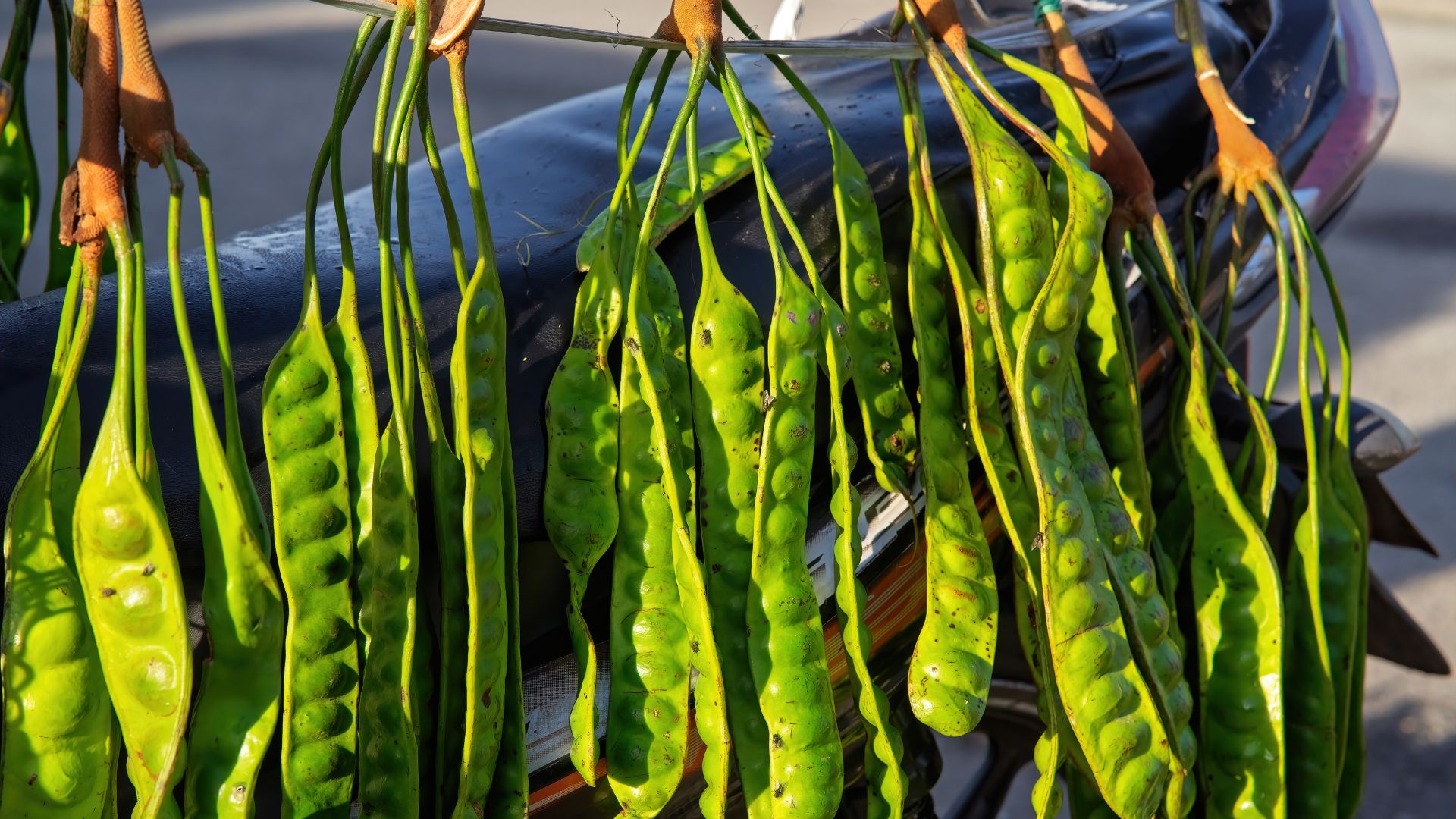
Their sharp aroma divides households instantly. You either crave them or flee the room. There is no middle ground.
Yet pete remains a beloved staple across Southeast Asia. Added to sambal, stir-fries, fried rice, or shrimp dishes, it brings a nutty, slightly bitter crunch that transforms simple meals into something unforgettable. Yes, the smell may linger, but for its fans, that is simply part of the experience.
A Culinary Identity No One Else Can Copy
What makes durian, jengkol, and pete so special is not just their flavor, but what they represent. They are culinary rites of passage. Foods that demand courage, curiosity, and an open mind.
Other cultures may boast strong cheeses or fermented fish, but Southeast Asia’s trio stands apart in its intensity and emotional connection. These ingredients tell a story of abundance, tradition, and confidence. They reflect a region unafraid to embrace flavors that challenge convention.
In a global food culture increasingly shaped by trends and aesthetics, Southeast Asia’s boldest icons remain unapologetically authentic. If one day you catch a sharp aroma drifting through a traditional market, don’t turn away. That smell is not a warning. It is an invitation to understand who we are.