


Hoi An, located on Viet Nam’s central coast, is often described as a living museum. Unlike rapidly modernized cities, Hoi An has preserved much of its historic character, with narrow streets, wooden shophouses, and tiled roofs that reflect centuries of cultural exchange.
Once a major trading port between the fifteenth and nineteenth centuries, the city welcomed merchants from China, Japan, India, and Europe.
This blend of influences shaped Hoi An’s architecture, customs, and spiritual life, giving it a distinctive identity that still defines the city today.
The Tradition of the Monthly Lantern Night

Once a month, during the full moon, Hoi An undergoes a remarkable transformation. Electric lights are turned off in the old town, and the streets are illuminated entirely by lanterns and candlelight.
This event, often referred to as the Lantern Festival or Full Moon Night, is not a performance staged for visitors but a tradition rooted in local beliefs.
The full moon is considered a time of renewal and harmony, when people honor ancestors, release worries, and reconnect with spiritual values.
Why Electricity Is Banned
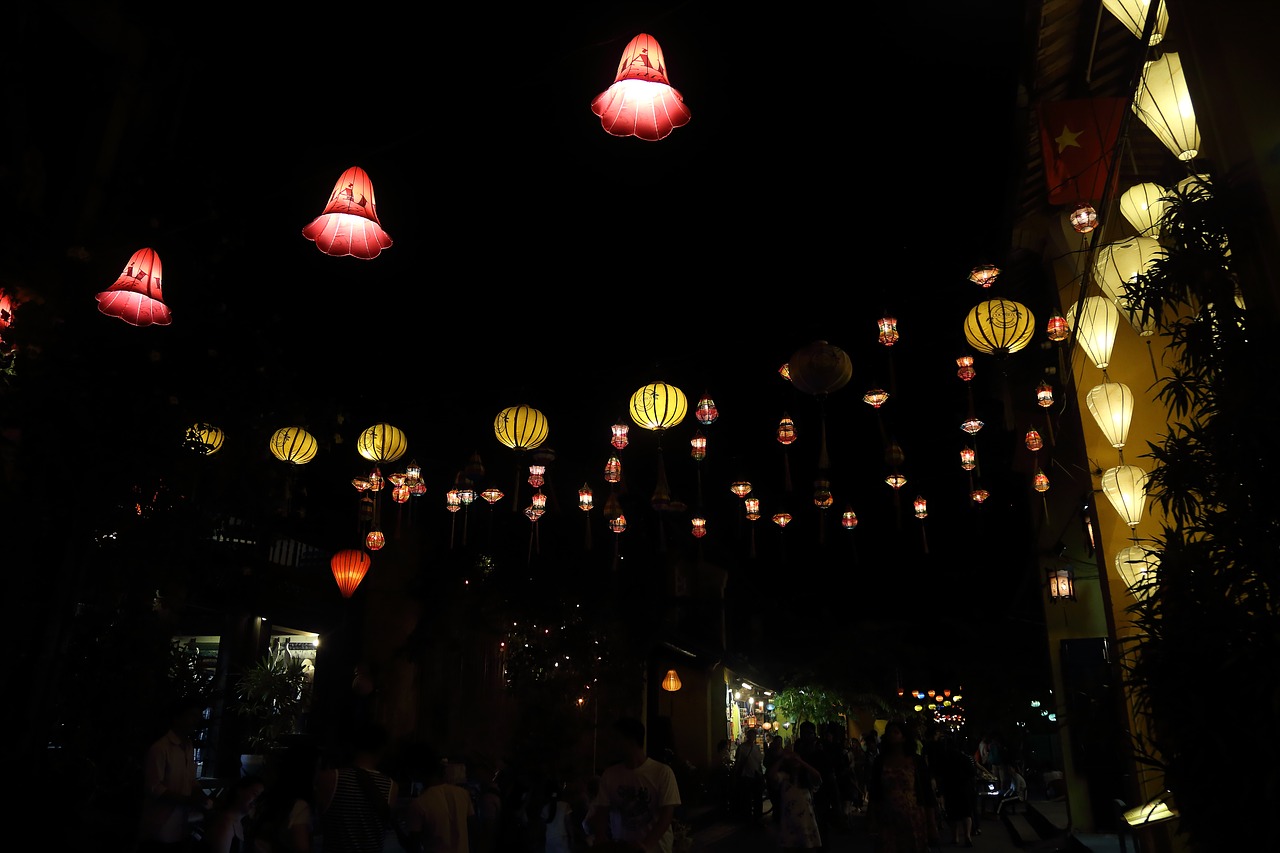
The temporary ban on electric lighting is symbolic as much as it is practical. By removing artificial light, the city restores the atmosphere of earlier centuries, allowing residents and visitors to experience Hoi An as it once was.
The soft glow of silk lanterns reflects on yellow walls and the surface of the Thu Bon River, creating a calm and almost timeless environment. This ritual encourages people to slow down, step away from modern distractions, and appreciate simplicity, community, and reflection.
Symbols of Hope and Memory

Lanterns are central to Hoi An’s cultural identity. Traditionally made of bamboo frames and covered with silk, they come in various shapes and colors, each carrying symbolic meaning.
During Lantern Night, families hang lanterns outside their homes and shops, while others float candle-lit paper lanterns on the river.
These floating lights are often accompanied by silent wishes for health, peace, and prosperity. For locals, the act is deeply personal, connecting present hopes with ancestral traditions.
The Quiet Streets

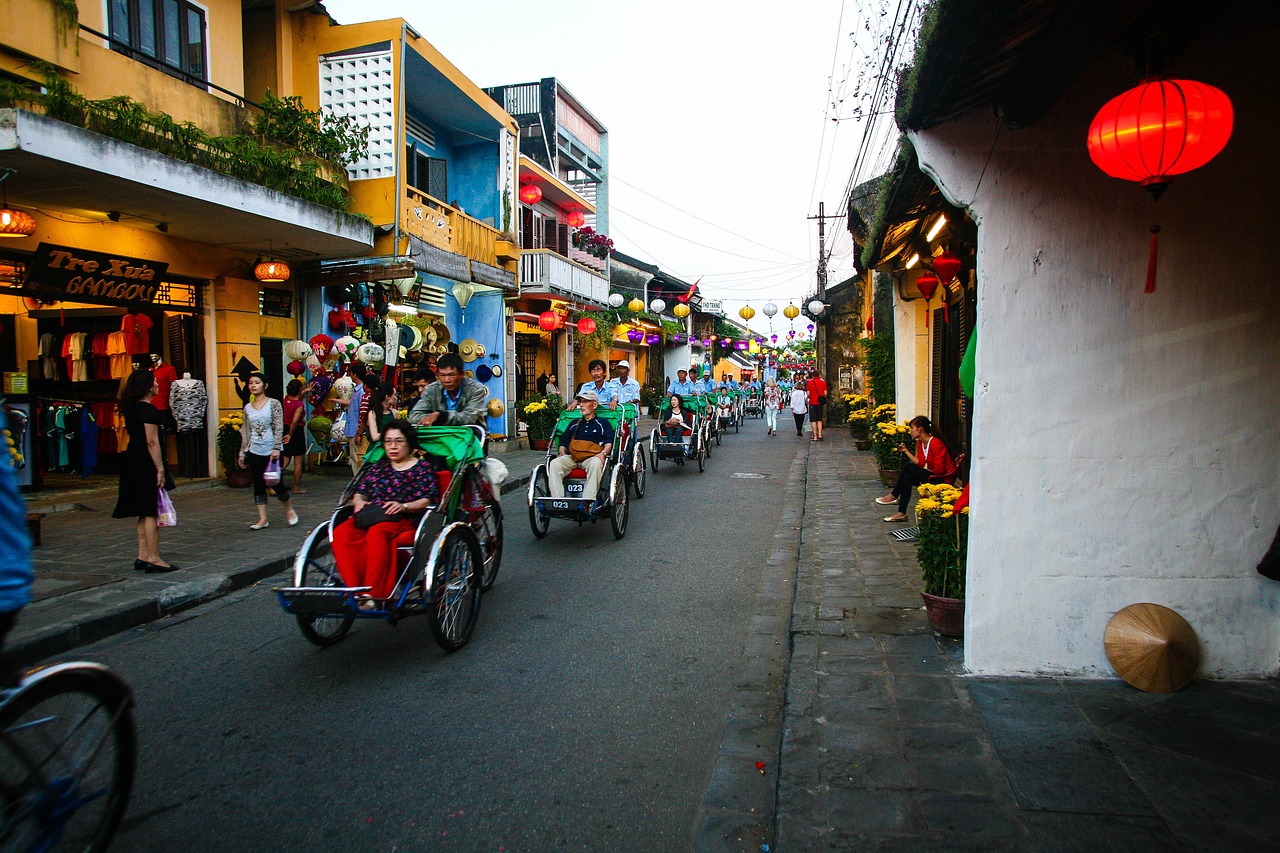
On nights when electricity is banned, the old town also becomes noticeably quieter. Motorized traffic is restricted, and the usual noise of engines and loud music fades away. In its place are footsteps, soft conversations, traditional music, and the sound of the river flowing past.
This calmer rhythm changes how people interact with the city. Neighbors gather, children play traditional games, and visitors wander slowly, not rushed by bright signs or digital screens.
Tourism and Cultural Balance

Hoi An’s lantern nights have become famous worldwide, drawing travelers who want to witness the city bathed in candlelight. While tourism brings economic benefits, it also presents challenges. The city has worked carefully to balance visitor interest with cultural preservation.
By maintaining the tradition primarily as a local ritual rather than a commercial spectacle, Hoi An reinforces the idea that its heritage is lived, not staged. The ban on electricity is a reminder that culture takes priority over convenience.
A Lesson in Sustainable Living
Beyond beauty and tradition, Hoi An’s monthly blackout carries a subtle message about sustainability. Turning off electric lights, even temporarily, highlights alternative ways of living that are less dependent on constant energy consumption.
The city demonstrates that reducing electricity does not mean reducing quality of life. Instead, it can create moments of connection, mindfulness, and environmental awareness. This lesson resonates strongly in a world increasingly shaped by speed and technology.
A City Embracing Tradition in Modern Times

Hoi An’s decision to ban electricity once a month is not about rejecting progress but about choosing balance. The city embraces modern life while protecting the traditions that give it meaning.
Under the glow of lanterns, Hoi An reminds both residents and visitors that history is not something locked in the past. It is something that can be felt, walked through, and lived, especially on nights when the lights go out and the soul of the city shines instead.


