


Indonesia has taken a landmark step in wildlife protection and ethical tourism by officially banning elephant riding attractions across the country.
Although the practice was once common at conservation parks and wildlife tourism facilities, a government directive issued in late 2025 now requires all such institutions to end these activities and shift toward more humane, observation-based experiences.
This move marks one of the most significant changes in how the nation engages with one of its most iconic and endangered species, the Sumatran elephant.
Government Policy and Legal Basis

The ban stems from a formal circular issued by Indonesia’s Ministry of Forestry’s Directorate General of Natural Resources and Ecosystem Conservation (KSDAE).
Known as Surat Edaran Nomor 6 Tahun 2025, this regulation mandates the termination of “peragaan gajah tunggang” — elephant riding demonstrations — at conservation institutions, wildlife parks, and tourist facilities throughout Indonesia.
The circular, signed in December 2025, set out a timeline for phasing out these attractions and came into full effect in early 2026. Facilities that do not comply risk sanctions, including the potential revocation of operating permits.
According to government statements, the rationale for the regulation goes beyond mere entertainment reform.
Authorities highlighted that the physical strain of bearing riders and the unnatural interaction patterns associated with elephant rides conflict with modern animal welfare standards and can lead to both physical and psychological harm for elephants.
By eliminating this practice, the government aims to align Indonesia’s wildlife tourism policies with global ethical expectations and strengthen protections for the species.
Implementation

Several major wildlife facilities have already complied with the new policy. One of the earliest to do so was Bali Zoo, which ceased its elephant riding program on January 1, 2026.
The zoo’s management explained that the decision aligns with the government directive and reflects a broader commitment to animal welfare, enhancing opportunities for natural behaviors, social interactions among elephants, and educational experiences for visitors.
Another prominent venue, Mason Elephant Park in Bali’s Gianyar district, formally ended its elephant riding attractions on January 25, 2026, following official warnings from forestry authorities.
Local conservation officials confirmed that inspections found no ongoing riding activities after that date and stressed that all elephant-keeping centers must transition toward alternative, ethical forms of wildlife engagement.
The regulation’s reach extends beyond Bali. Regional Natural Resources Conservation Agencies are now overseeing the nationwide implementation of the ban and coordinating with local institutions to ensure compliance.
In Jakarta and other parts of Indonesia where elephants are held in captivity, conservation facilities are reviewing their programs and retraining staff to focus on elephant care and education rather than ride-based entertainment.
Reactions

The ban has drawn a range of reactions from animal welfare advocates, conservationists, and tourism operators. Supporters of the policy argue that ending elephant rides represents a crucial step for ethical tourism and the well-being of elephants.
International animal welfare groups have long campaigned against such attractions, citing research showing how riding can contribute to stress, injury, and restricted natural behavior in elephants.
These proponents see Indonesia’s move as a progressive model for other countries in Southeast Asia and beyond.
However, not all responses have been universally positive. Some conservation managers have expressed concerns about the potential impact of the ban on daily routines and elephant stimulation programs.
Critics argue that without carefully designed alternative activities, elephants accustomed to interacting with humans could experience boredom or stress if deprived of structured engagement.
There are also concerns about financial sustainability, since revenue from ride activities has historically supported some conservation budgets.
These voices emphasize the need for thoughtful planning and increased support to ensure that elephant welfare truly improves under the new rule.
Toward an Ethical Future for Wildlife Tourism
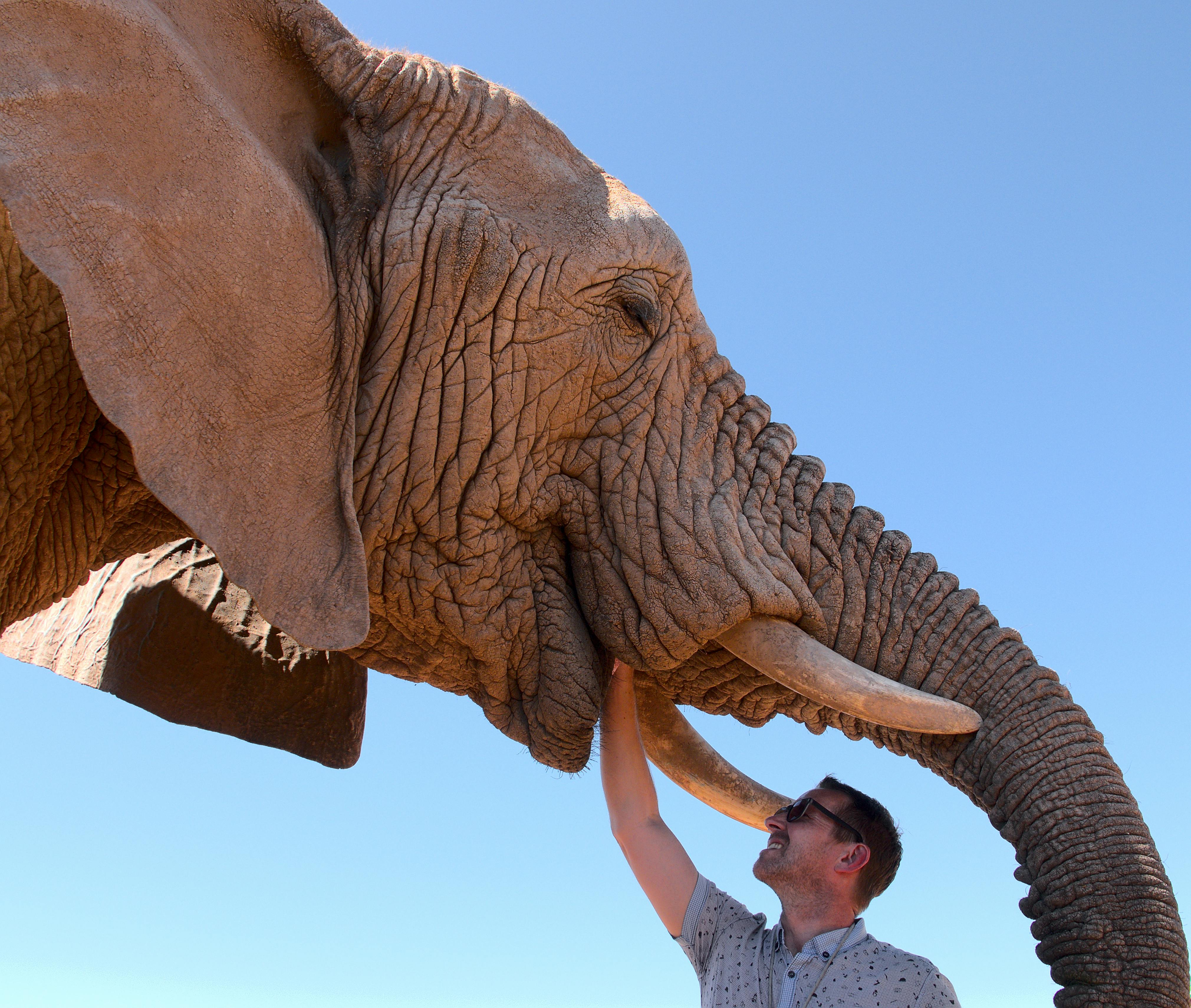
In response to these challenges, the government and conservation bodies are promoting new visitor experiences centered on observation, education, and respectful wildlife encounters.
Activities such as guided viewing of elephants in naturalistic settings, interpretive talks on elephant behavior, and educational feeding sessions are being encouraged to replace ride-based tourist attractions.
The broader goal is to foster a tourism model that respects animal lives, deepens public understanding of conservation issues, and enhances Indonesia’s reputation as a sustainable and ethical travel destination.
By eliminating elephant rides nationwide, Indonesia has positioned itself at the forefront of animal welfare policy in the region.
The success of this transition will depend on how well conservation institutions can adapt, how effectively alternative programs engage the public, and whether local communities and tourism operators can balance economic needs with ethical commitments.
Regardless of these challenges, the ban represents a historic shift in how humans interact with one of the nation’s most treasured species, signaling a new era of responsible and compassionate wildlife tourism.


