


Long before the term “soft power” became known, a young Javanese man had already penetrated the center of European art and power. His name was Raden Saleh. He traveled to the Netherlands in 1829 with the status of financial inspector for Jean Baptiste de Linge.
At a young age, he became one of the first natives from the Indies to receive a modern education in Europe. What was initially planned as a two-year journey turned into two decades.
From The Hague to Dresden, from Dutch palaces to German noble circles, he built a reputation as a court painter and an exotic figure who captivated European society.
A Colonial Experiment That Took an Unexpected Turn
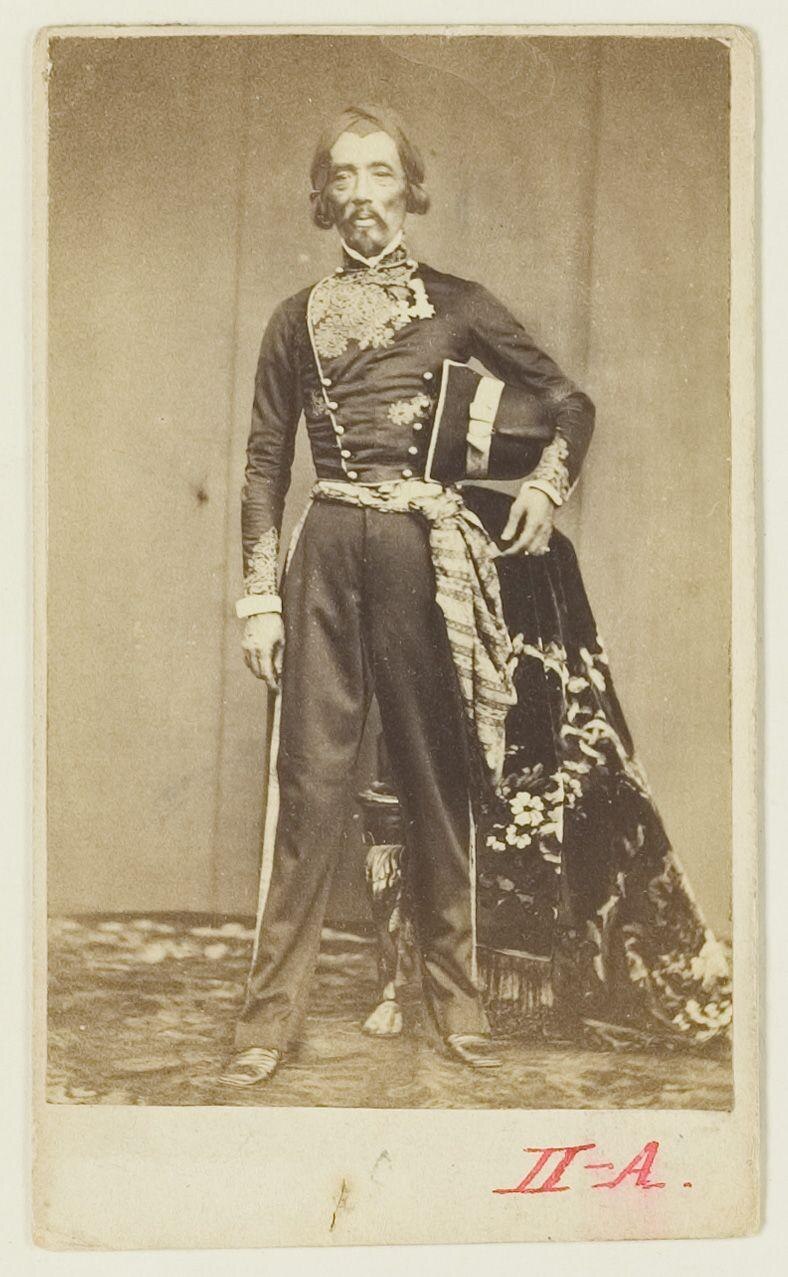
Raden Saleh’s departure for Europe was not solely a matter of art education. The colonial government funded him with a scholarship of two thousand guilders and covered his living expenses.
He was sent to the Koninklijke Academie van Beeldende Kunsten Den Haag as part of a social experiment: to test whether a native could be trained to become a European.
However, the political situation in the Dutch East Indies at that time was not simple. The Java War had just ended, Belgium was breaking away from the Netherlands, and colonial stability remained fragile.
Returning an educated native was considered risky because it was tantamount to importing critical ideas or even creating a new figure of resistance. Evaluations about his return were conducted every two years. The recurring question was: could he return to Java?
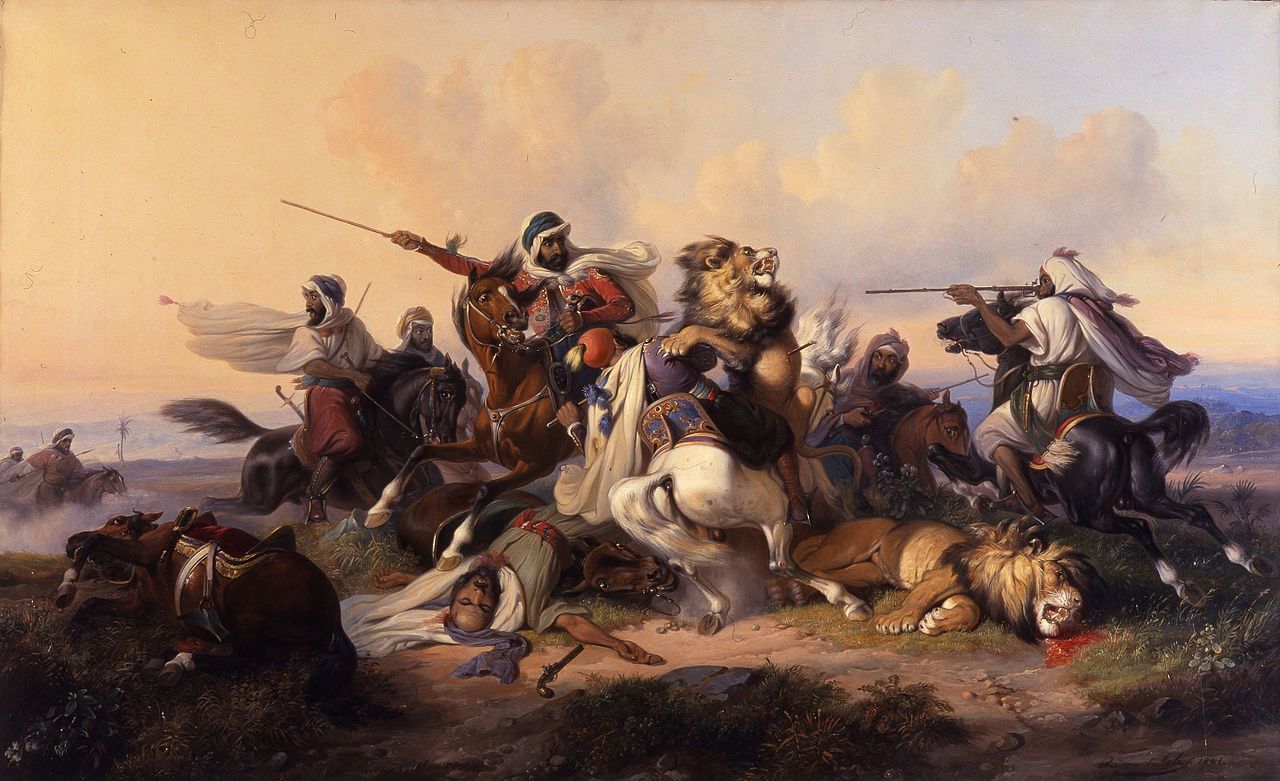
Rather than sending him home immediately, Raden Saleh was encouraged to continue his studies outside the Netherlands. He studied with European painters such as Cornelis Kruseman and Andreas Schelfhout.
In 1839, he went to Germany and lived in Dresden, a city he believed had museums, art collections, and natural landscapes that supported his development. He even received work permissions from the king and Prince Johann of Saxony.
Ultimately, this colonial experiment produced results that could not be fully controlled.
Raden Saleh did become a court painter, welcomed by King William II, awarded the Order of the Oak Crown, and appointed as a royal painter. From the colonial perspective, the experiment appeared successful: a native man who was not only educated, but also recognized at the center of European power. Yet what followed revealed a more complex trajectory.
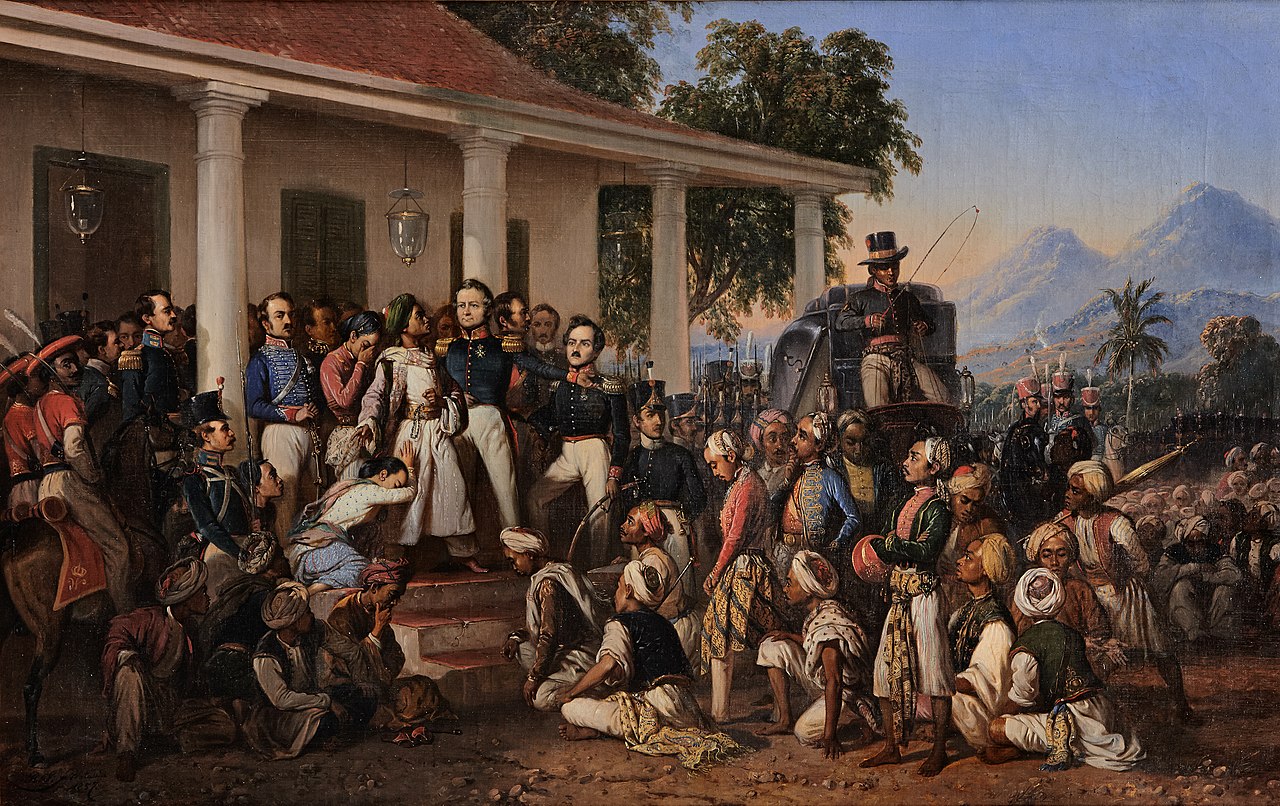
His monumental work, The Arrest of Prince Diponegoro, depicts the end of the Java War from a perspective different from the version commissioned by General De Kock to Nicolas Pienemann. Recent studies show that the painting did not simply imitate, but appropriated and inverted the earlier composition—omitting the Dutch flag and presenting a landscape more reflective of Java.
In the end, the very person they educated to be a court painter created a visual image that continues to be read as a symbol of colonial betrayal.
The First Southeast Asian Celebrity in Europe?
In France and Germany, Raden Saleh was widely known as the “Javanese prince” and was nicknamed Der Schwarze Prinz by the German press. His distinctive appearance—striking clothing paired with a Javanese blangkon—constructed an image that was both exotic and aristocratic.
He moved from one royal court to another, including serving as the official painter to Ernst I, Duke of Saxe-Coburg-Gotha.
The combination of artistic skill, linguistic ability, and his carefully cultivated persona as a “prince from the East” allowed him to be readily accepted among Europe’s elite. At a time when Asian mobility in Europe was extremely limited, he was not merely present, but actively celebrated.
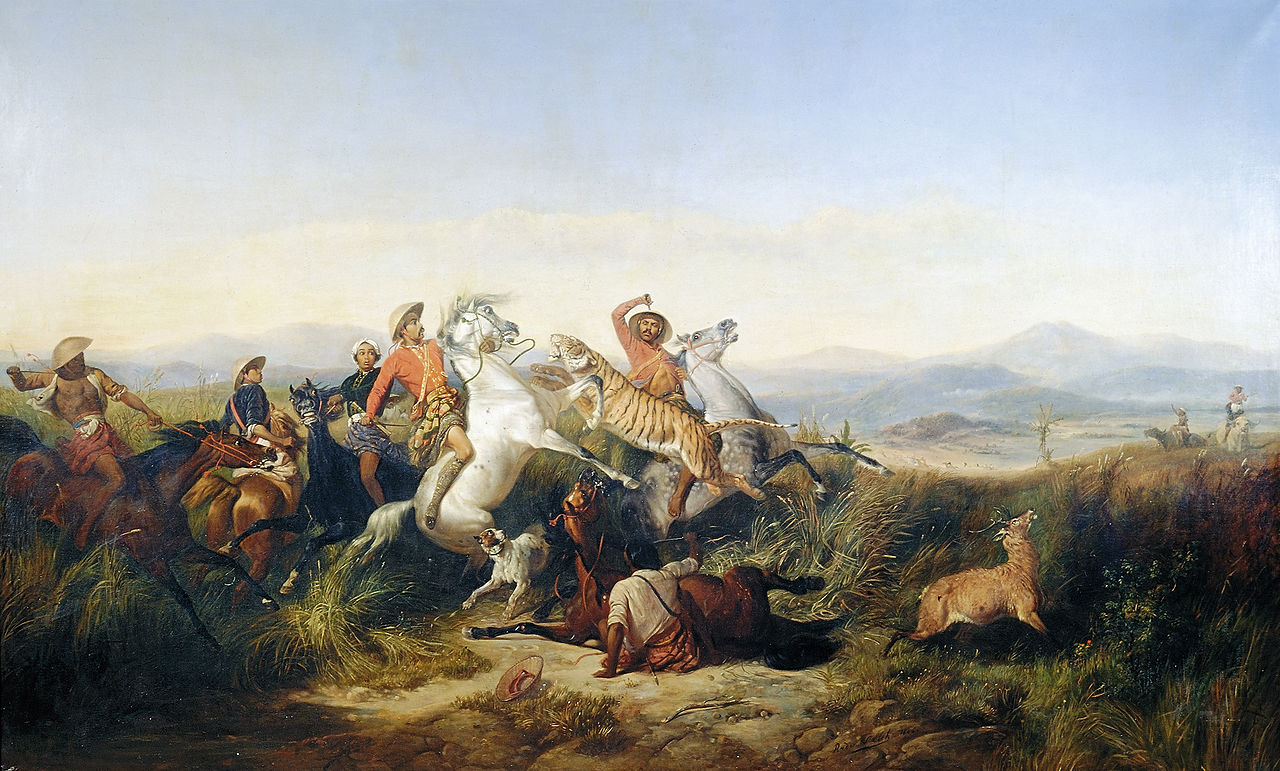
One of his works later became part of the collection of Queen Elizabeth II of the United Kingdom. His painting Deer Hunt, created in Dresden in 1846, was also sold for a price equivalent to billions of rupiah.
Raden Saleh died in 1880, after bridging two worlds that, in his time, were considered impossible to connect. He had been a colonial court painter, a member of scholarly institutions such as KITLV and the Bataviaasch Genootschap, while simultaneously becoming a figure whose works are read as critiques of colonialism.
A Painting Continually Used to Critique Power
Raden Saleh’s legacy does not end with his global reputation as a court painter. His work, especially The Arrest of Prince Diponegoro, has become one of the most influential images in Indonesia’s visual history.
Throughout the twentieth century and into the present, the image of Diponegoro from this painting has repeatedly reappeared. Posters by Seniman Indonesia Muda used the figure of Diponegoro to reignite the spirit of resistance against Dutch rule. After the painting was returned to Indonesia in 1978, its influence grew even stronger in both artistic discourse and public memory.
Artists such as Heri Dono and Eddy Susanto have re-appropriated the scene to critique contemporary power dynamics, from the New Order era to modern political controversies. The painting has become a medium through which betrayal, transitions of power, and civil as well as religious conflict are discussed.


