


Every October, the Philippine city of Bacolod bursts into color, music, and smiling masks during the Masskara Festival. Known as one of the country’s most joyful celebrations, the event blends street dancing, artistry, and community spirit.
Behind the bright costumes lies a powerful story of resilience that transformed hardship into a festival recognized across the Philippines and beyond today worldwide.
History of the Colorful Festival
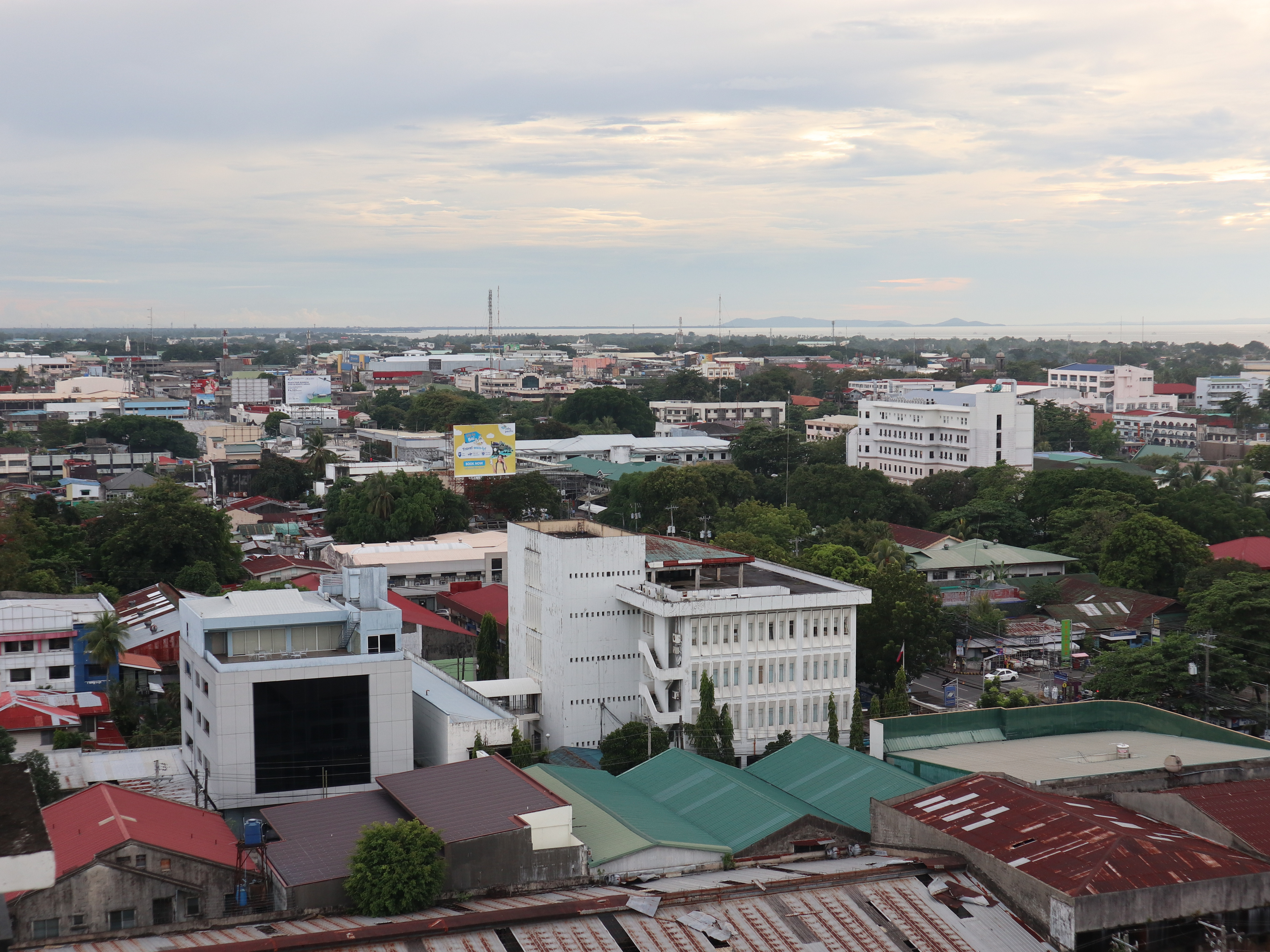
The Masskara Festival began in 1980 in Bacolod City, located in the province of Negros Occidental in the central Philippines.
At the time, the region was experiencing severe economic hardship due to a collapse in the global sugar industry, which was the backbone of the local economy. Thousands of workers lost their jobs, and many families struggled to survive.
In the same year, a tragic sea accident occurred when a passenger ferry carrying many Negrense residents sank, causing widespread grief across the province.
Faced with both economic crisis and emotional loss, city leaders and local artists decided to organize a festival that would help lift the spirits of the community.
The festival was designed as a celebration of resilience and optimism. Instead of allowing sadness to define the community, the people of Bacolod chose to express hope through music, dancing, and smiling masks.
Over time, the event grew from a local morale booster into one of the most famous festivals in the Philippines, attracting tourists from around the world.
Meaning of the Name

The name “Masskara” is a creative combination of two words. The first part, “mass,” refers to a large number of people or the masses, symbolizing the collective spirit of the community. The second part, “kara,” is derived from the Spanish word “cara,” which means face.
Together, the name suggests a “mass of smiling faces.” This meaning perfectly reflects the festival’s most recognizable feature: the colorful masks worn by dancers and performers.
Unlike masks used in many other traditions, the Masskara masks always display bright and exaggerated smiles.
These smiling masks represent the determination of the people of Bacolod to remain hopeful even during difficult times.
They symbolize positivity, unity, and the belief that joy can be found even in moments of hardship. Today, the smiling mask has become an iconic cultural symbol associated with the city.
Location and Cultural Setting

The Masskara Festival takes place in Bacolod City, often called the “City of Smiles.” Bacolod is the capital of Negros Occidental and lies on Negros Island in the Western Visayas region of the Philippines.
The city is known for its warm hospitality, rich culinary traditions, and vibrant cultural life. The main events are usually held throughout Bacolod, particularly along major streets where parades and dance competitions take place.
Public plazas, parks, and entertainment areas also become centers of celebration during the festival period.
The festival typically occurs during the fourth weekend of October and lasts for several days. During this time, the entire city transforms into a lively cultural stage.
Streets are decorated with colorful banners, music fills the air, and visitors from different regions and countries gather to experience the celebration.
Highlights of the Event

One of the most exciting parts of the Masskara Festival is the street dance competition. Performers from different schools and community groups wear elaborate costumes decorated with beads, feathers, sequins, and vibrant fabrics.
Their masks feature bright smiles and intricate designs, often painted in striking colors. Dancers perform energetic routines to rhythmic drumbeats and lively music while parading through the streets.
The performances combine traditional Filipino influences with modern choreography, creating a unique and dynamic spectacle.
Another highlight is the Masskara Electric Night Parade, where illuminated costumes and glowing masks create a dazzling nighttime display. The festival also includes concerts, food fairs, cultural shows, beauty pageants, and fireworks.
Throughout the celebration, visitors can experience local cuisine, interact with friendly residents, and witness the creativity of Bacolod’s artists and performers.
More than just a festival, Masskara represents the enduring spirit of a community that chose joy and unity in the face of adversity.


