


Water is a vital resource that supports agriculture, industry, and daily human life. As populations grow and economies expand, global water consumption has increased dramatically.
Some countries use significantly more water than others due to their size, development, and reliance on farming. Understanding these nations helps highlight the importance of sustainable water management worldwide today.
1. India

India is the largest water consumer in the world, using around 761 billion cubic meters annually. Most of this water is dedicated to agriculture, which supports the country’s massive population.
Irrigation accounts for over 90 percent of its usage, reflecting India’s dependence on farming for food security and employment. Rapid population growth continues to increase water demand.
2. China
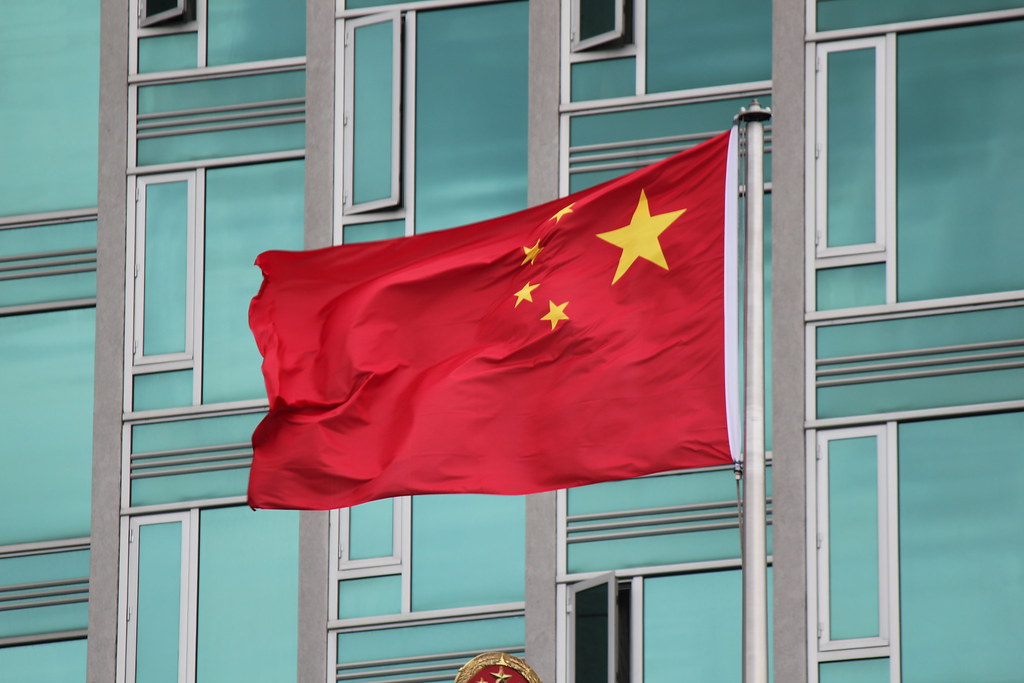
China ranks second globally, consuming roughly 598 billion cubic meters of water each year. Unlike India, China’s water use is more diversified, with significant portions allocated to industry and urban needs.
Its rapid industrialization and economic expansion have made water a critical resource for sustaining growth, especially in manufacturing and energy production.
3. United States

The United States is the third-largest water user, with approximately 444 billion cubic meters annually. A notable feature of U.S. water use is its heavy industrial share, including power generation and manufacturing.
While agriculture remains important, industrial activities consume a larger proportion compared to many other countries.
4. Indonesia

Indonesia uses about 223 billion cubic meters of water per year, placing it among the top global consumers. Agriculture dominates water usage, particularly rice cultivation, which requires large amounts of irrigation.
As a tropical country with a growing population, Indonesia faces increasing pressure to manage its water resources efficiently.
5. Pakistan

Pakistan consumes around 183 billion cubic meters of water annually. The country relies heavily on irrigation, with over 90 percent of its water used in agriculture.
This dependence has led to concerns about groundwater depletion and water scarcity, especially as climate change affects rainfall patterns and river flows.
6. Iran

Iran uses approximately 93 billion cubic meters of water each year. Despite limited water availability, agriculture remains the primary consumer.
The country faces serious water stress, with overuse of groundwater and inefficient irrigation systems contributing to long-term sustainability challenges.
7. Philippines

The Philippines consumes about 85 billion cubic meters of water annually. Agriculture plays a major role, although industrial and domestic demand is increasing as urban areas expand.
Managing water resources is becoming more complex due to population growth and vulnerability to climate-related events such as droughts and floods.
8. Mexico

Mexico uses roughly 86 billion cubic meters of water each year. Its water consumption is distributed across agriculture, industry, and households.
However, uneven water distribution and regional shortages present ongoing challenges, particularly in arid northern regions where water resources are limited.
9. Viet Nam

Viet Nam consumes about 82 billion cubic meters annually. Agriculture dominates water use, especially rice production in the Mekong Delta.
As the country continues to develop economically, balancing agricultural needs with industrial growth is becoming increasingly important for sustainable water management.
10. Japan

Japan rounds out the list with around 81 billion cubic meters of water use per year. Despite being highly industrialized, Japan has implemented efficient water management systems.
Advanced technology and conservation practices allow the country to maintain high productivity while reducing waste and improving sustainability.


