


Thailand has long been known for its rich cultural heritage, from cuisine to architecture and traditional arts. In a unique move to preserve its living heritage, the government has officially recognized five native cat breeds as part of the nation’s identity.
These cats are not only beloved companions for cat lovers, but also symbols of history, belief, and cultural continuity.
Historical Roots of Thai Cat Breeds

The origins of Thailand’s native cats can be traced back centuries, with references found in ancient manuscripts such as the Tamra Maew, a traditional collection of poems and illustrations describing auspicious and inauspicious cats.
These texts highlight the deep connection between Thai society and feline companions, where cats were often associated with luck, prosperity, and protection.
Over time, certain breeds became especially revered due to their distinct appearances and symbolic meanings. By officially recognizing these breeds as part of the national identity, Thailand aims to preserve both their lineage and the cultural narratives attached to them.
Wichien Maat and Its Global Legacy
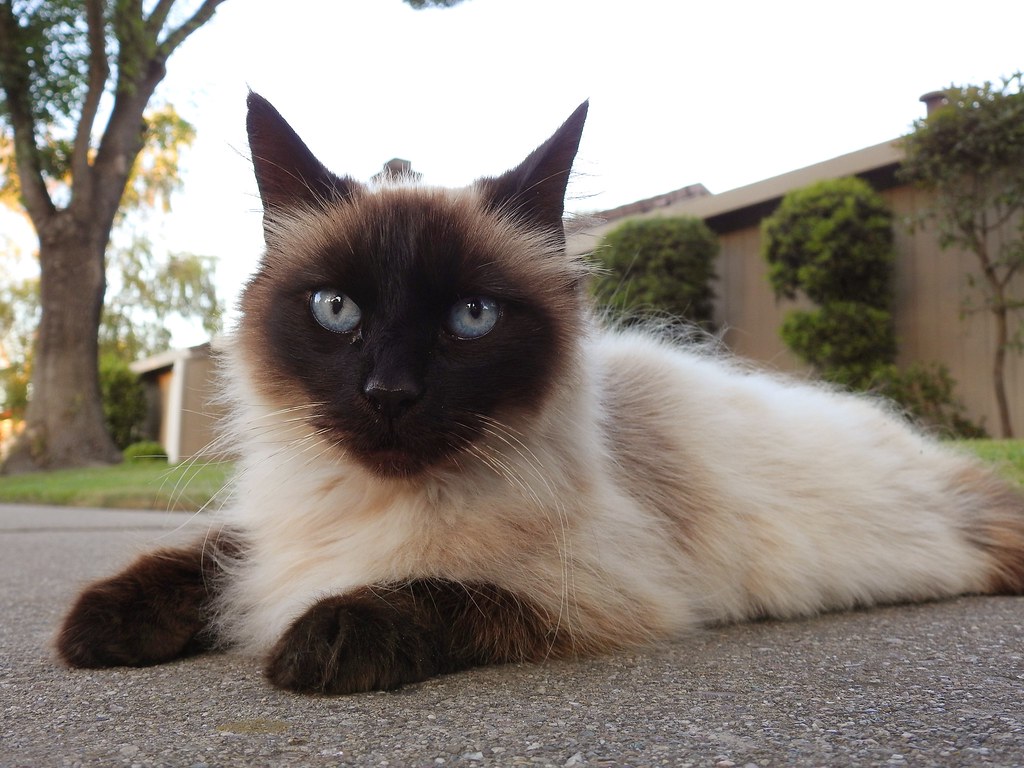
One of the most well-known Thai cats is the Wichien Maat, internationally recognized as the Siamese cat. This breed is famous for its striking blue eyes, sleek body, and color-point coat pattern.
Historically, Wichien Maat cats were kept in royal households and temples, symbolizing elegance and nobility.
Their global popularity has made them one of Thailand’s most recognizable cultural exports. Despite their international presence, the breed’s roots remain deeply tied to Thai history, making its recognition as a national symbol particularly significant.
Korat or Si-Sawat as a Symbol of Good Fortune
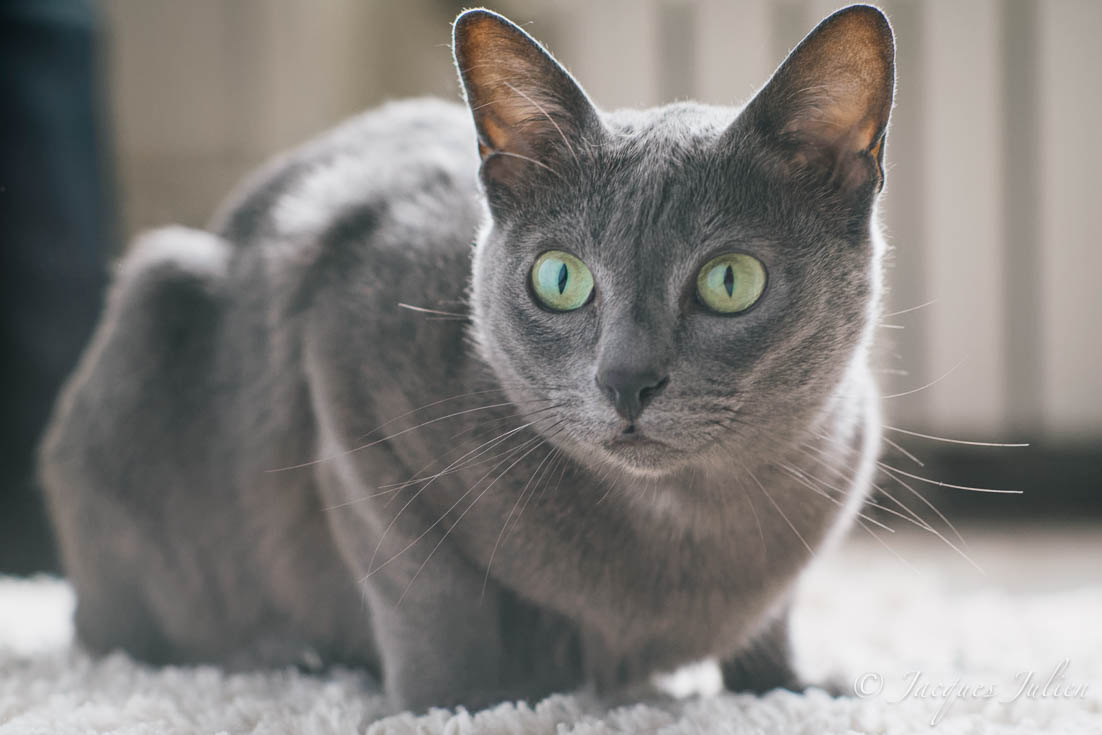
The Korat, known locally as the Korat cat or Si-Sawat, is another cherished breed with strong cultural associations. Its silver-blue coat and luminous green eyes are considered signs of beauty and prosperity.
Traditionally, Korat cats were given as gifts to newlyweds or to individuals embarking on new ventures, as they were believed to bring good luck and success. Unlike other breeds that were sold, Korats were often gifted, reinforcing their symbolic value in Thai society.
Konja and Its Mysterious Presence

The Konja or some called as Korn Ja, is a lesser-known but equally important native breed. Characterized by its dark, often black coat, the Konja has historically been associated with protection and warding off negative energy.
In ancient beliefs, these cats were thought to possess spiritual qualities that could guard households against misfortune.
Although not as widely recognized internationally, the Konja remains an integral part of Thailand’s feline heritage. Its inclusion in the list of nationally recognized breeds highlights the government’s effort to preserve even the less prominent aspects of cultural identity.
Suphalak and Its Rare Beauty

The Suphalak is another rare and historically significant breed, often described as having a rich copper or reddish-brown coat. Sometimes referred to as the “Thai copper cat,” the Suphalak cat has been admired for its unique coloration and graceful appearance.
In ancient texts, Suphalak cats were associated with wealth and abundance. However, due to their rarity, they nearly disappeared at one point. Recent efforts have focused on reviving and preserving the breed, making its official recognition an important step in ensuring its survival.
Khao Manee and the Jewel-Eyed Wonder

Perhaps the most visually striking of Thailand’s native cats is the Khao Manee, known for its pure white coat and distinctive eyes, which can be blue, gold, or even one of each.
Often referred to as the “diamond eye” cat, the Khao Manee has long been associated with royalty and good fortune.
Historically, these cats were kept within royal circles and were rarely seen by the general public.
Their rarity and beauty have contributed to their status as one of the most treasured Thai breeds, and their recognition as a national identity reflects their cultural and historical importance.
Preserving Living Cultural Heritage

The official recognition of these five cat breeds as part of Thailand’s national identity underscores a broader commitment to preserving living heritage. Unlike monuments or artifacts, these cats represent a dynamic and evolving connection to the past.
Efforts to protect these breeds include breeding programs, public awareness campaigns, and collaboration with local and international organizations.
By safeguarding these animals, Thailand is also preserving the stories, beliefs, and traditions that have been passed down through generations.
Adorable National Identity

Thailand’s decision to recognize its native cat breeds as symbols of national identity highlights the deep cultural significance of these animals. From the globally admired Siamese to the rare and mystical Konja, each breed carries its own history and meaning.
Together, they form a unique aspect of Thailand’s heritage that goes beyond aesthetics, reflecting values, beliefs, and a long-standing relationship between humans and animals.
As these breeds continue to be preserved, they serve as living reminders of the country’s rich and diverse cultural legacy.


