


Long before modern plastics were invented, the world had already been connected by technologies that relied on natural resources from Southeast Asia. In the mid-19th century, the first transatlantic submarine telegraph cables linking Europe and America used gutta-percha as their primary insulating material.
This natural substance, derived from tropical trees in the Malay Peninsula and Indonesia, became a foundation of the global communication revolution while also reinforcing the geopolitical power of Western nations.
Nature’s Early Industrial Material
Gutta-percha is obtained from the sap of trees in the Sapotaceae family, particularly Palaquium gutta, which grows in Southeast Asia. Local communities had long known how to extract this latex-like sap. Once dried, the material can be softened again in hot water and molded into various shapes.
The material was first introduced to the Western world in 1656 by John Tradescant the Younger, who described it as a substance that could be reshaped after heating.
However, this discovery was largely forgotten until the 19th century, when William Montgomerie brought samples from Singapore to England. From that point on, gutta-percha began to attract the attention of scientists and industrialists.
Chemically, gutta-percha is a natural polymer similar to rubber, but with a different structure. While rubber is elastic, gutta-percha is rigid under normal conditions, yet becomes soft when heated and hardens again when cooled.
Its water-resistant and non-conductive properties made it an extremely valuable material at the time.
The Key Behind Submarine Cables
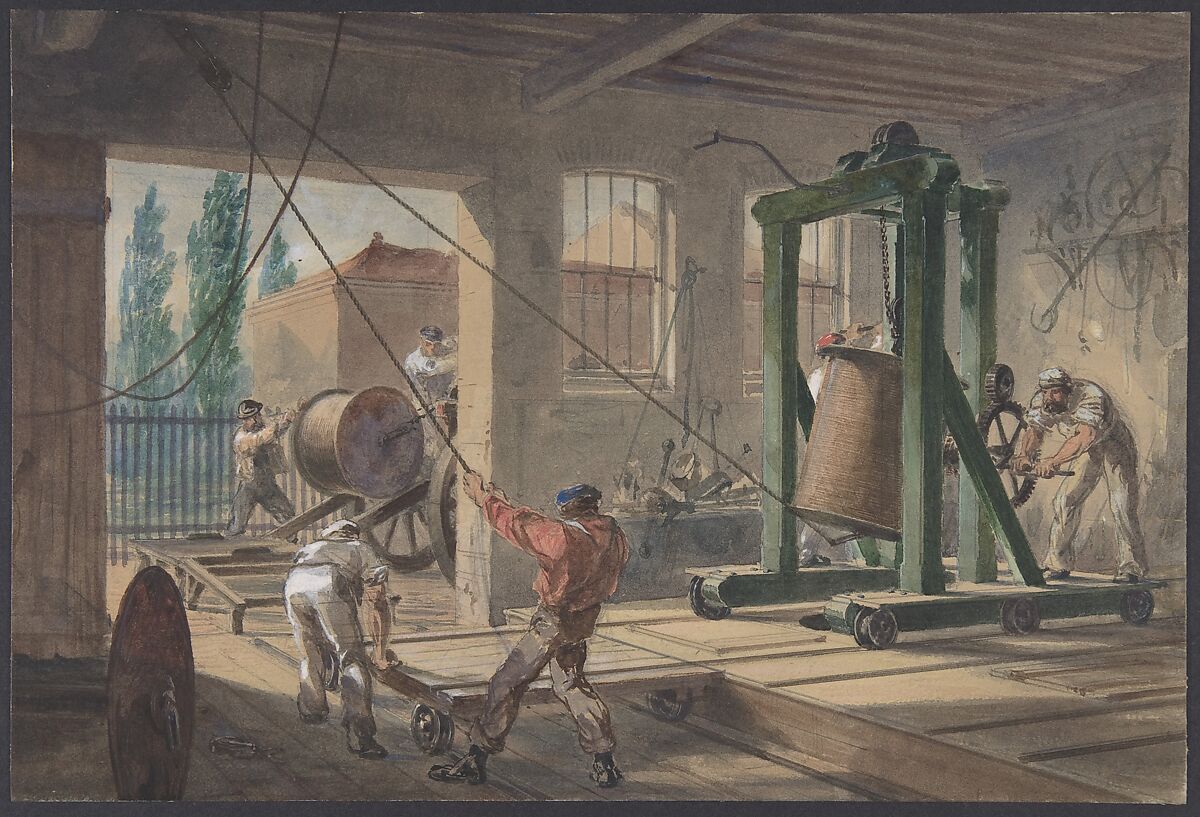
The superiority of gutta-percha as an electrical insulator made it a crucial component in the construction of submarine telegraph cables. In 1851, the first cable was successfully laid across the English Channel, connecting England and France.
This success paved the way for more ambitious projects, including the first transatlantic cable in 1858, which linked Europe and America, although it initially failed before becoming fully operational in 1866.
The cable network expanded rapidly and transformed global communication. Information that once took weeks or even months to deliver could now be transmitted in seconds. This system eventually became known as a “global nervous system” due to its role in connecting different parts of the world.
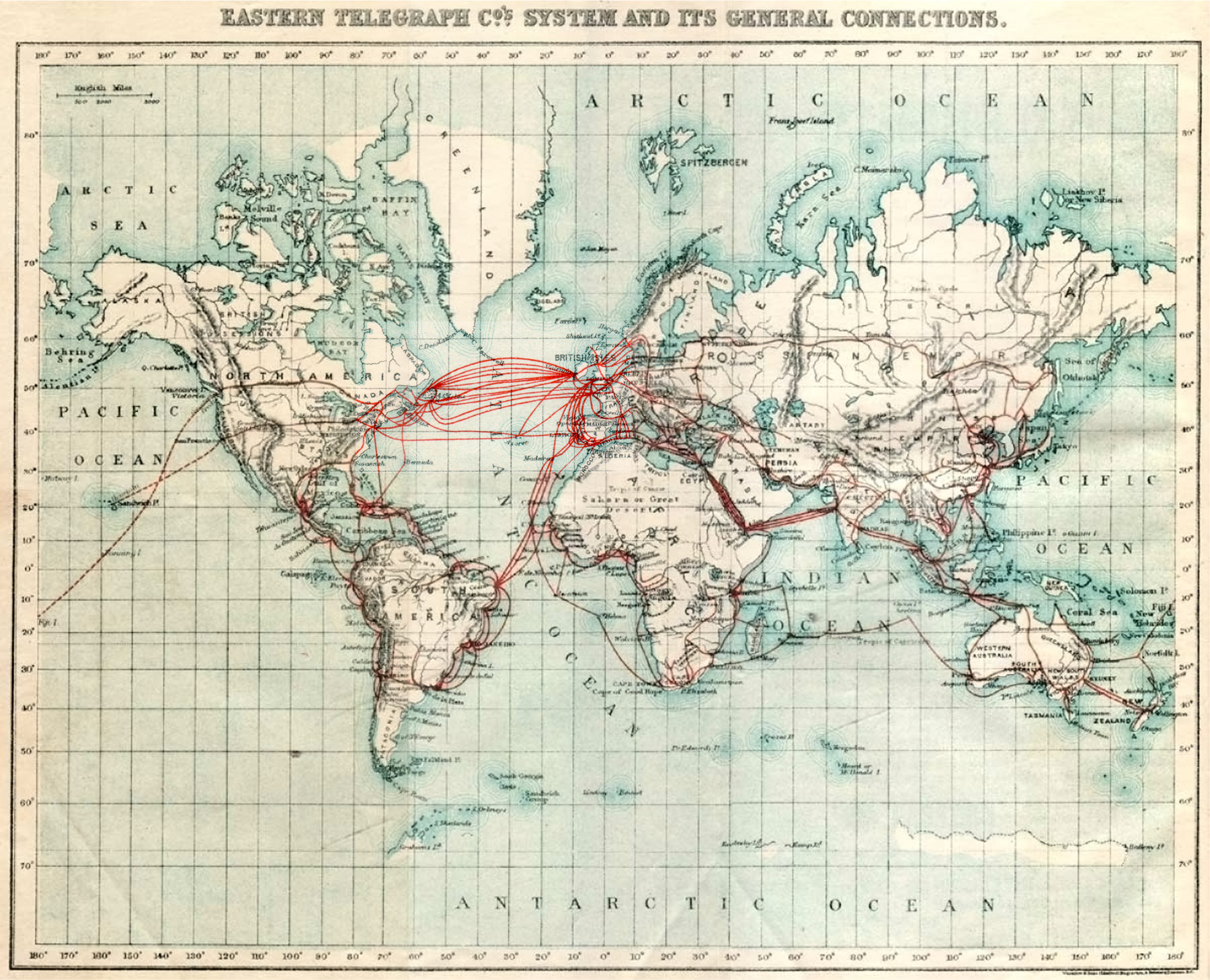
Beyond technological innovation, the network also became a tool of power. Countries such as United Kingdom and United States were able to control the flow of information across continents, strengthening their political and economic dominance. Telegraph technology became a key instrument in expanding imperial influence and managing global trade networks.
Hidden Consequences of Progress
The high demand for gutta-percha drove massive exploitation of Southeast Asia’s tropical forests. Building just one cable required sap from around 250,000 trees. At its peak, the cable industry consumed millions of pounds of gutta-percha each year.
This extraction was carried out with little regard for sustainability. Trees were cut down and left to decay without replanting, leading to widespread deforestation. By the early 20th century, gutta-percha resources were nearing depletion due to uncontrolled exploitation.
Ironically, while the world celebrated advances in communication technology, the environmental impact in the source regions was largely ignored. Southeast Asia not only served as a vital supplier of raw materials but also bore the ecological consequences of accelerating globalization.
Over time, gutta-percha was gradually replaced by synthetic materials such as polyethylene in the 20th century. However, its use has not disappeared entirely. To this day, it remains widely used in the medical field, particularly as a filling material in root canal treatments.


