If you venture into the vibrant coral reefs of the Coral Triangle, you might encounter a small, rainbow-colored crustacean that looks more like an alien than a shrimp. Do not be fooled by its psychedelic beauty; the Mantis Shrimp is arguably the most formidable predator in the ocean, pound for pound. In Southeast Asia, these "sea samurais" are celebrated both as a marvel of biological engineering and a prized delicacy on the dinner table.
While they are found in tropical waters globally, the sheer diversity and cultural significance of the Mantis Shrimp reach their peak in the Indo-Pacific region. These creatures have captivated divers and scientists alike with their extraordinary abilities that defy conventional biology. From their lethal strike to their supernatural vision, the Mantis Shrimp is a testament to the wild ingenuity of evolution.
The Fastest Punch in the Animal Kingdom
The most famous attribute of the Mantis Shrimp is its devastating strike, which is divided into two categories: "spearers" and "smashers." The smashers possess club-like appendages that can accelerate at the speed of a .22 caliber bullet, reaching velocities of over 50 miles per hour in less than three-thousandths of a second.
This punch is so fast that it creates cavitation bubbles in the water, tiny pockets of vapor that collapse with such force they generate heat and light, effectively hitting the prey twice in a single strike.
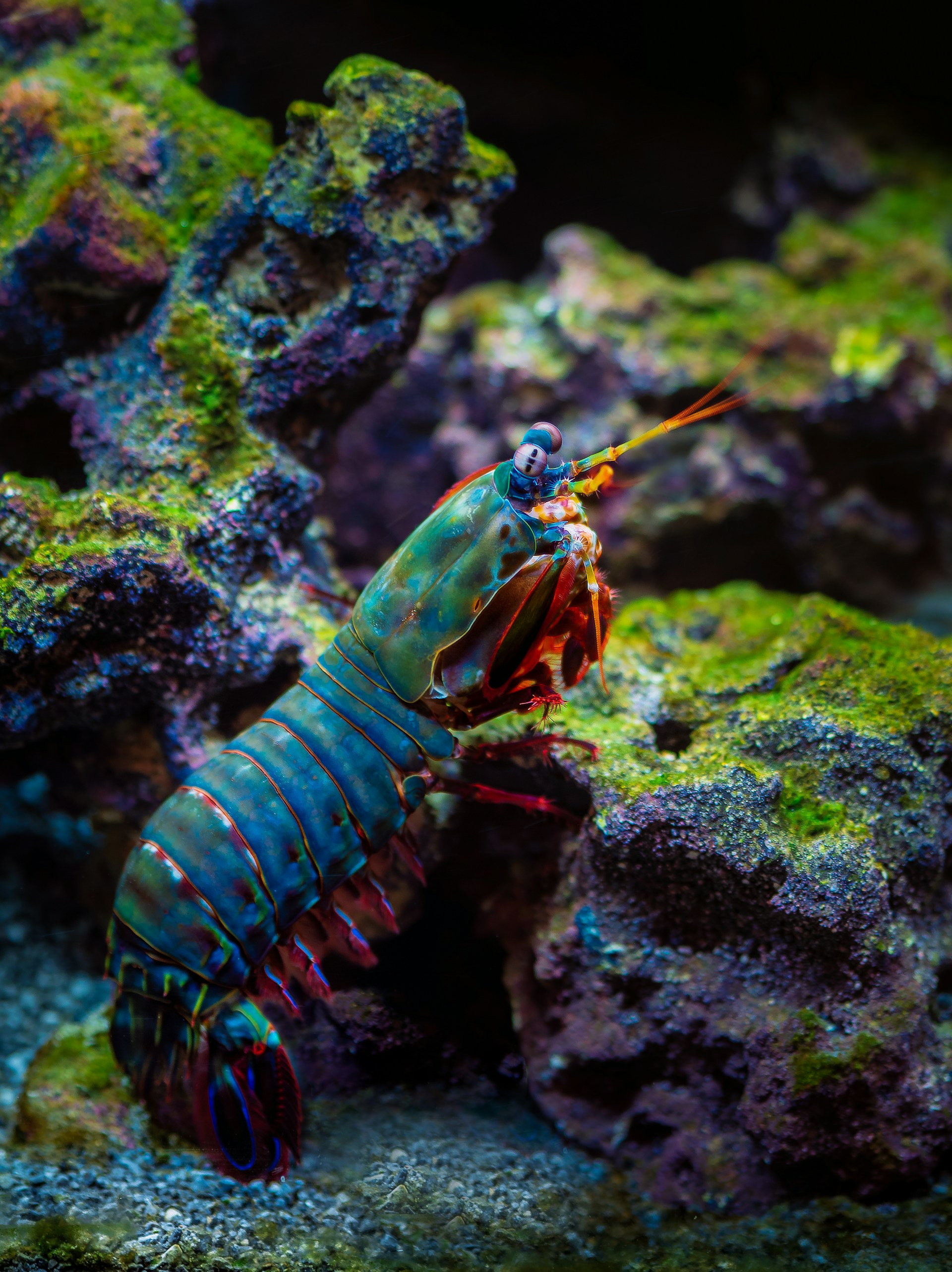
This incredible speed is made possible by a biological spring system that stores energy before releasing it in an explosive burst. It is a level of power that allows them to shatter the shells of crabs, snails, and even the glass of laboratory aquariums with ease. For researchers, this "preman laut" is not just a curiosity; it is a masterpiece of kinetic energy.
Understanding how their clubs withstand such repeated high-impact force without breaking has become a focal point for materials science, inspiring the development of ultra-tough body armor and aerospace components.
Supernatural Vision Beyond Human Imagination
Beyond their physical prowess, Mantis Shrimps possess perhaps the most complex visual system ever discovered in any living organism. While humans have three types of photoreceptor cells to perceive color, the Mantis Shrimp has a staggering sixteen.
This allows them to see a spectrum of light that is invisible to us, including ultraviolet, infrared, and even polarized light. Each eye is capable of independent movement and trinocular vision, giving them depth perception that far surpasses anything in the mammalian world.
This "alien" vision serves a vital purpose in the competitive environment of Southeast Asian reefs. It helps them spot camouflaged prey, communicate with rivals through shimmering patterns on their shells, and navigate the complex topography of the seabed.
By perceiving the world through sixteen color channels, they can detect subtle changes in their environment that other predators would miss entirely. This biological hardware is so advanced that engineers are currently studying their eye structure to improve high-definition cameras and satellite imaging technology.
A Regional Icon: From Reefs to Fine Dining
In Southeast Asia, the relationship with the Mantis Shrimp extends beyond scientific fascination and into the realm of culinary heritage. In countries like Vietnam, Thailand, and Indonesia, they are known by various names, such as Udang Ronggeng, and are considered a high-value seafood commodity.
Their meat is often described as a cross between lobster and shrimp, possessing a unique sweetness that makes them a staple in upscale seafood restaurants across the region. This dual identity as a "badass" predator and a luxury ingredient makes them a unique cultural symbol in the ASEAN maritime landscape.
However, the rising demand for Mantis Shrimp also brings a responsibility for sustainable management within the Coral Triangle. As we continue to uncover the secrets of their armor and their eyes, it becomes increasingly clear that these creatures are worth more than just their weight in gold or flavor.
They are the guardians of the reef’s biodiversity and a source of endless inspiration for human innovation. Whether as a subject of high-tech research or a highlight of a coastal feast, the Mantis Shrimp remains one of Southeast Asia's most extraordinary natural treasures, proving that sometimes, the most powerful things come in small, colorful packages.