


In a Southeast Asia often defined by crowded skylines, endless traffic, and nonstop urban energy, Brunei Darussalam offers something increasingly rare: silence, order, and peace. For many travelers arriving from regional capitals like Bangkok, Jakarta, or Manila, the tiny sultanate feels almost surreal. Streets are remarkably clean, traffic flows calmly, and daily life unfolds at a slower and more deliberate pace. In an era dominated by speed and overstimulation, Brunei’s quiet rhythm has become one of its most distinctive identities.
A City That Breathes Slowly
The atmosphere of Bandar Seri Begawan immediately reflects the country’s calm character. Wide roads, low-rise buildings, manicured public spaces, and majestic mosques create an urban landscape that feels spacious rather than overwhelming. The iconic Sultan Omar Ali Saifuddien Mosque stands gracefully above its lagoon, embodying the country’s blend of spirituality and serenity.
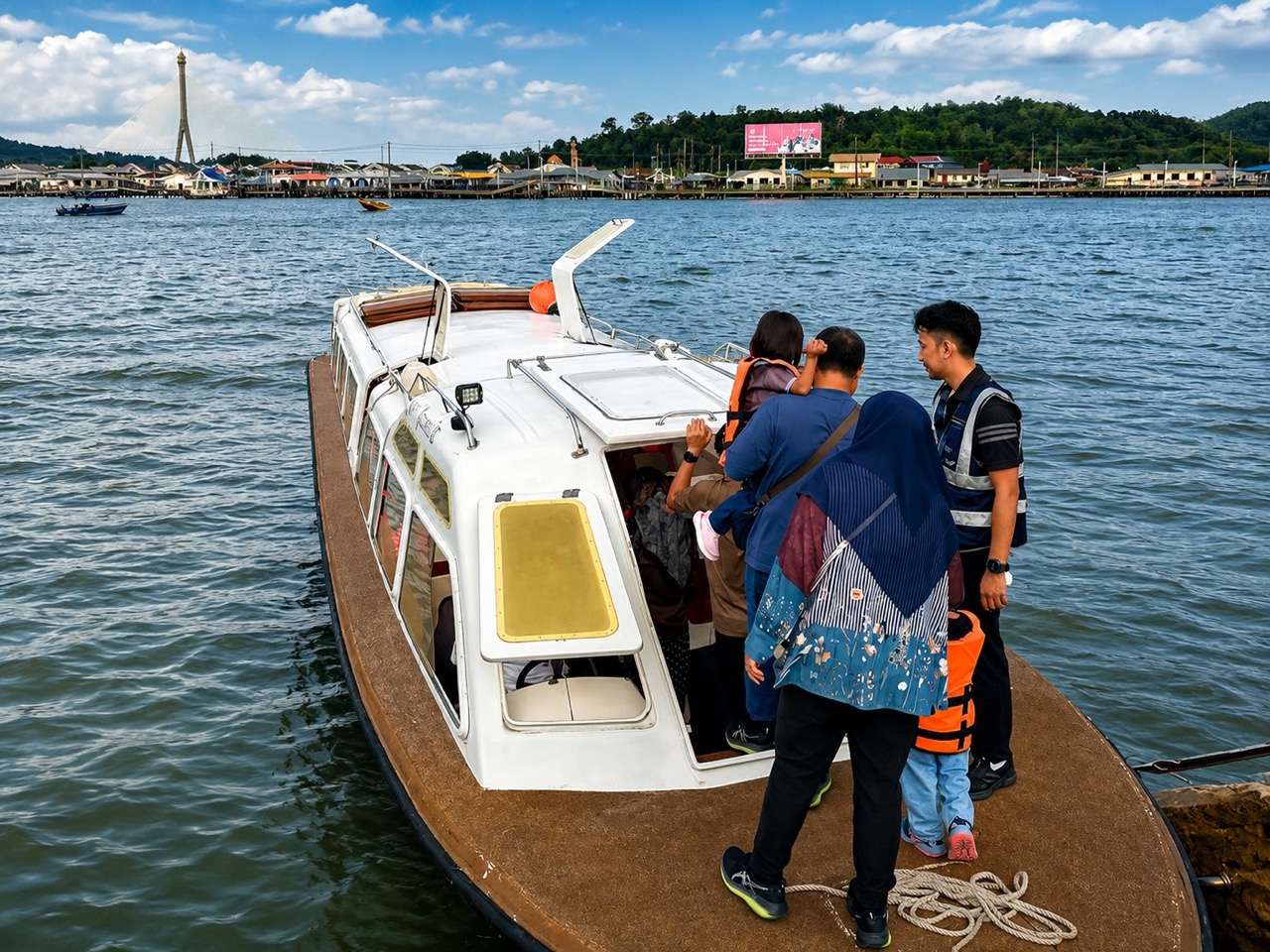
Even Kampong Ayer, the centuries-old water village often called the “Venice of the East,” moves with remarkable gentleness. Wooden boats cross the river quietly while residents continue traditions that have existed for generations. Unlike many rapidly modernizing Southeast Asian cities, Brunei appears comfortable with preserving stillness alongside development.
According to the World Bank, Brunei’s population remains below 500,000 people, making it one of Southeast Asia’s least densely populated nations. This smaller population, combined with strong public infrastructure and oil wealth, contributes to the country’s unusually orderly environment.
Life Without the Rush
For ordinary Bruneians, daily life revolves around family, religion, education, and community rather than aggressive hustle culture. Public healthcare and education are heavily subsidized, while fuel prices remain among the lowest in the region. These conditions reduce many of the economic anxieties common in larger urban centers.
Many international visitors describe Brunei as one of the safest countries they have ever visited. Night walks feel peaceful rather than tense, and public spaces are notably quiet. Alcohol-free night markets such as Gadong Night Market become gathering places where families enjoy grilled satay, local desserts, and conversation late into the evening.
Brunei’s Sultan, Hassanal Bolkiah, once emphasized the importance of social harmony, stating, “Peace and stability are the foundation of development and prosperity.” That philosophy continues to shape public life across the country.
The Luxury of Slowness
At a time when many destinations compete through mega-projects, nightlife, and mass tourism, Brunei presents a different kind of appeal. Travelers increasingly seek mindful and slower experiences, and Brunei quietly fits that demand. The country’s untouched rainforests, calm waterfronts, and reflective atmosphere provide an alternative to the sensory overload associated with modern tourism.
Yet this calm identity also creates challenges. Brunei’s tourism sector remains relatively small compared to neighboring Malaysia or Indonesia. According to ASEAN tourism data, international arrivals to Brunei are still modest despite the country’s strong safety record and environmental quality. Experts argue that Brunei must carefully balance modernization with preservation.
Bruneian academic Dr. Noor Azam Haji-Othman has noted that the country’s challenge lies in “maintaining cultural authenticity while remaining open and globally connected.” As Southeast Asia rapidly urbanizes, Brunei faces growing pressure to diversify its economy beyond oil and gas while preserving the peaceful social fabric that makes the country unique.
Where Quiet Still Matters
Brunei may not offer the towering intensity of Singapore or the nonstop rhythm of Bangkok, but that is precisely its strength. In a region racing toward hyper-modernity, the sultanate has preserved a quieter version of Southeast Asia — one centered on safety, reflection, and contentment.
For travelers exhausted by crowded airports, digital overload, and urban pressure, Brunei offers something deeply valuable: the reminder that progress does not always have to be loud.


