


Across Indonesia, old buildings are beginning to breathe again. What were once overlooked colonial structures, abandoned railway stations, and fading historic districts are now being rediscovered by a younger generation eager to reconnect with the nation’s layered past. From Jakarta to Semarang and Bandung, Indonesia is witnessing a quiet revival of heritage — one that blends history, creativity, and modern urban life.
This movement reflects more than nostalgia. It signals a growing awareness that heritage is not simply about preserving old walls, but about understanding identity in a rapidly changing society.
When Old Cities Find New Life
One of the clearest examples can be found in Kota Tua Jakarta, where revitalization projects have transformed the historic district into a lively cultural space. Former Dutch colonial buildings that once stood neglected are now home to museums, cafés, galleries, bookstores, and creative communities. Visitors walk along pedestrian-friendly streets while cyclists, photographers, and young families fill public squares once associated only with the colonial past.
Similar transformations are unfolding elsewhere. Kota Lama Semarang has emerged as one of Central Java’s most popular cultural destinations after years of restoration. In Bandung and Surabaya, Art Deco architecture and historic hotels are increasingly appreciated not only for their beauty, but also for the stories they carry.
According to Indonesia’s Ministry of Education and Culture, the country has more than 2,200 registered cultural heritage sites. Meanwhile, UNESCO recognizes several Indonesian heritage locations, including Borobudur Temple and Prambanan Temple, as World Heritage Sites that continue to attract millions of visitors annually.
Rails, Memories, and Everyday Journeys
Indonesia’s railway heritage has also become part of this cultural rediscovery. Historic stations such as Jakarta Kota Station and Ambarawa Railway Museum are no longer seen merely as transportation infrastructure. They are becoming living museums connecting Indonesians to earlier generations.
State-owned railway operator PT Kereta Api Indonesia has invested in restoring several historic stations while preserving their architectural identity. For many Indonesians, daily commutes now pass through buildings that carry traces of colonial history, independence struggles, and urban transformation.
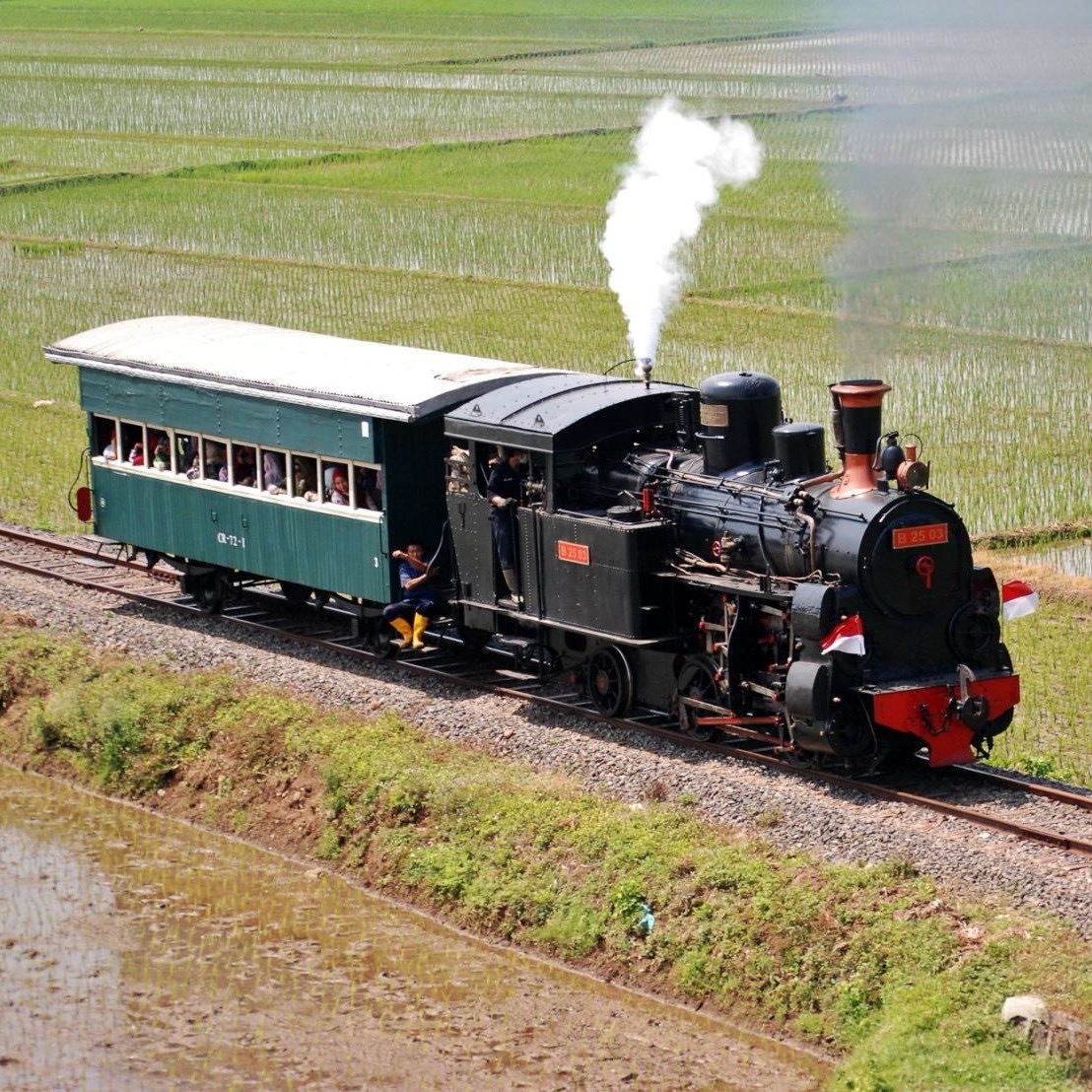
International tourists have also expressed admiration for Indonesia’s heritage atmosphere. Many visitors describe these historic districts as more “alive” and “human” compared to heavily commercialized tourism zones elsewhere in Asia. The combination of local food stalls, community life, and preserved architecture creates an authenticity that appeals strongly to modern travelers.
Young Indonesians and the Search for Meaning
Perhaps the most interesting aspect of this revival is the role of Indonesian youth. In an era dominated by social media and rapid urban development, many young Indonesians are searching for places with deeper narratives and emotional connection.
Historical walking tours, heritage photography communities, independent archives, and cultural discussions have become increasingly popular in major cities. Rather than romanticizing colonialism, young Indonesians are reclaiming these spaces as part of their own national story.
“It feels meaningful to learn history directly from the places where it happened,” said Nadya Prameswari, a university student from Jakarta. “These buildings remind us that Indonesia’s identity was shaped through struggle, culture, and resilience.”
Architectural historian Yori Antar has repeatedly emphasized the importance of preservation through community participation. He once stated, “Heritage is not only about buildings, but about maintaining collective memory for future generations.”
Between Preservation and Modern Pressure
Despite growing enthusiasm, Indonesia’s heritage movement still faces serious challenges. Rapid urbanization, commercial development, flooding, and limited conservation funding continue to threaten many historic areas. In several cities, preservation efforts often compete against demands for modern infrastructure and real estate expansion.
At the same time, heritage tourism presents significant opportunities. Revitalized historic districts support local businesses, encourage cultural tourism, and strengthen urban identity. They also provide younger Indonesians with spaces for creativity, reflection, and public interaction.
As Indonesia continues modernizing, the country faces an important question: how can it move forward without losing the stories that shaped it?
Where History Continues to Breathe
Indonesia’s quiet heritage revival demonstrates that preservation is not about resisting progress. Instead, it is about creating continuity between the past and the future. Across old train stations, colonial corridors, and revitalized public squares, Indonesians are rediscovering that history can remain alive when communities choose to engage with it.
In the middle of rapid modernization, these spaces offer something increasingly rare: memory, character, and a sense of belonging.


