


For centuries, tea has traveled far beyond the teacup. Across Asia, the beverage has shaped trade routes, colonial economies, agricultural landscapes, and everyday social rituals. Today, amid shifting global markets and renewed regional diplomacy, tea is once again emerging as a meaningful bridge between nations — particularly between Indonesia and Sri Lanka, two countries with deeply rooted plantation histories and growing economic ties.
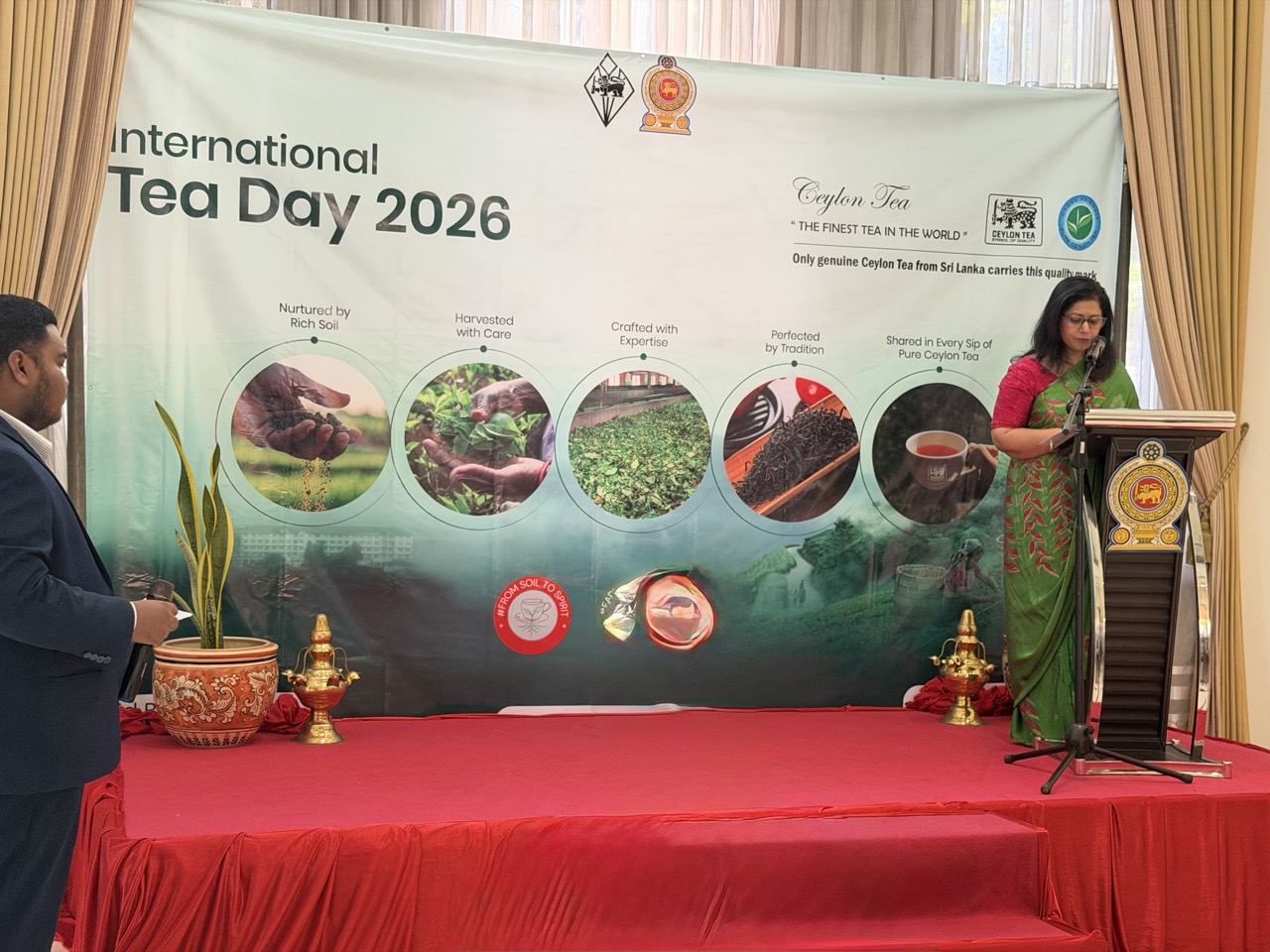
That spirit of connection was vividly reflected during the International Tea Day 2026 gathering held at the Sri Lanka Residence in Menteng, Central Jakarta, on 21 May 2026. The event celebrated 159 years of Ceylon Tea heritage through presentations, networking sessions, and a tea tasting experience that highlighted the cultural and economic significance of one of Asia’s most enduring commodities.
Leaves That Shaped Asian Commerce
Tea culture in Asia traces its origins to ancient China before gradually spreading across South Asia and Southeast Asia through trade, migration, and imperial expansion. Over time, tea became one of the world’s most influential agricultural commodities, helping define both rural livelihoods and international commerce.
Sri Lanka — then known as Ceylon — rose to prominence in the late 19th century as one of the world’s leading exporters of premium black tea under British colonial rule. Indonesia, meanwhile, developed vast plantations in West Java, Central Java, and North Sumatra during the Dutch colonial period, producing tea that remains globally recognized today.
According to the Food and Agriculture Organization (FAO), global tea production has exceeded 6.7 million tonnes annually in recent years, with Asia continuing to dominate the industry. Beyond export earnings, tea remains central to millions of farming households across the continent, supporting rural employment, transportation networks, and agro-tourism.
Sri Lankan tea specialist and author Merrill J. Fernando, founder of Dilmah Tea, once famously stated, “Business is a matter of human service.” His philosophy continues influencing the modern tea industry, particularly in conversations surrounding ethical sourcing, sustainability, and value-added agricultural production.
A Celebration of Ceylon Tea in Jakarta
The International Tea Day 2026 celebration in Jakarta highlighted how tea diplomacy today extends far beyond trade and commercial exchange, evolving into a platform for cultural dialogue, heritage promotion, and people-to-people engagement. Held at the Sri Lanka Residence in Menteng, Central Jakarta, the gathering featured welcome remarks, promotional presentations, and an exclusive tasting session showcasing the richness and authenticity of Ceylon Tea while commemorating 159 years of Sri Lanka’s tea heritage.
The event was hosted by Sri Lanka’s Ambassador to Indonesia, H.E. Sashikala Premawardhane, who officially assumed her diplomatic duties on 21 November 2025. Through the celebration, Ambassador Premawardhane emphasized the importance of strengthening bilateral ties between Sri Lanka and Indonesia, particularly through cultural diplomacy, agricultural cooperation, and economic partnership. Her leadership of the event reflected Sri Lanka’s broader efforts to deepen engagement with Indonesia and reinforce longstanding connections between the two Indian Ocean nations through shared traditions, commerce, and regional collaboration.
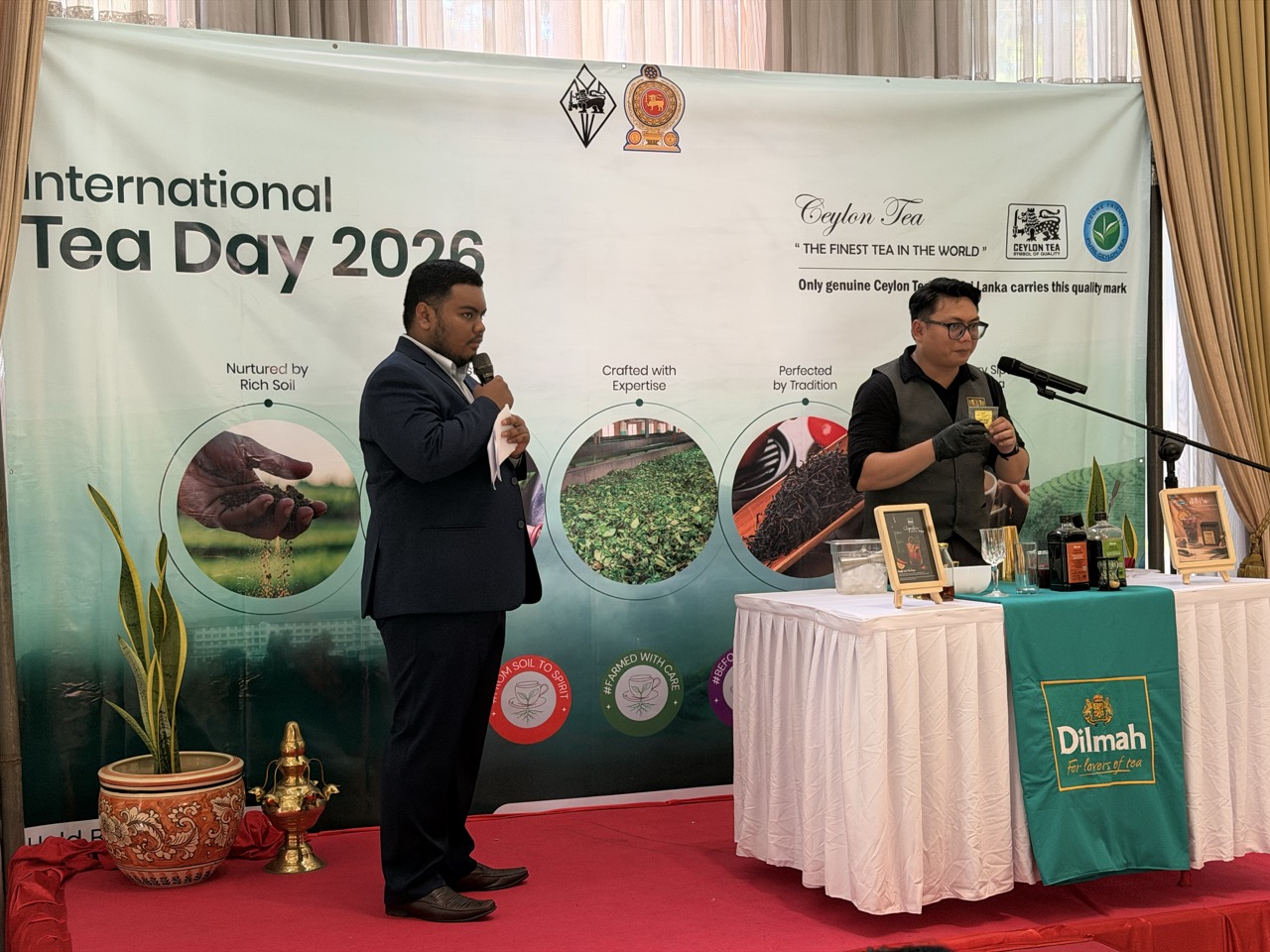
Guests were also invited to experience a tea mixology showcase presented by Eliawati Erly, Vice President of PT. David Roy Indonesia and Indonesian representative of Dilmah Tea. During the interactive session, Dilmah’s tea mixologist demonstrated how traditional brewed tea can be elevated into contemporary beverage creations by blending it with fruits, herbs, syrups, and other complementary ingredients. The presentation reflected the growing appeal of tea-based mocktails and modern tea culture among younger urban consumers, while still preserving the heritage and character of authentic Ceylon Tea.
In addition to Dilmah Tea, Stassen Tea also participated in the celebration, further highlighting Sri Lanka’s rich tea industry and its expanding presence in the Indonesian market. Both tea companies set up dedicated booths during the event, allowing guests to sample a diverse collection of Ceylon tea varieties and specialty blends. The tasting experience offered attendees a closer look at the flavor profiles, craftsmanship, and innovation that continue shaping Sri Lanka’s globally recognized tea culture.
Between Agricultural Challenges and New Opportunities
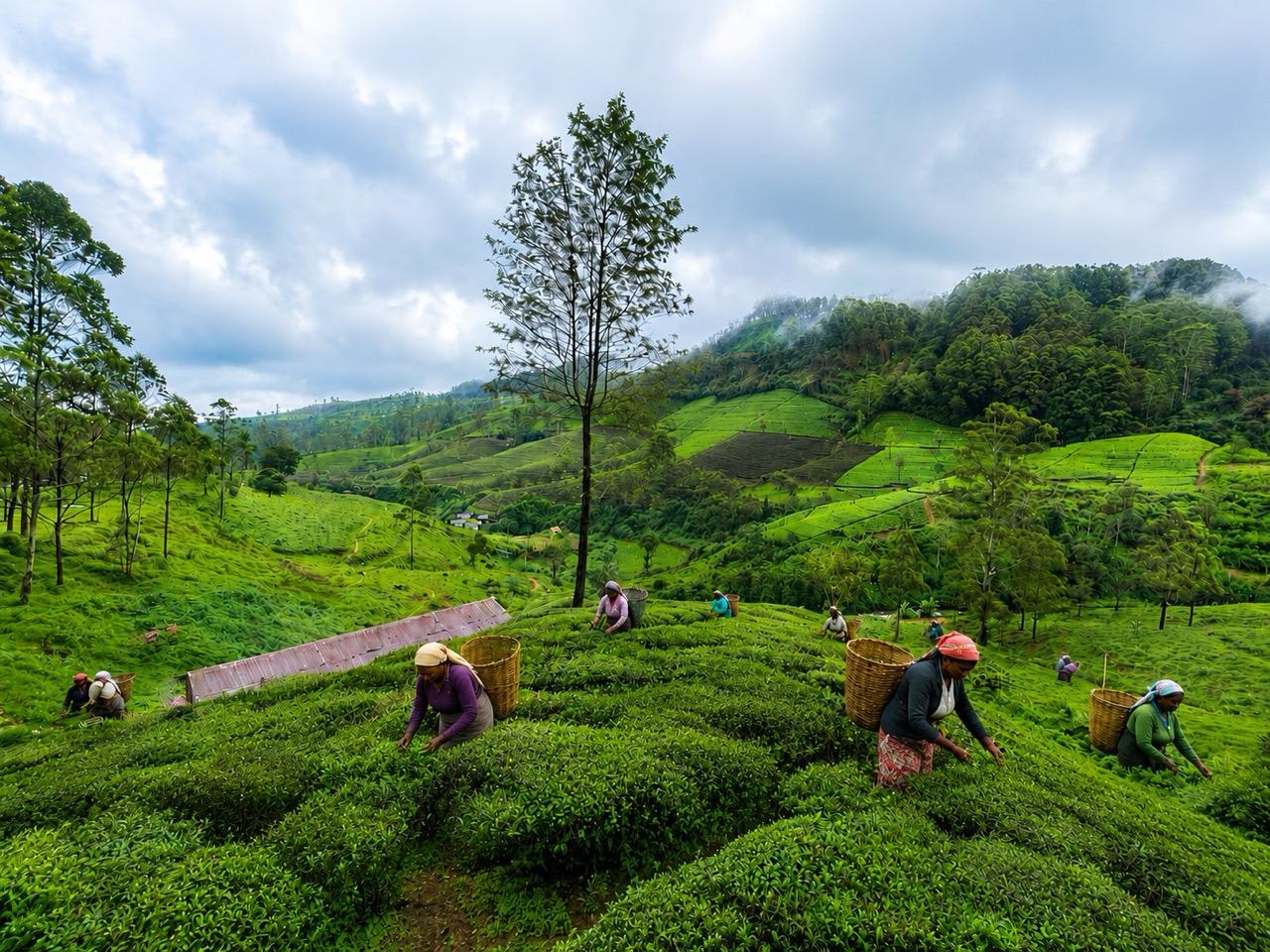
Despite its cultural prestige, the tea industry across Asia continues facing major structural pressures. Climate change has disrupted rainfall patterns in plantation regions from Sri Lanka’s hill country to Indonesia’s volcanic highlands. Rising labor costs, fluctuating commodity prices, and evolving consumer preferences are also forcing producers to rethink long-term strategies.
At the same time, global demand for premium, traceable, and ethically sourced tea continues expanding. This creates opportunities for both Indonesia and Sri Lanka to reposition themselves in higher-value specialty markets rather than relying solely on bulk exports.
Economic analysts increasingly note that agricultural diplomacy now plays a strategic role in regional partnerships. Halal-certified beverages, sustainable farming practices, eco-tourism, and artisanal tea branding are becoming important avenues for cooperation between Southeast Asia and South Asia.
Indonesia’s growing café culture has also contributed to a renewed appreciation for tea among younger urban consumers. Specialty tea houses, wellness-oriented beverages, and tea-infused culinary products are helping reposition tea as a modern lifestyle product rather than merely a traditional household drink.
A Shared Cup, A Shared Heritage
Across both Indonesia and Sri Lanka, tea remains inseparable from daily life. Sweet hot tea accompanies roadside meals in Indonesian towns, while Ceylon Tea continues anchoring Sri Lanka’s national identity and plantation economy. In many households, tea still symbolizes hospitality, conversation, and family connection across generations.
The Jakarta celebration of International Tea Day 2026 illustrated how a centuries-old commodity can continue generating fresh dialogue in a rapidly changing world. Beyond export statistics and plantation figures, tea remains a quiet but enduring symbol of trust, heritage, and regional solidarity.
As Asian economies continue evolving, Indonesia and Sri Lanka appear increasingly positioned not merely as competitors in the global tea trade, but as collaborative partners capable of transforming tradition into modern opportunity — one cup at a time.


