How does one of the world's smallest countries build one of Southeast Asia's most advanced air forces?
Singapore covers around 735 square kilometers, smaller than New York City. It has no mountains to retreat behind, no vast territory as buffer, and no strategic depth between itself and its neighbors. That geographic reality shaped Singapore's defense posture from its earliest years.
After separating from Malaysia in 1965, Singapore built its armed forces largely from scratch. Air power became central to that effort early on. Rather than building the largest military in the region, Singapore concentrated resources on speed, precision, and control of the skies.
A Fighter Fleet Built for Concentration
One distinctive feature of the Republic of Singapore Air Force (RSAF) is its streamlined fighter composition.
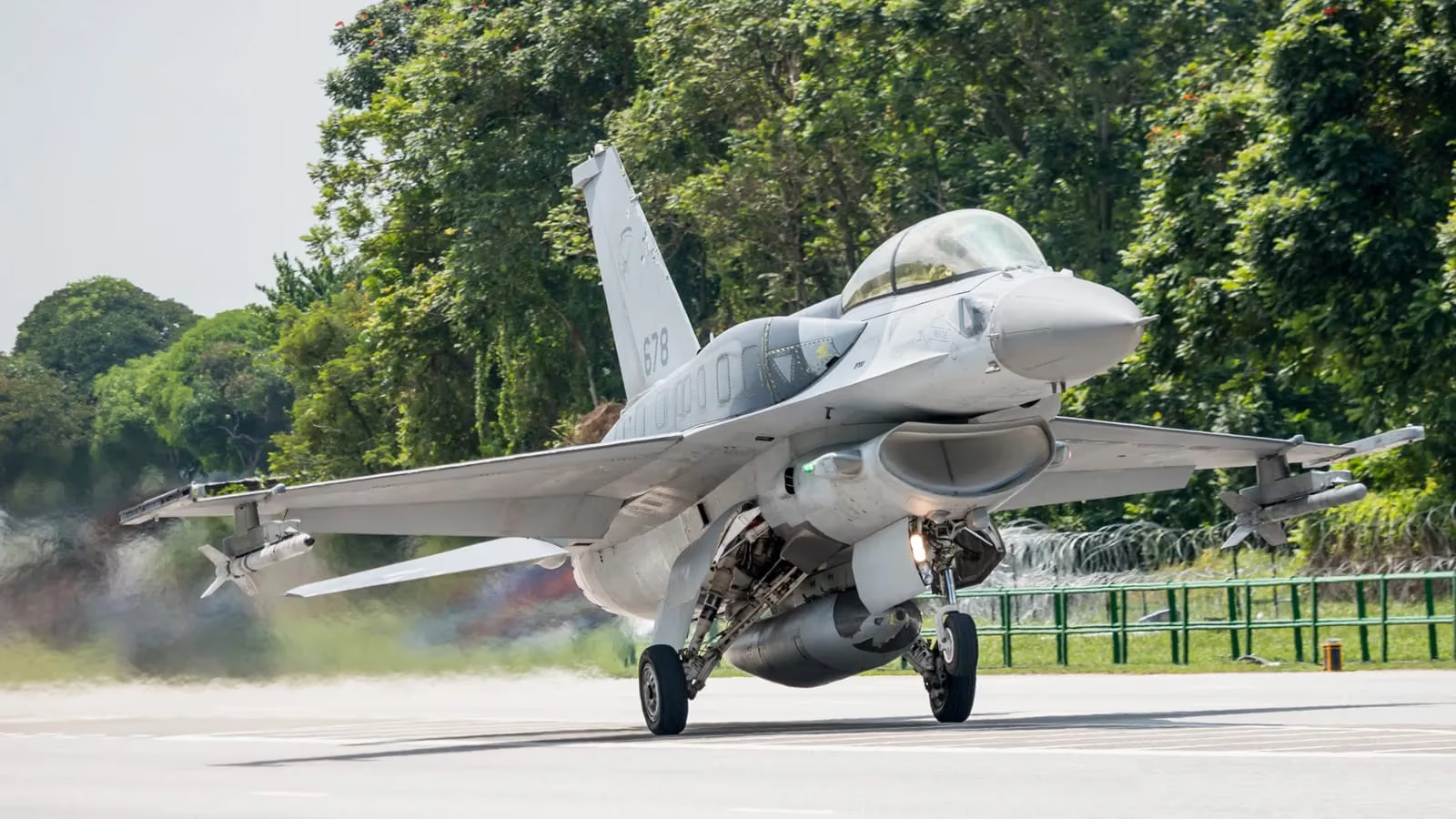
Today, the RSAF operates two active fighter types, with a third entering service, the F-15SG Strike Eagle, the F-16C/D Fighting Falcon, and the F-35 Lightning II.
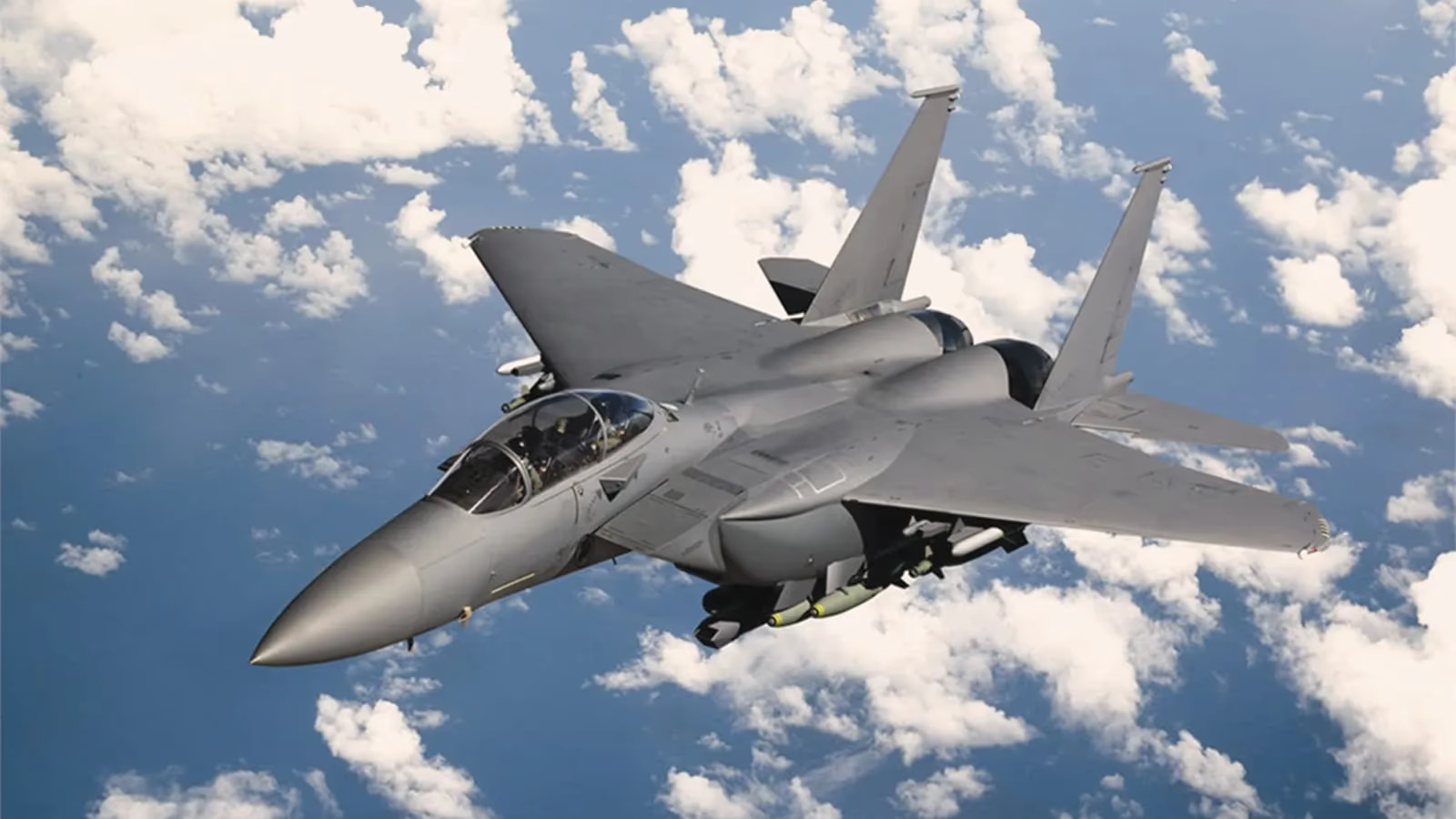
The numbers behind those types are significant. According to data from Flight Global's World Air Forces directory, the RSAF operates around 40 F-15SGs and 60 F-16C/Ds, approximately 100 frontline fighters in total. For context, Singapore's land area is smaller than most major Southeast Asia cities.
Fewer aircraft types also translate directly into logistics. Fewer platforms mean simplified maintenance chains, streamlined pilot training pipelines, and concentrated procurement budgets.
The First Fifth Generation Fighter in Southeast Asia
Singapore is set to become the first country in Southeast Asia to operate a fifth generation fighter aircraft.
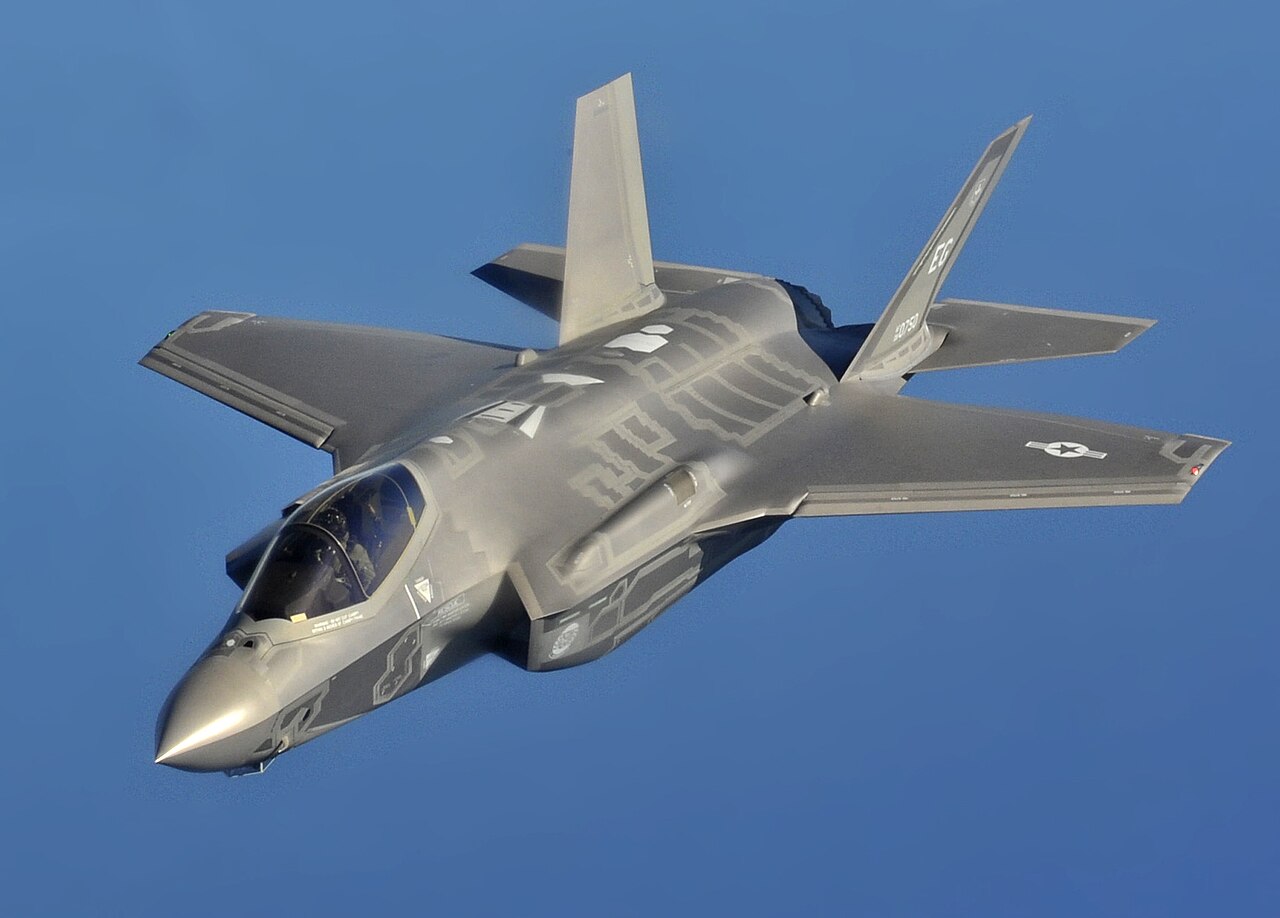
Singapore's Ministry of Defence confirmed a total order of 20 Lockheed Martin F-35s, 12 F-35Bs and 8 F-35As. The first four F-35Bs are expected to be delivered in 2026, eight more F-35Bs in 2028, and the eight F-35As around 2030.
What makes the F-35 different from older jets? Two things stand out.
First, it is much harder to detect on radar, its design reduces the signal it sends back to enemy systems. Second, it pulls in data from multiple sensors at once and presents it to the pilot in a single, unified picture, allowing faster decisions in the air.
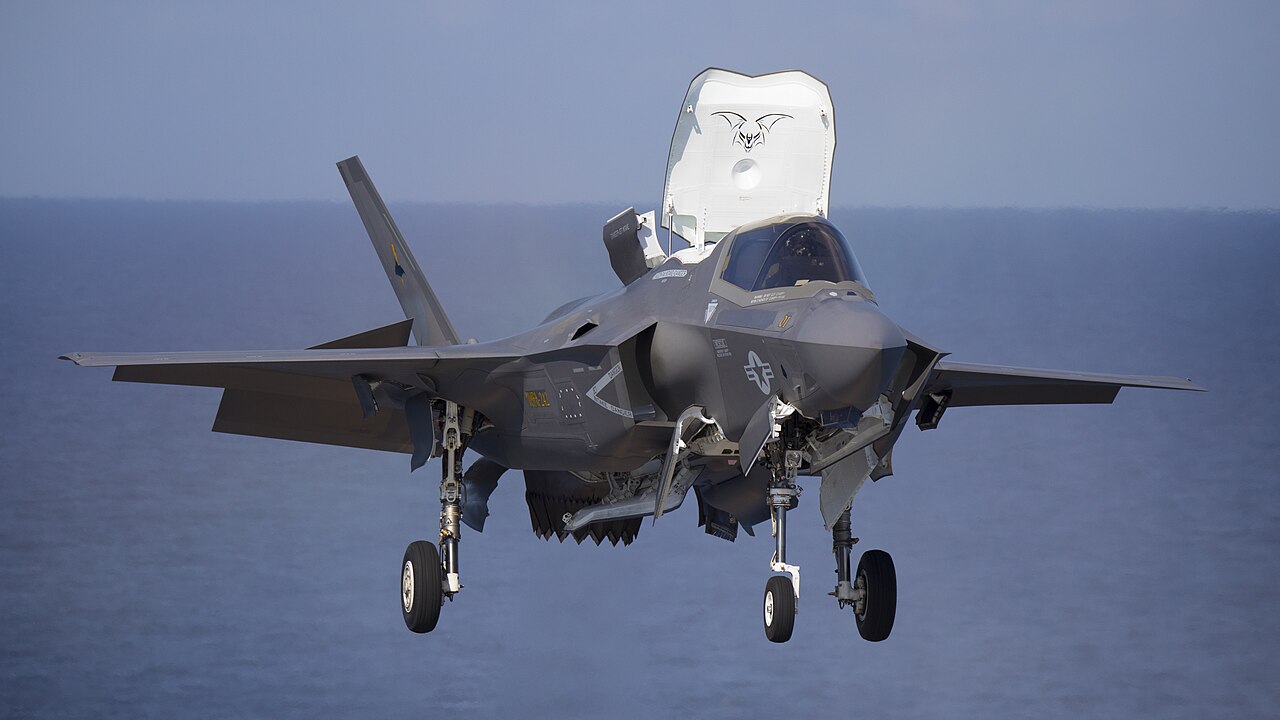
The F-35B version can also take off on a short runway and land vertically, useful for a country where airbase space is tight.
More Eyes in the Sky
Fighter jets are only part of the picture. The RSAF also operates four specially modified Gulfstream G550 aircraft that act as flying radar stations, officially called Airborne Early Warning aircraft.
Singapore's Ministry of Defence confirmed these were acquired in 2007 and delivered between 2009 and 2011.
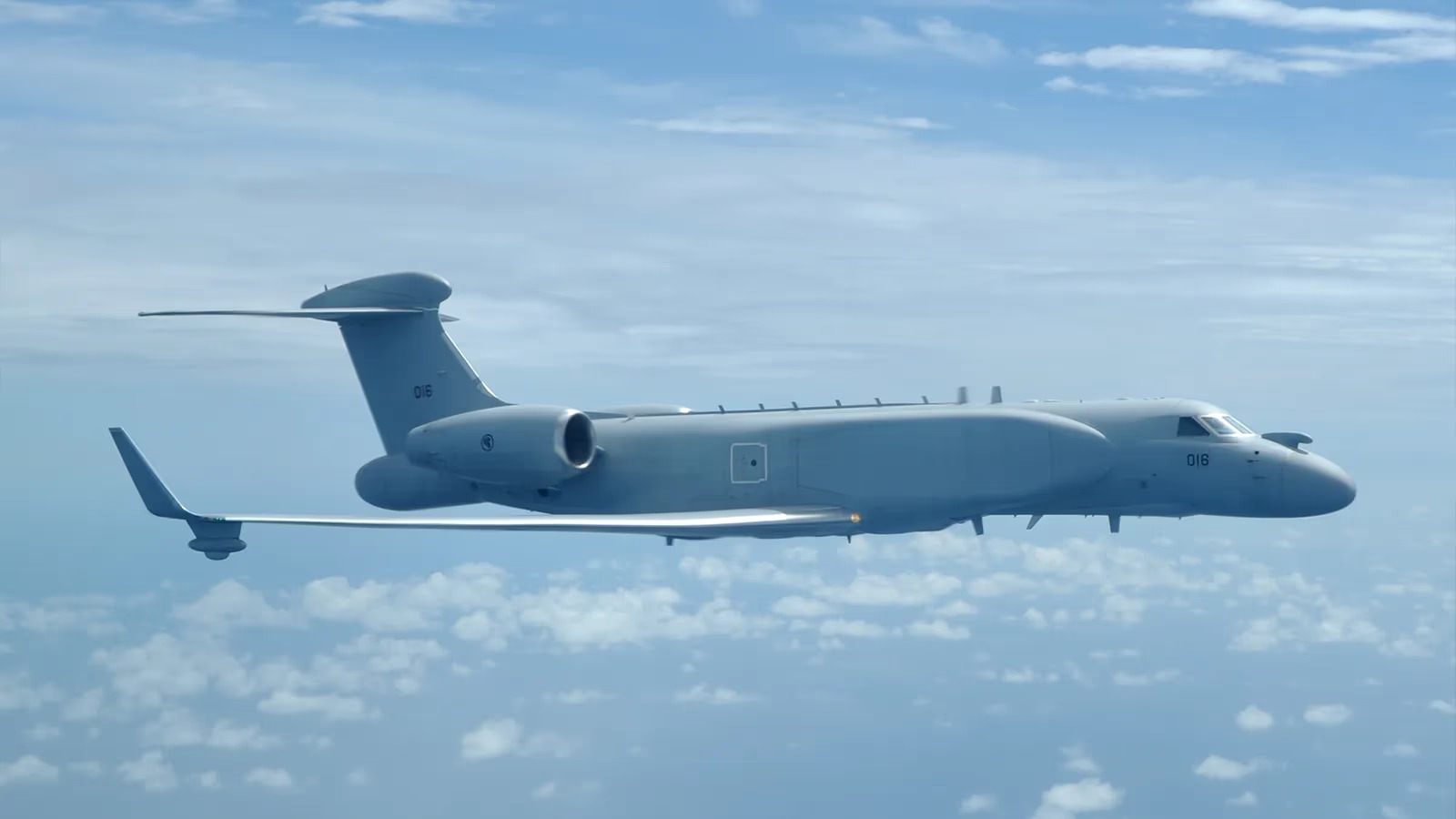
The idea is straightforward, a radar on the ground can only see so far before the Earth's curve gets in the way. Put that radar on a plane flying at high altitude, and suddenly it can scan more than 200 nautical miles in every direction, spotting threats long before they get close.
These aircraft effectively give Singapore a much wider picture of what is happening in the airspace around it.
Training Beyond Its Borders
Singapore's airspace is too limited for large scale combat training. To address this, the RSAF maintains permanent overseas training detachments.
F-15SG pilots train at Mountain Home Air Force Base in Idaho, Pacific Northwest and Mountain West regions of the United States. Fighter and helicopter units also conduct regular exercises in Australia, including the multinational Exercise Pitch Black held at Darwin.
These arrangements allow the RSAF to conduct live fire drills, extended sorties, and large formation exercises that Singapore's geography does not accommodate.
Built Around Stealth and Awareness
Every piece of Singapore's air force, the concentrated fighter fleet, the flying radar planes, the overseas training bases, the incoming stealth jets, connects back to the same starting point, a small country that cannot afford to be slow or caught off guard.
The F-35 deliveries running from 2026 to 2030 will mark the next chapter in a buildup Singapore began planning as far back as 2019, moving its air force from fourth generation jets into the stealth era, first in Southeast Asia to do so.