During the height of the Cold War in the late 1960s, one of the busiest single runway airbases in the world was not located in London, Chicago, or New York. It was a gravel runway hidden inside a remote valley in northern Laos.
Known on military grids as Lima Site 20A, Long Tieng became the operational center of the Central Intelligence Agency’s covert war in Laos. From the mid 1960s until 1975, the site coordinated air operations, intelligence activity, and logistical support across much of northern Laos.
Contemporary records and later historical studies show that Long Tieng handled hundreds of daily air movements during peak periods, making it one of the most active airstrips in the world by sortie volume.
Inside Long Tieng
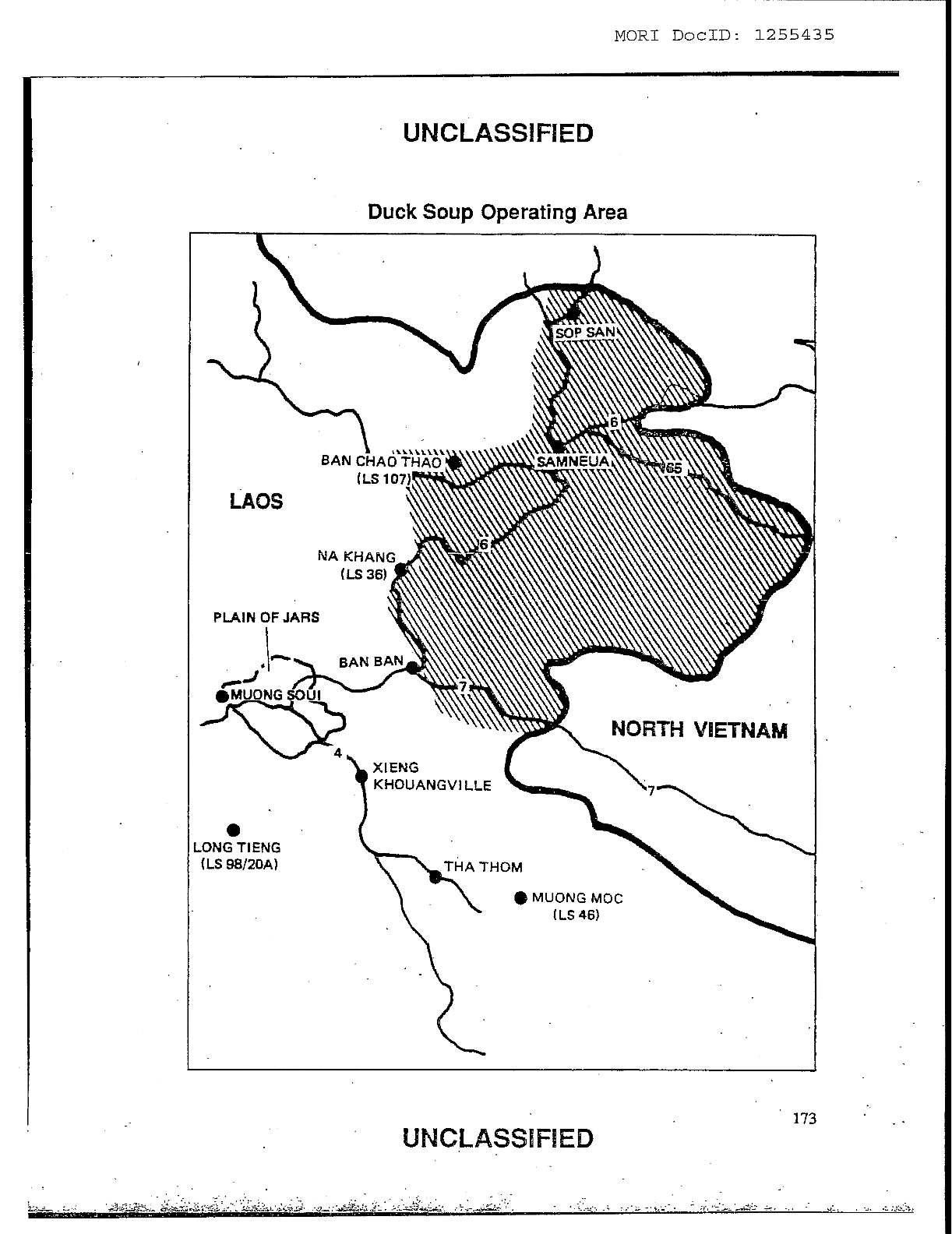
The foundation of Long Tieng began in 1962 after the Geneva Accords formally recognized Laos as a neutral state and restricted foreign military presence inside the country.
To continue operations without deploying conventional forces, the United States expanded CIA led paramilitary activity in Laos.
Long Tieng was selected because of its location in a narrow mountain valley approximately 150 kilometers north of Vientiane, surrounded by limestone ridges that provided natural concealment.
By 1964, a 1,260 meter runway had been completed. Over the next several years, the area expanded into a major operational settlement.
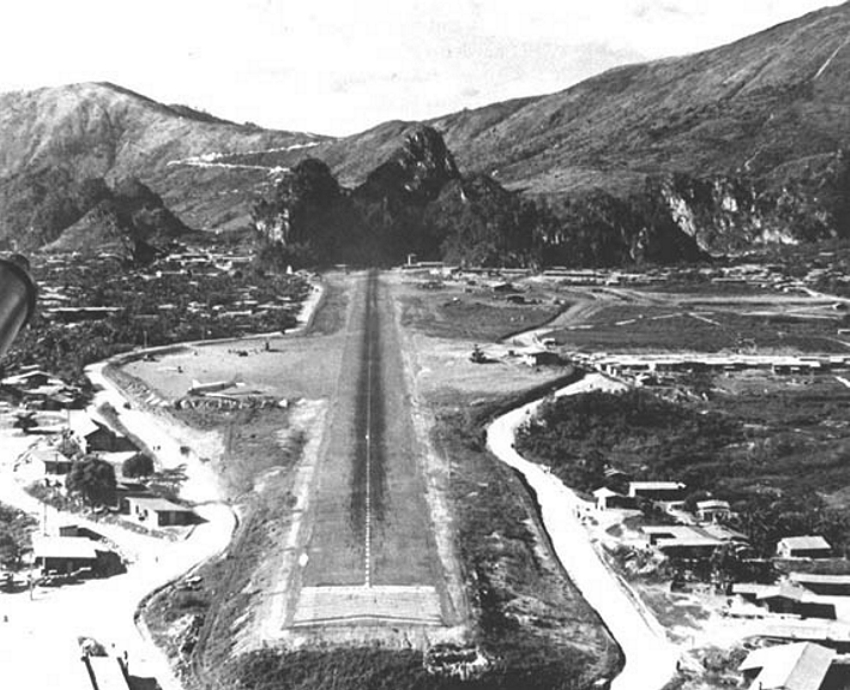
At its peak in the late 1960s and early 1970s, Long Tieng’s population was estimated at around 40,000 people, making it one of the largest settlements in Laos at the time.
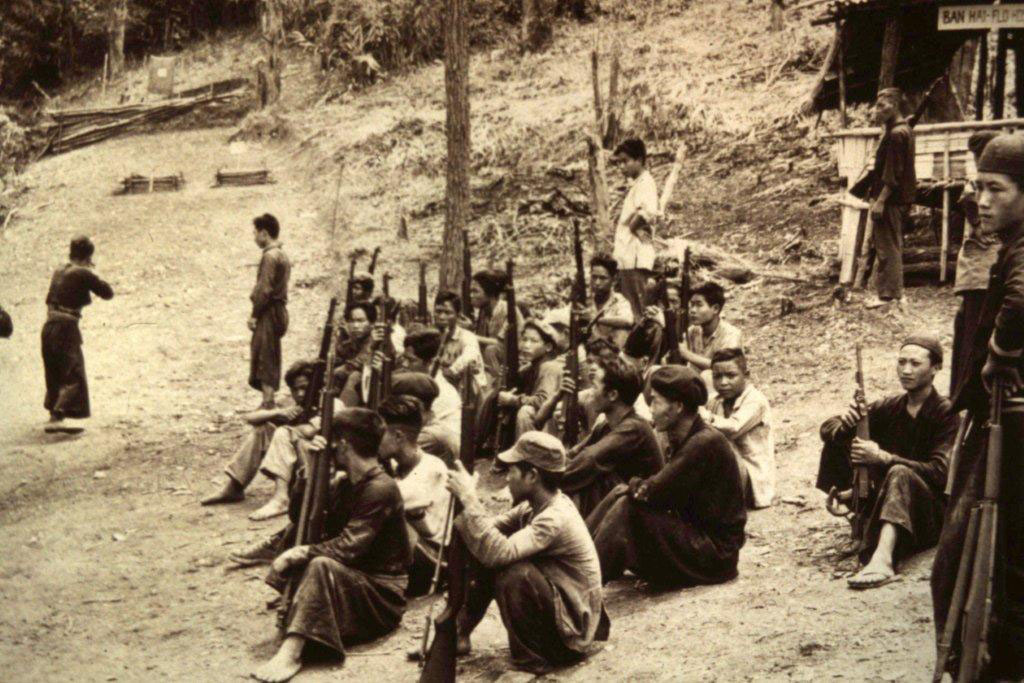
The population included CIA personnel, Air America crews, Thai mercenaries, and Hmong forces under Major General Vang Pao. Historical records also describe the site as the largest Hmong settlement in the world during the conflict.
Long Tieng Air Operations
The intensity of Long Tieng’s operations was unusual for a single runway facility.
According to CIA, Air America maintained dozens of transport aircraft, STOL (Short Take Off and Landing) aircraft, and helicopters dedicated to Laos by 1970. The company employed more than 300 aviation personnel supporting operations across the country.
In that year alone, Air America delivered over 20,000 metric tons of food supplies, mostly rice, across Laos.
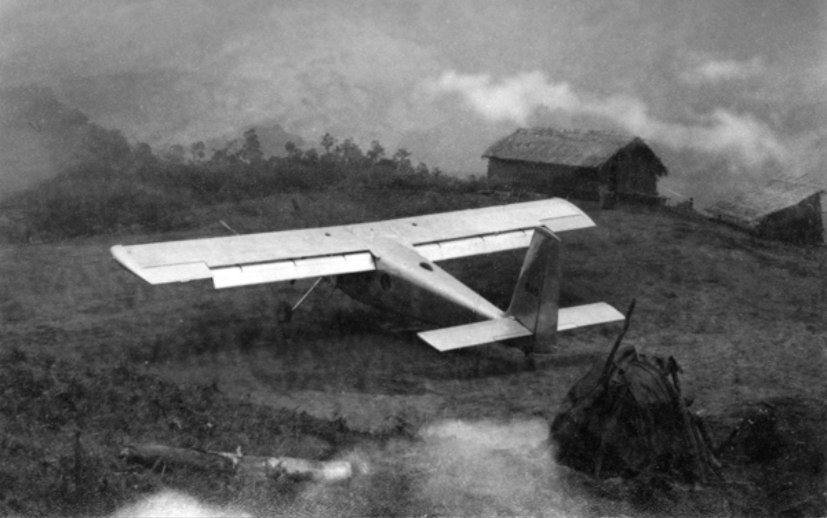
Long Tieng often handled between 400 and 500 aircraft movements per day. On peak operational days during heavy combat periods, reported traffic exceeded 800 takeoffs and landings.
This level of activity made Long Tieng one of the busiest airbases in the world by daily military movement density during the Laotian Civil War.
What Happened After 1975
Long Tieng’s role ended in 1975 following the collapse of the Royal Lao Government and the victory of the Pathet Lao.
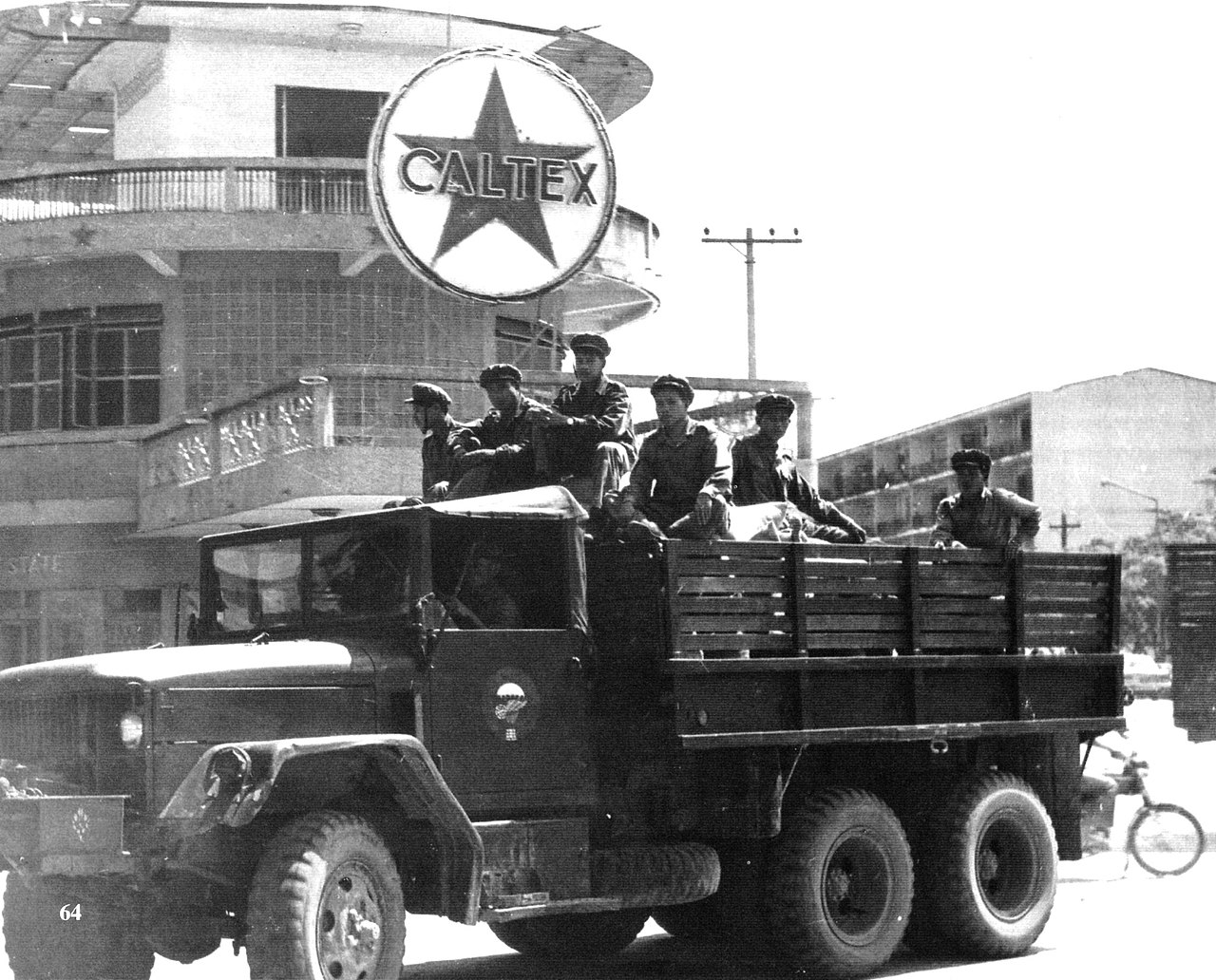
American personnel were evacuated, and much of the population dispersed, with many Hmong later resettling in Thailand and the United States.
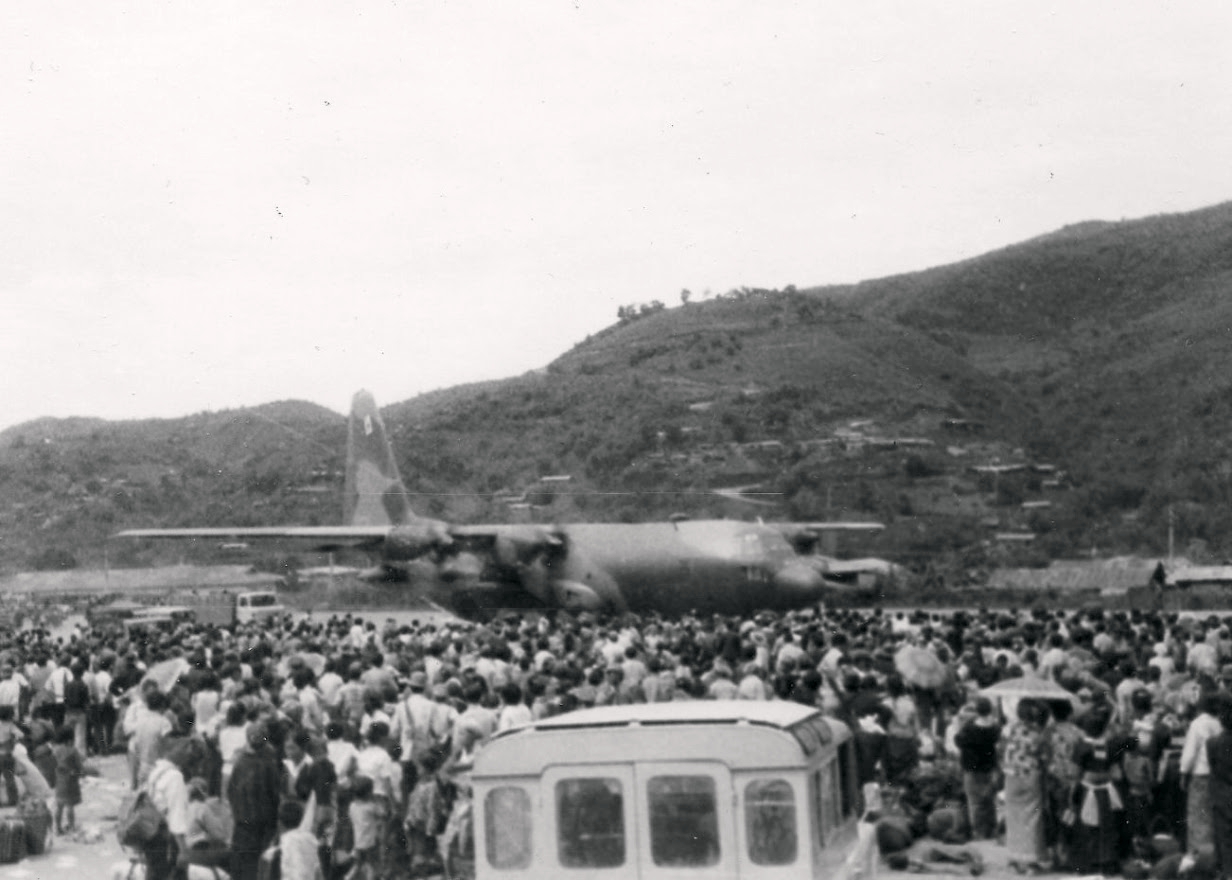
After the war, Long Tieng remained under Lao military control and was incorporated into the restricted Xaisomboun Special Zone in 1994. The area remained tightly controlled for decades before Xaisomboun Province was formally reestablished in 2013.
Today, the runway remains visible, and the surrounding settlement continues to exist as part of Laos’ administrative territory.
Legacy of the Secret War
Long Tieng remains one of the most significant sites of the CIA’s Secret War in Laos.
Its role in coordinating air logistics, refugee transport, and military operations made it one of the most important covert airbases in Southeast Asia during the Cold War.
Although absent from official maps for much of its wartime history, Long Tieng played a measurable role in one of the largest covert operations conducted by the United States in the twentieth century.