Two Russian tortoises became the first living creatures to fly around the Moon and make it back to Earth. They did it aboard a Soviet spacecraft, and their trip may have made NASA rethink its own plans.
If a capsule could bring tortoises home alive from the Moon, it could one day carry people too. That possibility worried Washington, and it kept the Soviet Union in the race longer than most people remember.
In the end, the Soviet Union never put a cosmonaut (a Russian astronaut) on the Moon. Apollo 11 claimed that prize in 1969. But for a few years in the 1960s, Moscow had giant rockets, purpose-built spacecraft, and missions that made the race look much closer than it does today.
Two Moon Plans at Once
Soviet engineers were not chasing a single Moon mission. According to NASA, they were working on two, and each one answered a different question.
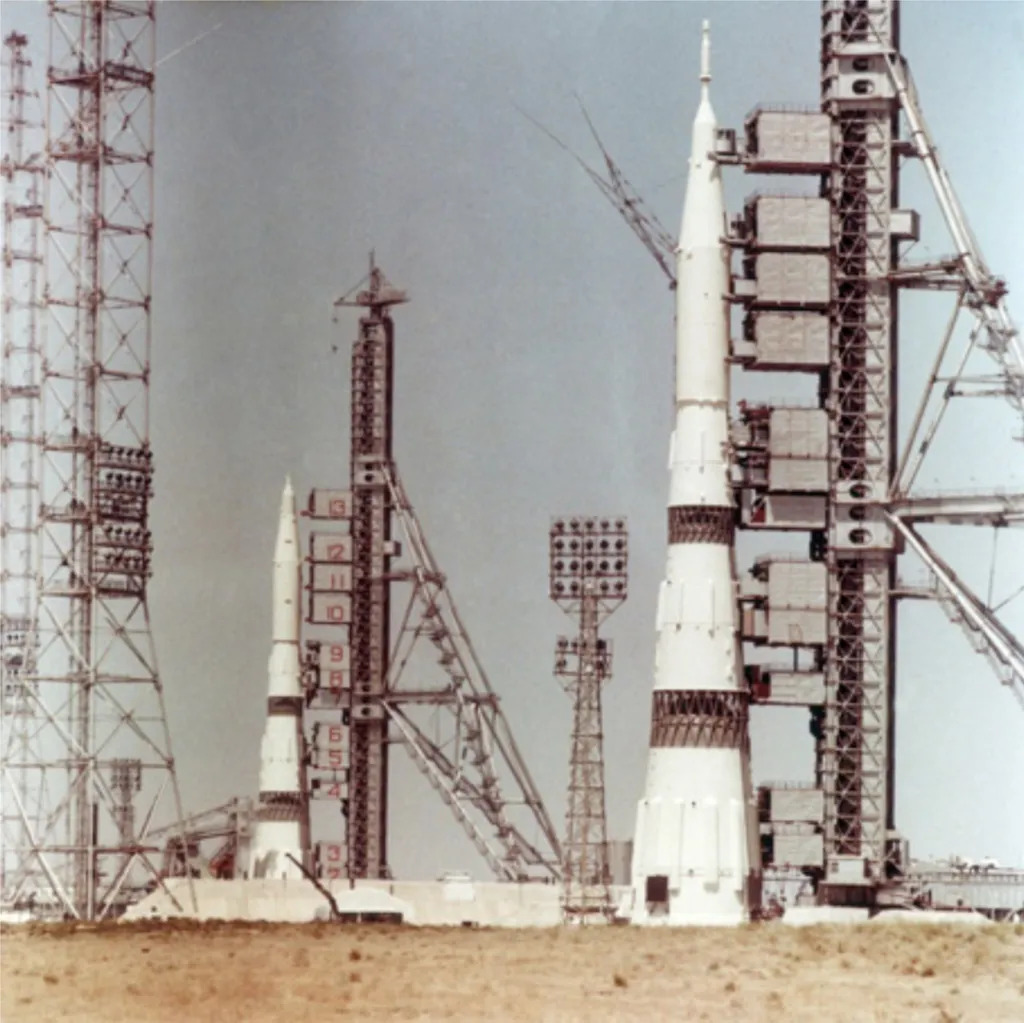
The first, N1-L3, was the true Apollo rival. It was built around the N1, a giant rocket meant to haul a lunar spacecraft out of Earth orbit and send it toward the Moon.
From there, the plan would look familiar to anyone who knows Apollo. A mother ship called the LOK would stay in lunar orbit while a separate lander, the LK, went down to the surface. Where Apollo 11 put two astronauts on the Moon, the Soviet design called for just one cosmonaut to make the descent, then return to the LOK for the trip home.
The second plan, L1, better known as Zond, was a smaller bet. It skipped the landing entirely and aimed to fly two cosmonauts around the Moon and bring them straight back to Earth. For that, engineers took the Soyuz spacecraft and modified it, cutting weight and adapting it for the longer journey.
Neither plan ever sent a human to the Moon, but one of them got surprisingly close.
The Closest Call
Zond 5 lifted off on September 15, 1968, with two Russian steppe tortoises, some fruit flies, worms, and plants on board.
Six days later the capsule was back on Earth after swinging around the Moon, and the tortoises had become the first living creatures to complete that round trip.
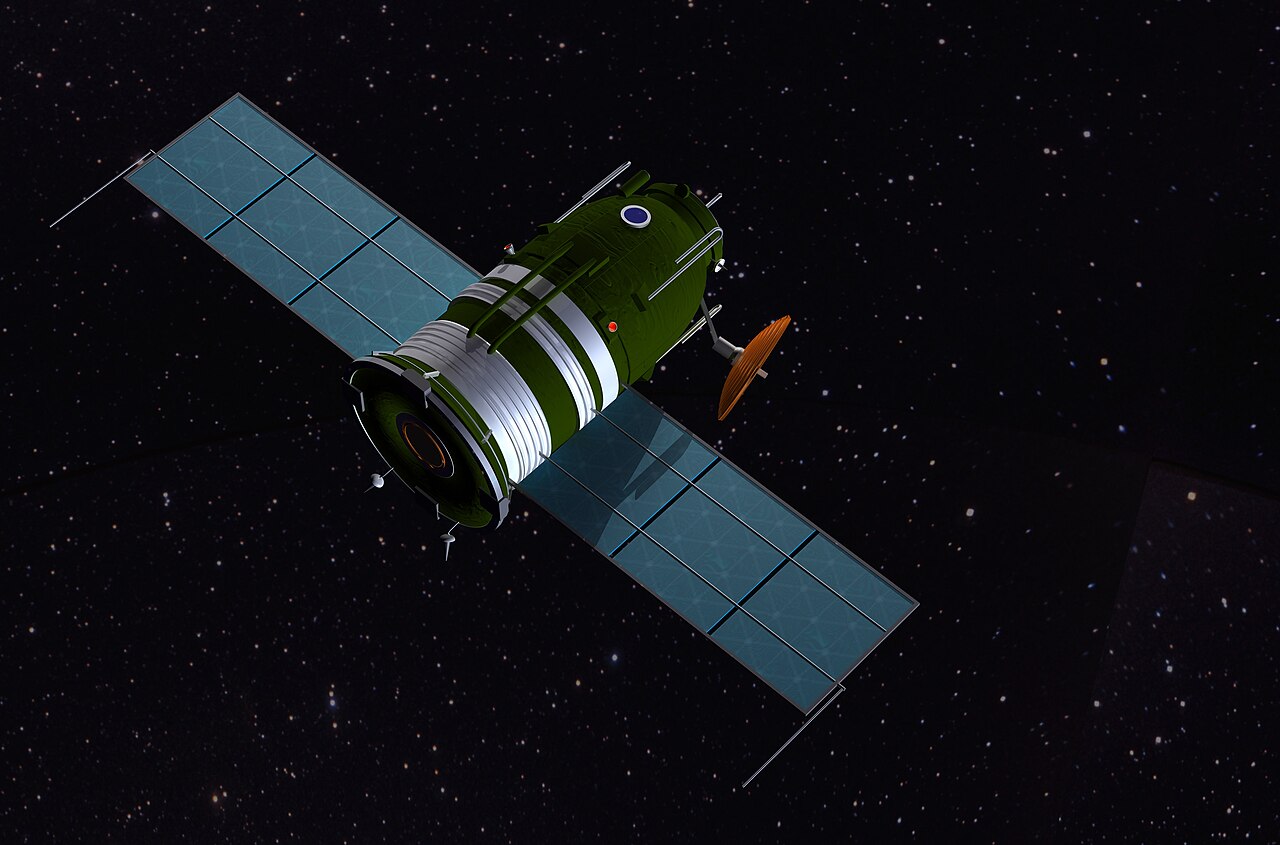
Washington noticed. NASA officials worried that Moscow might soon try a crewed lunar flight, and that fear, together with intelligence about the N1 rocket, may have helped push the agency to send Apollo 8 around the Moon that December.
The Soviet program was far shakier than it looked. Zond 6 flew around the Moon in November 1968, but its cabin lost pressure on the way home and the capsule crashed after its parachute system failed. Any crew on board would have died.
Zond 7 and Zond 8 did make clean flights around the Moon, in 1969 and 1970, but by then Apollo had already landed. No cosmonaut ever rode a Zond, and the crewed flight never happened.
The Rocket Problem
Zond proved that Soviet spacecraft could reach the Moon. Getting a landing crew there was a different problem, and it came down to the N1.
The N1 was Moscow’s answer to America’s Saturn V, a super-heavy rocket built to send a lunar landing mission on its way. Its first stage alone used 30 engines, and getting them all to fire and steer in sync proved extremely hard.
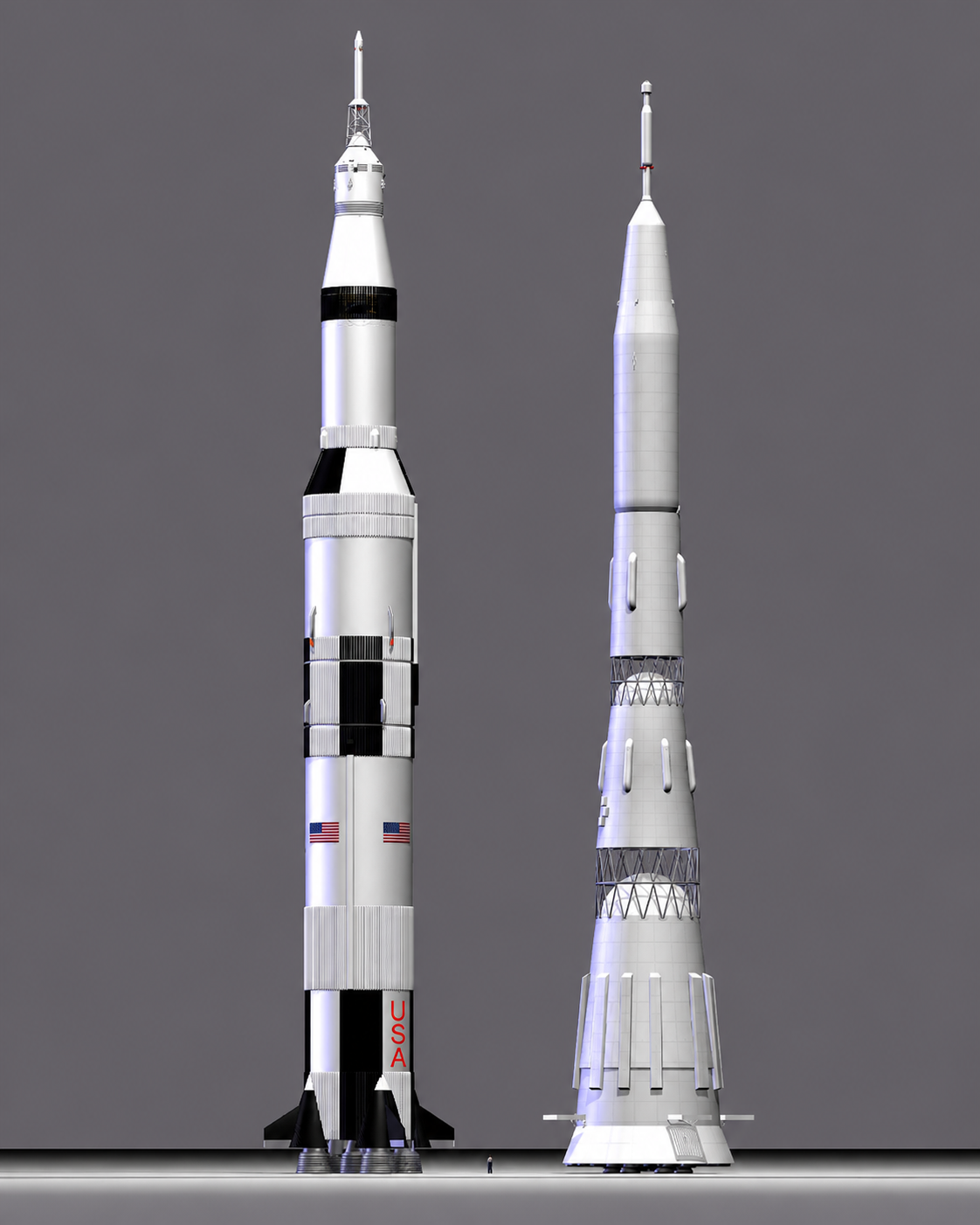
The test flights showed it. Between February 1969 and November 1972, the N1 launched four times, and every flight failed before the first stage finished its burn.
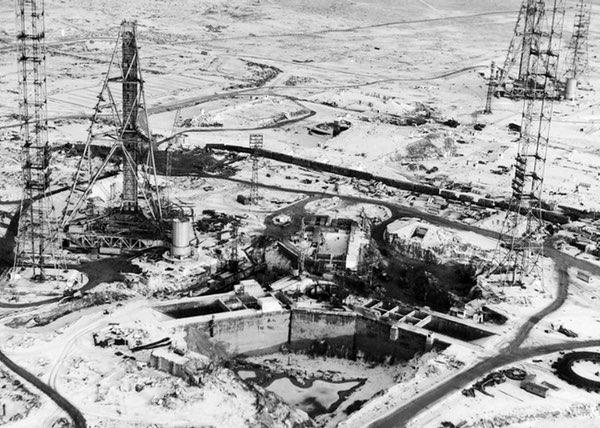
The second attempt, on July 3, 1969, was the worst. The rocket exploded shortly after liftoff and wrecked part of the launch complex at Baikonur Cosmodrome, just weeks before Apollo 11 touched down on the Moon.
Nail in the Coffin
The N1 was not the only thing holding Moscow back. The program was starved of funding, pulled between competing political and military priorities, and split by rivalries inside the space program itself, according to NASA.
Then it lost its leader. Sergei Korolev, the chief architect of the Soviet space program, died in January 1966. His successor, Vasily Mishin, took over a project that was already struggling with serious technical problems.
Apollo 11 reached the Moon in July 1969, but the Soviets kept testing. The N1 failed again in 1971 and once more in 1972. By 1974 the program was effectively halted, and in 1976 it was officially canceled. No Soviet cosmonaut ever walked on the Moon.
Moscow did not leave empty-handed. Its robotic Luna probes made the first soft landing on the Moon in 1966 and, in 1970, brought back the first lunar soil samples collected by a robot.