Few people realize that Indonesia once came close to launching a military operation on the coast of Africa.
In 2011, the Indonesian military assembled one of the most ambitious expeditionary forces in its modern history. Three warships, nearly 500 personnel, amphibious armored vehicles, special forces, and a contingency plan to storm a pirate held shoreline in Somalia.
The landing never happened. But it came far closer than most people know.
The Hijacking That Sparked a Military Response
The crisis began on 16 March 2011, when MV Sinar Kudus, an 8,911 tonne bulk carrier owned by PT Samudera Indonesia and carrying ferronickel from South Sulawesi to Rotterdam was seized by Somali pirates.
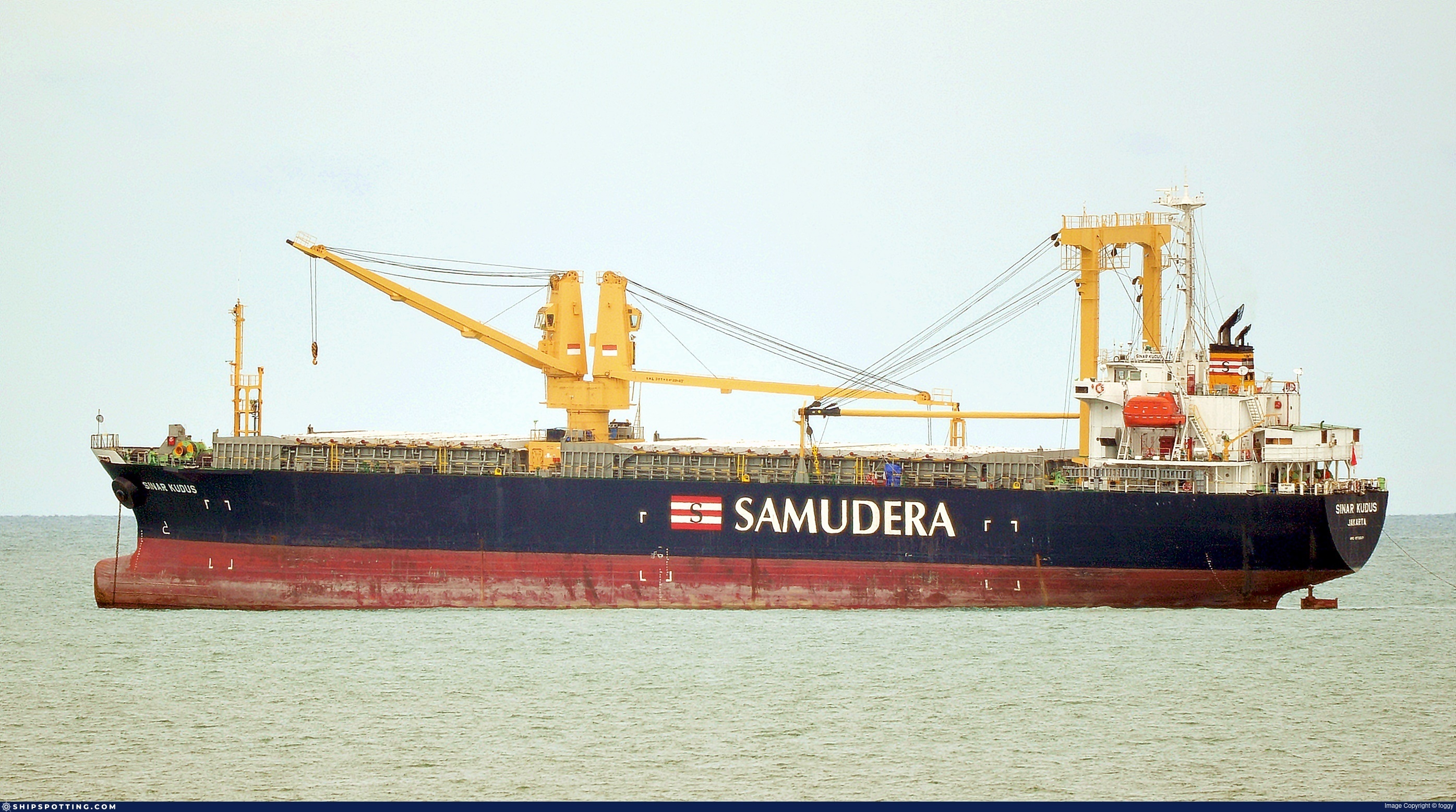
The ship was seized by Somali pirates approximately 456 nautical miles (845 km) east of the Somali coast. Of the 20 crew members on board, all were Indonesian nationals. Within 24 hours, the pirates had converted the vessel into a mothership, using it as a floating base to launch attacks on other ships in the area.
President Susilo Bambang Yudhoyono received the report on 17 March. The following day, he convened the first of at least five restricted cabinet meetings on the crisis, ordering the military to begin preparing every available option for the crew's release.
Red and White Task Force
On 23 March 2011, under orders from TNI Commander Admiral Agus Suhartono, Indonesia dispatched its first naval task force.
View this post on Instagram
Named Satgas Merah Putih (Red and White Task Force). The initial deployment comprised two Ahmad Yani class frigates, KRI Abdul Halim Perdanakusuma (355) and KRI Yos Sudarso (353).
Along with one Bo-105 helicopter, sea riders, and special forces personnel drawn from Denjaka, Kopaska, and Kopassus.
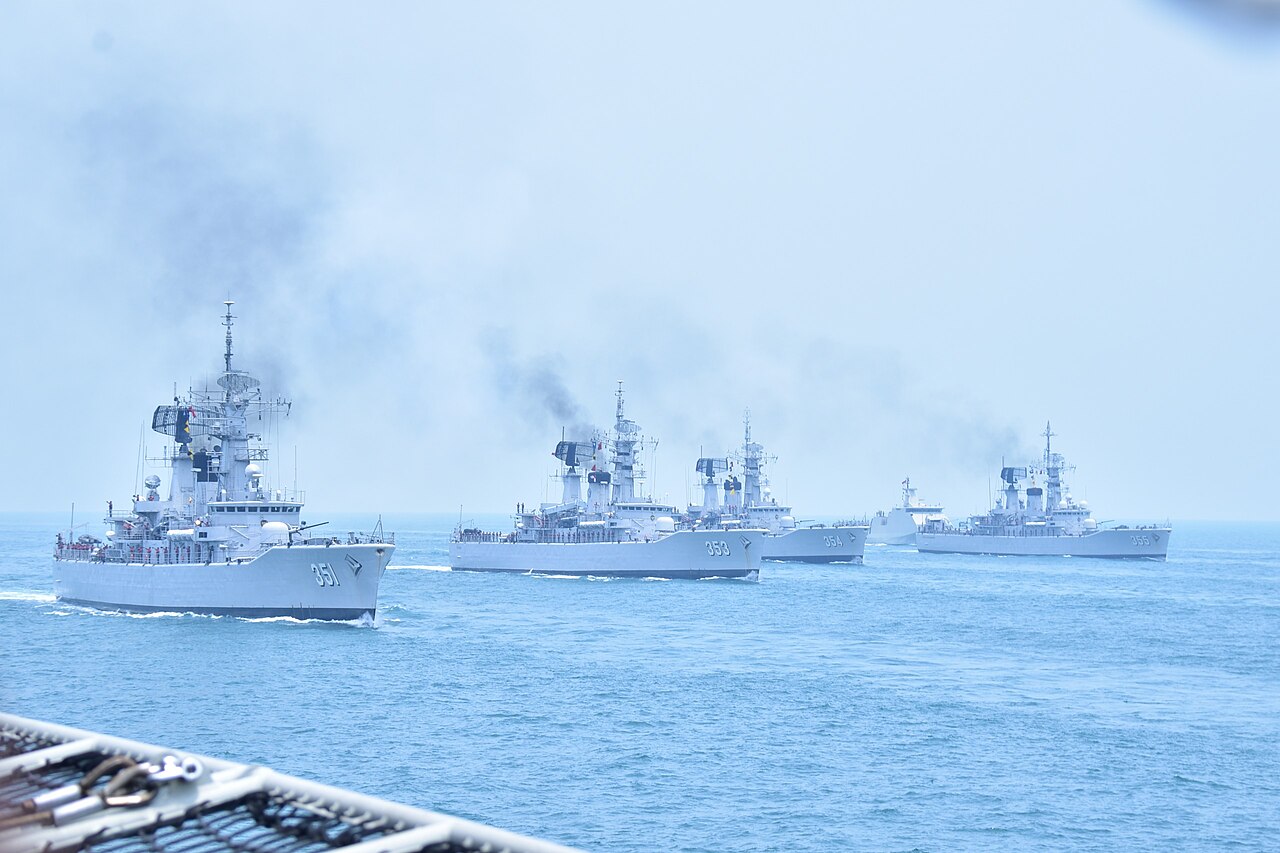
The task force departed Tanjung Priok on 23 March, stopped at Teluk Bayur in Padang on 25 March, arrived in Colombo, Sri Lanka on 29 March, and reached Somali waters on 4 April.
By the time they arrived, however, MV Sinar Kudus had already been moved. The pirates had anchored the vessel about 2.8 km off the Somali coast at El Dhahanan, Puntland, surrounded by other hijacked ships and reinforced by additional pirates ashore.
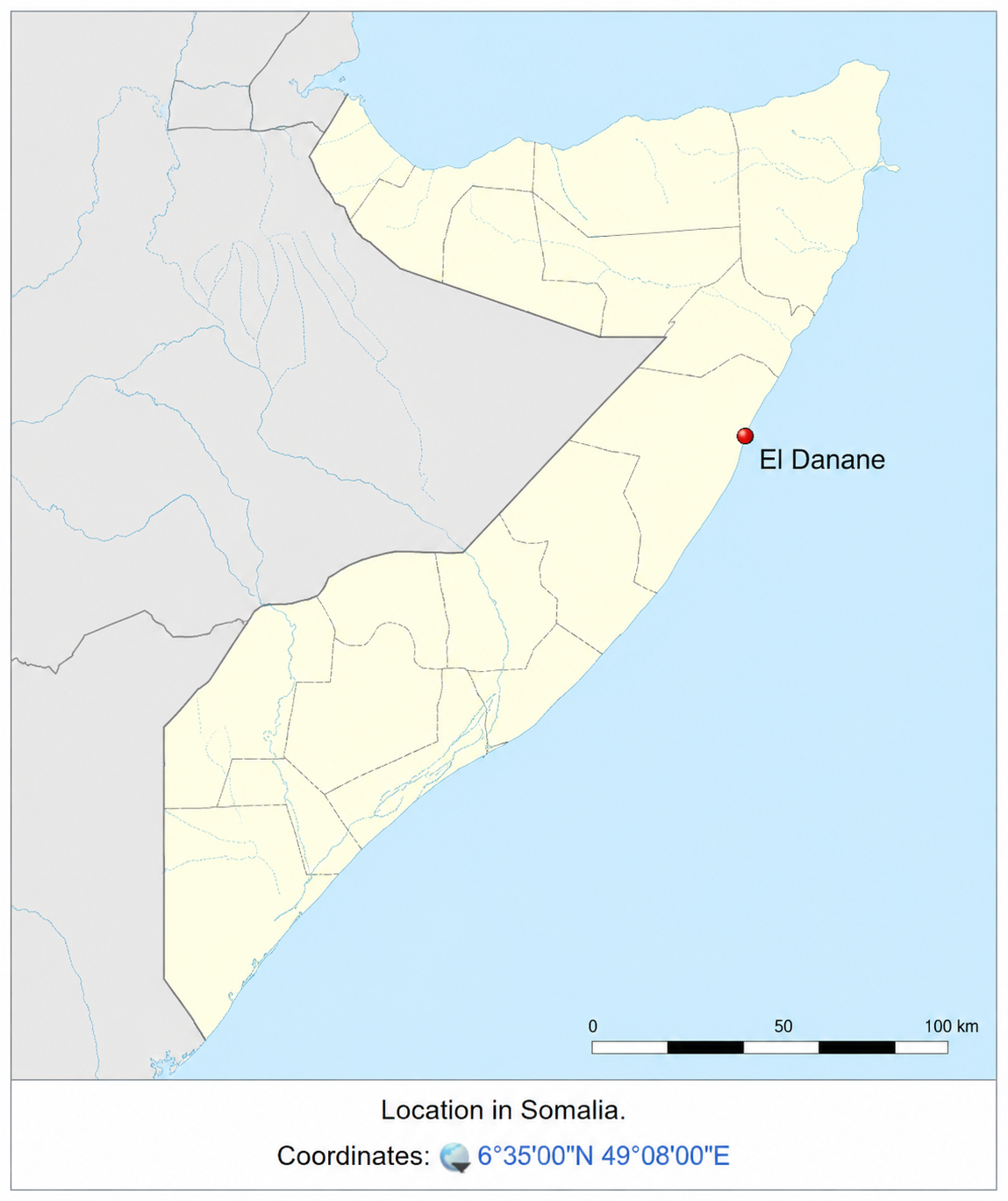
Intelligence reported 15 to 20 organized pirate groups operating in the area, each with approximately 30 members. With hundreds of armed pirates potentially operating nearby, any military rescue would face significantly greater risks.
The Amphibious Plan
With the ship now anchored close to the coast and military planners aware that hostages could be moved ashore at any moment.
President Yudhoyono authorized the deployment of a second, larger force.
On 21 April, LPD KRI Banjarmasin (592) departed Tanjung Priok carrying approximately 300 additional personnel, BMP-3F amphibious tanks, howitzer artillery, LCVP landing craft, and elements from the Marine Corps Infantry Brigade and the 1st Amphibious Reconnaissance Battalion.
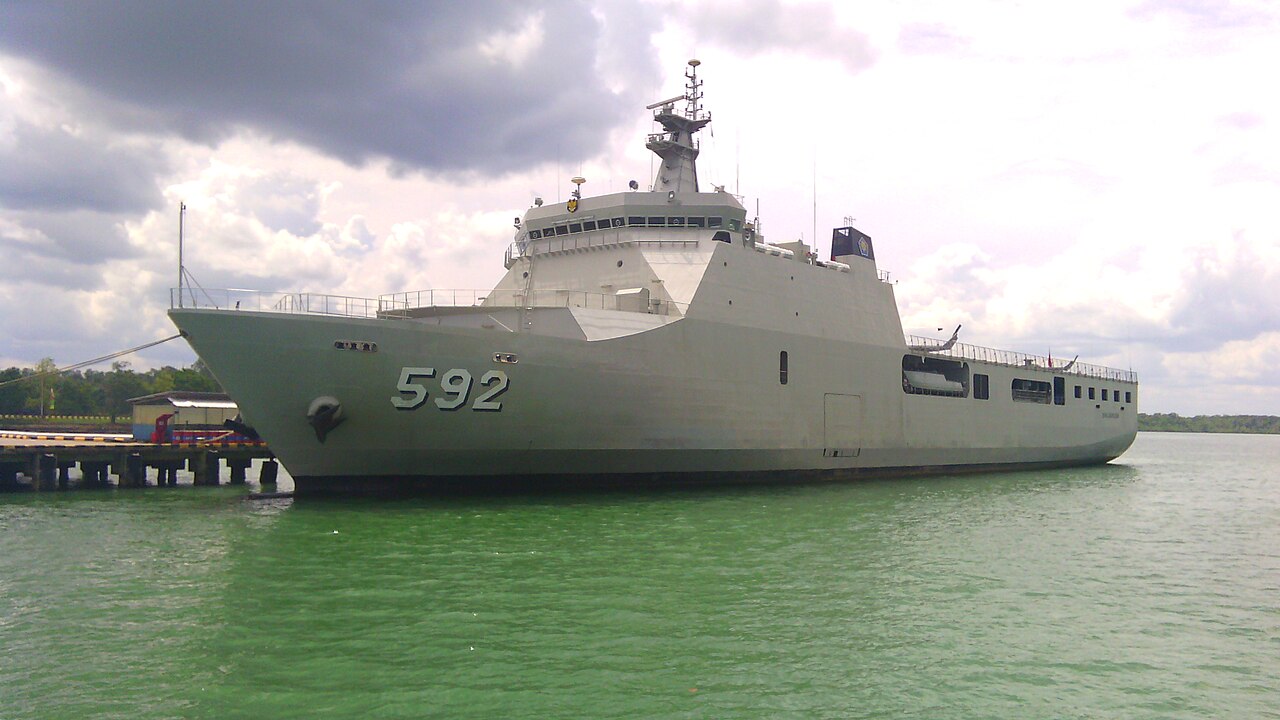
The contingency plan was not to invade Somalia, but to land Indonesian Marines on the Puntland coast and extract the crew by force if negotiations collapsed and the hostages were moved ashore.
KRI Banjarmasin, however, was still at sea when the crisis ended.
Speaking at the Supermentor-28 On Leadership event in April 2025, former President Susilo Bambang Yudhoyono recalled that he had ordered preparations for a contingency amphibious assault on the Somali coast if negotiations failed.
46 Days, One Ransom, Four Pirates Dead
On 30 April 2011, PT Samudera Indonesia airdropped a ransom payment from an Antonov aircraft into the waters around MV Sinar Kudus at its anchorage in Cheel Dhahanan.
The 35 pirates aboard began leaving the ship in groups to count and divide the money, a process that according to TNI officials, took through the night. By 1 May, all pirates had departed and the 20 Indonesian crew members regained control of the vessel.
As MV Sinar Kudus began moving away from Somali waters, a separate group of pirates approached in fast boats and attempted to seize the ship a second time.
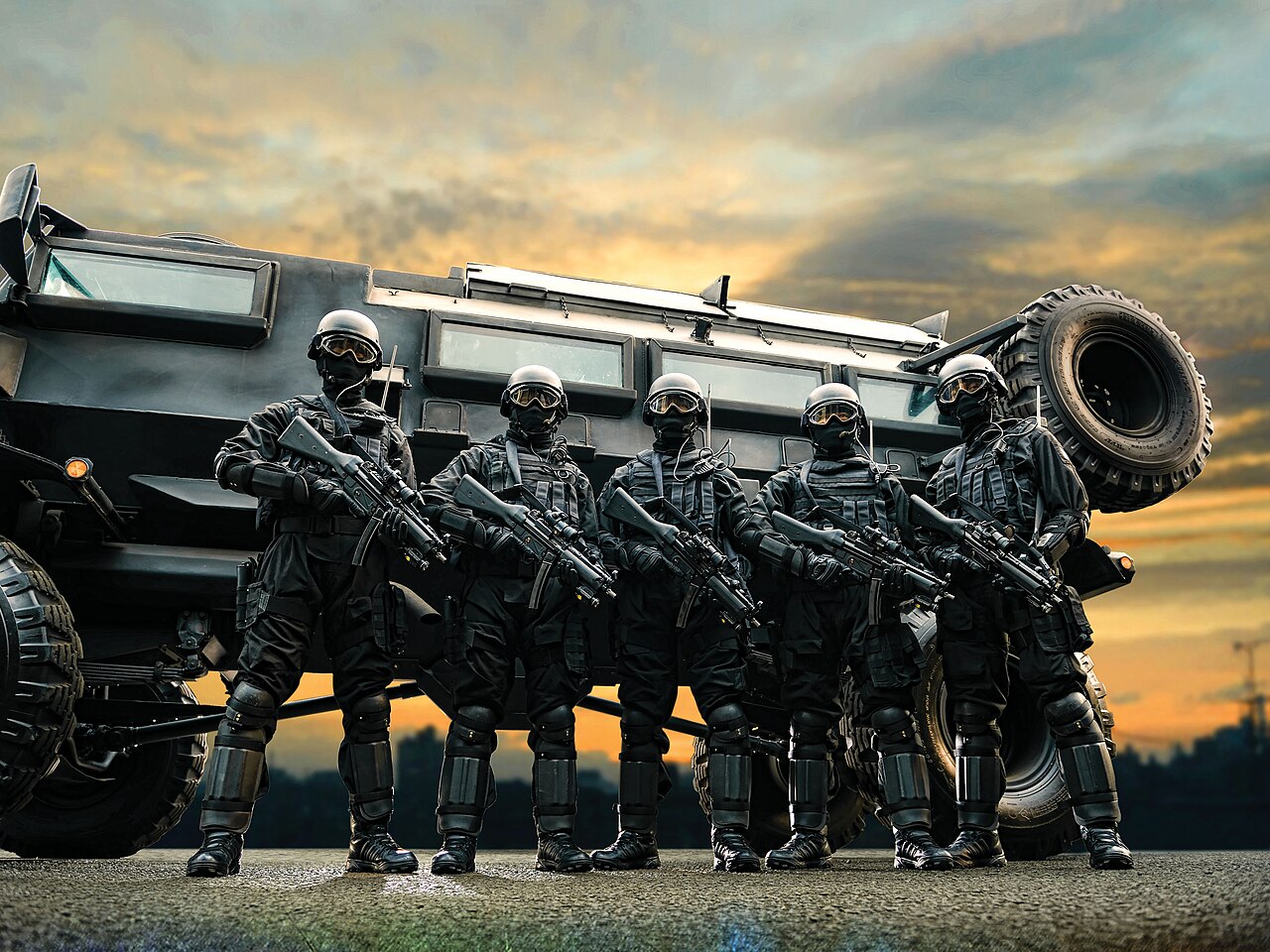
Denjaka and Kopassus personnel aboard the escorting frigates responded, killing four attackers and repelling the attempt. The ship continued toward Salalah, Oman, under TNI escort. The full task force returned to Tanjung Priok on 23 May 2011, where Yudhoyono received them at the Kolinlamil naval base.
Indonesia's Longest Range Military Operation in Decades
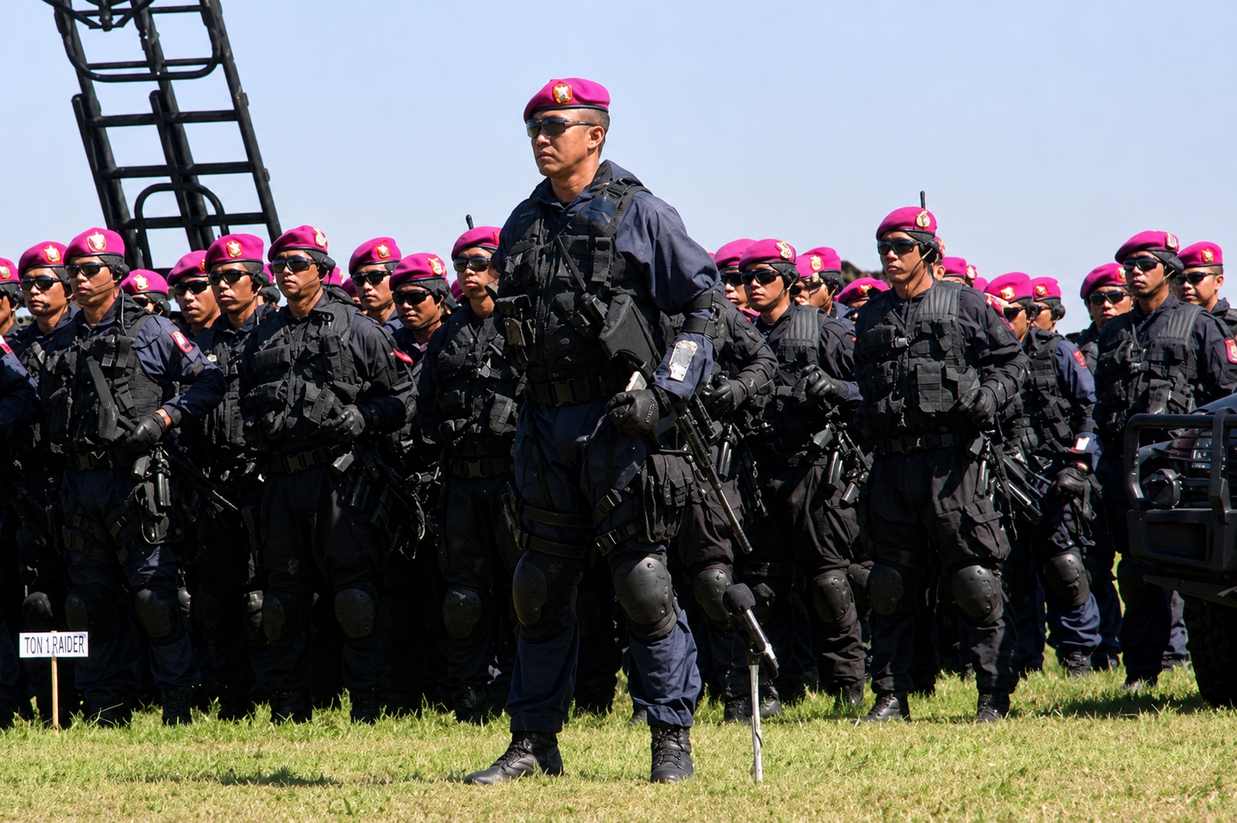
Satgas Merah Putih involved 488 personnel drawn from the Navy, Army, and Air Force, deployed across three warships operating thousands of kilometers from Indonesian home waters.
Safety4Sea described it at the time as Indonesia's longest range military operation in 30 years. The operation also marked the first time Indonesia had assembled an amphibious capable task force for a hostage rescue contingency outside its own region.
The amphibious landing on the coast of Somalia never happened.
But the tanks were loaded, the landing craft were ready, and the order, had circumstances changed was already prepared.