If choosing a spaceport were as simple as picking a location, Indonesia could just build one in Bandung. A city that known for its cooler weather, so engineers would probably enjoy the climate.
But a launch site's weather only matters on launch day. What matters every single day is geography. Geography is something no amount of good weather can fix.
Unlike an airport, a spaceport cannot be built just anywhere. The location depends on where the rocket is going, since a satellite heading toward geostationary orbit has different launch requirements from one heading to a polar orbit.
That is why Indonesia has spent decades looking at one particular place, Biak Island, in Papua.
Why Location Comes First in Spaceflight
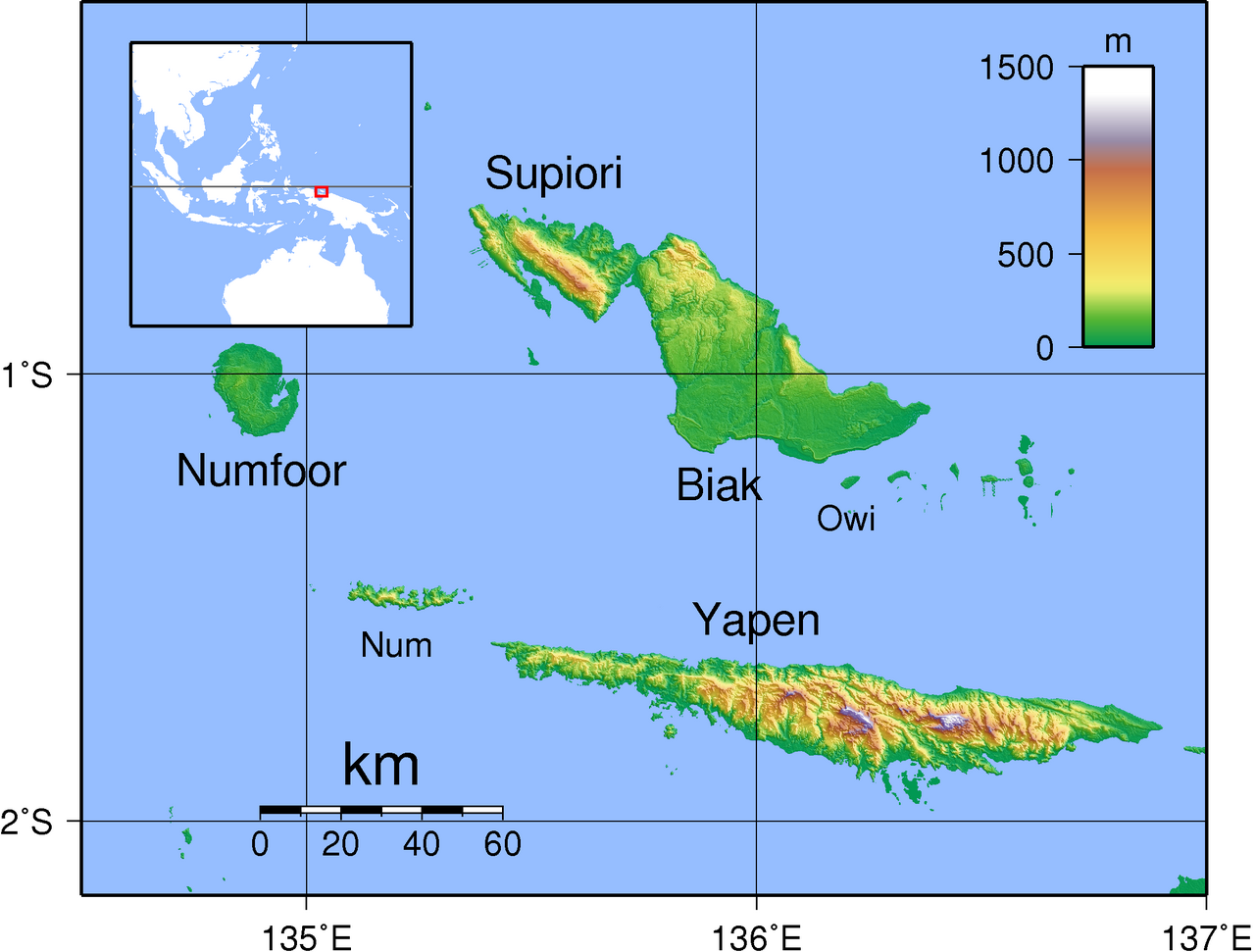
Biak is a small island more than 3,000 kilometers from Jakarta.
But on a map of Earth, its location is extraordinary. It sits at around 1° south of the equator, making it one of the closest inhabited islands in the world to Earth's equatorial line.
That matters because Earth is constantly spinning.
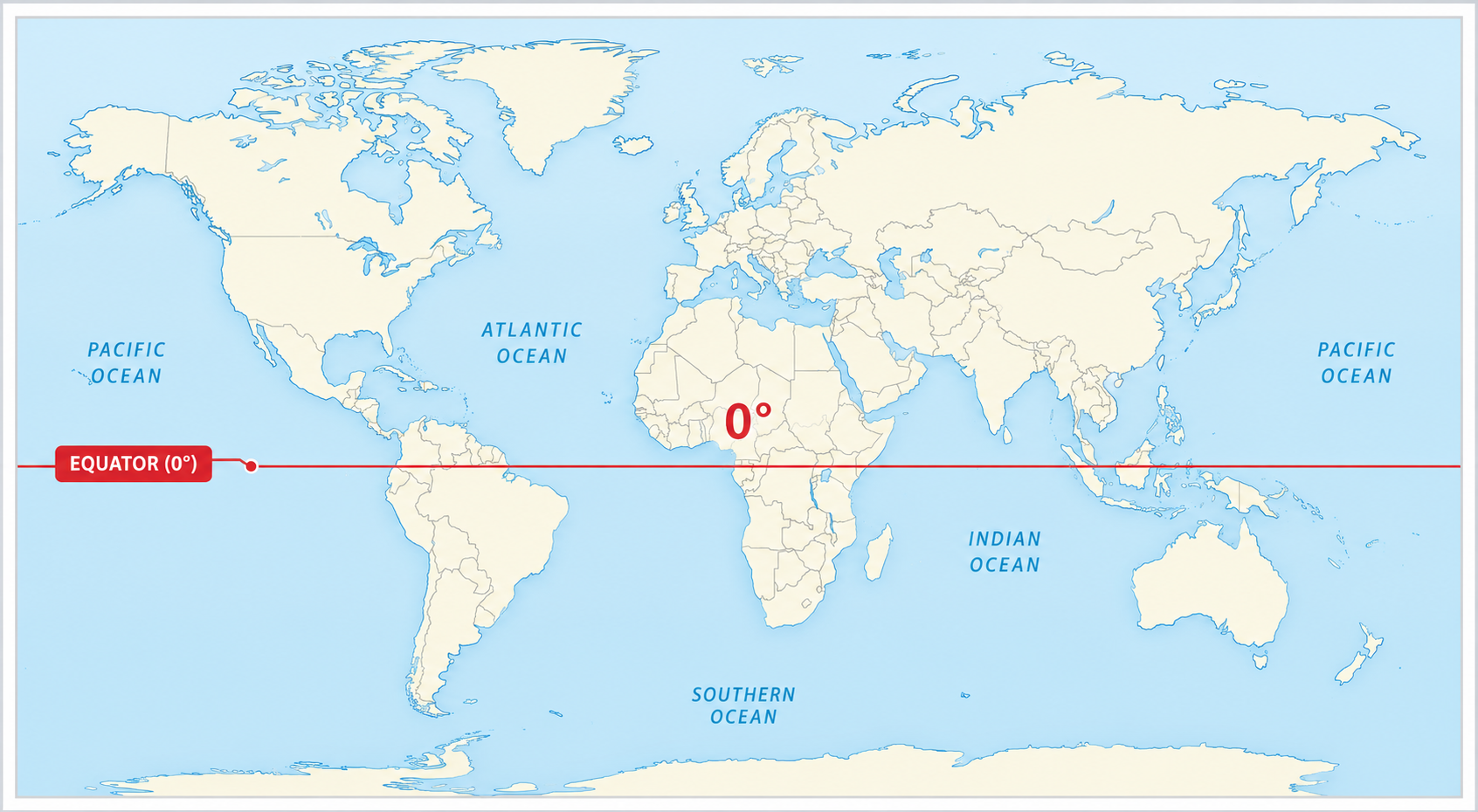
Near the equator, the planet's surface moves eastward at about 465 meters per second. A rocket launched from there receives that speed for free, allowing it to carry more payload or use less fuel than an identical launch from higher latitudes.
This is especially useful for satellites headed to geostationary orbit,the 35,786 kilometer high orbit where satellites stay fixed above the same point on Earth (Learn more about geostationary orbit here). Ideal for communications and broadcasting, since launching from near the equator requires fewer costly orbital adjustments.
Biak also faces the Pacific Ocean to the east. Rockets are generally launched eastward to use Earth's rotation, and large stretches of open ocean give spent rocket stages a safe place to fall without passing over populated land.
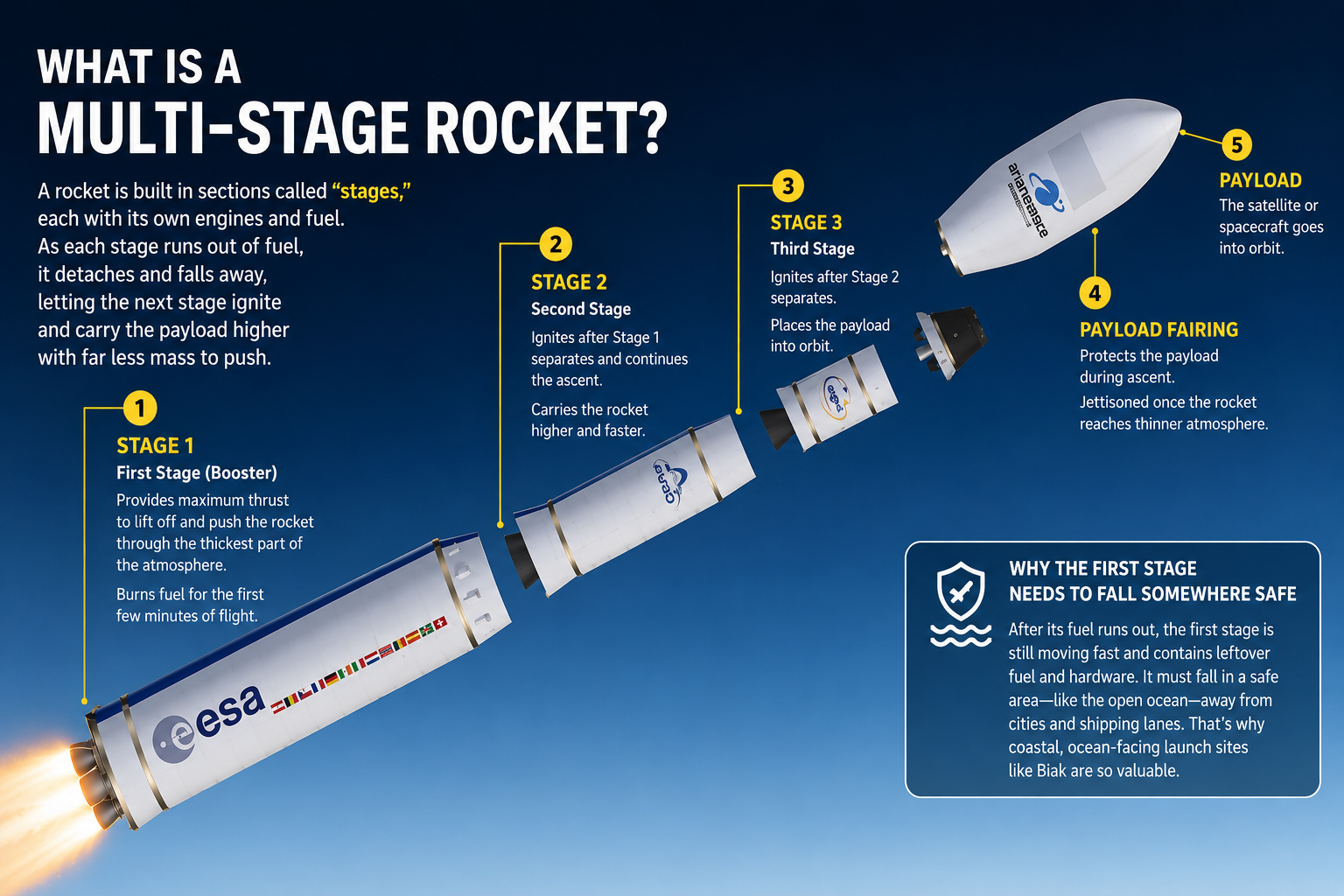
This combination, near equatorial and ocean facing is shared by major spaceports like French Guiana's Guiana Space Centre and Brazil's Alcântara Space Centre.
Decades of On and Off Plans
Indonesia's interest in Biak isn't new.
Discussions with Russia over air launch technology date back to 2006, and studies on the site go back to the 1980s. In 2018, after comparing Biak against Morotai and Enggano, LAPAN (Indonesia's now defunct space agency) formally selected Biak, confirming the plan publicly in 2019.
The project drew international attention in December 2020, when officials confirmed President Joko Widodo had discussed space cooperation with Elon Musk. That claim later became contested, in March 2021, a ministry spokesperson denied Jokowi had specifically mentioned Biak.
In May 2022, Jokowi took the courtship a step further, visiting SpaceX's Boca Chica facility in Texas, now the incorporated city of Starbase. Elon Musk personally gave him a tour of the Starship production site.
Local reports of a "SpaceX launchpad" triggered concern among Indigenous communities who said they hadn't been consulted. No deal was ever finalized.
More recently, Indonesia has shifted toward Russia. In December 2024, BRIN (which absorbed LAPAN in 2021) announced a partnership with Roscosmos to advance the Biak project, involving Roscosmos subsidiary Glavkosmos and Indonesian company PT Uniresources Petroleum Indonesia.
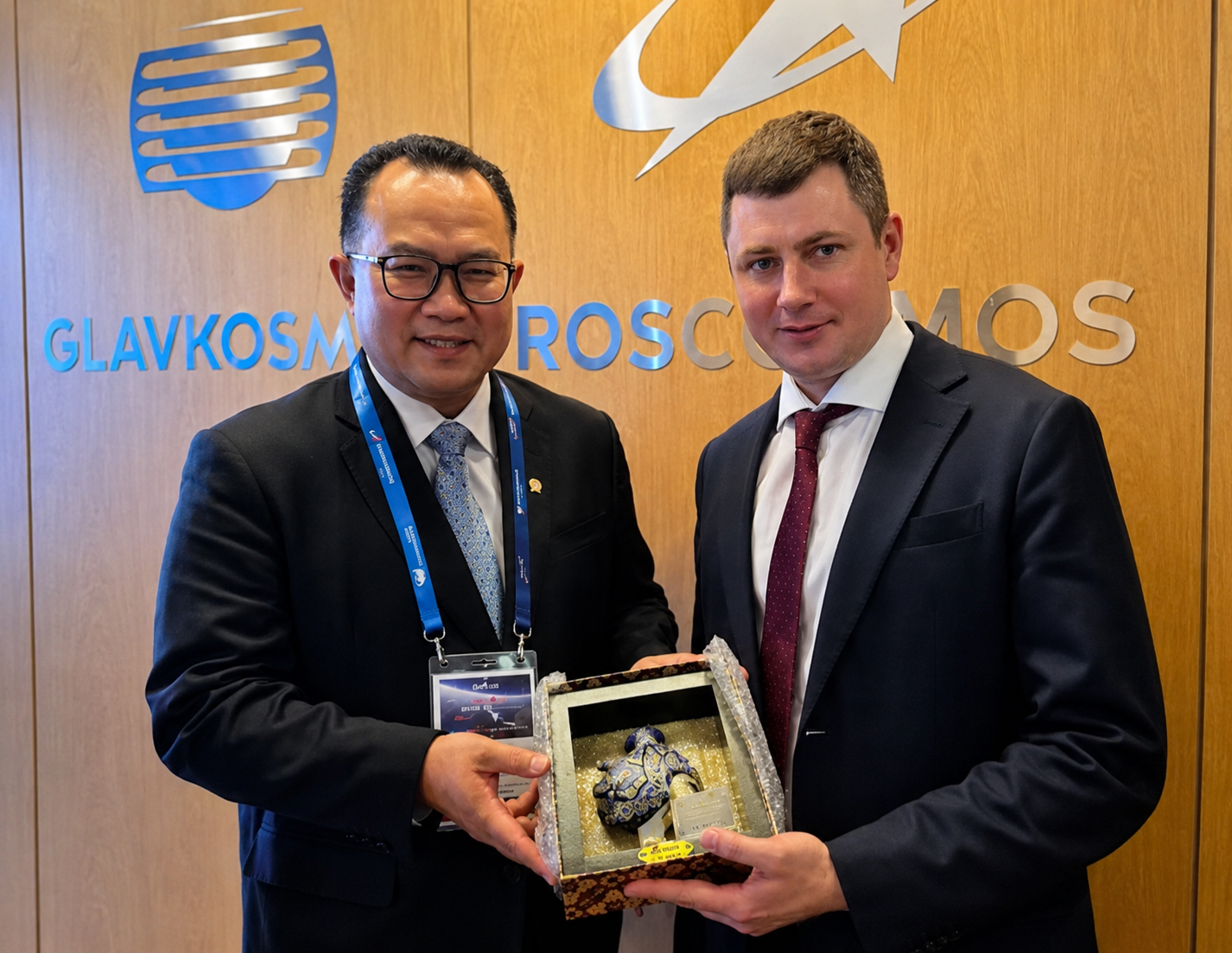
In April 2026, BRIN Chairman Arif Satria met Roscosmos chief Dmitry Bakanov in Moscow to discuss technical cooperation, and BRIN is now targeting the start of construction in 2026.
Not a Fit for Every Mission
Being close to the equator doesn't make Biak ideal for everything.
Satellites headed to polar or sun synchronous orbits are usually launched from higher latitudes instead, since those missions fly north-south rather than east-west and gain nothing from Earth's spin.
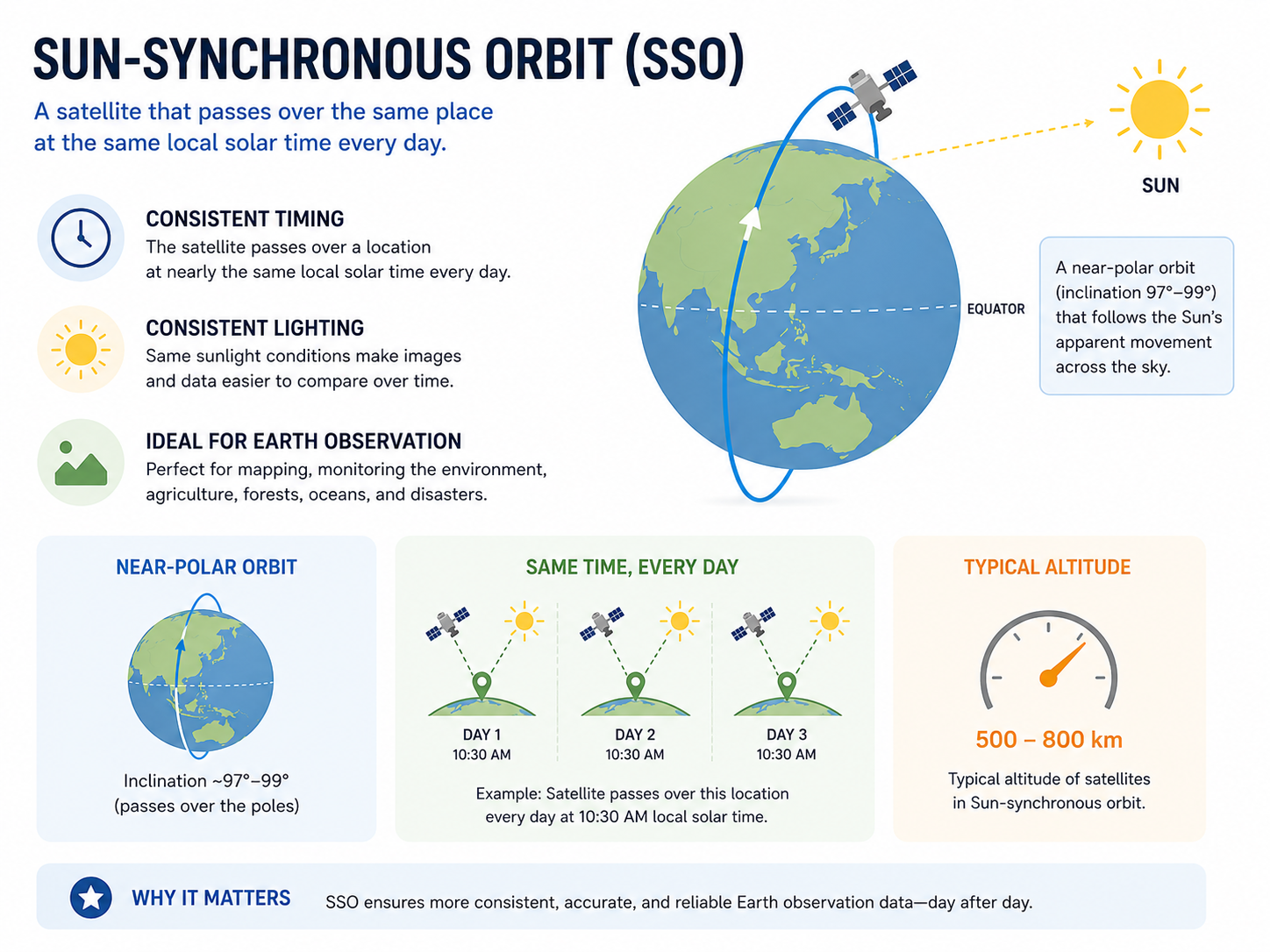
Indonesia already flies a satellite in that kind of orbit.
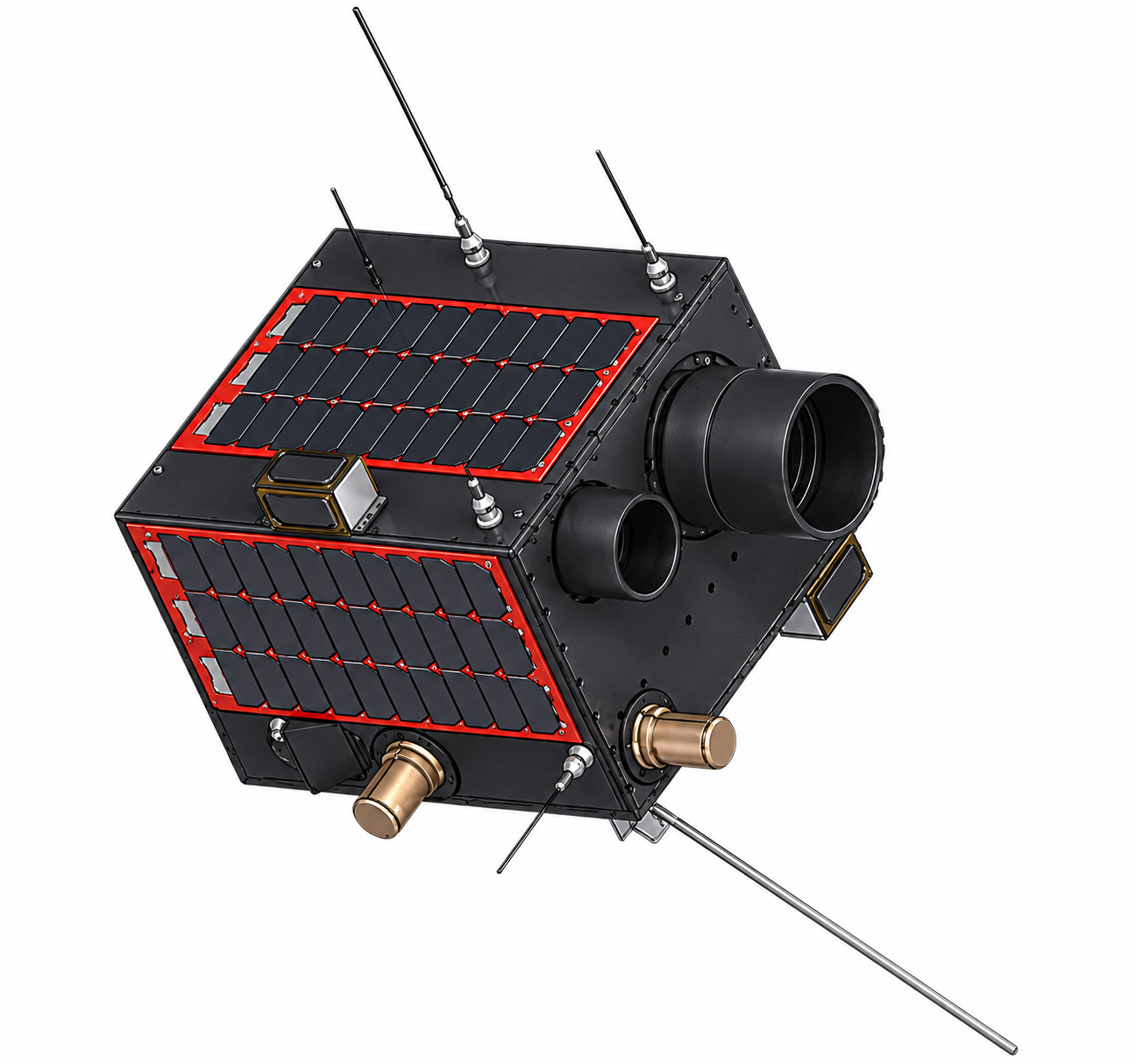
LAPAN-A3/IPB, built with IPB University to monitor forests and farmland. It launched in 2016 from India's Satish Dhawan Space Centre. A site chosen not for equatorial speed but for its clear ocean corridor toward the south, ideal for polar trajectories.
Biak works on the opposite principle, which is exactly why it suits equatorial and geostationary missions far better than polar ones.
The Bottom Line
Indonesia didn't choose Biak because it was empty. It chose Biak because, in spaceflight, where you launch is almost as important as what you launch.