At 6 a.m., before traffic fills the streets and cafés begin serving coffee, a familiar voice echoes through many Vietnamese neighborhoods.
Broadcast from loudspeakers mounted on utility poles, the announcements range from weather forecasts and public health reminders to local government notices and community events.
In an era of smartphones and social media, the system may seem outdated.
But these neighborhood loudspeakers are more than just a public address system, they are a legacy of the country's wartime past.
Born During the Viet Nam War
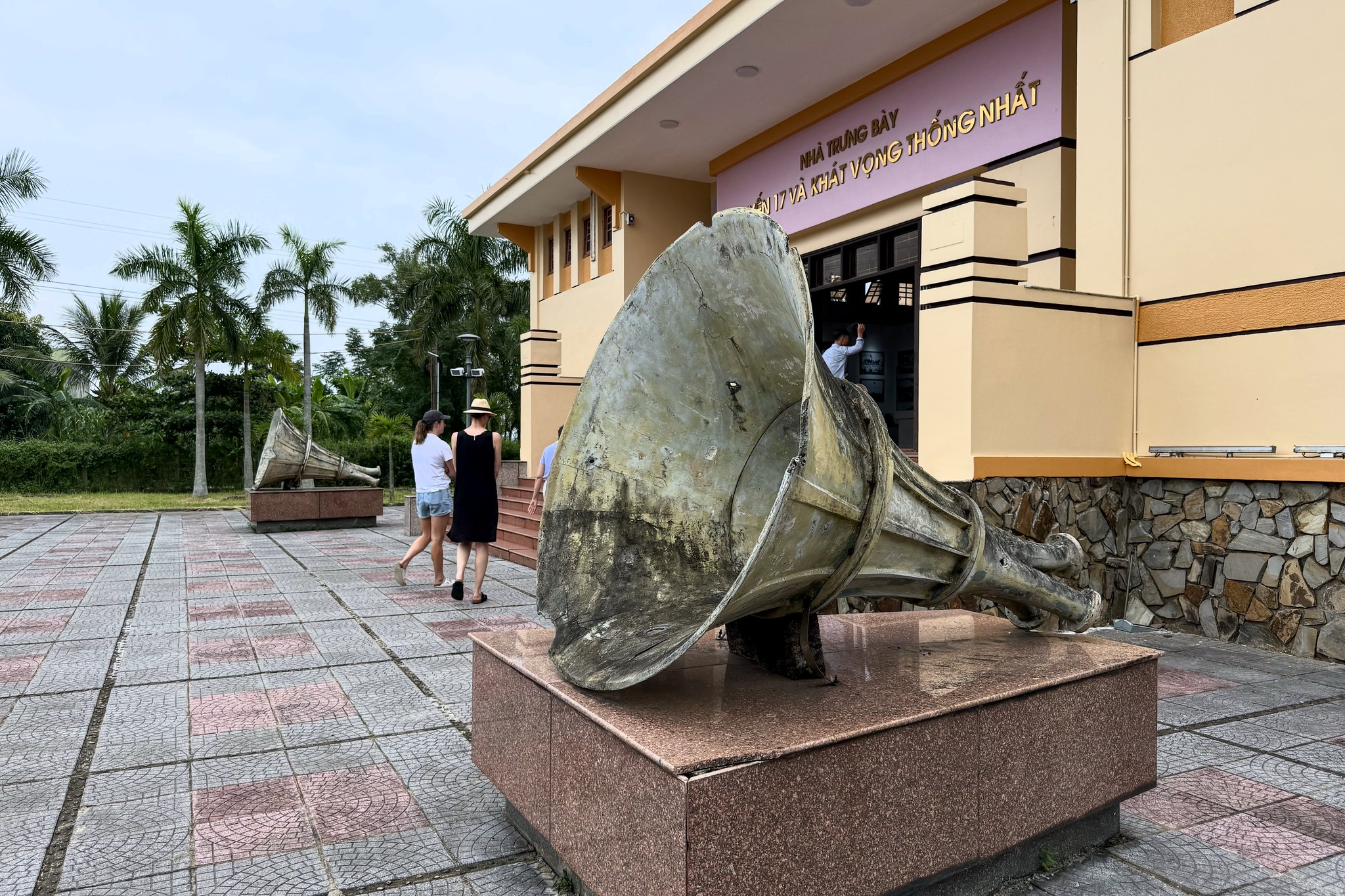
Viet Nam's public loudspeaker network dates back to the 1960s, when North Viet Nam installed speakers across cities and towns during the Viet Nam War.
At the time, they served a critical purpose.
The speakers warned residents of incoming air raids, instructed civilians where to take shelter, and delivered government announcements when other communication channels were limited. In many communities, they became an essential part of daily life.
After the war ended in 1975, however, the network never disappeared.
Instead, it evolved into a local communication system used to broadcast public service announcements, vaccination campaigns, weather warnings, and neighborhood news.
A System That Still Has a Purpose
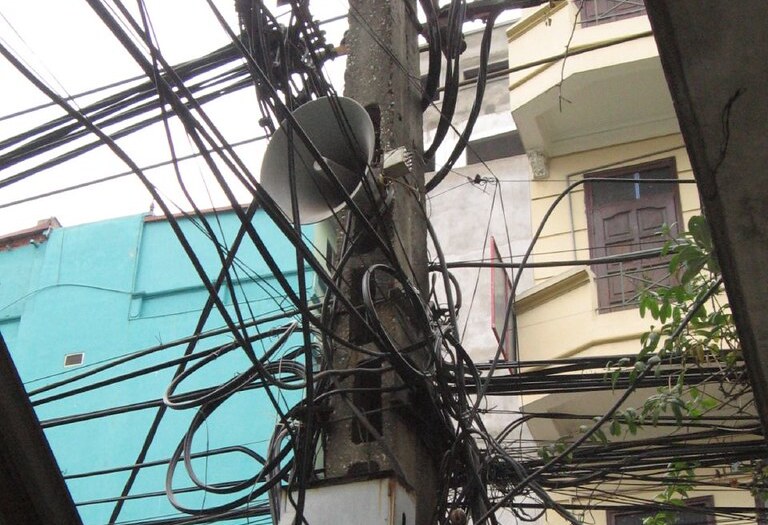
Despite appearing old-fashioned, the loudspeaker network continues to serve functions that smartphones cannot always replace.
Power outages, severe weather, and internet disruptions can all limit access to digital communication. Loudspeakers, by contrast, can broadcast emergency information instantly to entire neighborhoods without requiring mobile networks or internet connections.
For local authorities, they also remain an efficient way to reach residents with announcements about disease prevention campaigns, disaster preparedness, elections, or community activities.
As a result, the system continues to coexist with modern technology rather than being completely replaced by it, even as debates over its usefulness and noise resurface every few years.
Still Used, but Not Everywhere
Although loudspeakers remain a familiar sight across many parts of Viet Nam, their role has gradually changed.
As internet access and smartphone use expanded, many residents particularly in larger cities began questioning whether the system was still necessary.
In 2017, Hanoi launched a public consultation on the future of the city's loudspeaker network after years of complaints that the broadcasts had become outdated in the digital age. Nearly 90 percent of respondents said the system should be scrapped.
According to VietnamNet, Hanoi ultimately chose a middle path rather than removing the system entirely. The city reduced loudspeakers in the four central districts to just five to 10 clusters per ward, while leaving the network in outlying districts and towns unchanged.
The story didn't end there, though. In 2022, Hanoi authorities moved to expand loudspeaker use again, including in areas where broadcasts had been scaled back, arguing the system remained irreplaceable for reaching residents during disasters and public health emergencies.
The plan drew fresh public backlash, with local media reporting that a large share of residents still wanted the speakers gone. City officials maintained that the network had never actually been abolished, only reduced.
A Voice From the Past
To many visitors, Viet Nam's neighborhood loudspeakers sound like a relic, something that should have disappeared with rotary phones and ration cards.
But walk through a ward in Hanoi or a village outside Da Nang at 6 a.m., and the system is still doing exactly what it was built to do in the 1960s, reaching everyone at once, war or no war, internet or no internet.
Whether that's worth the noise is still being argued over in city council meetings today. For now, the loudspeakers keep talking.