For a region better known for traffic jams and motorcycles, Southeast Asia has built some surprisingly extensive public transport systems.
Singapore has one of the world's most reliable metro networks. Bangkok has spent years adding rail lines across its sprawling metropolitan area. Jakarta now has buses, commuter trains, MRT and LRT working as parts of an increasingly connected system.
But how good are these systems really?
The answer depends on what is being measured. Reliability, affordability, scale and usage tell very different stories, and on some of them, Southeast Asian cities are already competing with much well developed parts of the world.
Singapore Competes With the World's Best
Singapore's MRT is not simply reliable by Southeast Asian standards. Its performance is comparable with some of the best metro systems in the world.
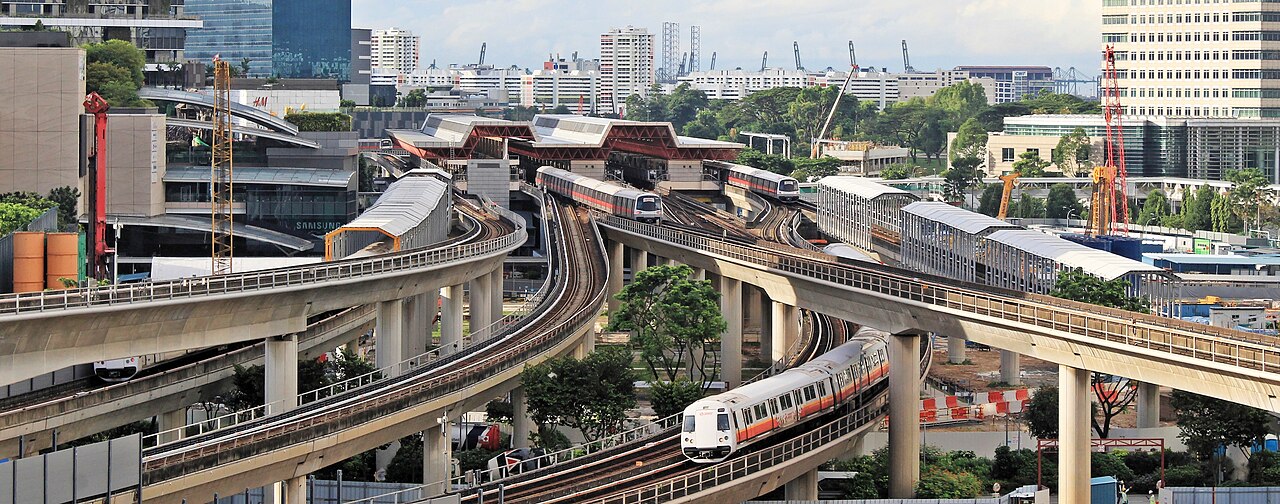
According to Singapore's Land Transport Authority, the MRT recorded 99.55% train punctuality in December 2025. That was higher than Taipei Metro (99.48%), Berlin U-Bahn (98.12%), Tokyo Metro (98.0%), Melbourne Metro (94.99%), and New York City Subway (84.4%) in their latest publicly available figures.
The numbers are not a perfect global ranking because each city uses slightly different reporting methods and periods.
Reliability is measured in another way too. In August 2025, Singapore's MRT recorded 1.74 million train kilometres between service affecting failures, well above the government's one-million-kilometre target. In simple terms, trains were travelling an average of 1.74 million kilometres before a serious failure disrupted service.
Singapore's MRT is not merely good for Southeast Asia, it sits alongside some of the world's best-performing metro systems.
Jakarta's Is Built for Volume
Its public transport network is much younger than New York's or London's, but the number of people using it has grown rapidly.
In December 2025 alone, TransJakarta carried 37.46 million passengers, while MRT Jakarta carried another 4.06 million and LRT Jakarta 119,315. These are passenger journeys, meaning a person making two separate trips would be counted twice. The TransJakarta figure works out to roughly 1.2 million passenger journeys every day in a single month.
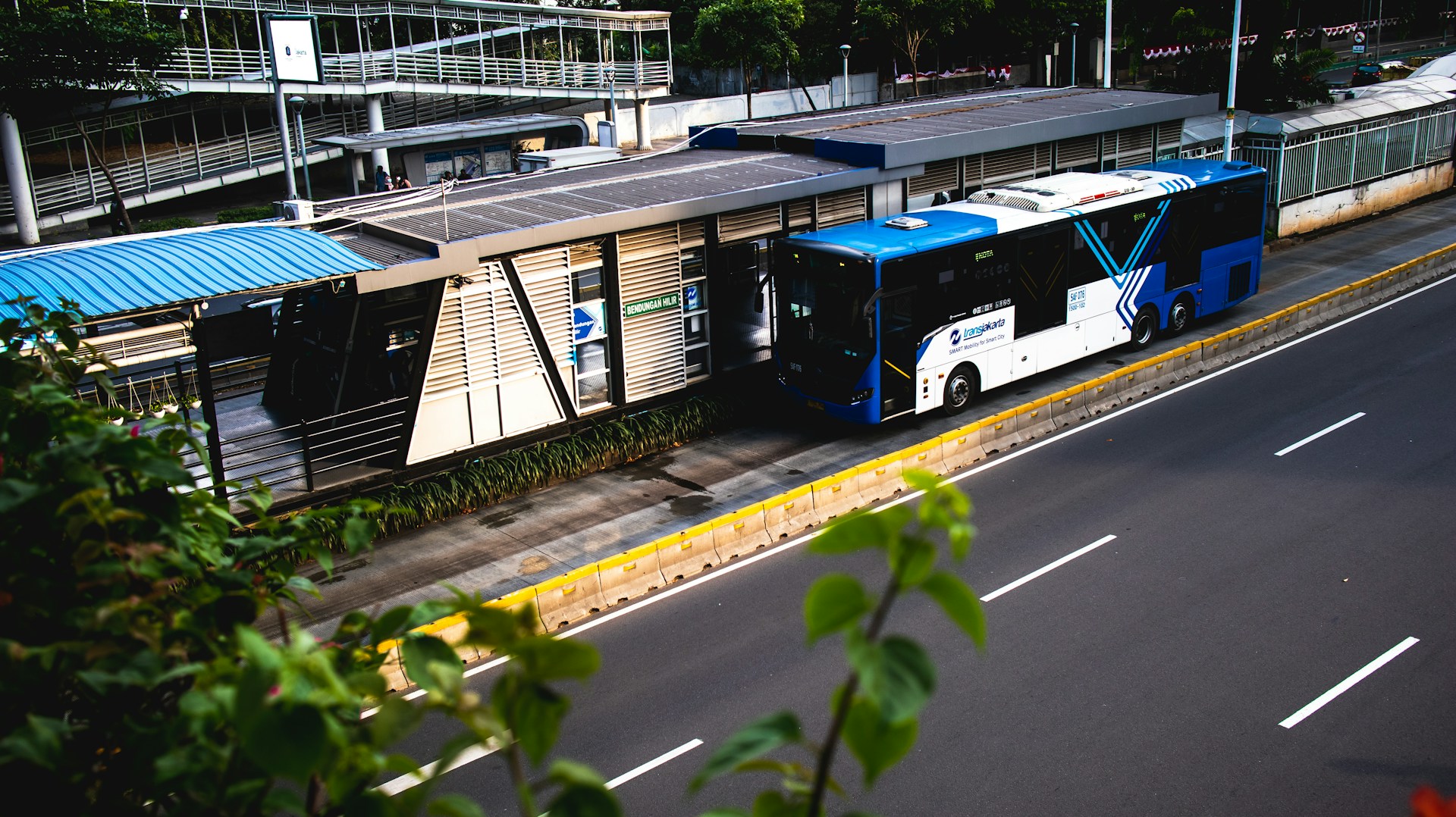
That is a substantial volume for a bus-based system. TransJakarta's scale becomes easier to appreciate when compared with other major urban bus networks. It has grown into one of the world's largest BRT systems, with an extensive network serving Jakarta and its surrounding urban area.
Affordability is another major difference. Jakarta's public transport is heavily supported by government subsidies, allowing commuters to use multiple modes at prices far below those found in many wealthy cities.
That does not make Jakarta's system better overall. Its network still has gaps, especially outside the main corridors, and integration across the metropolitan area remains a work in progress. But on the simple question of how much a passenger pays to use a modern urban transport system, Jakarta has a significant advantage.
Kuala Lumpur Has Built Serious Rail Demand
Kuala Lumpur's story is about how heavily its expanding rail network is being used.
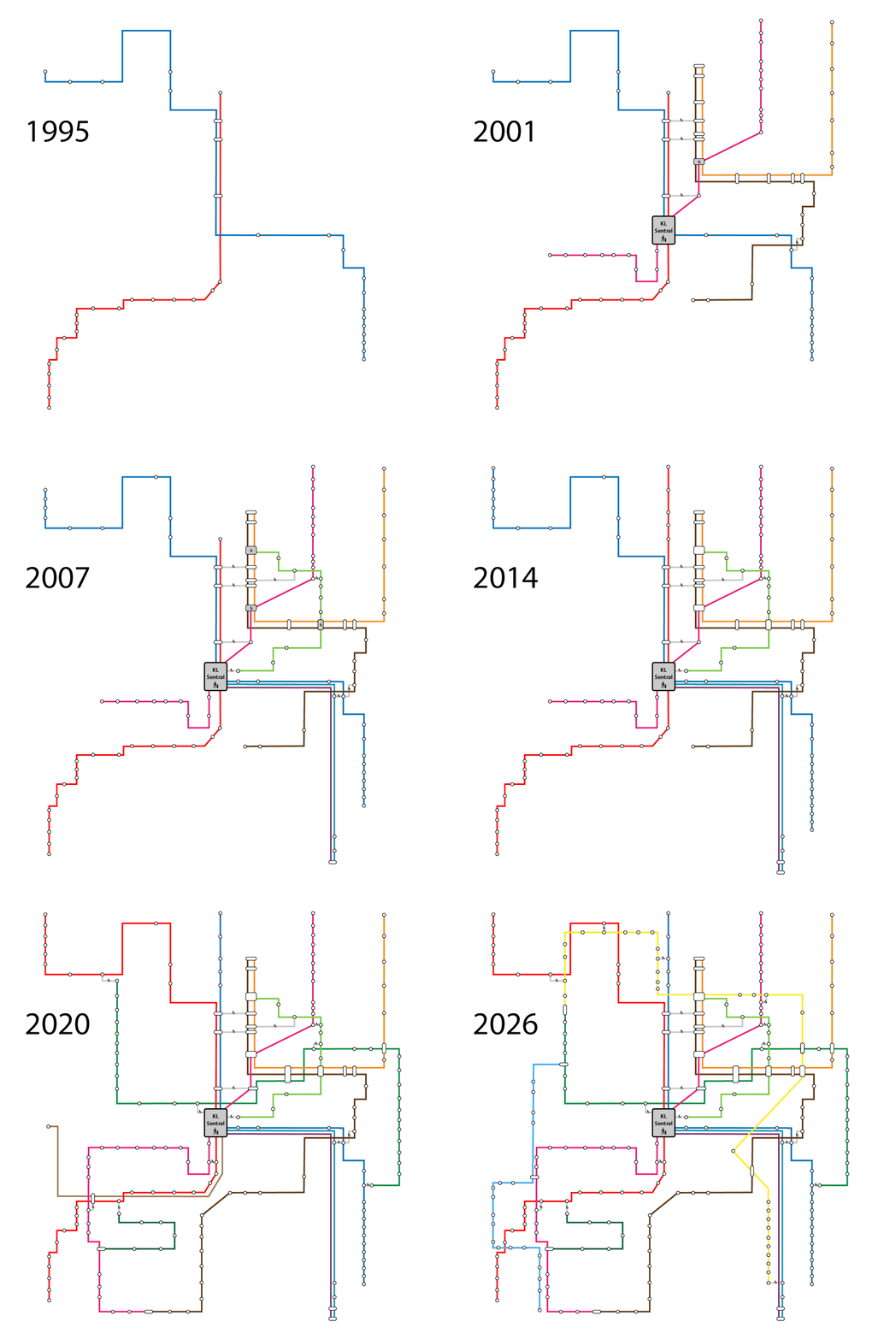
Prasarana's 2025 data show that its five major Klang Valley rail services, the Kelana Jaya and Ampang LRT lines, KL Monorail, Kajang MRT and Putrajaya MRT recorded about 330 million passenger journeys during the year.
But raw passenger numbers alone do not tell the whole story. A city with a larger population will naturally generate more journeys, while one passenger can also make several trips in a day.
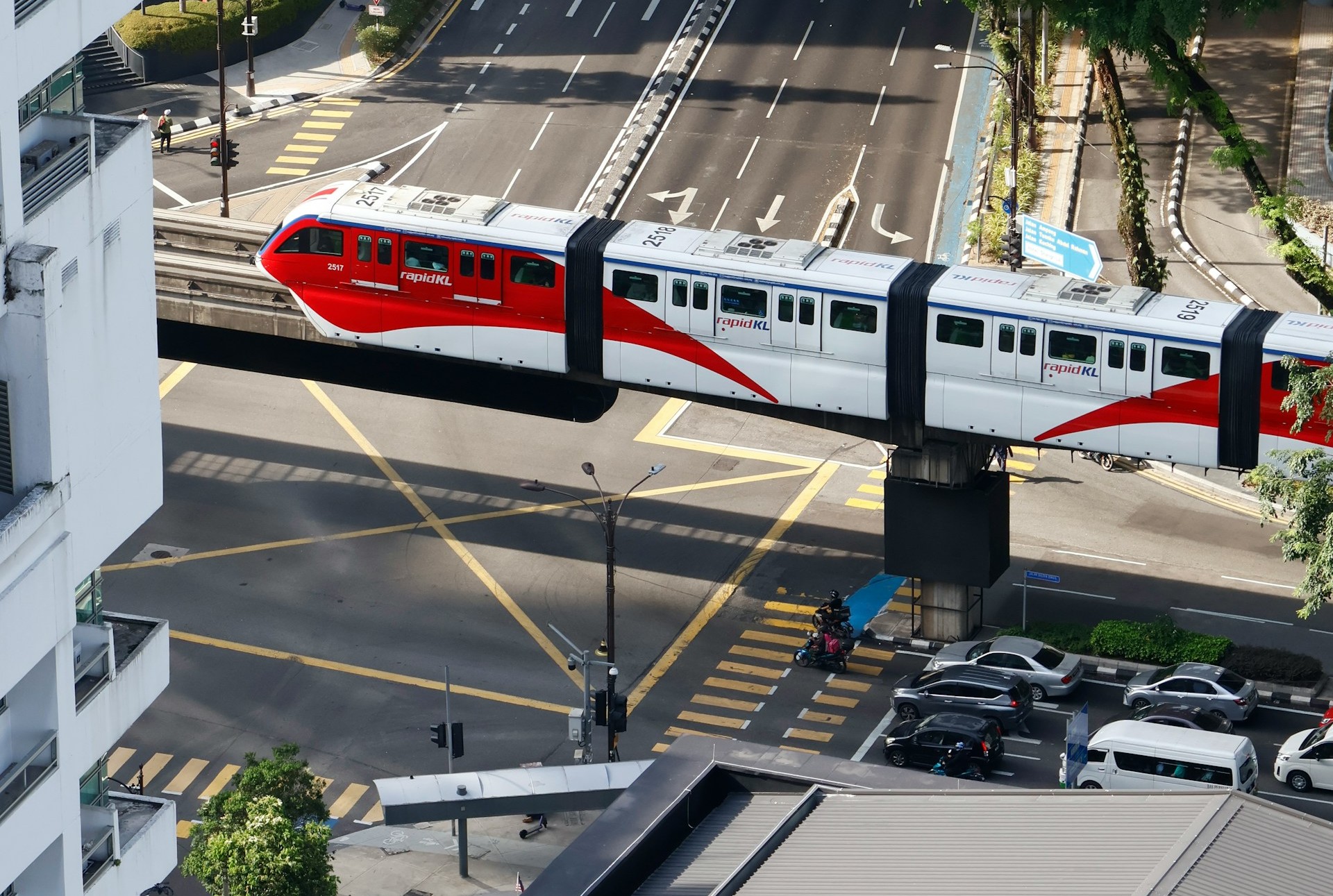
A better way to read the figure is as a measure of how heavily the network is being used relative to the population it serves. Kuala Lumpur's rail system is carrying hundreds of millions of journeys a year across a metropolitan area of roughly 8 million people, showing how deeply rail has become part of daily mobility in the Klang Valley.
The network is still spread across multiple lines and operators, and integration remains a work in progress. But the volume of use is difficult to dismiss, Kuala Lumpur has built a rail system that millions of people rely on repeatedly, not simply a network of trains that exists on a map.
Bangkok Has Another Unexpected Advantage
Bangkok's rail network has grown rapidly through a mixture of BTS, MRT and Airport Rail Link services. It also remains relatively inexpensive compared with some wealthy-city systems.
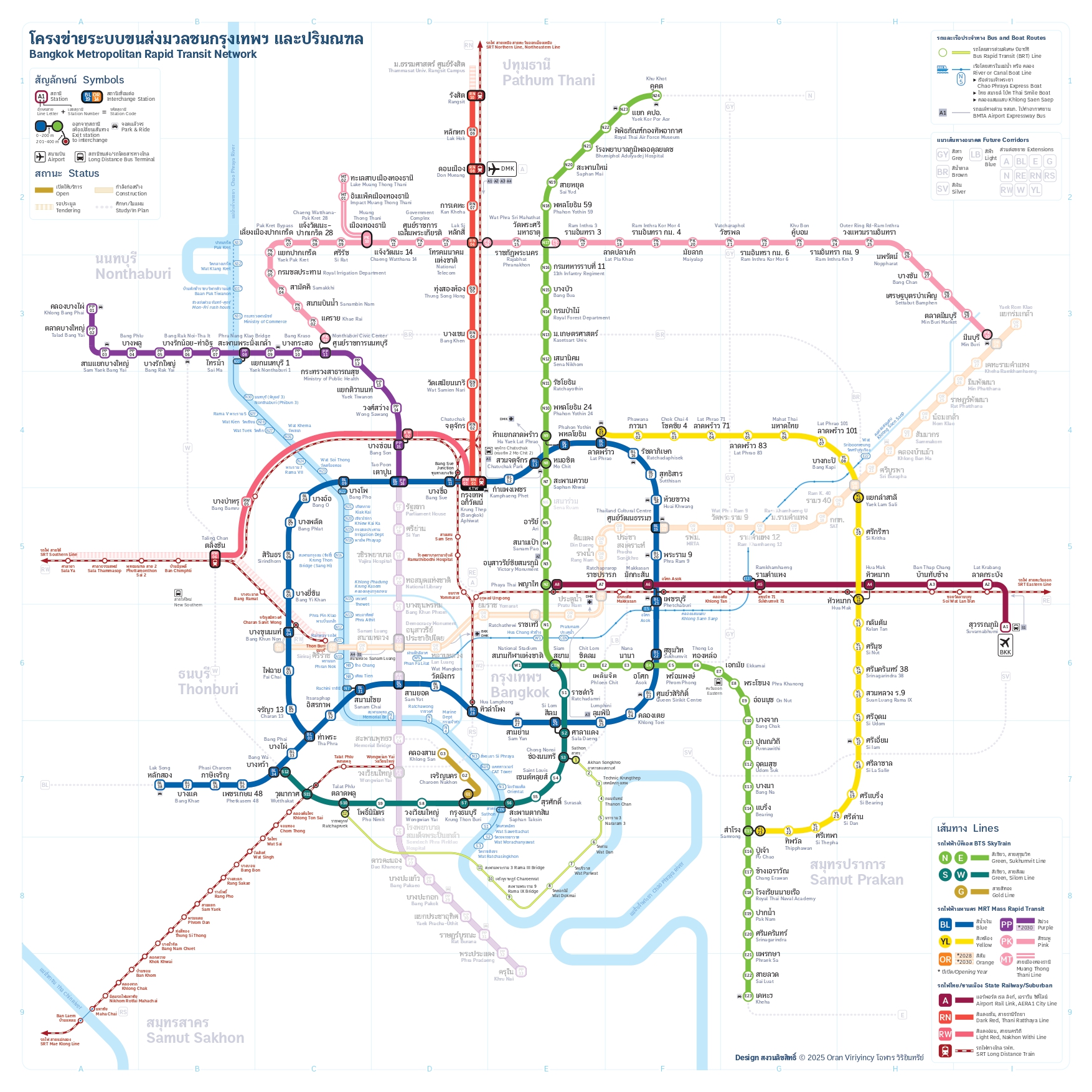
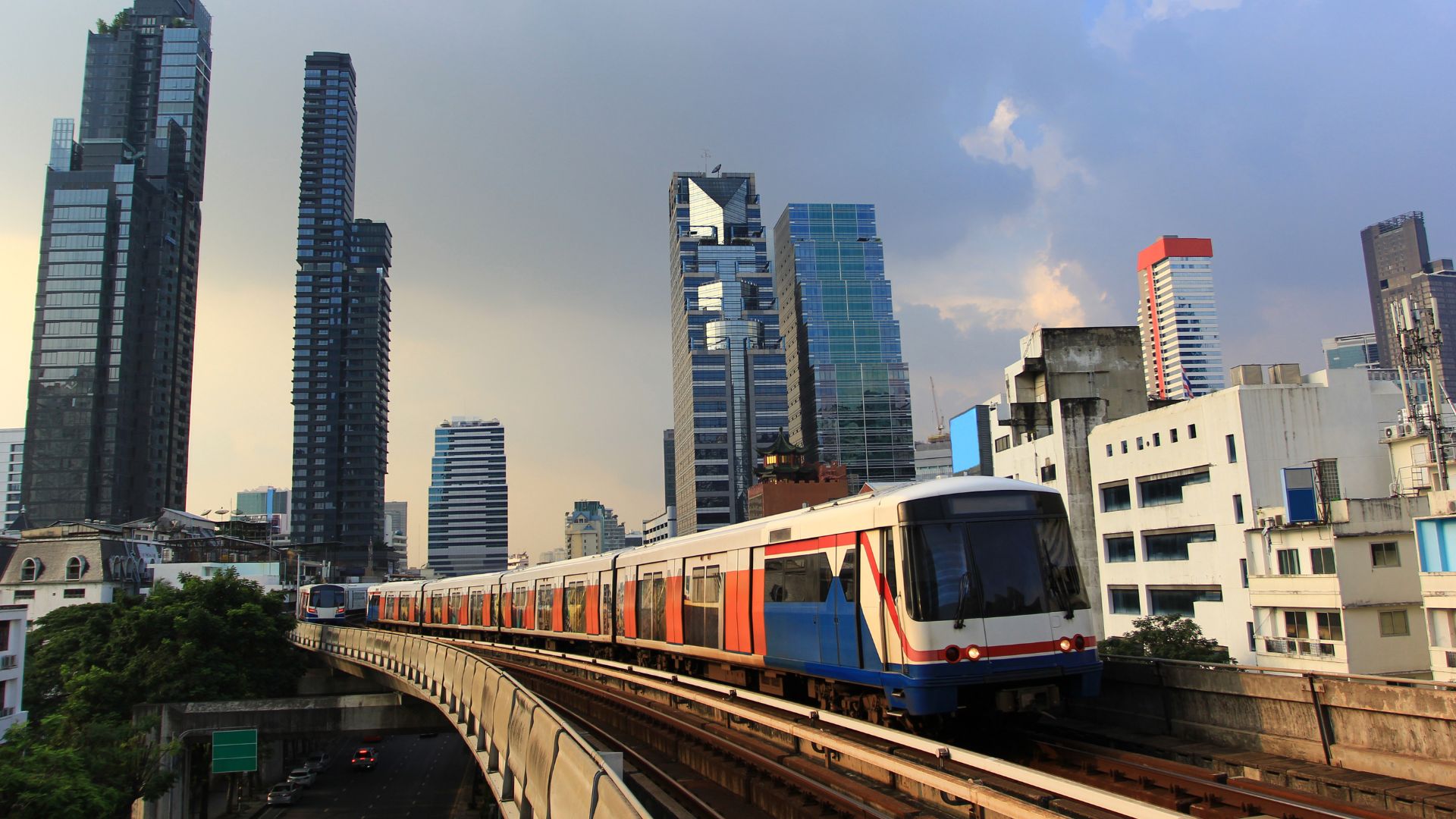
On the BTS Green Line, the maximum fare including extensions reached 65 baht, or roughly US$2, from November 2025. The operator also offers discounted packages that reduce the effective fare for frequent users. For comparison, Toronto's adult TTC fare is C$3.30, or roughly US$2.40. The fare includes a two hour transfer period.
The comparison is not a claim that Bangkok has a better rail system than Toronto. Toronto has a much more integrated regional transit structure and different operating conditions.
But It does show something else, a modern rail system in a middle-income Asian city can offer fares comparable to, or lower than, those in a wealthy developed-city system.
So, How Good Is It?
Southeast Asia has 11 countries, so four cities obviously cannot represent the region as a whole. But Singapore, Jakarta, Bangkok and Kuala Lumpur were never meant to.
Each shows a different side of the region's public transport: Singapore on reliability, Jakarta on scale, Bangkok on affordability, and Kuala Lumpur on the growing use of urban rail.
Singapore's MRT performs alongside some of the world's leading metro systems on reliability. Jakarta has built a huge passenger network around relatively new infrastructure. Bangkok offers modern urban rail at fares comparable with those in wealthy cities. Kuala Lumpur has developed a rail network that is increasingly embedded in daily travel across the Klang Valley.
None of these systems is perfect. But the comparisons show that Southeast Asia is no longer simply playing catch up. On different measures, its cities are already operating public transport systems that can hold their own against those in much wealthier parts of the world.