


Jakarta’s daily commute became a meeting point for heritage and environmental learning as university students joined a workshop on forests and civilisation at MRT Bundaran HI station on October 12. Held as part of an exhibition marking Indonesia Museum Day, the session brought young people into a conversation about understanding—and accurately communicating—the country’s forest heritage.
Bringing the Museum to the People
Running from October 12–18, “Hutan dan Peradaban: Dari Ekosistem Kehidupan Menuju Masa Depan,” or “Forests and Civilisation: From Living Ecosystems Towards the Future,” is organised by the Jakarta Culture Agency, the Jakarta chapter of the Indonesian Museum Association, Paramita Jaya, and Museum Kehutanan.
The exhibition opened on October 12 with a Tari Rimba Jiwa performance, introducing its forest theme through artistic expression. Its location carries an equally deliberate message: museum learning can reach people in places they already use, including a busy public transport station.
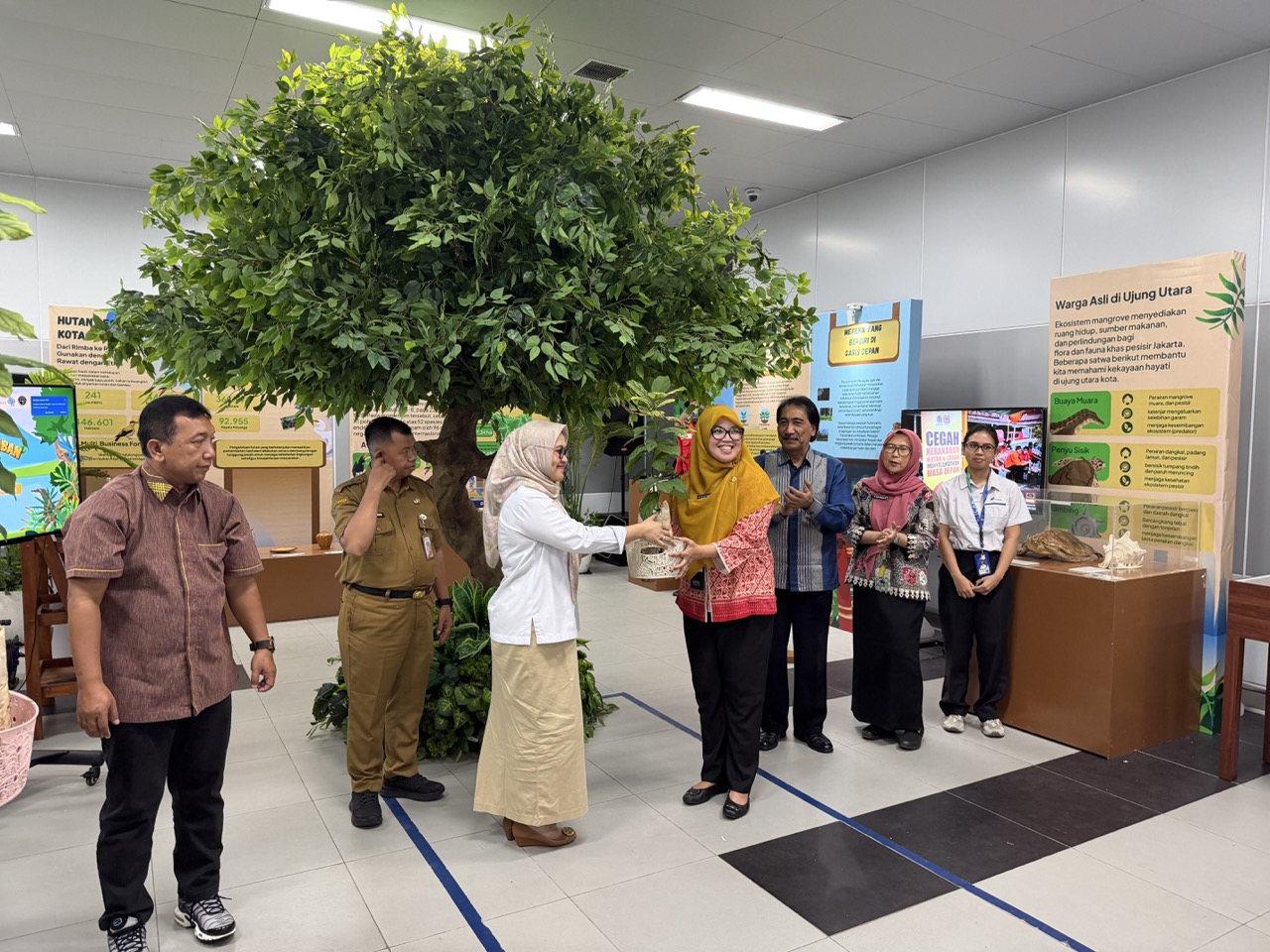
In its video remarks, Jakarta Culture Agency head Mochamad Miftahulloh Tamary described exhibitions in public spaces as a way to broaden access to museum knowledge. At Bundaran HI, that approach connects collections with everyday concerns, from the materials people consume to the environmental conditions shaping urban life.
Discovering Forests Through the Senses
Five experience zones introduce visitors to wood collections, flora and fauna, forestry equipment and forest products. Interactive screens, matching games and objects for hands-on exploration complement explanatory panels and illustrations.
An Aroma Station offers another way to encounter forest products, while a reading area provides space to explore the subject further. Together, these elements help visitors connect familiar materials and fragrances with the ecosystems and communities behind them.
At the opening ceremony, Yiyok said the festival engages students with visual and hearing disabilities. That emphasis places inclusion within the exhibition’s educational purpose, recognising that visitors encounter and understand collections in different ways.
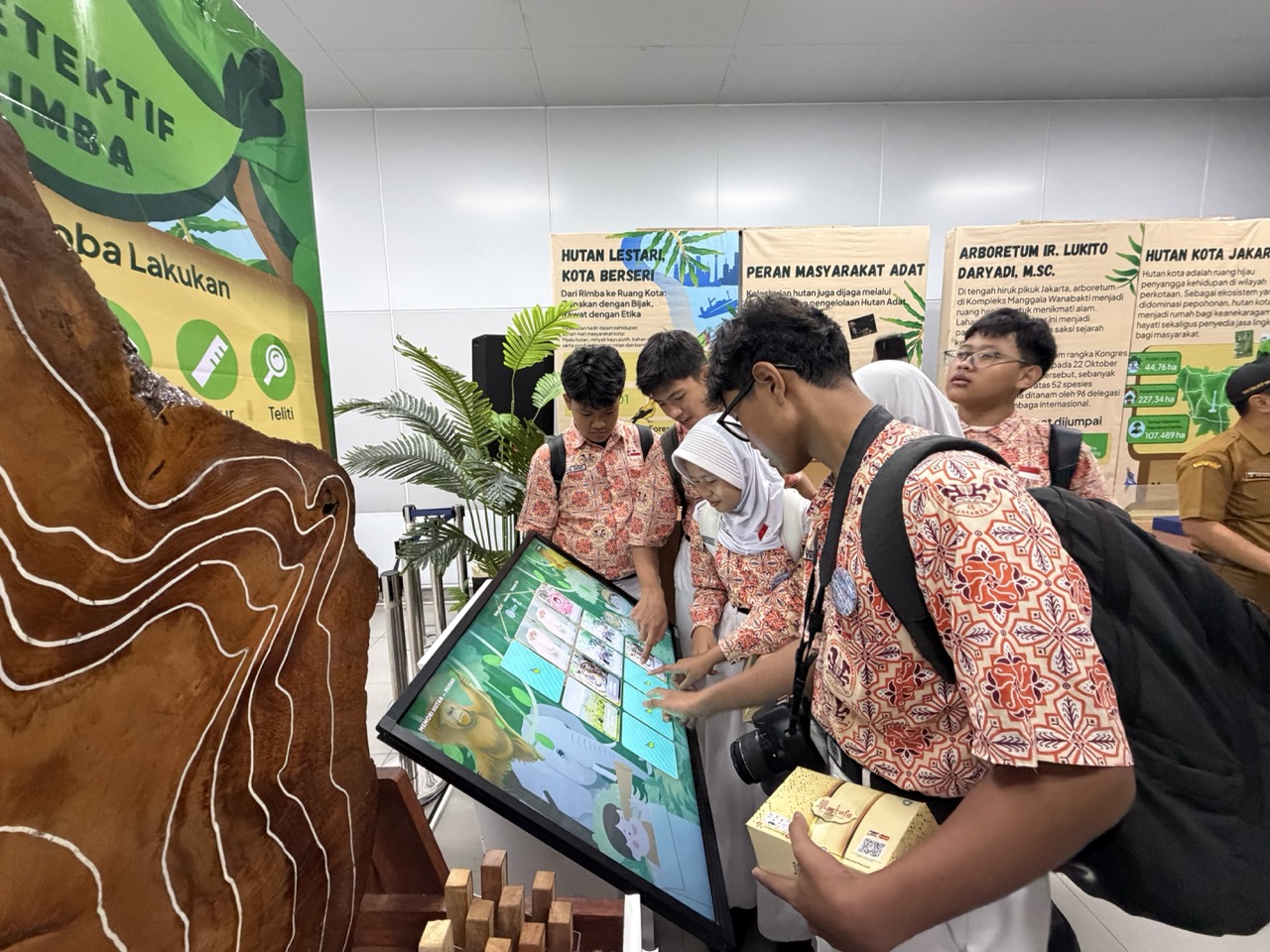
Sensory activities offer several starting points for learning. Their accessibility also depends on clear explanations, appropriate assistance and activities responsive to participants’ needs.
I’m sorry—I misunderstood “too long” as referring to the text rather than the wait. Here is the fuller revision.
University Students Join the Conversation
The October 13 “Forests and Civilisation” workshop brought university students to MRT Bundaran HI, extending the exhibition’s outreach to younger audiences. The discussion connected forest conservation with practical environmental challenges, giving participants an opportunity to explore the relationship between ecosystems and everyday life.
The programme featured Devi Alamsyah, a forestry extension specialist, and Egar Mejupan, an ecosystem management specialist. Its two principal topics—turtle conservation in Kepulauan Seribu National Park and forest and land fire management—introduced students to conservation concerns spanning coastal habitats and terrestrial landscapes. Held at the Museum and Forestry Library booth, the session was free and open to the public.
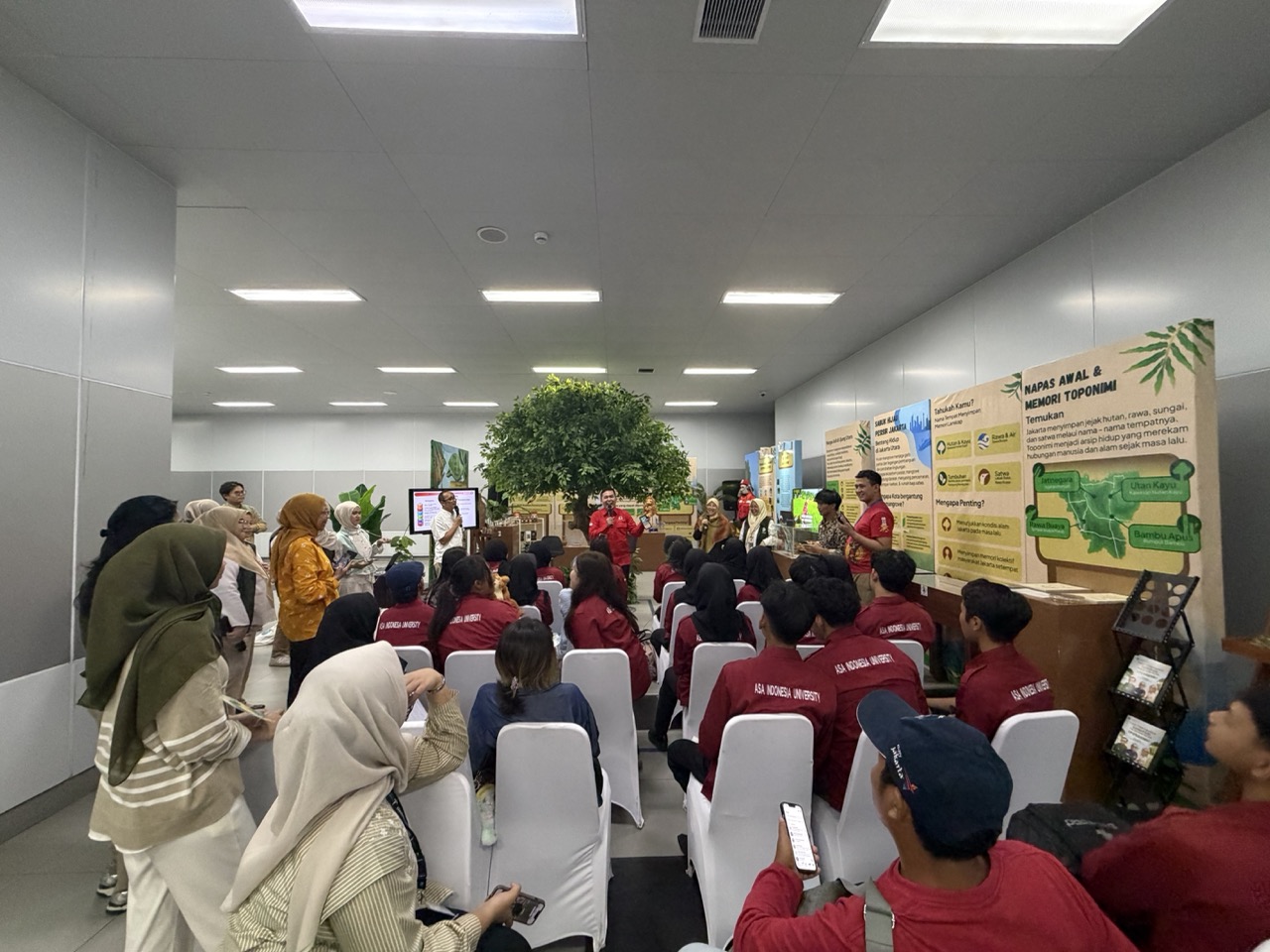
Nuke, from the Ministry of Forestry, emphasised that Generation Z must be actively involved in presenting accurate data and information about Indonesian forestry, including its challenges and opportunities. Her message encouraged students to become informed contributors to public discussion through campus activities, research and digital storytelling.
For young people accustomed to sharing information online, that responsibility involves checking sources, understanding context and listening to practitioners. Stories about wildlife protection or forest fires can attract attention, but their educational value depends on explaining the issues accurately.
Nuke also encouraged younger generations to visit Museum Kehutanan within the Ministry of Forestry compound to deepen their understanding. She expressed openness to organising similar events and festivals in public spaces, creating further opportunities to connect forestry knowledge with audiences beyond the museum’s walls.
Opening More Ways to Learn
Nuke also encouraged young people to visit Museum Kehutanan within the Ministry of Forestry compound, extending an invitation to continue learning beyond the temporary exhibition.
She expressed openness to organising similar events or festivals in public spaces in the future. Such activities could create further opportunities for museums to meet audiences outside their buildings and encourage first-time visitors to explore their permanent collections.
The exhibition programme also includes scheduled visits by mainstream schools and special schools, or Sekolah Luar Biasa, from October 12–16. Students are invited to learn through collections and interactive activities and receive plant seedlings carrying the programme’s environmental message.
An essential-oil workshop on October 17 and a mangrove-batik workshop on October 18 will offer additional connections between forest knowledge, practical skills and cultural expression.
A Cultural Stop in the City
The exhibition is scheduled to open daily from 9 a.m. to 5 p.m., with free admission, before the MRT ticket gates near the Japanese Embassy exit.
With university students joining the workshop and inclusive learning highlighted at its opening, the programme is building a conversation that reaches beyond the display cases. At Bundaran HI, a routine journey offers an opportunity to understand Indonesia’s forests—and consider how the next generation can help tell their stories accurately.


