


At CIFP 2026 in Jakarta, more than 30 diplomats opened their doors to students and young professionals, turning international relations into personal conversations about Indonesia's place in a changing world.
What can someone learn about international relations in just three minutes? At the 10th Conference on Indonesian Foreign Policy (CIFP 2026), the answer came through a series of face-to-face conversations between aspiring young diplomats and representatives of more than 30 countries.
Held on Saturday, November 21, at The Kasablanka Hall in Jakarta, the Diplomacy Clinic returned as one of the conference's most anticipated attractions, offering participants an opportunity to engage directly with ambassadors and senior diplomatic representatives.
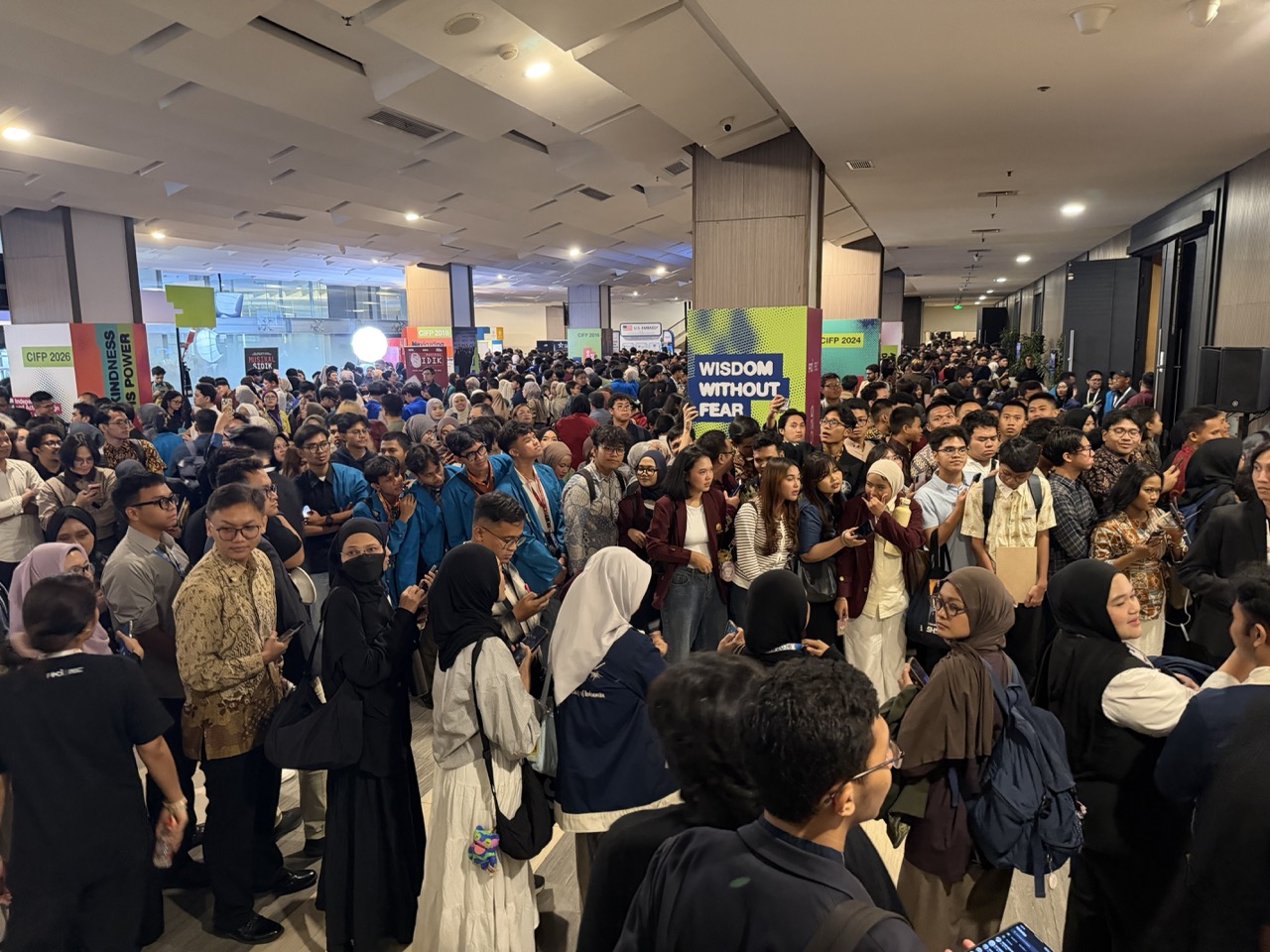
Organized by the Foreign Policy Community of Indonesia (FPCI), CIFP 2026 carried the theme Independent and Active Foreign Policy: How to Keep Indonesia and the Next World Order Moving in the Right Direction. The event attracted more than 11,600 registrants and featured 29 discussion sessions with 102 speakers.
Three Minutes, One Diplomat, A World of Perspectives
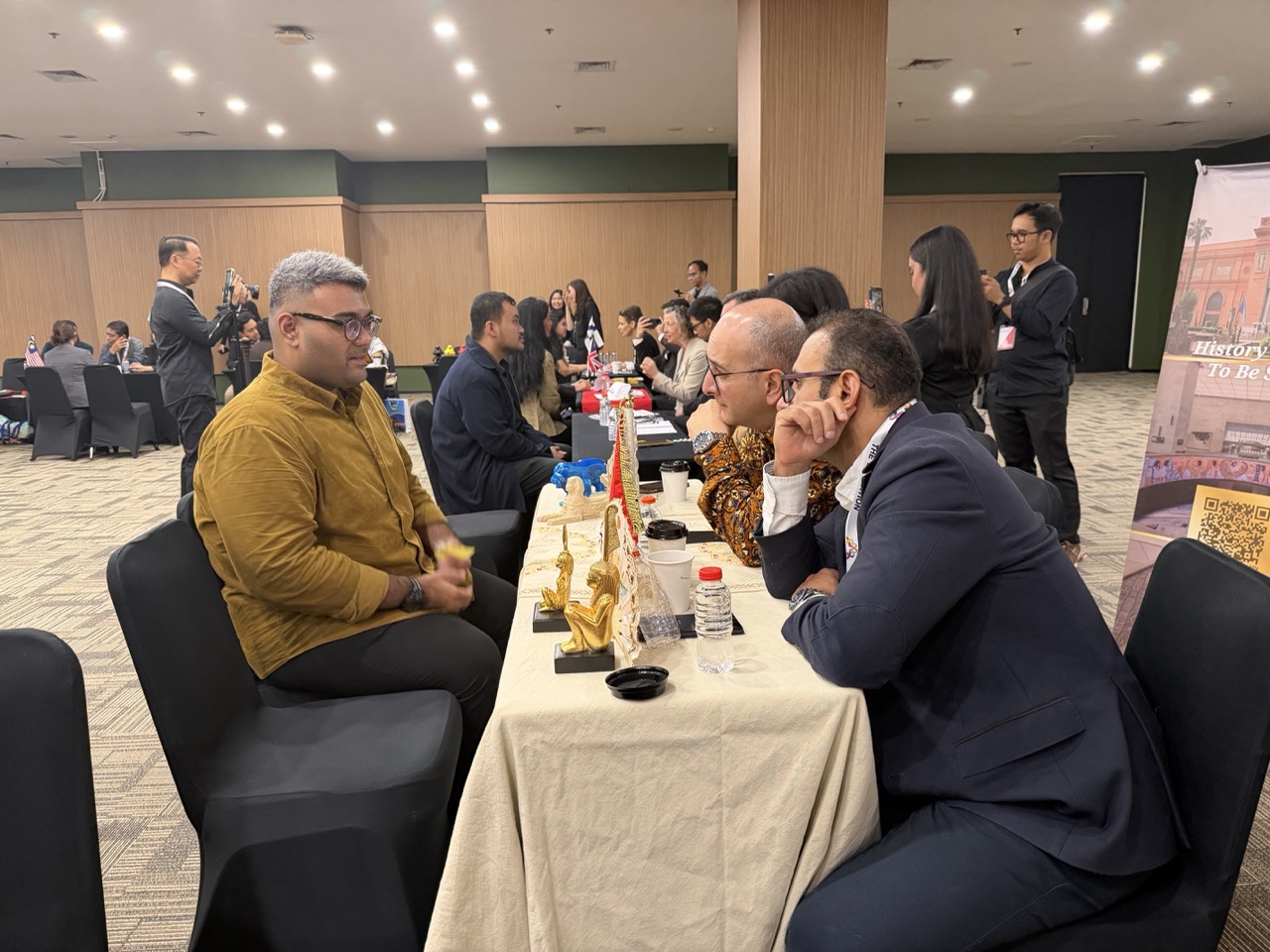
Inspired by medical consultations, the Diplomacy Clinic transforms conventional diplomatic engagement into a fast-paced, personal experience. Each participant receives a three-minute, one-on-one consultation with a diplomat, creating an opportunity to ask questions without a pre-arranged script.
The 2026 edition featured three sessions: 12:00–13:15 WIB, 14:00–15:15 WIB, and 16:00–17:00 WIB. Across these sessions, diplomats representing countries from different regions welcomed conversations about their national priorities, foreign policies, international developments, and bilateral relations with Indonesia.
The participating representatives included ambassadors from Singapore, Germany, Switzerland, Sweden, Türkiye, Iran, Italy, Japan, Mexico, Poland, the Netherlands, Kazakhstan, Kuwait, Russia, Malaysia, Palestine, Egypt, and Spain, among others.
The format encouraged participants to move beyond textbook knowledge and explore international relations through direct interaction. Whether discussing European cooperation, Middle Eastern developments, Asian economic partnerships, or global security, the conversations offered different perspectives from those directly involved in diplomacy.
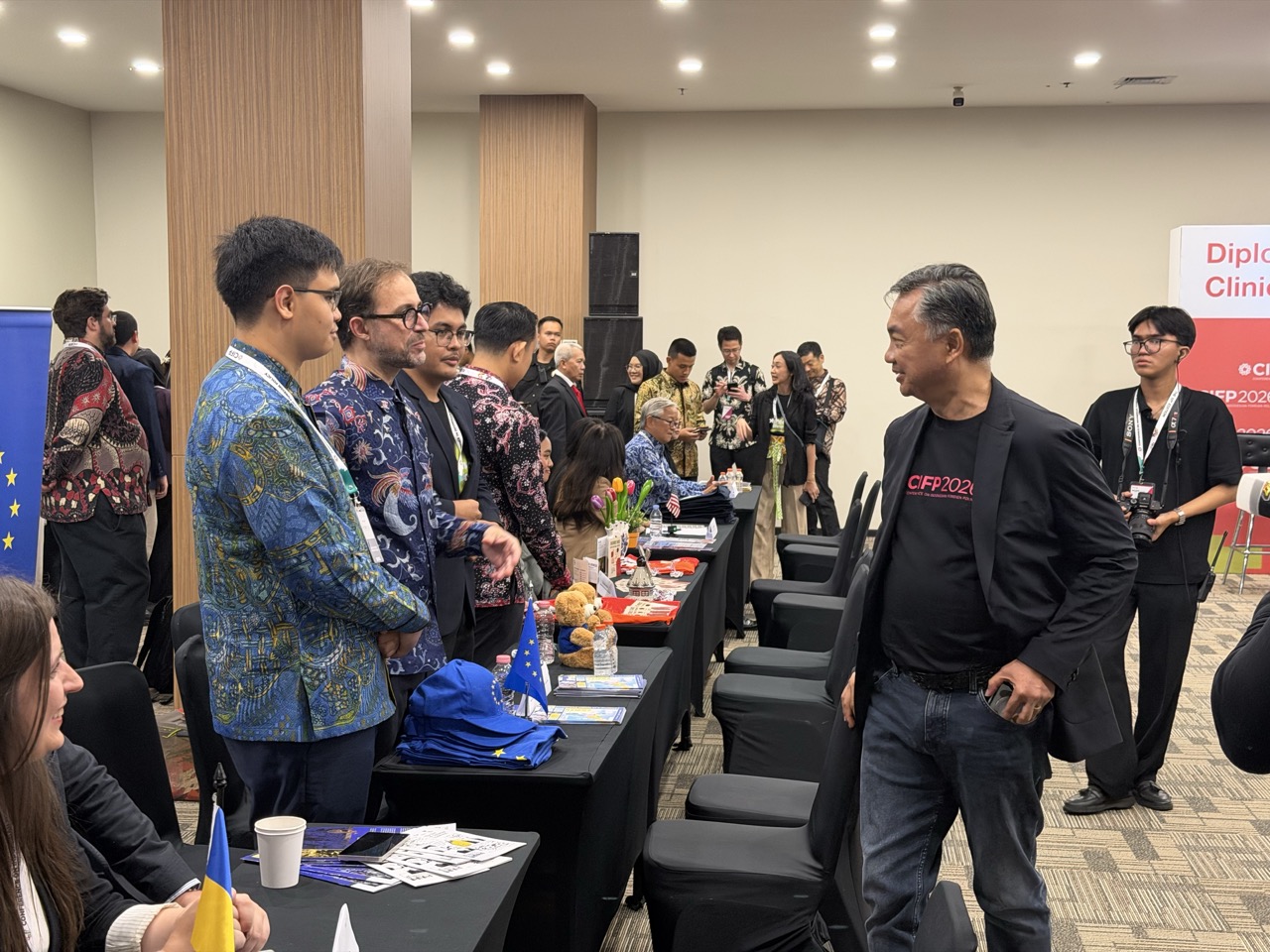
FPCI Founder and Chairman Dr. Dino Patti Djalal also took part in welcoming ambassadors and embassy representatives during the Diplomacy Clinic, reinforcing the event's spirit of openness and international engagement.
Importantly, the Diplomacy Clinic was not introduced for the first time in 2026. It has been a recurring flagship feature of CIFP for several years, including previous editions in 2022, 2024, and 2025.
Southeast Asia's Place in a Changing Global Order
Beyond individual diplomatic encounters, the clinic reflected broader questions about Indonesia's position in an increasingly complex international environment, particularly within Southeast Asia.
The region faces interconnected challenges, from intensifying US-China competition and maritime security in the South China Sea to the continuing Myanmar crisis, cross-border economic integration, and energy transition. These developments make cooperation among ASEAN members increasingly important.
Indonesia has played an active regional role, particularly through its 2023 ASEAN chairmanship under the theme ASEAN Matters: Epicentrum of Growth. It also hosted the G20 Presidency in 2022 and became a full member of BRICS in January 2025.
Its economic diplomacy has also produced tangible results. According to Indonesia's Ministry of Foreign Affairs, national exports reached US$264.7 billion in 2024, while foreign investment realization reached US$60 billion. These developments demonstrate how international partnerships can contribute to domestic economic opportunities.
The importance of maintaining an independent yet constructive international outlook was central to CIFP 2026. FPCI Co-Founder Prof. Dr. Dewi Fortuna Anwar, a respected political scientist and foreign policy analyst, has also contributed to Indonesia's foreign policy discourse through decades of academic research and government service.
Indonesia's Opportunity to Shape the Next World Order
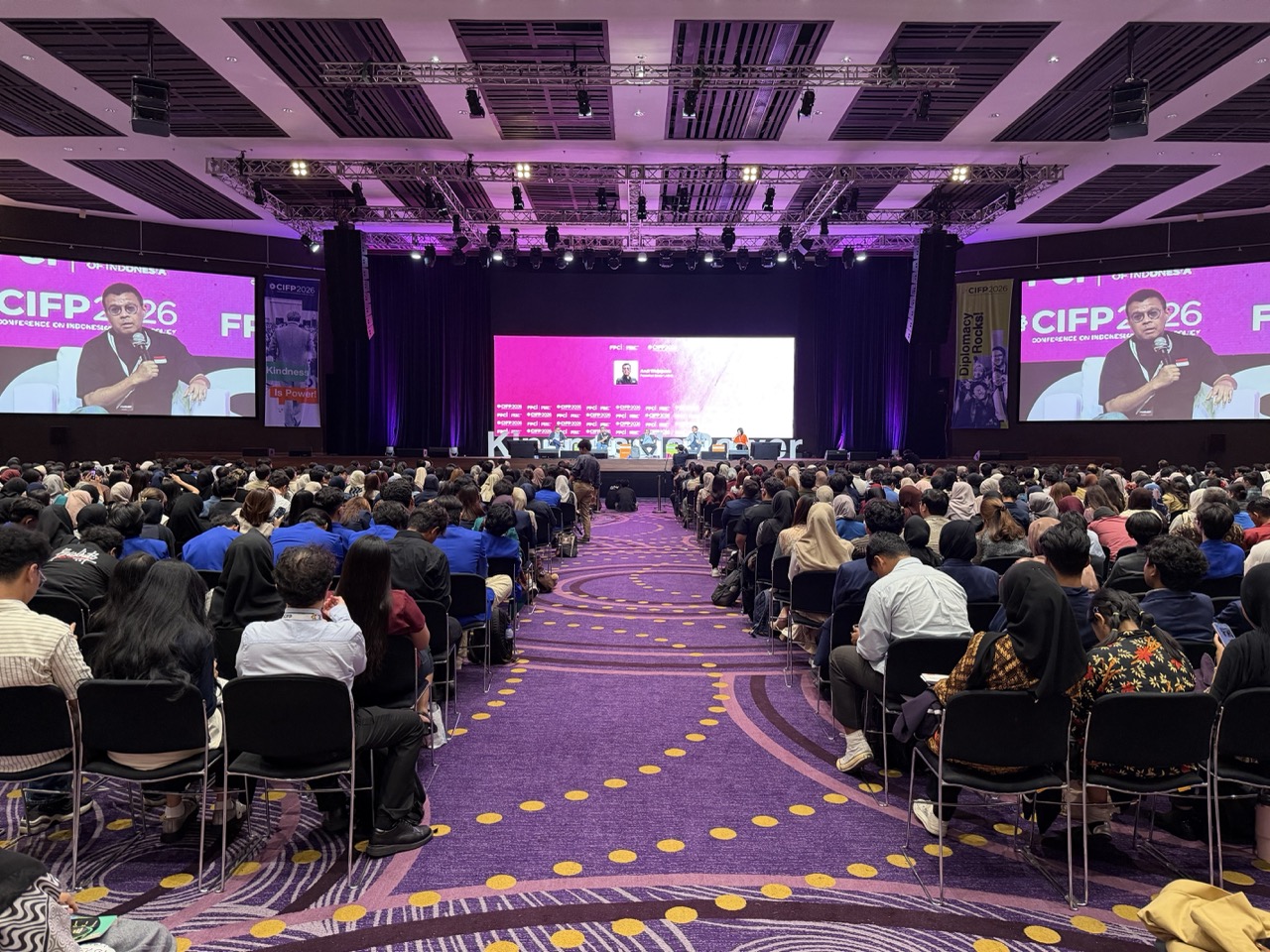
The broader conference discussions provided important context for the conversations taking place inside the Diplomacy Clinic.
In his opening remarks, Dino Patti Djalal challenged Indonesia to move beyond being an ordinary middle power and become a more influential contributor to global affairs.
"We should not be satisfied with merely being an ordinary middle power; we must elevate ourselves into an important middle power that genuinely impacts the next world order," Dino said.
His message found a complementary perspective in German Ambassador to Indonesia, Timor-Leste, and ASEAN, H.E. Ralf Beste, who emphasized Indonesia's growing international significance.
"We view Indonesia as a key partner for the future world order. We hope Indonesia will take the initiative, provide direction, and encourage itself to lead on issues of universal interest," Beste said following a CIFP discussion.
The two perspectives highlighted a shared expectation: Indonesia has the potential to contribute more actively to shaping international cooperation, particularly through its diplomatic relationships and commitment to multilateralism.
FPCI, founded in 2014 by Dino Patti Djalal and Prof. Dewi Fortuna Anwar, has sought to democratize foreign policy by bringing international affairs beyond government institutions and into public conversations. Through its grassroots network, university chapters, research initiatives, and annual conference, it encourages wider participation in understanding global developments.
Making Diplomacy Accessible to the Next Generation
Ultimately, the Diplomacy Clinic demonstrated that international relations need not remain an exclusive conversation among government officials and foreign policy specialists.
For a university student asking about international scholarships, a young professional exploring career opportunities abroad, or an aspiring diplomat seeking insights into bilateral relations, three minutes with an ambassador can become a meaningful starting point.
As Indonesia navigates geopolitical competition, regional challenges, and the changing international order, developing a generation that understands the world and can engage with it confidently will be increasingly important.
At CIFP 2026, the Diplomacy Clinic offered a simple but powerful reminder: diplomacy begins not only at negotiating tables, but also with conversations, curiosity, and the willingness to understand one another.


