


One hundred and fifty years after French poet Arthur Rimbaud travelled through Java, his journey continues to inspire a meeting of literary voices between France and Indonesia. On 20 November 2026, writers, publishers and readers gathered at Gramedia Jalma in Jakarta for “Writing Across Borders,” a literary event exploring how stories are created, published, translated and shared across languages and cultures. Organised by the French Embassy and Institut français d’Indonésie (IFI), the gathering marked the closing of the first Rimbaud Residency and celebrated the growing literary partnership between the two countries.
Finding the Right Form for Every Story
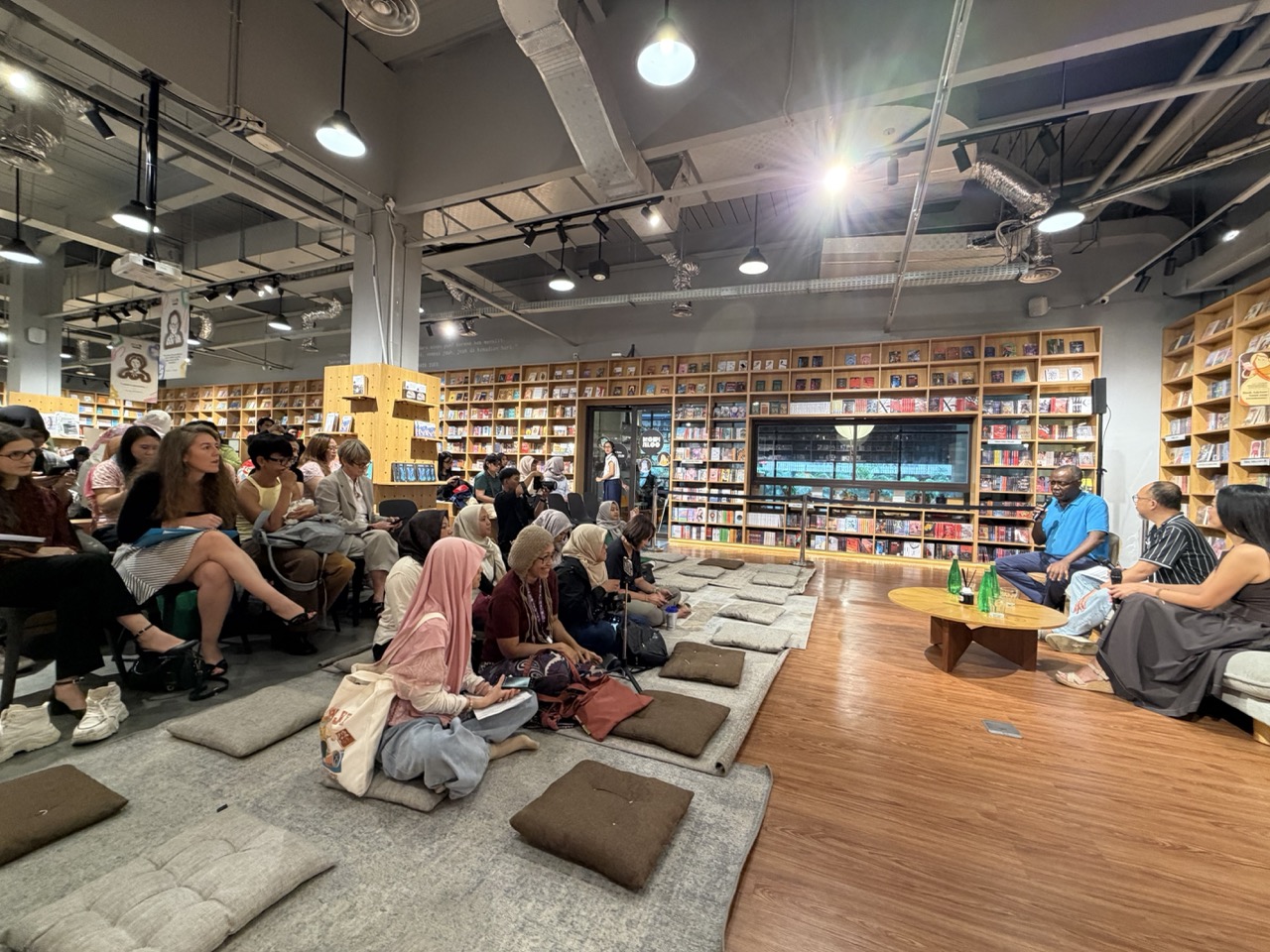
The first discussion, “Between Poetry and Novels: Choosing a Form of Writing?”, brought together Dalembert and Indonesian novelist Dee Lestari to examine how writers choose their forms of expression. Both highlighted the importance of understanding one's own creative instincts rather than following a fixed formula.
“Writing a novel and writing poems are two different things,” Dee observed, encouraging aspiring writers to follow their interests and develop approaches that suit their individual creative processes.
To illustrate the difference, Dee compared writing poetry to sneezing: once the words come out and are put on paper, the creative moment feels complete, allowing her to return to writing poems after a few days. Writing a novel or other fiction, however, requires a more consistent daily commitment. She also used the discussion to introduce her first book of poetry, offering audiences a glimpse into another dimension of her literary journey.
For Dalembert, the three-month residency in Semarang was as much about human encounters as literary exploration. He praised the warmth of the local community, recalling how quickly he felt welcomed. “In two or three weeks, I felt like a member of the family,” he said. His experience included discovering local traditions, food and everyday life, while continuing his literary work and drafting poetry inspired by his time in Central Java.
From Manuscripts to Readers: Why Translation Matters
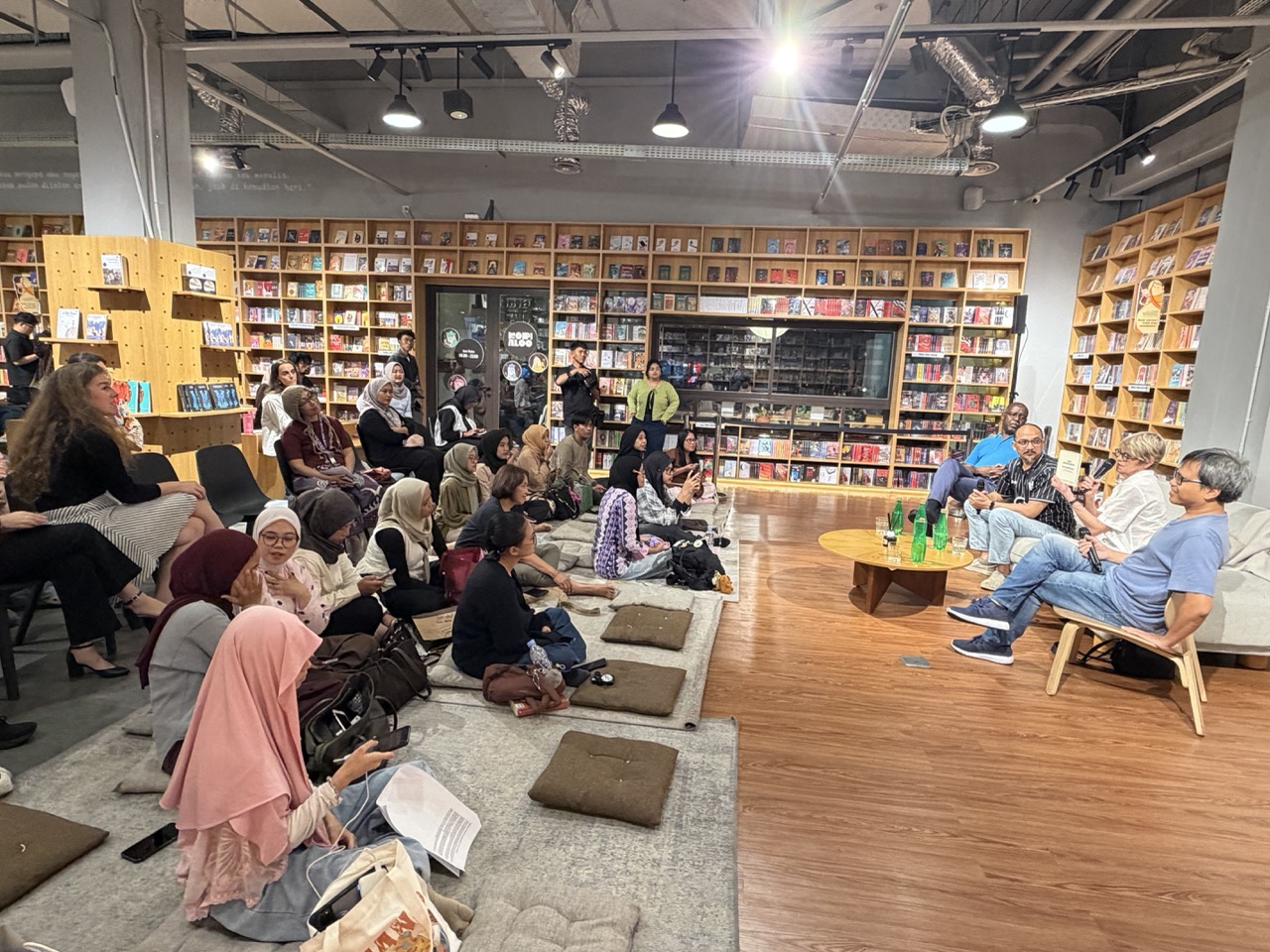
The second discussion, “The Publishing Industry in France and Indonesia: Perspectives from Two Countries,” shifted attention from the writing process to the journey of a book from an author's desk to its readers. Dalembert, French independent publisher Sabine Wespieser and Indonesian author Eka Kurniawan explored publishing networks, international distribution, translation and the challenges of introducing literature to new markets.
Wespieser, founder of Éditions Sabine Wespieser, explained that the residency had allowed her to better understand Indonesia's publishing landscape and meet local publishers. Having introduced Eka's works to French readers, she stressed the importance of building direct relationships between publishing communities. “We need good translators,” she said, noting that translation enables readers to discover literary worlds beyond their own languages.
Eka, whose works have reached readers in several languages, shared that four of his novels have been translated into French. His advice to young Indonesian writers was to remain committed to their own voices. “First of all, write for Indonesian readers with my own concerns and ideas, believe in my own work and write the best to my knowledge,” he said. International recognition, he suggested, can take time and depends on many factors, including publishers and the readers.
French Ambassador to Indonesia, Timor-Leste and ASEAN Fabien Penone briefly attended the gathering and delivered remarks highlighting the importance of building a stronger literary partnership. He pointed to the need for closer connections among writers, publishers, translators, distributors and cultural institutions, drawing on France's established ecosystem of public support for literature and publishing. As he put it, “If you want to connect writers, you need translation.”
Rimbaud's Journey Returns to the National Museum
The literary discussions followed the opening of Poetics of Dialogue: Arthur Rimbaud in Java, 1876 on 19 November at the National Museum of Indonesia in Central Jakarta. Located on the third floor of Building C, the exhibition commemorates the 150th anniversary of Rimbaud's journey through Java, including his passage through Batavia, Semarang and Salatiga in 1876. Seasia.co+1
Organised by Indonesia's Ministry of Culture in collaboration with the French Embassy and IFI, the exhibition presents archival documents, historical photographs, quotations, rare literary materials and books from the personal collection of Culture Minister Fadli Zon. It also invites visitors to view Rimbaud's journey through the wider context of Javanese history and cultural heritage.
At the opening, Fadli Zon emphasised that Java already possessed a rich civilisation before European arrival, encouraging a broader historical reading of Rimbaud's presence on the island. lifestyle.bisnis.com
A Literary Partnership Beyond Borders
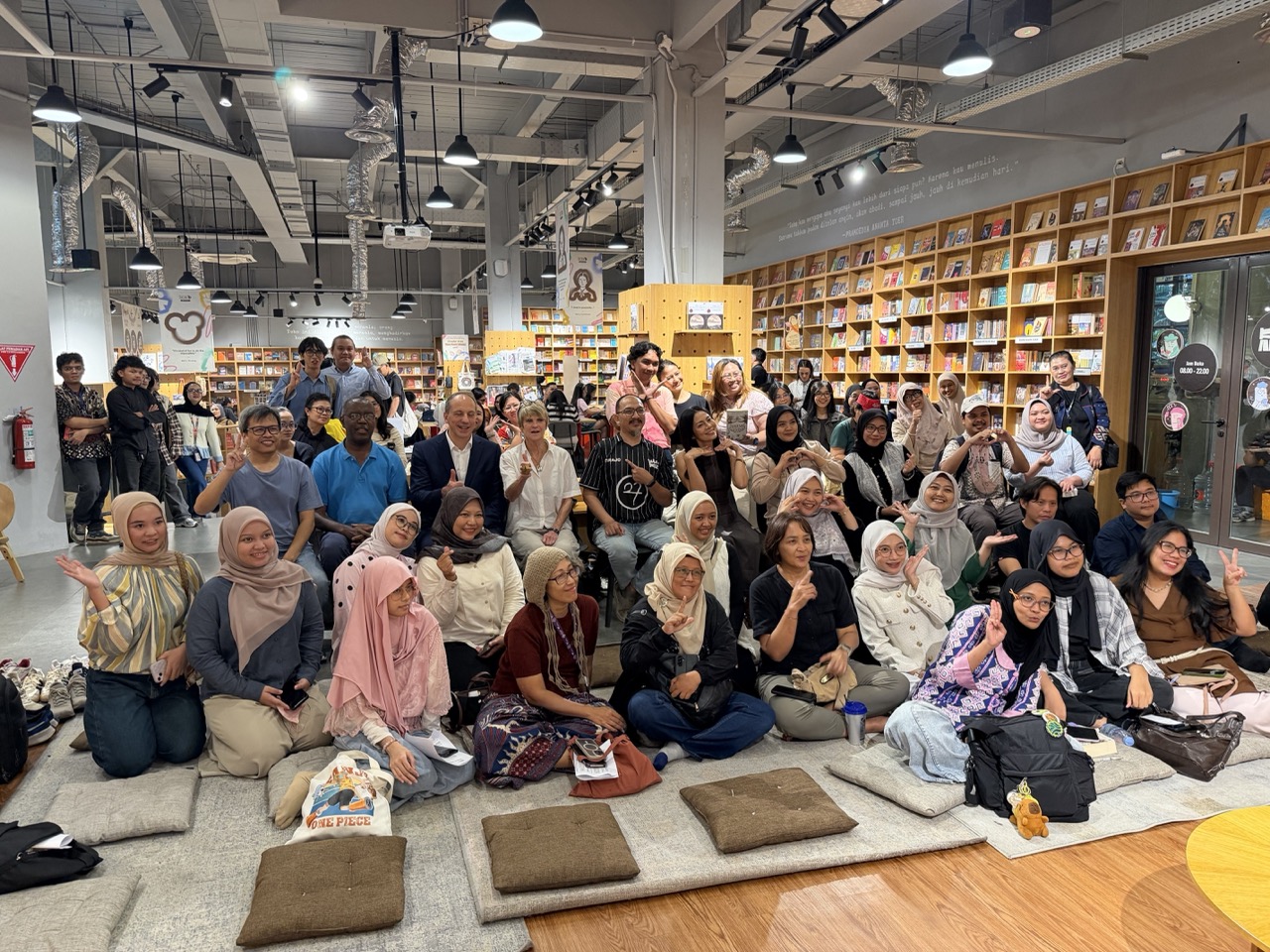
The Rimbaud Residency is part of a broader effort to strengthen cultural cooperation under the Borobudur Declaration on Joint Cultural Strategy, adopted by French President Emmanuel Macron and Indonesian President Prabowo Subianto in May 2025. Its first edition brought Dalembert to Semarang for nearly three months, concluding with literary discussions, bilingual readings and an exhibition at Lawang Sewu on 16 November.
The exchange will continue in 2027, when an Indonesian writer is scheduled to undertake a three-month residency at the Cité internationale de la langue française in Villers-Cotterêts, France, from 8 February to 8 May. Further initiatives include a French writing residency in Banda Neira and a translation residency in Makassar, creating more opportunities for writers and translators to engage with local communities.
From Rimbaud's journey across Java to contemporary writers finding new readers, the message is clear: distance and language need not divide literary communities. Through writing, publishing and translation, France and Indonesia are building a shared space where stories can travel, voices can be discovered and cultural connections can endure.


