


Several days after Indonesia marked its 81st Independence Day, Musee ID organized Festival Cerita Kota 2026 at Museum Bahari on 22 August in collaboration with the Jakarta Provincial Culture Agency, the Jakarta Maritime Museum Management Unit and the Indonesian History and Culture Preservation Association. Supported by RM Surya, Kosakata, Ayo Dongeng Indonesia and Waskito Art & Language Center, with GNFI, Seasia and Sevenhub as media partners, the festival invited children, writers, educators and heritage enthusiasts to rediscover the struggle for independence from Jakarta’s northern waterfront.
Independence Viewed from the Waterfront
Carrying the theme “Indonesia Merdeka: Jejak Perjuangan Kemerdekaan di Utara Jakarta,” the festival highlighted a side of national history often overshadowed by events in the city centre. North Jakarta was more than a gateway for ships and commodities; it was a strategic zone shaped by colonial trade, maritime defence and resistance.
Museum Bahari provided a historically resonant setting. It occupies former VOC warehouses constructed between 1717 and 1773 near Sunda Kelapa harbour. Once used to store spices, coffee and other products extracted from the archipelago, the buildings now preserve traditional boats, maps, navigational equipment and archaeological artefacts documenting Indonesia’s maritime development.
Keeping History in Public Life
The festival arrived as Indonesia’s museum sector continues to develop. Ministry of Culture data recorded 516 museums nationwide in April 2026. Of these, 373—or 72.3 percent—had been registered, while 234 had achieved national standardisation.
Collections remain meaningful, however, only when communities engage with them. By combining historical exploration with storytelling, environmental awareness, culinary heritage and creative writing, Festival Cerita Kota showed how museums can become active public spaces.
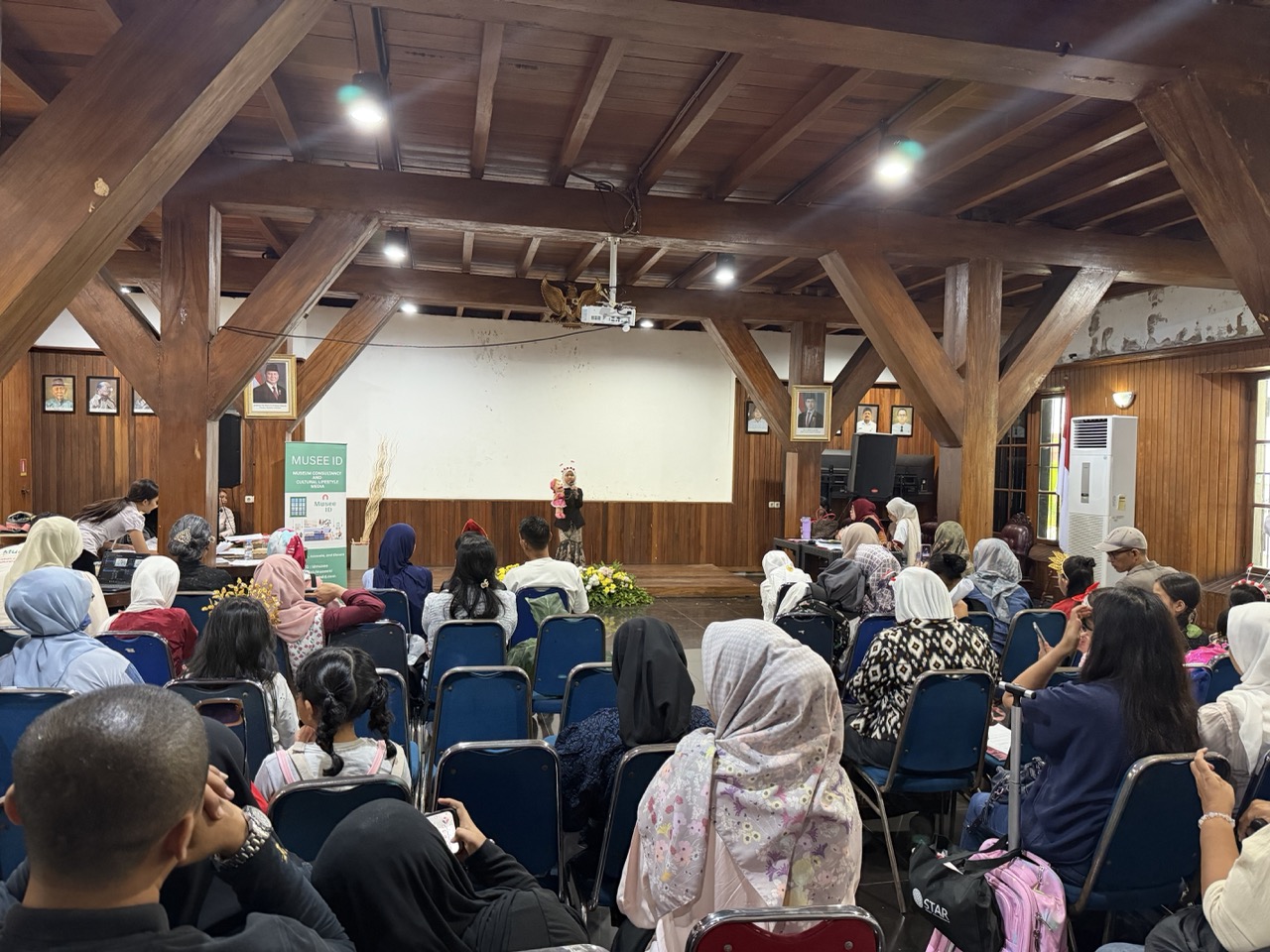
The approach reflected Culture Minister Fadli Zon’s view that “museums are no longer merely places for storing historical objects, but must develop into cultural infrastructure and drivers of the national cultural economy.”
Artefacts Become Writing Prompts
For writing-camp participants, the museum became a creative classroom. A guided tour introduced them to the historic building and its maritime and archaeological collections, with explanations provided at important displays. Participants could ask questions, examine artefacts and consider how individual objects might inspire stories about sailors, traders, coastal communities and independence.
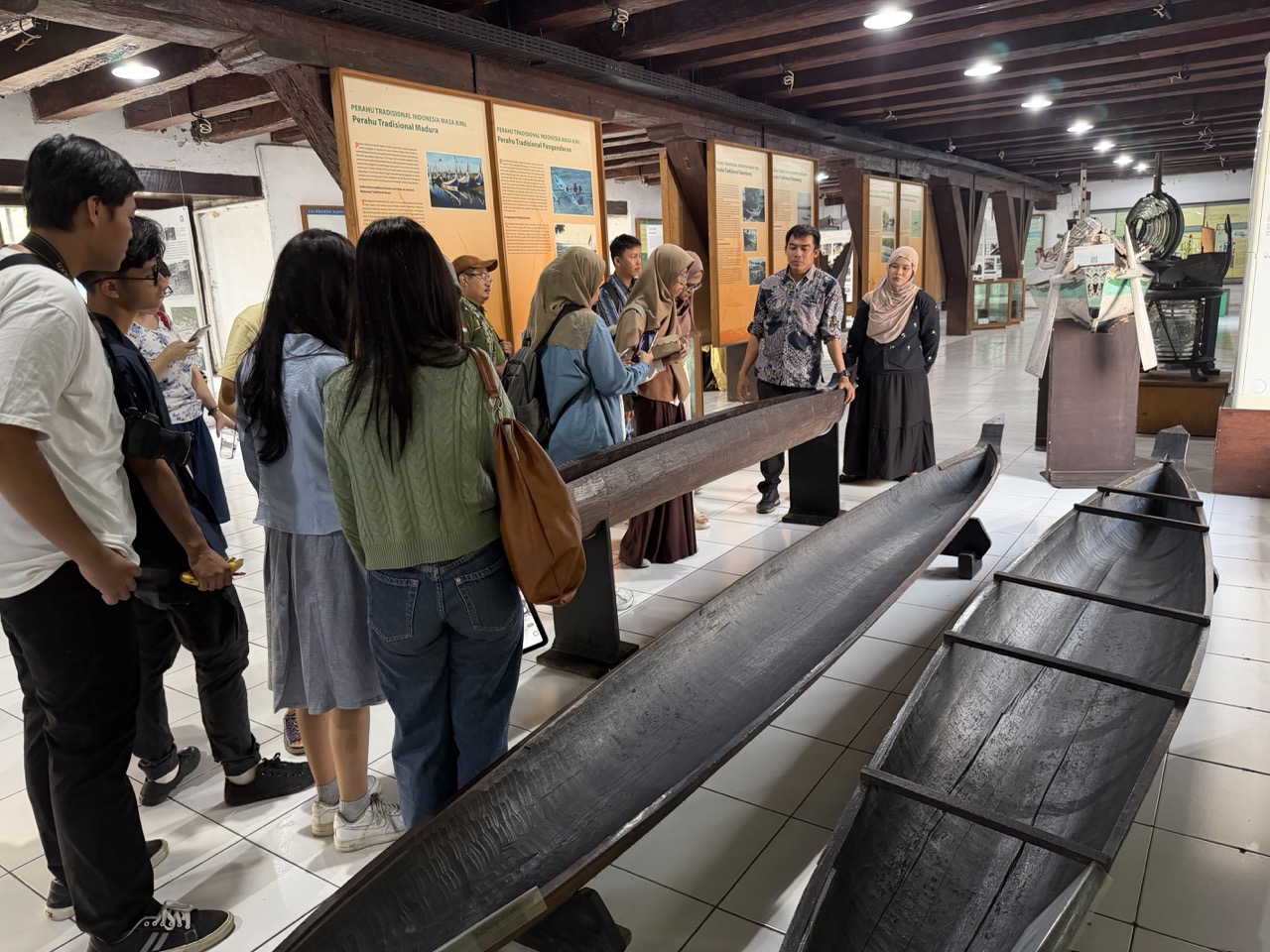
They were also encouraged to express their initial ideas and identify subjects they wanted to develop. Rather than treating artefacts as silent objects behind glass, the session invited participants to imagine the people, journeys and conflicts connected to them.
As Head of the Jakarta Maritime Museum Management Unit Mis’ari, M.Hum., has said, “Encouraging children to enjoy museums and learn about past civilizations equips them, as the next generation, to safeguard the nation’s historical and cultural heritage.”
Heritage Served at the Table
The festival extended its storytelling into the kitchen through a Padang food cooking demonstration presented with Surya Padang Restaurant. Established in 1966, the restaurant celebrates its 60th anniversary in 2026, representing six decades of preserving Minangkabau culinary traditions.
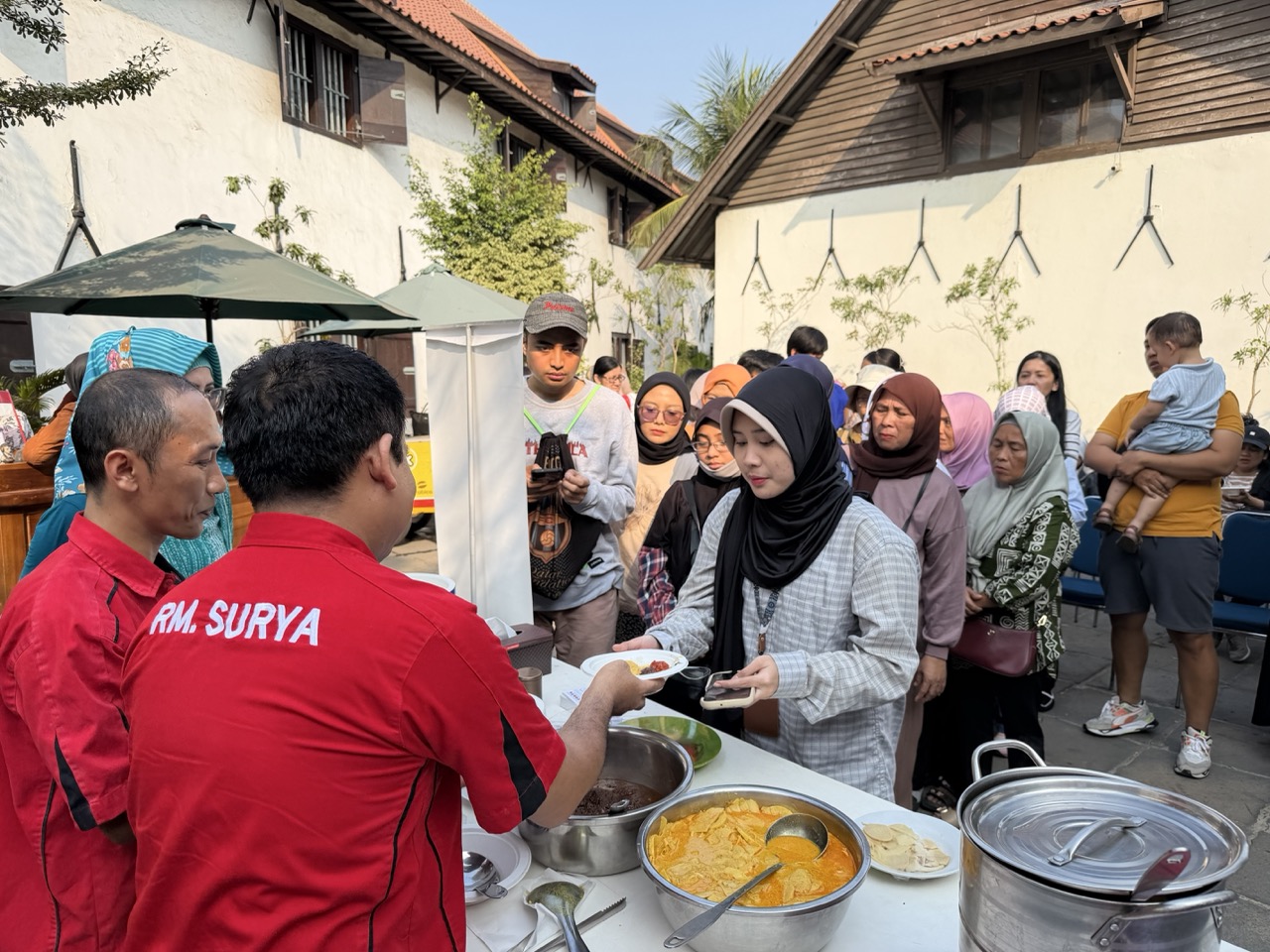
Participants observed how recipes carry cultural knowledge through ingredients, spices and techniques passed between generations. They later tasted the restaurant’s signature rendang—beef slowly cooked with coconut milk and spices—alongside a bamboo-shoot dish. The experience demonstrated that heritage survives not only in museums and written records, but also through flavours kept alive by longstanding restaurants.
A Museum Filled with Creative Activity
History was presented through accessible and participatory formats. The programme included a talk show, a children’s drawing competition connecting mangrove ecosystems with coastal conservation, and a storytelling competition featuring Indonesia’s female heroes. A curated bazaar also introduced visitors to local food, crafts and creative products.
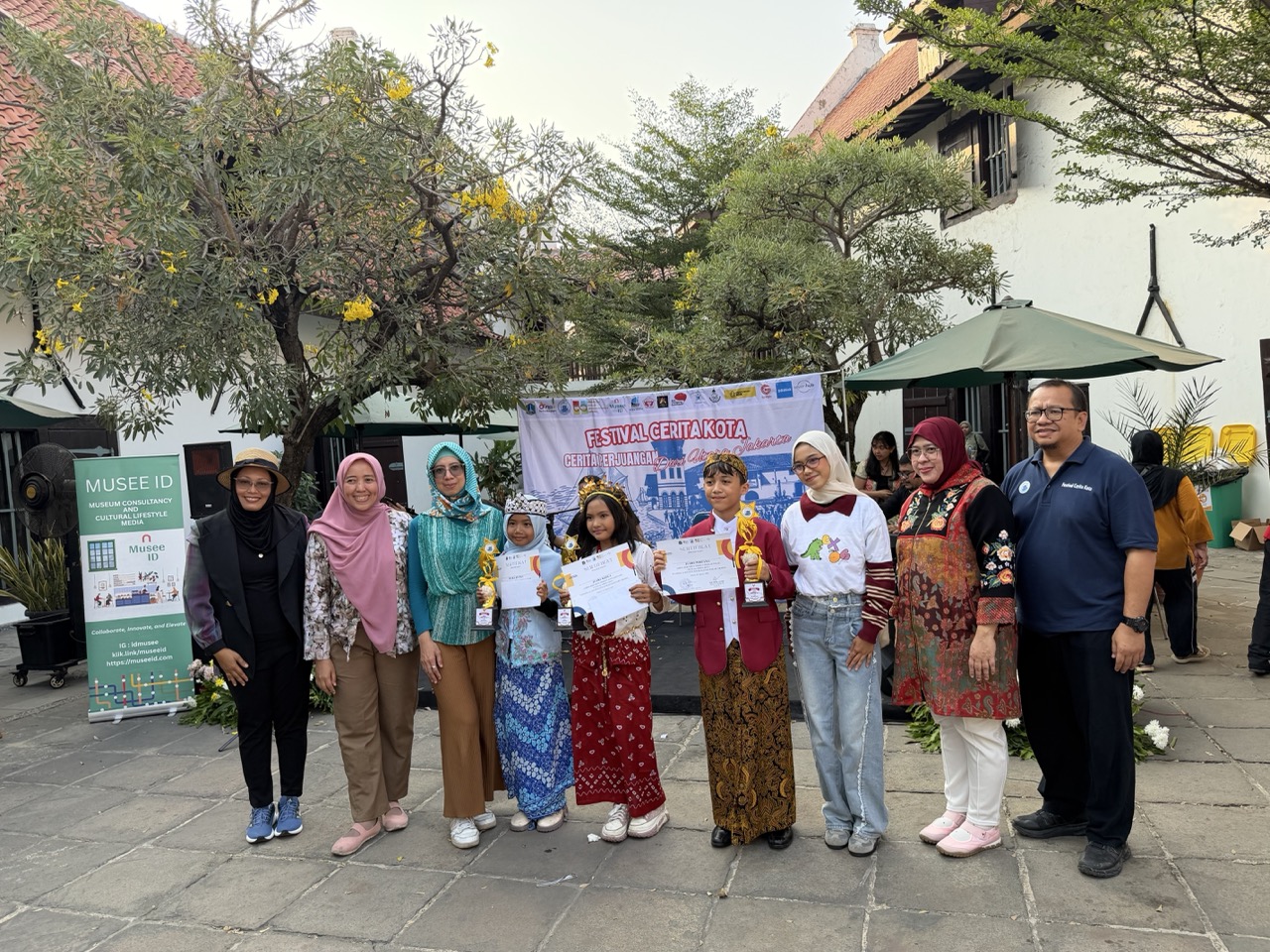
Together, these activities showed that commemorating independence need not be limited to ceremonies. Participants could interpret the past through visual art, spoken stories, culinary traditions and personal reflection, making history more approachable for families and younger audiences.
Independence is preserved not only through monuments and official records, but also through the stories and traditions each generation chooses to carry forward.


