

Pchum Ben is one of the most important and spiritually rich festivals in Cambodia. Often called "Ancestors' Day," this celebration focuses on honoring relatives who passed away up to seven generations ago. The festival is deeply rooted in Khmer traditions and Theravada Buddhist beliefs.
The sacred event takes place over fifteen days, usually falling in late September or October. Cambodian Buddhists believe that during this period, the gates of the spirit world open temporarily. Deceased ancestors are thought to walk among the living to find offerings.
Living relatives make abundant food offerings at local pagodas to ease the deep suffering of their departed family members. This act of kindness helps ancestors trapped in unhappy realms gain merit, progress toward rebirth, and find peace. Doing so also brings protection and good fortune to the living family.
It is a solemn time of deep gratitude and filial duty to deceased elders. Each family gathers to cook favorite dishes of the deceased, pray, and remember those who died.
The Rituals of Kan Ben and Ben Thom
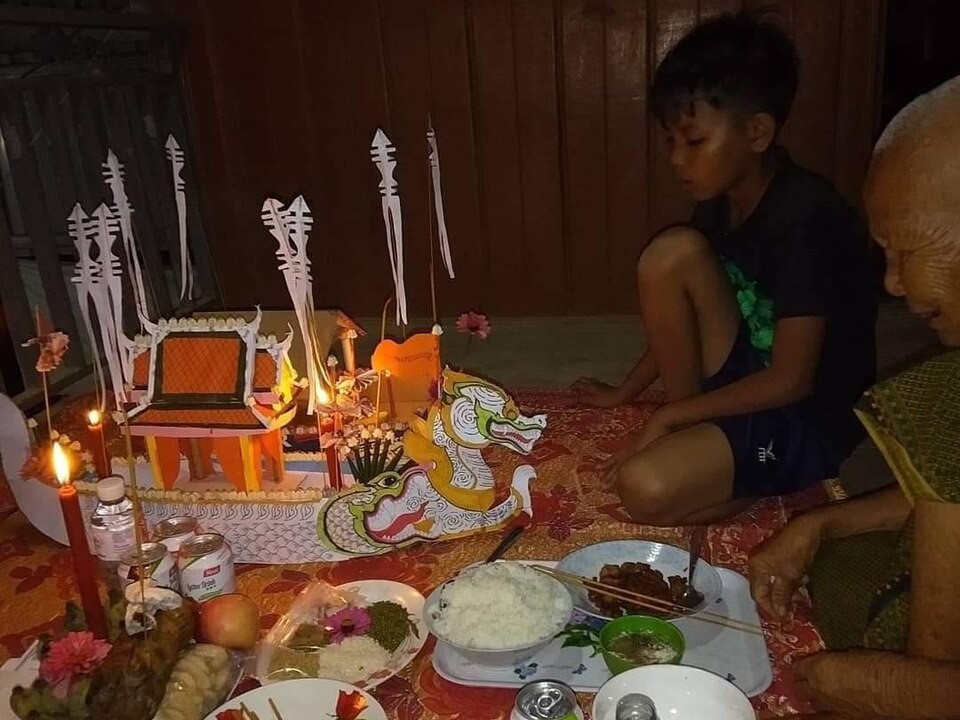
The first fourteen days of the festival are called Kan Ben, which means gathering offerings. During these days, different families take turns preparing home-cooked meals for the monks. The monks chant rhythmic prayers in the ancient Pali language to transfer this merit to the dead.
The final fifteenth day is known as Ben Thom, which marks the grand climax of the celebration. Children often prepare special lunch meals for their parents to show deep respect before going to the temple. People dress in white, which is the traditional color of mourning in Cambodia.
Baskets of flowers, incense, and delicious sticky rice cakes are offered to the monks before midday. Traditional treats like Num Ansom, a log-shaped rice cake wrapped in banana leaves, are shared with neighbors. Families also make pyramid-shaped Num Korm cakes filled with sweet coconut and palm sugar.
The festival's name literally translates to "balled rice gathering" in the Khmer language. This refers to the sacred pre-dawn ritual where people gently throw balls of sticky rice, called bay ben, around the temple grounds. This food is meant to feed "pret," which are hungry ghosts who died unnaturally and cannot enter the temple.
Pchum Ben is entirely unique to Cambodian culture and Khmer Buddhism. It represents a beautiful blend of ancient ancestor worship and Buddhist cosmology. People even make offerings to neak ta, which are local guardian spirits embedded in the landscape.
A popular and well-known local proverb states that parents at home are far more powerful than the gods in the pagoda. This highlights the festival's deep focus on honoring living elders alongside deceased ancestors.
Family Reunions
During the final holiday days, major cities like Phnom Penh become unusually quiet as everyone travels home. People travel long distances to visit their villages of origin and reunite with family.
In the post-genocide era, this historical holiday has played a crucial role in healing the country. Rebuilding temples and performing these collective rituals allows broken communities to reconstruct their social bonds. The beautiful custom keeps memories alive and families strong across generations.
The festival is a powerful reminder of the unbreakable bonds between the living and the dead. Witnessing the reverence in the air at dawn and the warmth of shared meals is truly unforgettable.



