Indonesia's cigarette industry connects agricultural production, manufacturing and government revenue on a scale that extends across the country.
Its main raw materials are tobacco and cloves, while cigarette production ranges from labor intensive hand rolled kretek to machine made cigarettes. Around 2.3 million farming families and an estimated 6 million workers across the wider supply chain depend on the sector, which contributes roughly 4.22% of national GDP.
The industry also remains a significant source of state revenue. In 2024, Indonesia collected Rp226.37 trillion (roughly US$12.72 billion) in excise, with tobacco products accounting for 95.79% of that amount, equivalent to about Rp216.84 trillion (roughly US$12.18 billion). Tobacco excise revenue increased 2.04% from the previous year.
Built Around Tobacco and Cloves
Indonesia's cigarette industry is closely linked to its domestic agricultural supply.
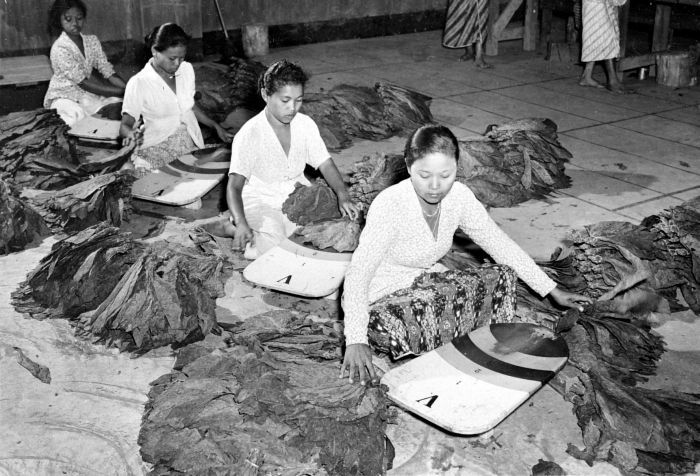
According to BPS (Statistics Indonesia), national dried tobacco leaf production reached 351,360 tonnes in 2024, up 22.64% from 286,510 tonnes in 2023, its highest level in the past decade. East Java remained the top producing province with 186,510 tonnes, followed by West Nusa Tenggara with 77,350 tonnes.
Despite this record output, domestic production still fell short of industry needs, and Indonesia imported 167,760 tonnes of tobacco in 2024, worth US$911.25 million, with Asia as the leading supplier. In contrast, tobacco leaf exports remained comparatively modest, valued at roughly Rp3.28 trillion (about US$184.3 million) in 2023.
Cloves form another important input for Indonesia's traditional kretek cigarettes. The Ministry of Agriculture recorded national clove production of 140,000 tonnes in 2023, concentrated across several provinces, reinforcing Indonesia's position as one of the world's largest clove producers.
Indonesia's position also extends beyond its borders. The Ministry of Industry has described Indonesia as the world's sixth largest exporter of tobacco products, as of mid-2026.
Regionally, a January 2026 report by the Southeast Asia Tobacco Control Alliance (SEATCA) found Indonesia accounted for roughly 320 billion of the estimated 700 billion cigarette sticks sold across ASEAN in 2024, well ahead of the Philippines (90 billion) and Vietnam (80 billion), making it the region's largest cigarette market by a wide margin.
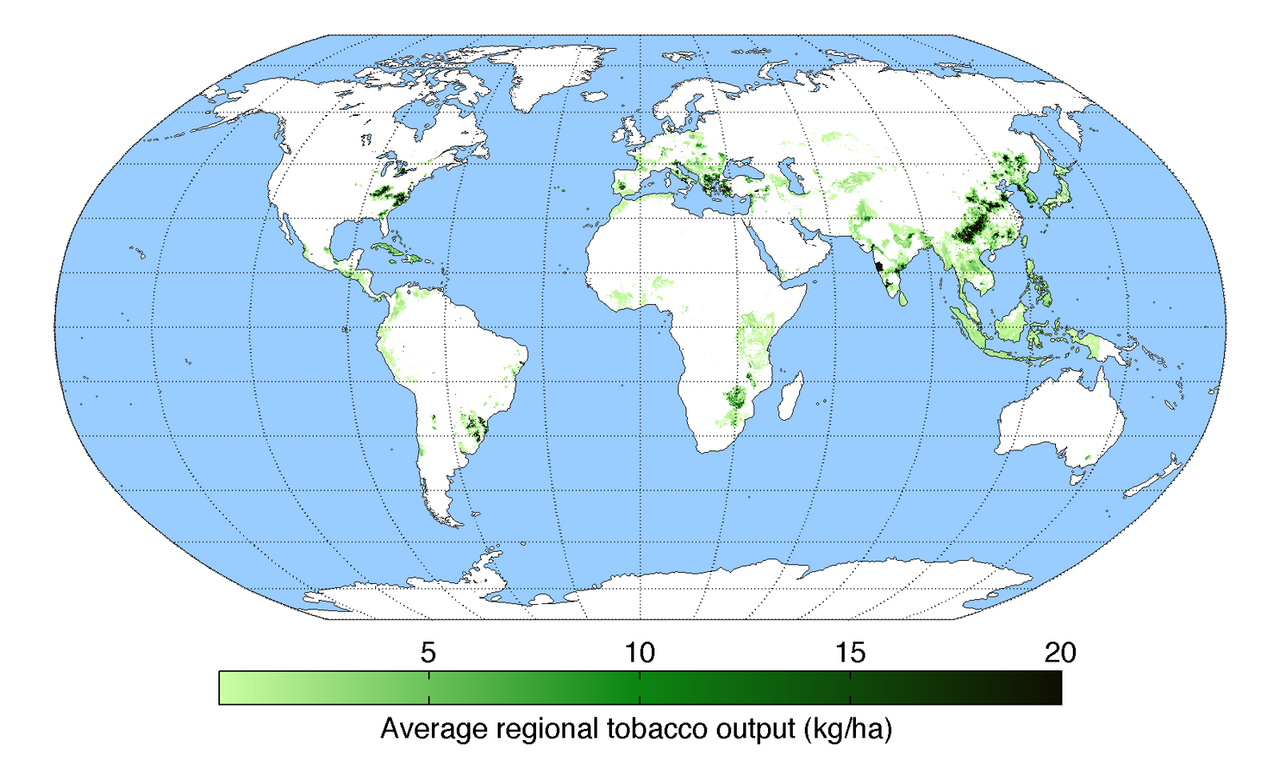
Indonesia is also recognized as the world's largest cigarette market outside China.
The combination of tobacco and cloves developed into a distinct domestic cigarette product. Production subsequently expanded from small-scale hand-rolled operations into large manufacturing facilities using automated machinery.
From Hand-Rolled Cigarettes to Mass Production
Indonesia's cigarette manufacturing includes Sigaret Kretek Tangan (SKT), or hand-rolled kretek, and Sigaret Kretek Mesin (SKM), or machine made kretek, with different labor and capital requirements. SKT remains an important source of employment despite SKM dominating overall output volume.
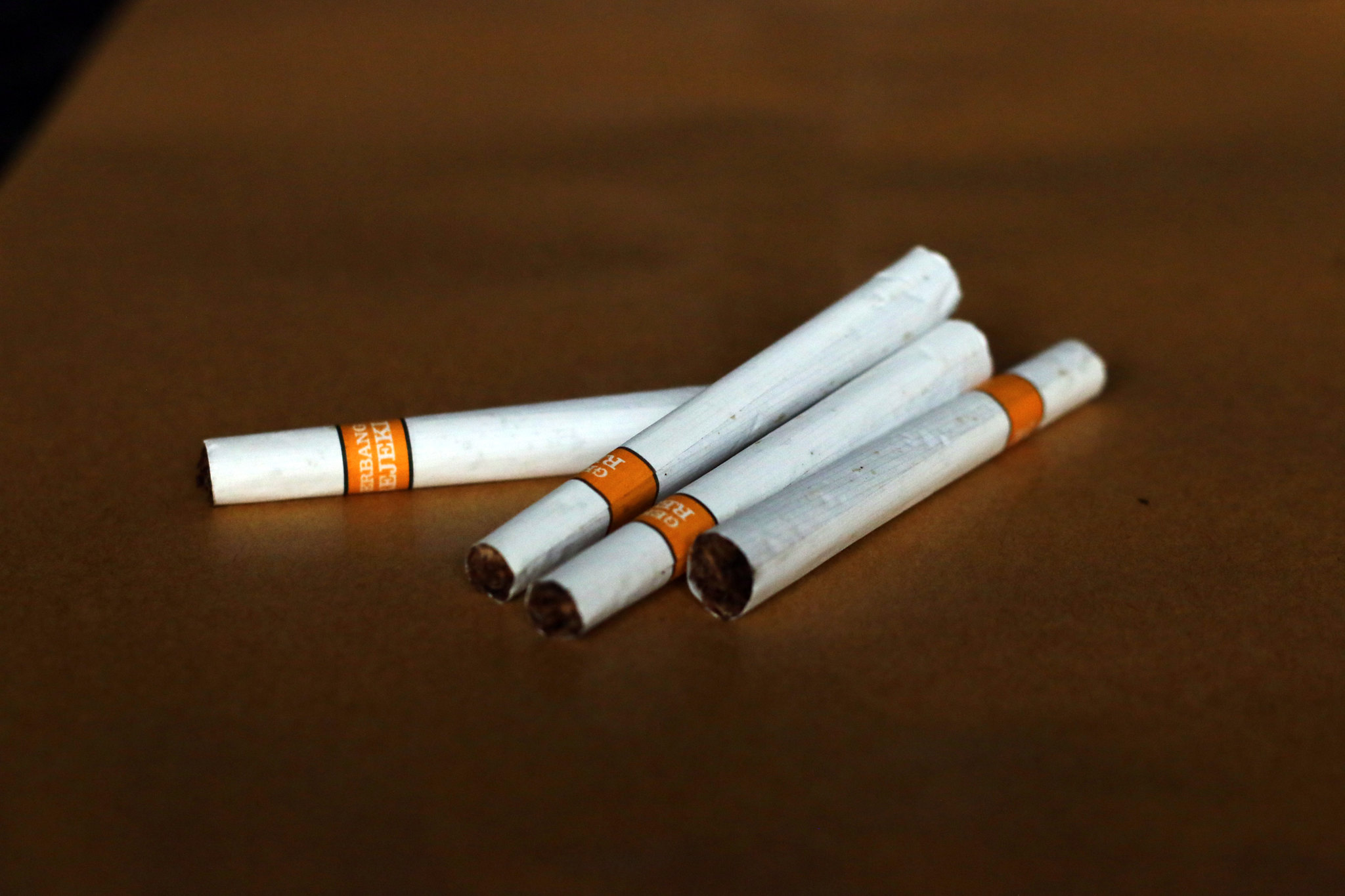
The importance of labor intensive tobacco processing remains particularly visible in East Java. BPS recorded approximately 287,000 workers in micro and small tobacco processing enterprises in the province in 2024.
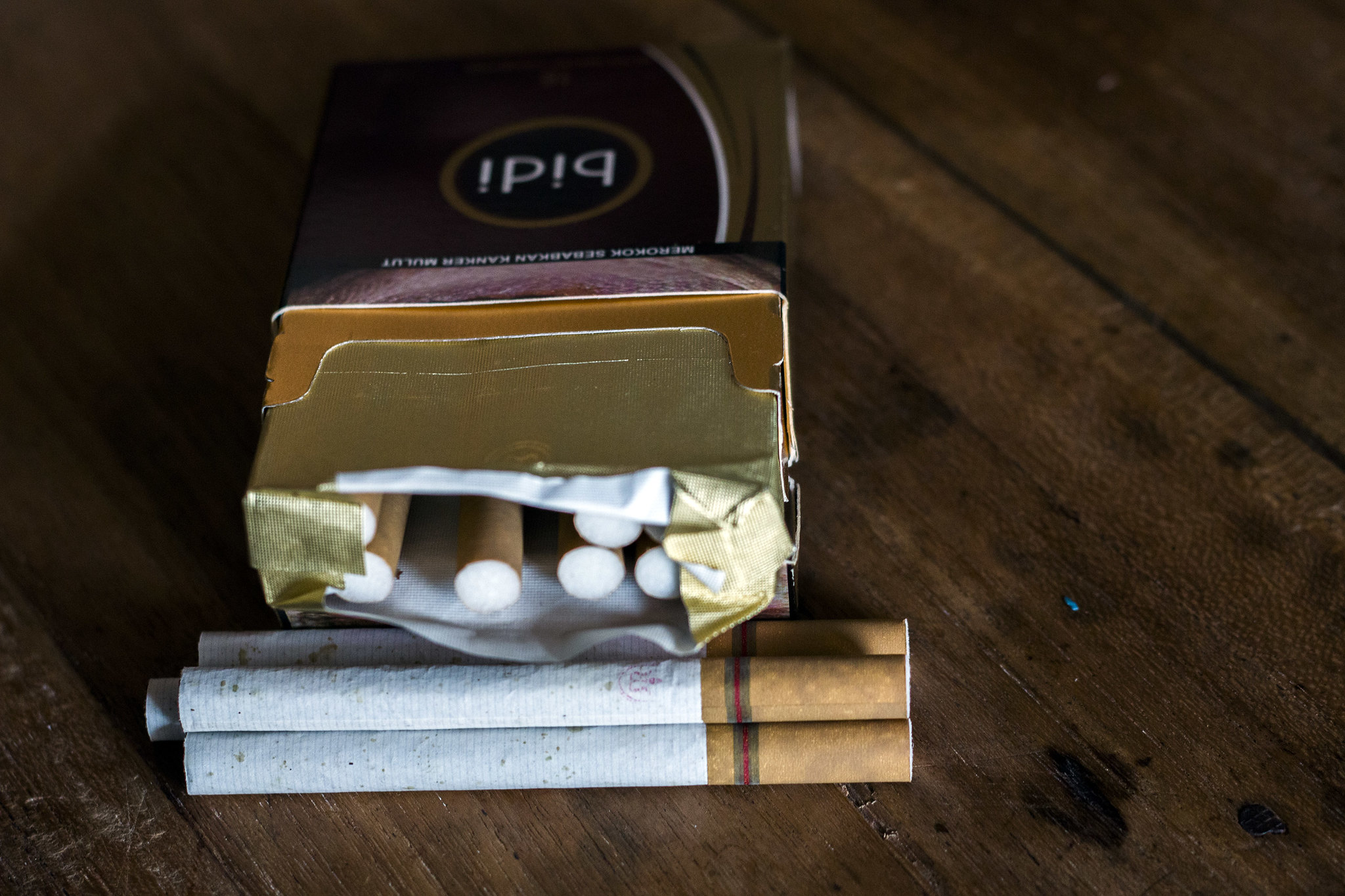
The industry is also geographically concentrated in several established manufacturing areas. In Central Java, the tobacco products industry accounted for 15.78% of the province’s manufacturing sector in the third quarter of 2024, according to BPS data.
Kudus remains one of the country's established production centers. A BPS statistical activity conducted in 2024 identified 193 small, medium and large cigarette companies operating in the regency, reflecting its history as the birthplace of kretek manufacturing.
A Major Source of Government Revenue
The scale of Indonesia’s cigarette industry is also reflected in its fiscal system.
Tobacco excise accounted for 95.79% of total excise revenue in 2024, making it the dominant source of excise receipts. Total excise revenue reached Rp226.37 trillion (roughly US$12.72 billion), including Rp9.2 trillion (US$517 million) from alcoholic beverages and Rp141.1 billion (US$7.9 million) from ethyl alcohol.
At the same time, cigarette output has declined even as tobacco leaf production expanded. National cigarette production fell to around 317-318 billion sticks in recent years, its lowest level in a decade. The trend has been associated with higher excise tariffs and changes in consumer purchasing patterns, including a shift toward lower-priced cigarette categories.
Indonesia’s cigarette industry therefore spans the entire supply chain, from tobacco and clove cultivation to labor intensive factories, large scale manufacturers and excise collection. Tobacco products generated more than Rp200 trillion in excise revenue in 2024, while changes in taxation and consumption continue to reshape the industry.