Among Indonesian men, 65.5% use tobacco, compared with 3.3% of women. Nearly all of this use takes the form of smoking, with 64.7% of men smoking tobacco and 55.5% smoking kretek, the clove cigarette that has become distinctively Indonesian.
In total, 70.2 million people aged 15 and older use tobacco in some form. But this was not always the case.
For centuries, the customary offering to a guest in the archipelago was the betel quid. Tobacco reached Central Java around 1601 and was gradually added to the betel chew, before eventually replacing it among men.
Before Cigarettes, Betel Came First
Tobacco was not originally part of everyday life in the Indonesian archipelago.
The betel quid, made of areca nut, betel leaf, and lime, was the social relaxant offered to guests. According to a 1985 study titled "From Betel Chewing to Tobacco Smoking in Indonesia" published in The Journal of Asian Studies, refusing to offer or accept betel was considered a deadly insult.
The same study reports that Spaniards brought tobacco from Mexico to the Philippines in 1575, and that it reached Central Java around 1601 to 1602. Early smoking was associated with court elites using pipes, although a cheaper homemade cigarette, the bungkus, appeared by 1658.
Read here to learn more: 25,000-Year-Old Sulawesi Fossils Reveal the World's Oldest Evidence of Betel Nut Use
By the late eighteenth century, tobacco had become a standard addition to the betel chew.
From the late nineteenth century, smoking gradually replaced betel chewing among men, starting with the Javanese elite and spreading downward. In South Sulawesi, the shift took roughly from 1900 to 1950.
The study links the change to the association of cigarettes with modernity and with European colonial society.
How Kretek Changed the Market
The emergence of kretek, Indonesia’s distinctive clove cigarettes, gave tobacco consumption a new commercial identity.
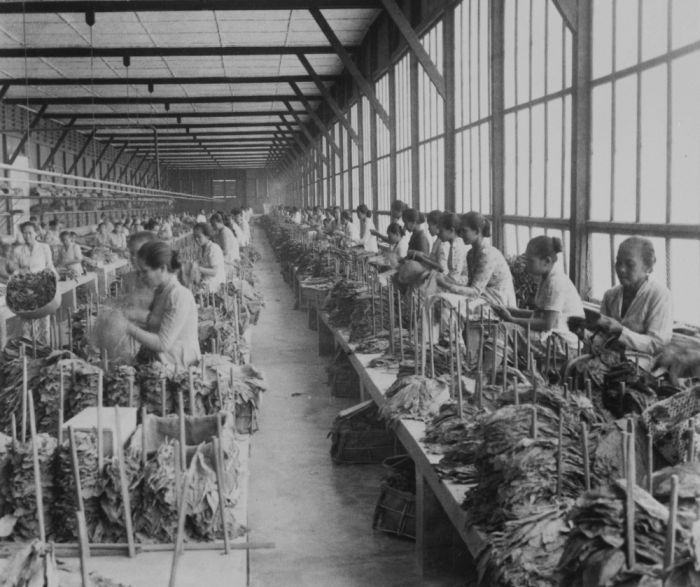
A 2005 study titled "The Relevance and Prospects of Advancing Tobacco Control in Indonesia" published in Health Policy, traces the development of the domestic cigarette industry. Kretek began as a home industry, with commercial production starting in 1906.
Read here to learn more: Kretek Was Once Considered a Remedy Before Becoming a Major Cigarette Industry
The decisive change came in the 1970s, when the industry mechanized and adopted modern packaging that replicated white cigarette brands.
The study reported that national tobacco consumption increased by 159% between 1970 and 1980, and that production levels rose tenfold between 1969 and 1994. By 1984, kretek production exceeded white cigarette production by a factor of more than three.
Selling an Image, Not Just a Cigarette
A 2009 study titled "Reading Culture from Tobacco Advertisements in Indonesia" published in the journal Tobacco Control, analyzed advertisements collected in Yogyakarta between November 2001 and March 2007, including about 350 photographed billboards, banners, and signs and over 300 print advertisements.
The researchers identified recurring themes involving masculinity, emotional control, tradition, modernity, and nationalism.

Some advertisements presented kretek as an expression of masculinity or emotional balance. Others associated kretek with Indonesian tradition and national identity. Brands were also targeted by age group, and youth brands emphasized friendship, adventure, and enjoyment.
The study also described the wider marketing environment. A 2007 monitoring report cited in the study recorded 1,350 tobacco sponsored events between January and October of that year, and found that 99.7% of surveyed youth had seen tobacco advertisements on television.

The study analyzed advertising content. It did not measure the effect of advertising on smoking rates.
Why Has It Been So Difficult to Reverse?
Indonesia’s tobacco industry is also economically and politically significant.
Tobacco cultivation, manufacturing, distribution, and retail support livelihoods, while cigarette excise provides government revenue. According to the 2005 Health Policy study, excise rose from 4% of government revenue in 1996 to nearly 10% in 2002.
Policies that affect cigarette sales have raised concerns about employment, farmers’ incomes, and public finances.
The World Health Organization (WHO) reported in its 2024 release of Indonesia’s Global Adult Tobacco Survey 2021 that Indonesia had not yet become a party to the WHO Framework Convention on Tobacco Control (WHO FCTC), an international treaty that establishes measures to reduce tobacco use.
Indonesia has nevertheless introduced several tobacco control measures, including pictorial health warnings, smoke-free regulations, tobacco taxation, and partial restrictions on tobacco advertising and promotion. However, gaps remain in the implementation of these policies.

The Global Tobacco Industry Interference Index 2025 gave Indonesia a score of 93 out of 100, ranking it 82nd among 100 countries. Higher scores indicate greater tobacco industry interference in policymaking.
In February 2026, WHO Indonesia reported that a draft regulation requiring pictorial health warnings to cover 50% of tobacco and nicotine product packaging had stalled amid industry pressure.
A Habit Built Over Centuries
A 2021 survey titled Global Adult Tobacco Survey Indonesia Report 2021, published by the Ministry of Health and WHO, estimated that 70.2 million people aged 15 and older used tobacco. Among men, 65.5% used tobacco, compared with 3.3% of women.
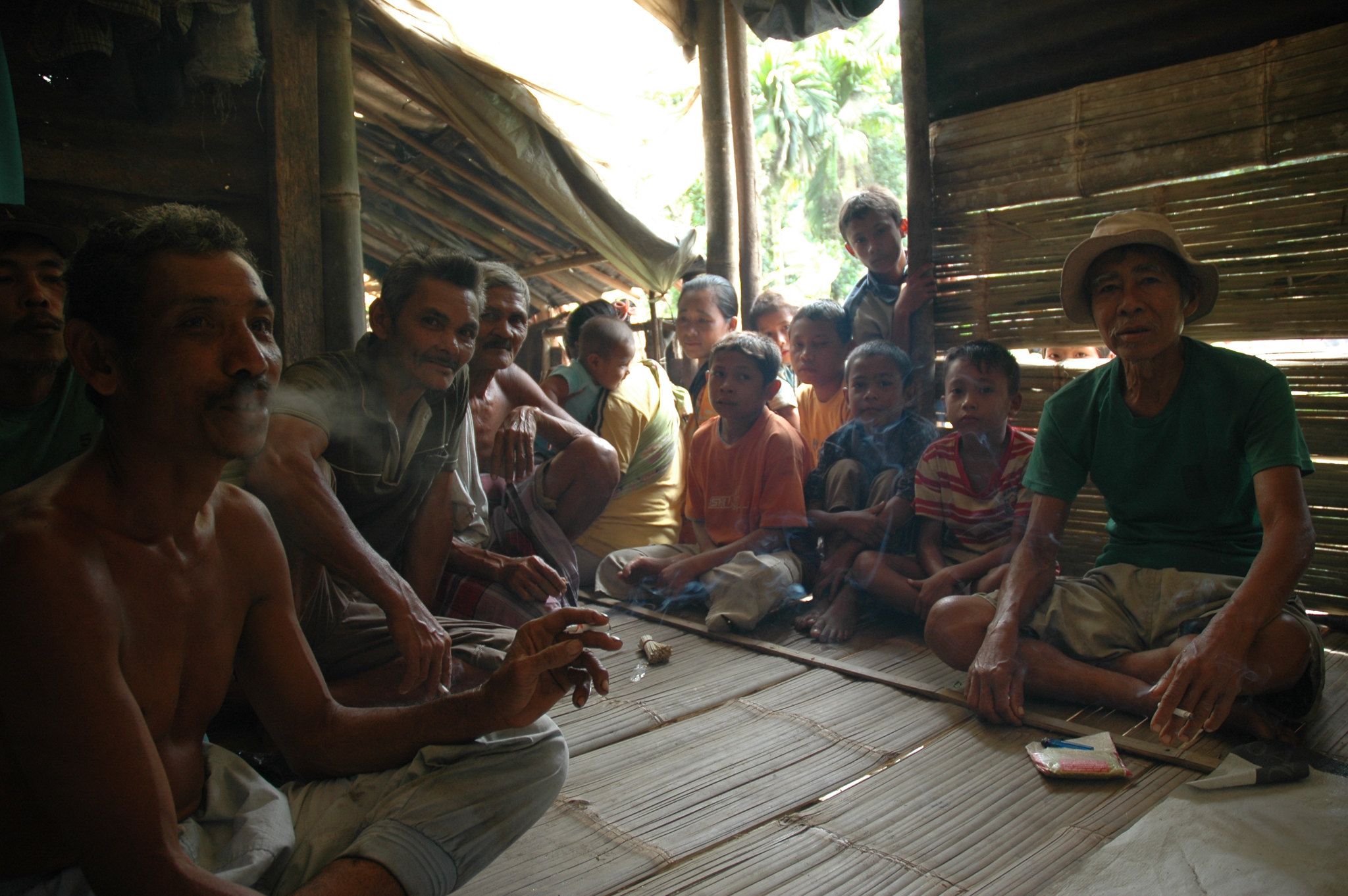
These figures describe tobacco use, which includes products beyond conventional cigarettes. The same survey found that 64.7% of men currently smoked tobacco, and 55.5% of men smoked kretek.
Earlier data cited in the 2005 Health Policy study showed male smoking prevalence rising from 53.4% in 1995 to 62.2% in 2001, with 68.8% of smokers starting before age 19.
The sources document a sequence of changes, beginning with tobacco’s arrival in the 1500s and 1600s, followed by its replacement of betel among men, the mechanization of kretek in the 1970s, and advertising built on masculinity, tradition, and national identity.
References
- Achadi, A., Soerojo, W., & Barber, S. (2005). The relevance and prospects of advancing tobacco control in Indonesia. Health Policy, 72(3), 333-349. https://doi.org/10.1016/j.healthpol.2004.09.009
- Nichter, M., Padmawati, R. S., Danardono, M., Ng, N., Prabandari, Y., & Nichter, M. (2009). Reading culture from tobacco advertisements in Indonesia. Tobacco Control, 18(2), 98-107. https://doi.org/10.1136/tc.2008.025809
- Reid, A. (1985). From betel-chewing to tobacco-smoking in Indonesia. The Journal of Asian Studies, 44(3), 529-547. https://www.jstor.org/stable/2056266