Archaeologists recently uncovered the oldest known evidence of human betel nut use on the island of Sulawesi in Indonesia. This discovery pushes the documented timeline of human psychoactive plant drug consumption back thousands of years before the rise of agriculture.
The newest scientific research by Adam Brumm et al. in Science Advances, examined fossilized jawbones and teeth from two ancient hunter-gatherers, including a Late Pleistocene forager who lived between 25,000 and 16,000 years ago at Leang Bulu Bettue. The second set of skeletal remains belonged to a Middle Holocene Toalean hunter-gatherer who inhabited Leang Cappalombo 1 roughly 7,600 to 6,300 years ago.
Unlike modern consumers who chew processed betel nut slices wrapped in betel leaf with slaked lime powder, these ancient foragers sucked intact whole seeds in their mouths. Chemical testing and tooth wear patterns prove that keeping whole nuts inside the oral cavity released active stimulants without requiring slaked lime or complex preparation.
This groundbreaking find reveals that foraging communities developed drug habits during the Ice Age long before farming communities domesticated crops. Ancient humans in Southeast Asia possessed deep knowledge of local tropical flora and actively sought plant substances to alter brain chemistry.
Dental Evidence of Whole Nut Sucking
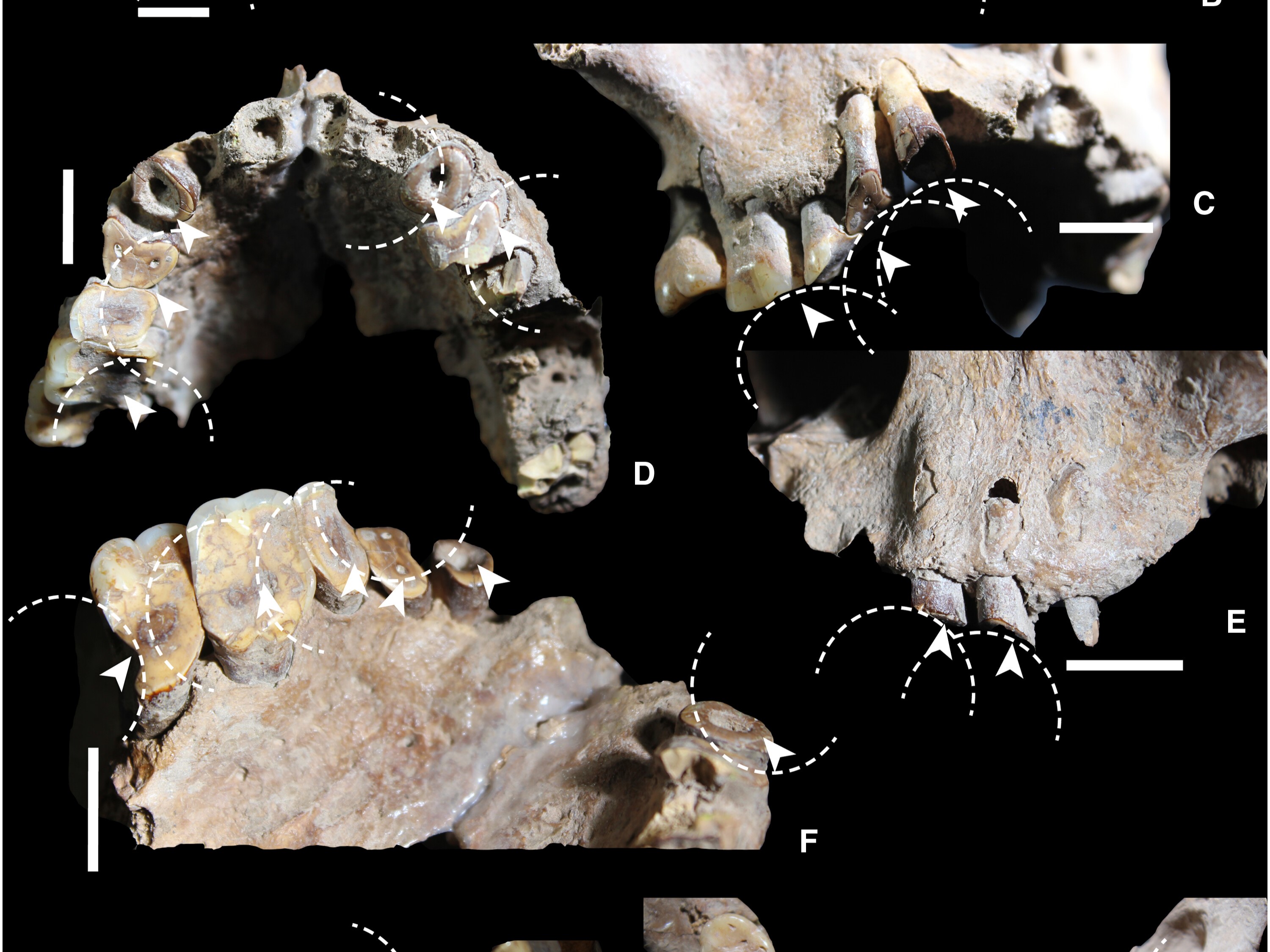
Both Sulawesi skeletons displayed severe, unusual grooves and rounded wear facets across their molars, premolars, and front teeth. These distinct wear patterns developed because the foragers repeatedly held hard, spherical wild areca seeds measuring ten to twenty millimeters in diameter against their teeth for extended periods.
Advanced laboratory mass spectrometry detected traces of arecoline, the primary neuroactive stimulant in betel nut, directly on the fossilized human teeth. The absence of specific lime-reaction chemicals like guvacine confirms that these early humans consumed whole nuts raw rather than chewing traditional lime quids.
Scientists also found essential oil compounds from betel leaves, such as eugenol and eucalyptol, embedded within the ancient tooth surfaces. These chemical traces suggest that Sulawesi foragers ingested aromatic betel vine leaves separately for their pleasing flavor or medicinal benefits.
Why Early Humans Consumed Betel Nut
Foragers sucked betel nuts mainly to absorb arecoline, a natural alkaloid that stimulates acetylcholine receptors in the brain and nervous system. This active plant stimulant boosted physical energy, increased stamina for daily foraging tasks, and produced a mild state of euphoria.
Ancient foragers also used betel nuts as natural painkillers to manage severe chronic toothaches and advanced gum infections. Because arecoline possesses proven pain-relieving properties, individuals with damaged teeth sucked the seeds to numb persistent oral discomfort.
Sucking intact betel nuts triggered heavy salivation, which helped ancient foragers digest starchy forest foods like wild sago palm pith. Extra saliva flow also washed away food particles and prevented tooth decay, keeping surviving teeth remarkably free of cavities despite severe mechanical wear.
Over time, the combined benefits of energy stimulation and pain relief created a strong physical dependence among these early Sulawesi inhabitants. This compulsive habit caused people to suck nuts for many years, creating an addictive cycle that shaped human drug culture thousands of years ago.