


A faulty component caught before shipment, a machine repaired before it stops, a delivery rerouted around disruption: artificial intelligence is changing manufacturing through decisions that once depended on slower, fragmented information. Across Southeast Asia, the opportunity extends from individual factories to the networks connecting suppliers, ports and customers.
As companies diversify production, the region’s competitiveness increasingly depends on reliable quality, skilled workers and responsive supply chains. AI can strengthen those capabilities—but its value must be demonstrated on the factory floor.
Turning Investment into Industrial Capability
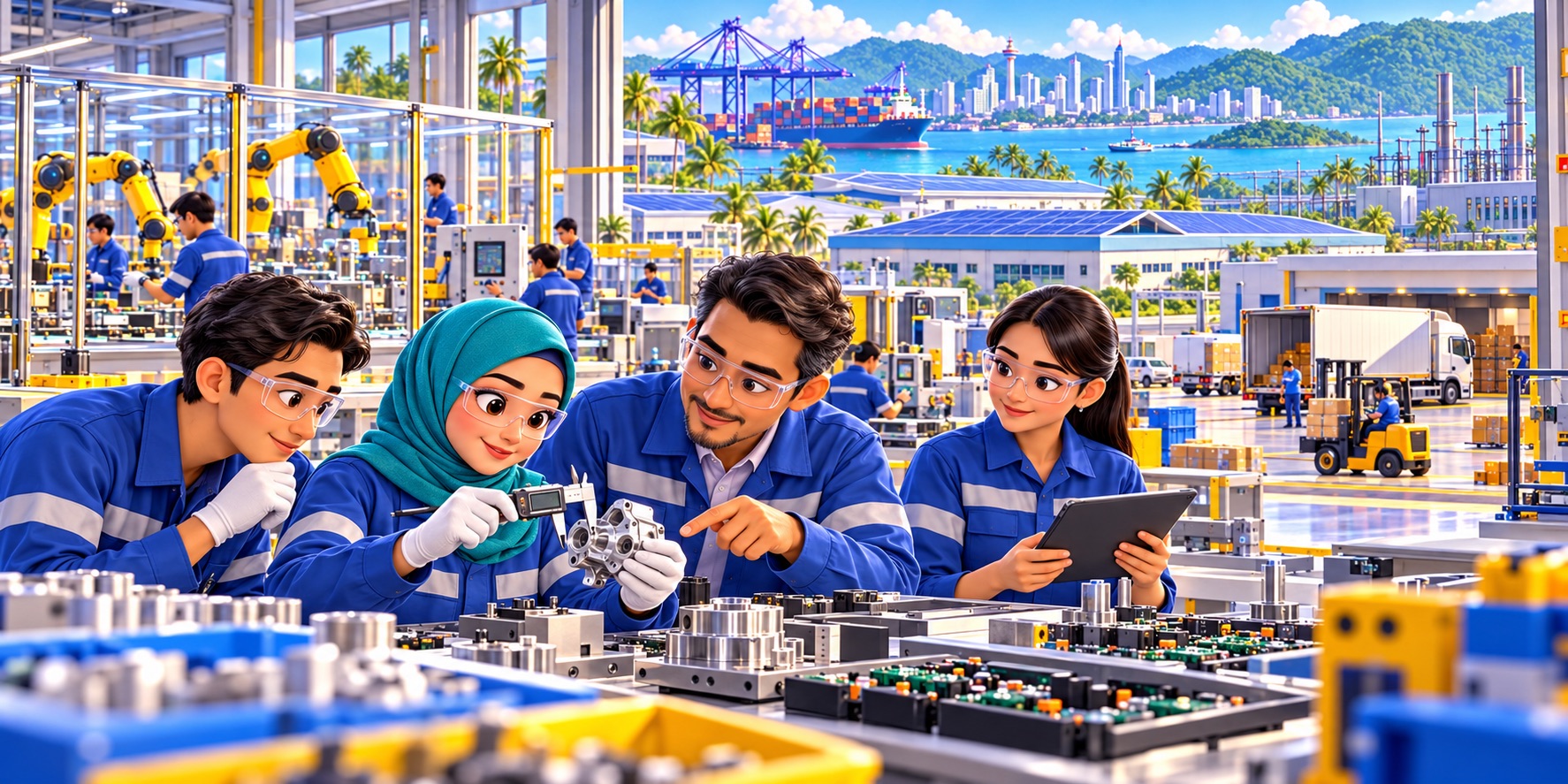
Southeast Asia’s investment momentum provides a substantial foundation. The ASEAN Investment Report 2025 recorded approximately US$226 billion in foreign direct investment inflows in 2024, an increase of 8%. ASEAN’s investment portal reports that manufacturing accounted for around 20% of total inflows that year. These figures cover investment broadly, rather than spending specifically on AI.
Production diversification, often described as “China+1,” is part of this shift. Companies are spreading operations across locations while retaining interconnected supplier networks. Establishing another factory, however, does not automatically create resilience. Manufacturers also need dependable utilities, qualified suppliers and visibility into production schedules.
For Southeast Asian businesses, this creates an opening to compete through engineering and operational expertise. A supplier that can document quality, anticipate delays and respond quickly to changing orders offers value beyond its production costs.
Penang Shows What Measurable Progress Looks Like
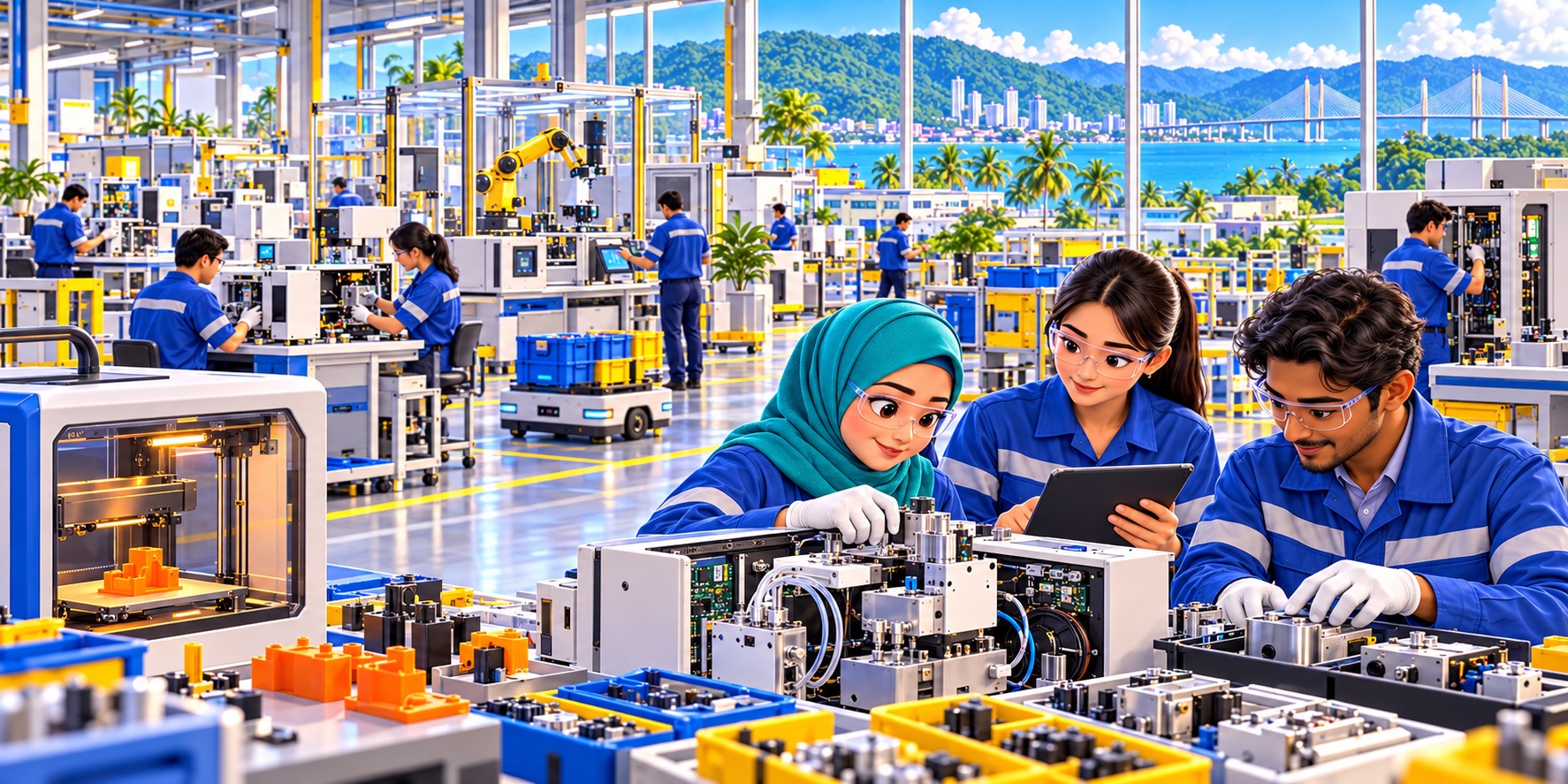
Agilent Technologies’ Penang operation provides a concrete example. Recognised by the World Economic Forum’s Global Lighthouse Network in January 2025, the facility adopted more than 40 digital solutions, including AI applications in supply chains, alongside 3D printing and workflows that employees could configure without conventional coding.
The programme delivered a reported 40% improvement in productivity, a 32% reduction in manufacturing costs and a 48% reduction in delivery lead time. These were results from a combined transformation programme, rather than gains attributable to AI alone.
That distinction helps explain successful implementation. Better algorithms work alongside redesigned processes, reliable information and employees who understand production. A model recommending a schedule change has limited value if purchasing, maintenance and logistics teams cannot act on it.
The Penang case also demonstrates that advanced manufacturing extends beyond high-volume assembly. Facilities handling many product variations can benefit from tools that manage complexity and coordinate decisions.
Building Intelligence Around Factory Knowledge
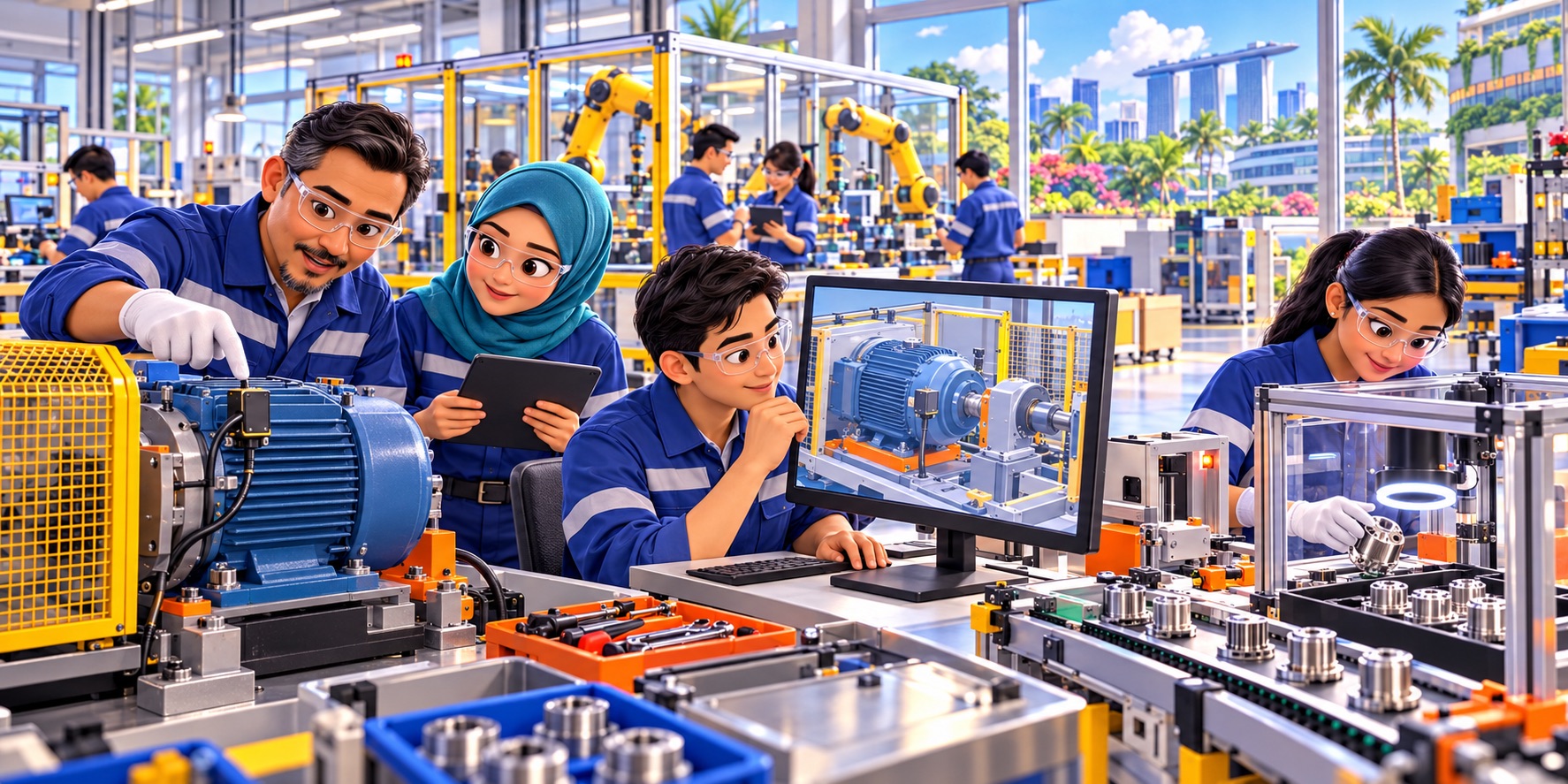
Industrial AI commonly begins with a focused problem. Predictive maintenance examines signals such as vibration or temperature to identify deteriorating equipment. Computer vision helps flag defects, while digital twins—virtual representations of equipment or processes—allow engineers to test changes before applying them physically.
Regional partnerships are helping companies explore these applications. In July 2025, Singapore’s A*STAR and Siemens announced cooperation involving industrial AI, automation and digital twins, with a testbed where businesses could develop and evaluate manufacturing solutions.
“Together with Siemens, we are developing solutions that will accelerate digital transformation and support decarbonisation efforts across the region,” said Professor Lim Keng Hui, then A*STAR’s assistant chief executive for its Science and Engineering Research Council.
Such facilities can help businesses assess whether a technology fits their operations before committing to wider deployment. For a smaller supplier, improving one inspection stage or identifying a recurring equipment fault may be a more practical starting point than attempting to automate an entire plant.
Connecting Production with More Reliable Deliveries
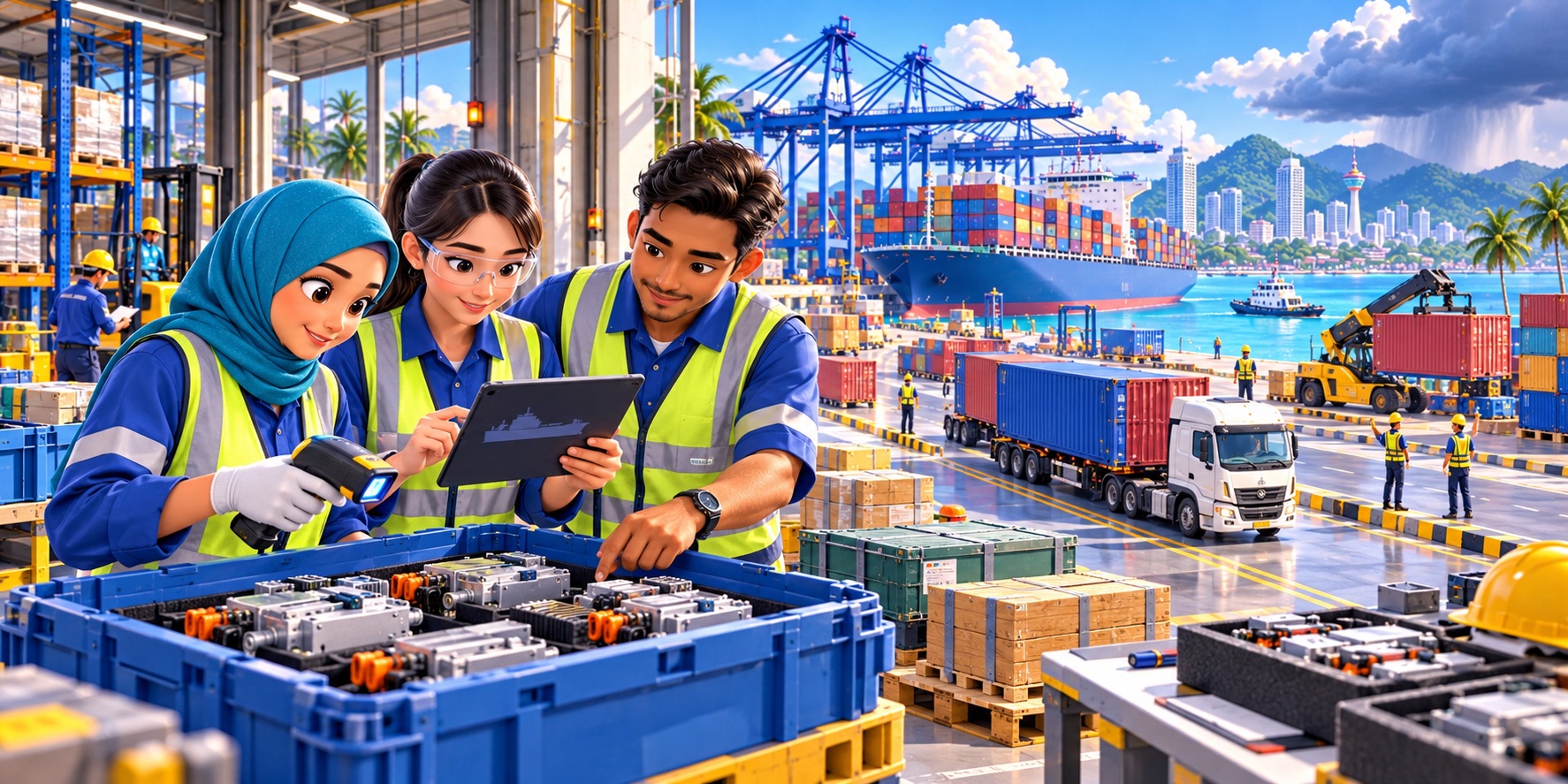
The same principles apply beyond factory gates. Manufacturers depend on materials arriving, shipments leaving and customers receiving products when expected. Forecasting and optimisation tools can help planners evaluate inventory needs, transport choices and alternative suppliers.
Southeast Asia’s maritime connections make reliable logistics particularly important. Research by A*STAR and Nanyang Technological University examined AI models for predicting vessel fuel consumption using more than 11,000 records from 32 vessels collected over 18 months. The researchers found that inaccuracies in operating data could substantially weaken predictions.
“Improving model robustness against noise directly impacts voyage safety, efficiency and long-term CII management,” said Xiuju Fu, an A*STAR senior principal scientist, referring to shipping’s Carbon Intensity Indicator.
The findings underline an important operational lesson: AI needs testing against imperfect conditions. Forecasts cannot eliminate monsoon disruption, port congestion or customs requirements. They can help teams prepare alternatives, provided their assumptions and limitations remain visible.
Giving Workers a Central Role
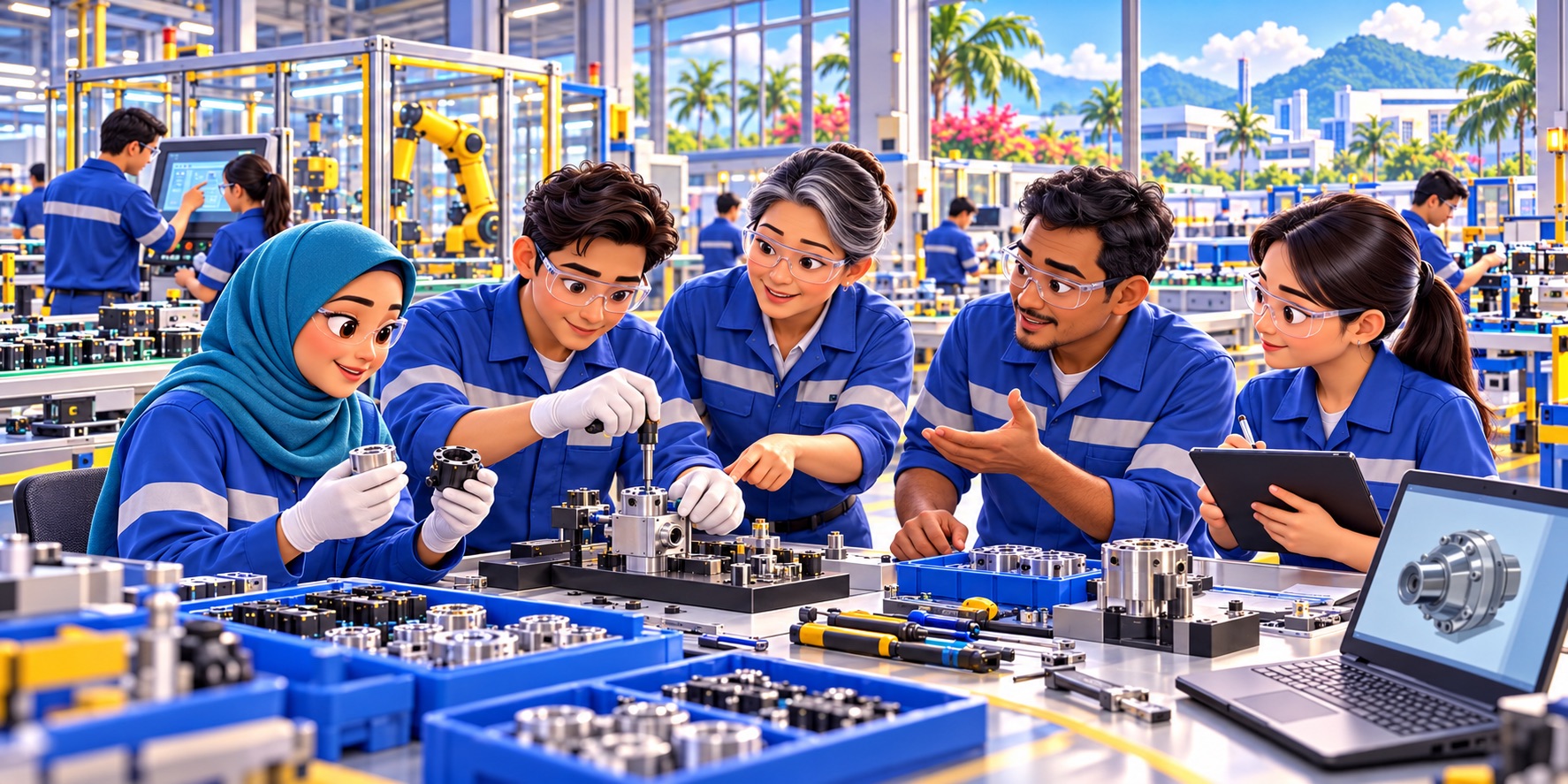
Agilent’s Penang transformation included upskilling 88% of its workforce. That figure highlights the organisational work behind technological results: employees need time, training and opportunities to use new systems effectively.
Operators and technicians also contribute knowledge that datasets may miss. They understand unusual machine behaviour, material variations and the practical consequences of changing a production setting. Their involvement helps identify useful applications and challenge unreliable recommendations.
For smaller manufacturers, the immediate priorities may be consistent recordkeeping, connected equipment and stronger cybersecurity. Investment in these foundations can make later AI adoption more effective. Progress should be assessed through outcomes such as fewer rejected products, dependable deliveries, safer work and lower energy use per unit.
Southeast Asia’s industrial opportunity lies in combining these improvements across factories and suppliers. AI can help the region manufacture with greater precision and respond more confidently to disruption—when technology, workforce development and sound operational judgment advance together.


