


Timor-Leste’s landscape tells the story of a country still defining its future. Mountain ridges descend sharply toward clear tropical waters, while communities preserve traditions shaped by ancestry, resistance and independence. Since becoming ASEAN’s eleventh member in October 2025, this young nation has entered a new regional chapter without surrendering its distinctive rhythm.
Dili Between the Ridges and Sea
Timor-Leste covers approximately 14,950 square kilometres, comprising the eastern part of Timor Island, the Oecusse enclave and the islands of Atauro and Jaco. Its terrain rises dramatically from the coast, reaching 2,960 metres at Mount Ramelau, the country’s highest point.
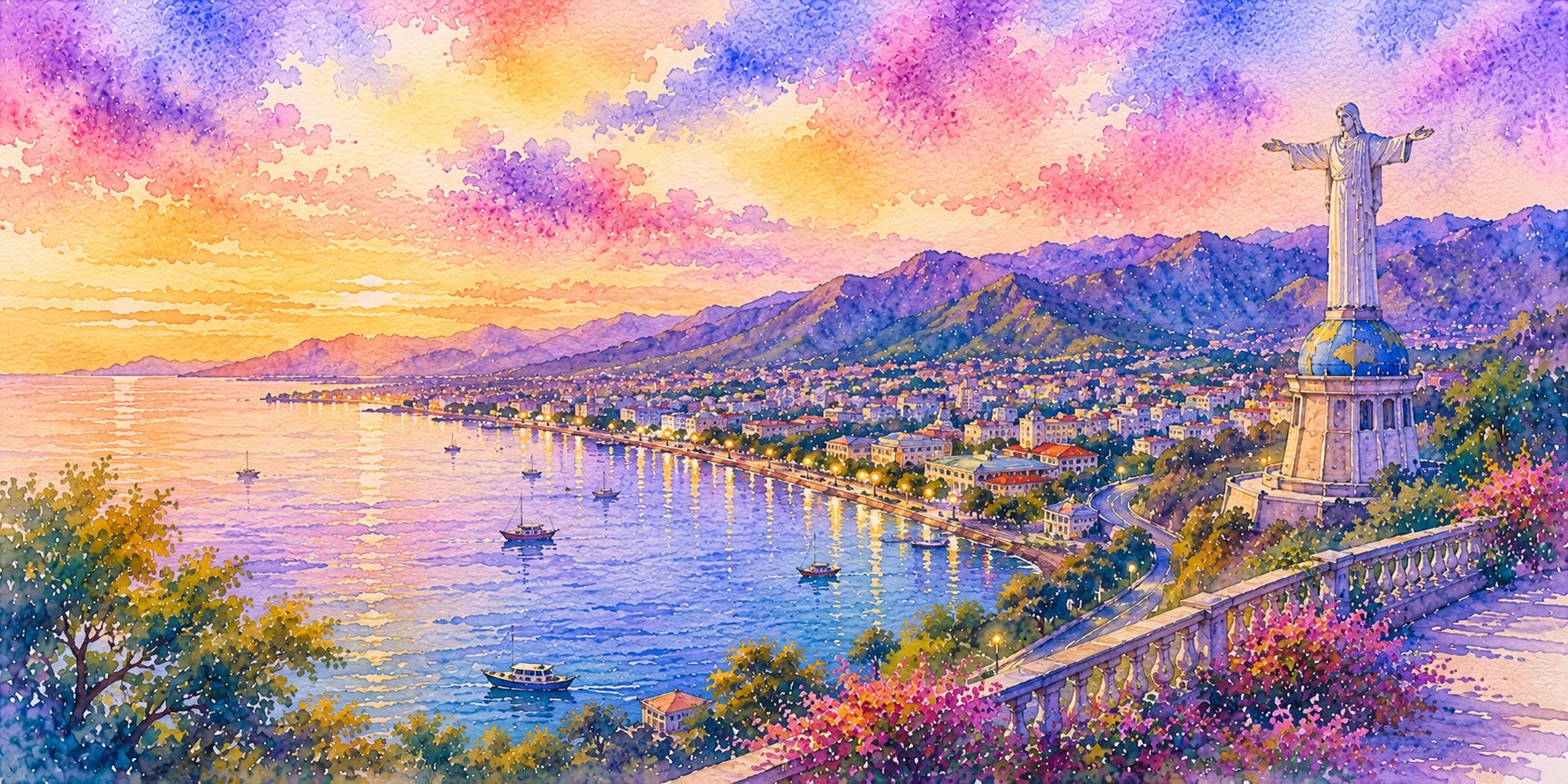
Dili occupies a narrow coastal plain between dry mountains and the waters north of the island. Its shoreline functions as a public gathering space where families walk, vendors serve grilled fish and young people watch the sunset. Above Cape Fatucama, the Cristo Rei statue looks across the bay toward Atauro Island.
The capital bears visible layers of Portuguese administration, Indonesian occupation and the independence struggle. Yet Dili is not defined only by its difficult past. New cafés, public institutions, cultural spaces and regional connections reflect a society gradually building an identity around peace, democratic participation and greater engagement with Southeast Asia.
Atauro Protects a Living Blue World
North of Dili, Atauro Island offers a quieter landscape of rugged hills, fishing villages and exceptionally rich reefs. Marine surveys have recorded 642 reef-fish species around the island, giving Atauro the highest average reef-fish diversity documented globally. Its waters also form part of migration routes used by dolphins and several whale species.
This biodiversity supports artisanal fishing, diving and community-based tourism. Small guesthouses, local boat operators and conservation programmes provide alternatives to large-scale resort development. However, limited infrastructure, waste management, freshwater access and climate pressures mean tourism must grow carefully if it is to benefit residents without damaging the ecosystems on which they depend.
Prime Minister Xanana Gusmão has described the national ambition as transforming the sea, “which is central to our identity, economy and geopolitics,” into a source of sustainable development, inclusion and environmental resilience.
Identity Woven Across Generations
Timor-Leste’s cultural diversity is expressed through tais, the handwoven textile traditionally created by women. Its colours and geometric motifs vary between municipalities and communities, communicating identity, family connection and ceremonial status. Tais may be exchanged at weddings, community gatherings and official occasions.
UNESCO placed tais on its List of Intangible Cultural Heritage in Need of Urgent Safeguarding in 2021, recognizing both its cultural importance and the need to transmit weaving knowledge to younger generations. “It is a message from UNESCO to us, the weavers, that our hard work of maintaining the tradition was not vain,” said Baucau weaver Joana Guterres.
The country’s uma lulik, or sacred houses, provide another connection to ancestry. Their forms differ across Timor-Leste, but they commonly serve as ceremonial centres associated with clan history, spiritual relationships and inherited responsibilities. Music and communal dances such as tebedai carry these connections into public celebrations.
A New Southeast Asian Chapter
Timor-Leste’s admission to ASEAN in 2025 placed its emerging tourism economy, marine resources and cultural heritage within a wider regional community. Integration may bring investment and connectivity, but it also raises an important choice about the character of future development.
The country’s opportunity lies in growing without losing intimacy. Between Dili’s mountain-backed coast, Atauro’s reefs and the carefully woven threads of tais, Timor-Leste offers a vision of progress grounded in resilience, community and respect for the living landscape.


