For many people in Asia, walking into a house with your shoes still on can feel almost wrong. Shoes are left by the door, slippers come out, and the floor inside is treated differently from the street outside.
In the US, there is no clear cut rule. Some people take their shoes off as soon as they get home, while others keep them on. Europe is much the same, with shoe etiquette varying from one country to another.
So why does the same pair of shoes become an ordinary part of indoor life in one culture and something that should never cross the front door in another?
When the Floor Is Part of the Home
One reason the shoes off custom became so strong in parts of Asia is the way indoor spaces are used.
Japan is probably the most recognizable example. The genkan, the entrance area where shoes are removed, creates a physical boundary between the street and the main floor of the house. Japan's Consumer Hotline for Tourists describes removing shoes at the entrance as a standard household custom.
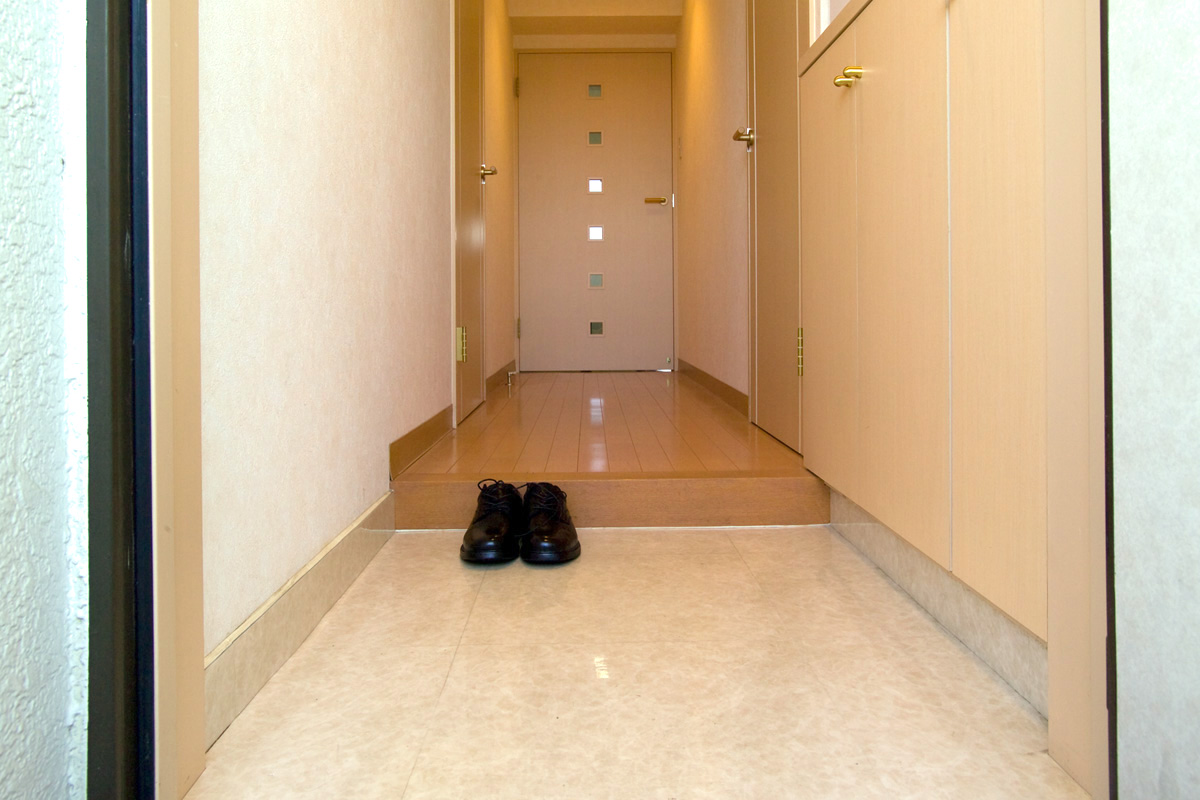
Historically, this made practical sense. Traditional Japanese homes used tatami and people often sat on the floor and laid out futons there to sleep. Japan's genkan therefore wasn't just a place to park shoes, it helped keep outdoor footwear away from surfaces that were part of everyday living.
Similar ideas developed elsewhere in Asia.
A study of urban apartments in China published in the Journal of Architecture and Planning found that more than 90% of surveyed residents removed their outdoor shoes and changed into slippers, largely to keep the interior clean. More than 30% had also adopted floor sitting as part of their living style.
India has its own version of the custom. Cultural Atlas lists removing shoes before entering someone's home as standard etiquette, while also noting the broader cultural significance attached to feet and the soles of the feet.
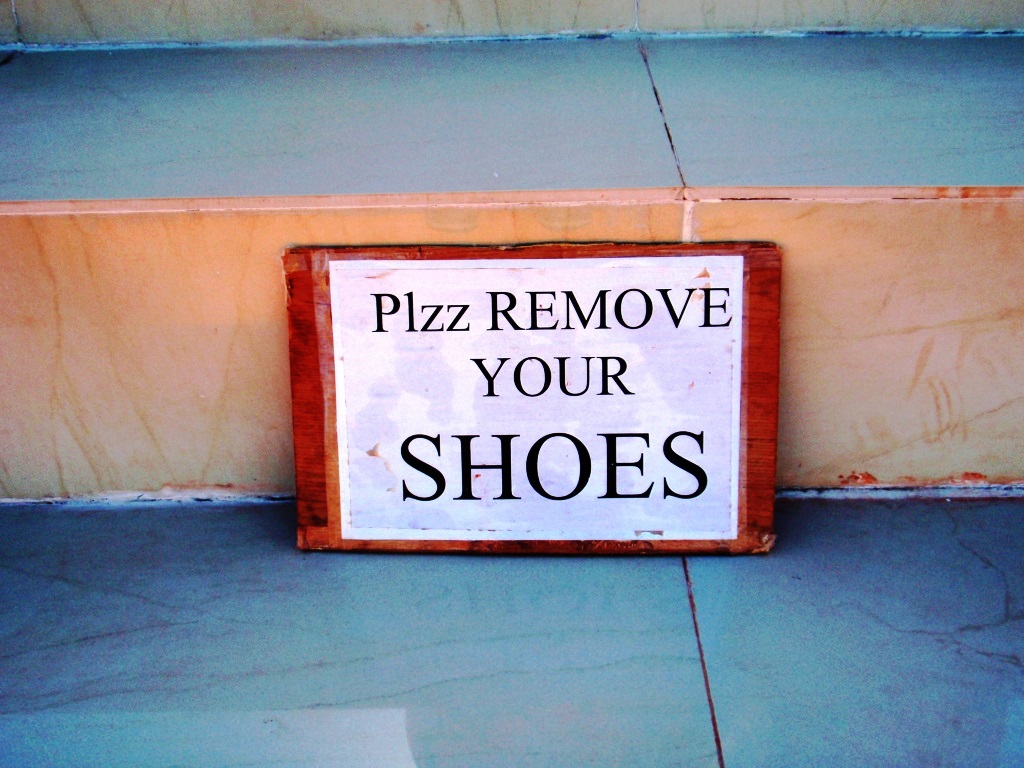
So the habit is not simply about “Asian cleanliness”. In many households, the floor itself is part of the living environment.
Why The West Feels Different
The United States provides a useful contrast precisely because there isn't one universal rule.
Some American households are strictly shoes off. Others allow shoes throughout the house. And many simply let guests decide for themselves.
The YouGov survey illustrates that flexibility, only 24% of Americans said they preferred guests to remove their shoes, while 17% preferred guests to keep them on. The majority, 59%, were happy for guests to choose. That makes the American debate less about a national rule and more about personal preference and hospitality.
Norway shows another complication. Its strong shoes off etiquette is partly connected to climate and the practical problem of bringing moisture, gravel and dirt indoors, a concern that shows up across the Nordic region more broadly.
In other words, “Western culture” doesn't have one footwear rule either.
And Then There Is the Health Question
There is at least some science behind the instinct to leave shoes at the door.
A systematic review published in the Journal of Applied Microbiology found that shoe soles can carry pathogens including MRSA, Clostridioides difficile and multidrug resistant Gram-negative bacteria. But the researchers also stressed that more evidence was needed to determine how contaminated shoes actually contribute to infections.
So taking off shoes should not be presented as a universal health requirement.
What looks like a tiny household habit is really a reflection of something broader. Different societies have different ideas about what belongs inside the home.
For some, shoes are part of everyday life until they reach the bedroom. For others, they belong firmly at the door.