In northern Peninsular Malaysia, a two lane highway cuts through one of the country’s most important rainforest landscapes.
The East-West Highway, or Federal Route 4, connects Gerik in Perak with Jeli in Kelantan. Along part of its route, the highway passes through the Belum-Temengor Forest Complex, a vast forest landscape believed to have existed for around 130 million years.
That makes the road more than a transport link. It also runs through habitat for some of Malaysia’s most threatened wildlife.
A Highway Through Ancient Forest
Belum-Temengor is one of the largest continuous forest complexes in Peninsular Malaysia, covering roughly 300,000 hectares. It includes the Royal Belum State Park to the north and the Temengor Forest Reserve to the south.
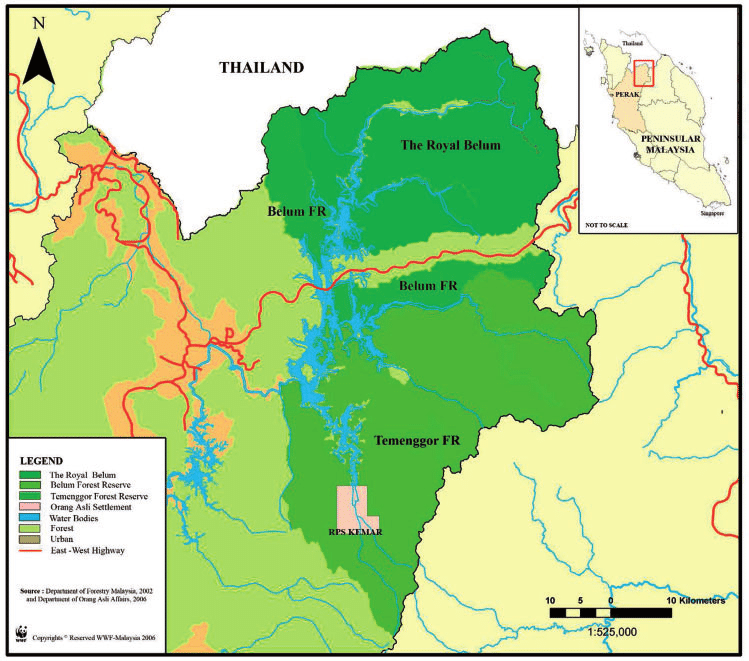
The landscape contains lowland, hill and montane forests and supports an extraordinary range of biodiversity.
Malaysia’s Biodiversity Information System lists hundreds of recorded species from the Royal Belum-Temengor rainforest, while scientific studies have documented animals including Asian elephants, Malayan tigers, Malayan tapirs, sun bears and Malayan gaurs.
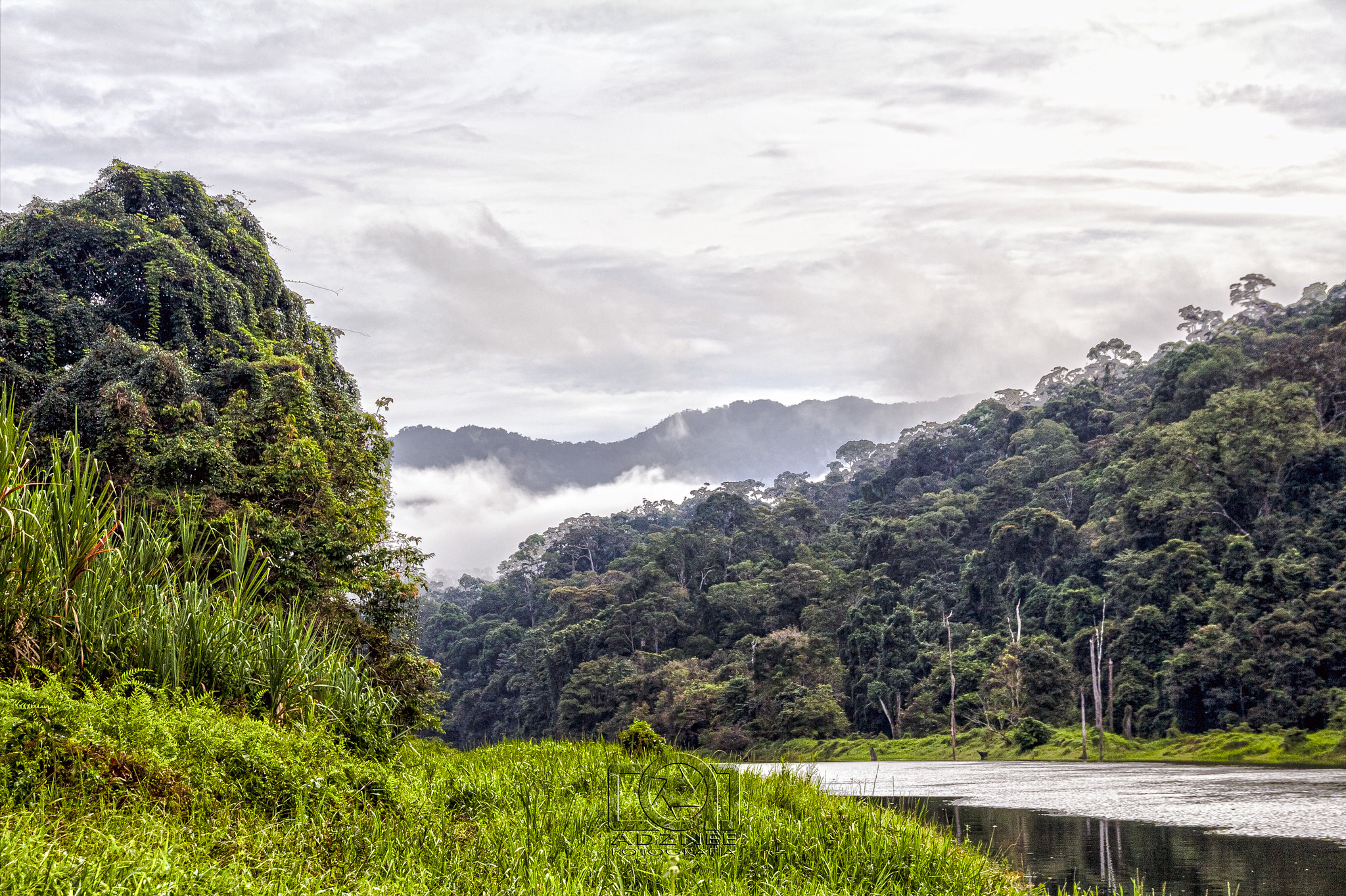
At the centre of the landscape is Temengor Lake, a large artificial reservoir covering about 15,200 hectares. The lake was created following the construction of the Temengor Dam, adding another major feature to an already complex landscape.
And running through this environment is the East-West Highway.
Why Was the Road Built?
The highway was not originally designed as a scenic route through a rainforest.
The Gerik-Jeli section was built during a period when Malaysia was dealing with the communist insurgency. Its strategic location helped improve access across the peninsula and security in the remote border region.
Today, however, the same road serves a very different purpose, connecting communities and regions across northern Peninsular Malaysia.
Malaysia’s Central Forest Spine programme identifies the Gerik-Jeli road corridor as an ecological corridor, reflecting the importance of maintaining connectivity between forest habitats on either side of the highway.
Keeping Elephant Routes Open
One of the main problems is that the forest doesn’t simply end where the road begins.
Elephants regularly cross the East-West Highway, according to documentation from Malaysia’s Central Forest Spine project. The same landscape is also home to other large mammals, including gaur and tapirs.
Researchers have been tracking Asian elephants in the area for years to see how the highway affects the way they move through the forest.
A research team from the University of Nottingham Malaysia GPS tracked 17 wild Asian elephants over a five year period. Their findings showed that roads can disrupt movement between different parts of the forest, especially as traffic levels increase.
To reduce the risk, wildlife infrastructure has been added along the highway. One example is a wildlife viaduct designed to give animals a safer route across the road. But researchers have pointed out that a single crossing cannot maintain connectivity across such a large area on its own.
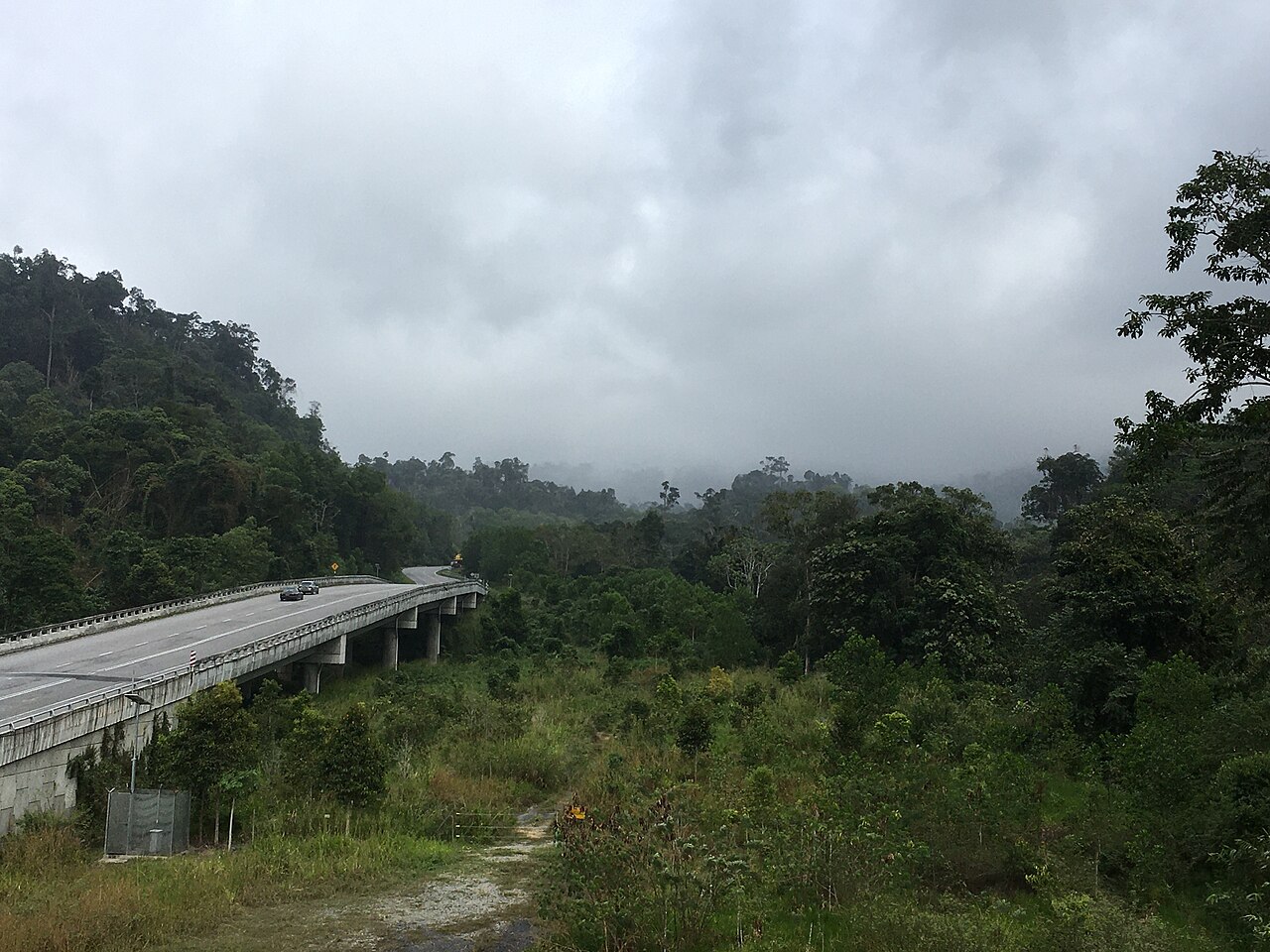
The issue isn’t simply about keeping animals off the road. It’s about making sure they can still move through a forest that was there long before the highway.
A Road Through a Living Ecosystem
The East-West Highway highlights a problem that many countries face, roads can make it easier for people to move while making it harder for wildlife to do the same.
That conflict is especially clear in Belum-Temengor.
The highway was built to connect different parts of Peninsular Malaysia, but its route runs through a forest landscape that has developed over tens of millions of years. The area is home to threatened wildlife, indigenous communities and important forest corridors, while the highway itself remains a vital transport route.
Removing the road is not a realistic solution.
Instead, the focus has increasingly shifted toward making the highway work alongside the ecosystem around it. Wildlife crossings, ecological corridors and efforts to keep forest areas connected are all part of that approach.
The highway is only a few hundred kilometres long. The forest around it, however, has a history that stretches back millions of years.